Foraging connects us with nature while providing fresh, nutrient-dense ingredients that can transform your approach to sustainable living and self-sufficiency in the wilderness.

🌿 The Revival of Ancient Food Wisdom
Our ancestors survived and thrived by understanding the edible landscape around them. Today, foraging isn’t just about survival—it’s a sophisticated culinary practice that combines traditional knowledge with modern sustainability principles. The resurgence of interest in wild foods reflects our collective desire to reconnect with nature and reduce our environmental footprint.
Foraging offers more than just free food. It provides a deeper understanding of ecosystems, seasonal cycles, and the interconnectedness of natural systems. When we learn to identify wild edibles, we develop observation skills that enhance our appreciation for biodiversity and environmental stewardship.
The nutritional profile of foraged ingredients often surpasses their cultivated counterparts. Wild plants typically contain higher concentrations of vitamins, minerals, and antioxidants because they’ve adapted to survive without human intervention. This natural resilience translates directly into superior nutritional value for those who consume them.
Essential Principles of Safe Foraging
Before venturing into wild food gathering, understanding safety protocols is non-negotiable. The difference between a delicious meal and a medical emergency often comes down to proper identification and preparation techniques.
Never consume any wild plant unless you’re absolutely certain of its identification. Many edible plants have toxic lookalikes, and the consequences of misidentification can be severe. Start with easily identifiable species and gradually expand your knowledge through guided forays with experienced foragers or mycologists.
The “Rule of Twos” serves as an excellent guideline for beginners: never forage alone on your first two dozen expeditions, never try more than two new species in a single day, and always wait two hours after consuming a new wild food before trying another unfamiliar plant.
Environmental Ethics in Foraging Practice
Sustainable foraging requires leaving the ecosystem healthier than you found it. Take only what you need, never harvest more than 10% of any plant population, and avoid collecting from areas with small or stressed populations. This ensures future generations—both human and wildlife—can benefit from these resources.
Understanding which parts of plants to harvest matters tremendously. Taking leaves from perennials allows the plant to continue photosynthesizing, while harvesting roots kills the entire organism. Learn the regenerative capacity of each species before collecting.
🍃 Seasonal Foraging Calendar and Peak Flavors
Each season offers distinct flavors and nutritional profiles. Spring brings tender greens bursting with chlorophyll and vitality. Early shoots like fiddlehead ferns, ramps, and dandelion greens provide the fresh, slightly bitter flavors that awaken our palates after winter.
Summer abundance includes berries, edible flowers, and leafy greens at their peak. Wild strawberries deliver concentrated sweetness that cultivated varieties can’t match. Elderflowers offer delicate floral notes perfect for cordials and syrups, while purslane provides succulent leaves rich in omega-3 fatty acids.
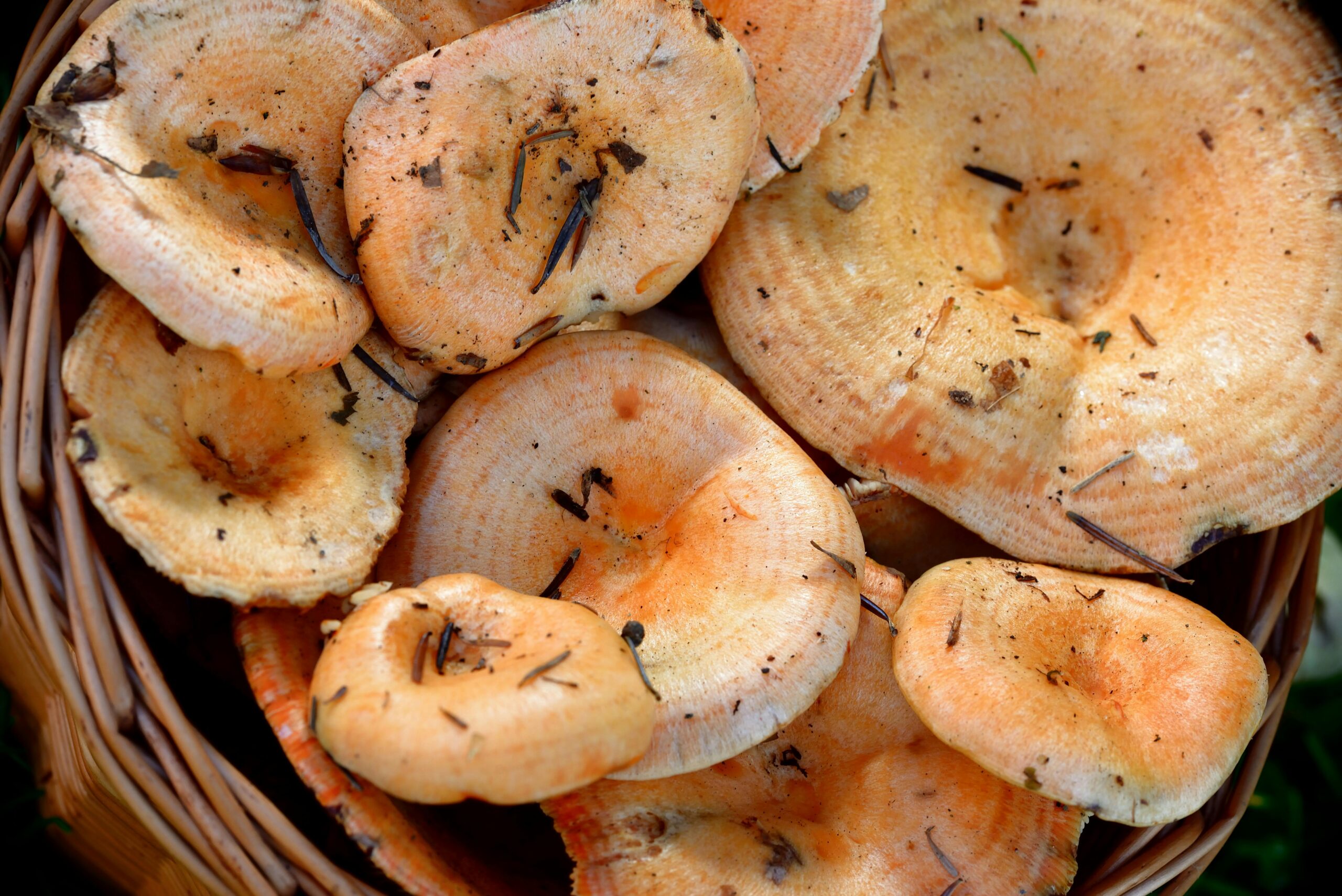
Autumn presents nuts, seeds, and mushrooms alongside late-season fruits. Acorns become viable protein sources when properly processed to remove tannins. Wild mushrooms like chanterelles and porcini reach peak flavor, offering umami-rich ingredients for hearty seasonal dishes.
Winter foraging challenges us to find persistent plants, evergreen needles for tea, and stored nuts. Rose hips remain on bushes throughout cold months, providing vitamin C when fresh produce is scarce. Pine needles make aromatic teas with medicinal properties, and dried mushrooms rehydrate beautifully in winter stews.
Masterful Wild Ingredient Pairing Techniques
Understanding flavor profiles transforms foraged ingredients from survival foods into gourmet experiences. Wild foods often possess intense, complex flavors that require thoughtful pairing to balance and enhance.
Bitter Greens and Fat: A Classic Harmony 🥗
Dandelion, chicory, and wild mustard greens contain beneficial bitter compounds that stimulate digestion. These flavors pair beautifully with fats—rendered wild game fat, foraged nuts processed into oils, or even simple butter. The fat molecules carry bitter compounds across the palate while mellowing their intensity.
Try wilted dandelion greens with warm bacon dressing, or blend wild garlic leaves into compound butter. The bitterness cuts through richness, creating balanced dishes that satisfy without overwhelming.
Earthy Mushrooms and Aromatic Herbs
Wild mushrooms bring profound umami and earthy notes that complement fresh aromatic herbs. Pair porcini or morels with foraged thyme, oregano, or wild garlic. These combinations create depth layers that elevate simple preparations into memorable meals.
Mushroom broths infused with pine or spruce tips develop complex flavor profiles reminiscent of forest floors. This pairing captures the essence of the ecosystem itself, bringing outdoor experiences to your plate.
Tart Berries and Natural Sweeteners
Wild berries often exhibit more tartness than cultivated varieties due to lower sugar content and higher acid levels. Balance these flavors with natural sweeteners found in the wild—maple syrup tapped from trees, honey from wild bee colonies, or concentrated fruit reductions.
Wild blueberries paired with reduced elderberry syrup create desserts with dimensional sweetness. Tart serviceberries combined with honey-infused wild mint offers refreshing contrast that highlights each ingredient’s unique character.
🔥 Primitive Cooking Methods for Wild Ingredients
Survival situations often lack modern kitchen conveniences, making knowledge of primitive cooking techniques essential. These methods also enhance flavors through traditional processes that connect us with ancestral cooking wisdom.
Open-fire cooking imparts smoky complexity to foraged foods. Roasting root vegetables directly in coals caramelizes natural sugars while adding char notes. Wrap wild greens in large leaves like burdock or coltsfoot before placing in hot ashes for gentle steaming.
Hot rock cooking transforms simple ingredients into sophisticated dishes. Heat stones in fire, then place in containers with water and ingredients. This method works brilliantly for acorn soup, wild mushroom broth, or infusions from aromatic plants.
Fermentation and Preservation in the Field
Wild fermentation preserves foraged abundance while developing complex flavors and increasing nutritional availability. Salt-fermented wild vegetables like ramps, fiddleheads, or purslane create probiotic-rich foods that last months without refrigeration.
Simple wild sauerkraut requires only wild cabbage relatives, salt, and time. Layer shredded plants with 2-3% salt by weight, pack tightly to exclude air, and allow natural bacteria to transform the mixture over several weeks. The resulting ferment provides vitamin C and digestive support during extended wilderness stays.
Nutritional Strategies with Foraged Foods
Balancing macronutrients and micronutrients becomes crucial in survival scenarios. Understanding which wild foods provide proteins, fats, and carbohydrates helps maintain health during self-sufficient living.
Protein sources include nuts like acorns, hickory, and walnuts when available. Insects, while challenging for some, provide complete proteins with excellent amino acid profiles. Grasshoppers, crickets, and mealworms can be roasted and ground into protein-rich flour for supplementing other foraged ingredients.
Fats present greater foraging challenges in plant-based scenarios. Focus on nut and seed collection during autumn abundance. Pine nuts, sunflower seeds from wild plants, and acorns all provide valuable lipids. Animal sources from ethical hunting or fishing supply concentrated fats crucial for caloric needs.
Carbohydrates come from starchy roots, tubers, and properly processed nuts. Cattail roots, Jerusalem artichokes, and wild potato relatives offer sustaining energy. Acorn flour, when leached of tannins, provides complex carbohydrates suitable for flatbreads and porridges.
🗺️ Regional Foraging Profiles and Adaptation
Successful foraging requires adapting to your specific bioregion. What thrives in Pacific Northwest forests differs dramatically from desert Southwest or Northeastern woodlands offerings.
Temperate Forest Ecosystems
Deciduous and mixed forests provide tremendous diversity. Spring ephemeral flowers appear before tree canopy closes. Ramps, trout lily, and spring beauty offer early-season nutrition. Summer brings berry abundance—blackberries, raspberries, and blueberries. Autumn mushroom seasons deliver gourmet ingredients, while winter offers evergreen needle teas and persistent fruits.
Grassland and Prairie Regions
Open landscapes feature different plant communities with unique offerings. Wild onions and garlic grow abundantly in many grasslands. Prickly pear cactus provides both pads and fruits. Prairie turnips and wild carrot relatives offer starchy sustenance. Native sunflowers produce seeds rich in oils and proteins.
Coastal and Marine Environments
Shorelines present unique foraging opportunities. Seaweeds provide minerals often lacking in terrestrial diets—iodine, calcium, and trace elements concentrate in marine plants. Glasswort, sea beans, and beach lovage offer salty vegetables. Tide pools reveal shellfish and small crustaceans when harvesting regulations permit.
Creating a Personal Foraging Field Guide 📱
Developing a customized reference system accelerates learning and prevents dangerous mistakes. Combine multiple identification methods for reliability and confidence in the field.
Photography serves as excellent documentation. Photograph plants from multiple angles—overall shape, leaf arrangement, flower structure, and habitat context. Include size references in images using common objects. Organize photos by season and location for easier pattern recognition over time.
Plant identification applications like PlantNet use image recognition technology to suggest species matches. While helpful, never rely solely on apps—cross-reference with multiple field guides and expert consultation before consuming any wild plant.
Maintain a foraging journal documenting locations, dates, weather conditions, and plant stages. Note what was abundant, declining, or absent. Track your own reactions to new foods—some individuals develop sensitivities to plants most people tolerate. This personalized data becomes invaluable for planning future foraging expeditions.
🍽️ Signature Wild Ingredient Recipes
These preparations showcase foraged ingredients through pairing principles that maximize both flavor and nutrition while remaining practical for field preparation.
Forest Floor Mushroom Ragout
Combine assorted wild mushrooms—chanterelles, hen of the woods, or porcini—sautéed with foraged wild garlic or ramps. Add wild thyme and a splash of fermented berry vinegar. Serve over cattail pollen cakes or acorn flatbread for a complete wilderness meal celebrating forest ecosystem flavors.
Three-Green Survival Pesto
Blend equal parts dandelion greens, wild garlic leaves, and chickweed with toasted pine nuts or black walnuts. Crush with a rock if tools are unavailable, adding just enough wild plant oil to achieve paste consistency. This versatile condiment preserves without refrigeration for several days and transforms bland survival foods into flavorful meals.
Wild Berry and Nut Energy Cakes
Mix dried foraged berries with ground nuts, honey or maple syrup, and a binding agent like cattail pollen or acorn flour. Form into cakes and dry near fire or in sun. These portable foods provide sustained energy during long foraging expeditions or emergency situations, combining complete nutrition with satisfying flavors.
Long-Term Sustainability and Skill Development
Building genuine foraging expertise requires years of observation and practice. Approach this journey with patience and respect for the knowledge accumulated by indigenous peoples and traditional communities over millennia.
Connect with local foraging groups and experienced practitioners. Many regions host foraging walks, workshops, and identification classes. These community connections provide accountability, shared knowledge, and safety during the learning process.
Practicing in non-emergency situations builds confidence and skills before depending on foraged foods for survival. Regular foraging during weekend outings or daily walks develops pattern recognition that becomes automatic over time. This casual approach removes pressure while accelerating learning.
Consider cultivation of some wild species in controlled environments. Growing dandelions, wild garlic, or purslane in gardens allows close observation through full growth cycles. This deepens understanding of plant identification markers while providing reliable practice ingredients.
🌍 Foraging as Ecological Activism
Engaging with wild foods transforms our relationship with landscapes. Foragers become invested in protecting natural areas, fighting invasive species, and advocating for biodiversity conservation.
Knowledge of edible and medicinal plants makes abstract environmental threats personal. When you understand that development destroys not just trees but specific ecosystems containing dozens of food sources, conservation becomes immediate and relevant rather than distant and theoretical.
Sharing foraging knowledge spreads skills that increase community resilience. Teaching others to identify even five reliable wild edibles multiplies sustainable food access while building social connections around shared abundance rather than artificial scarcity.
Preparing for the Unexpected with Wild Foods
While we hope never to face true survival situations, climate change, natural disasters, and economic disruptions make self-sufficiency skills increasingly relevant. Foraging knowledge provides insurance against uncertainty while enriching everyday life.
Practice scenarios where you source meals entirely from foraged ingredients. Start with supplementing grocery items with wild garnishes, then progress to preparing side dishes, and eventually complete meals from wild foods. This graduated approach builds both skills and confidence.
Develop mental maps of reliable food locations throughout your region. Know where late-season berries persist, which parks have abundant edible weeds, and when peak seasons occur for various species. This geographical knowledge becomes crucial when you need it most.
Understanding how to transform challenging ingredients into delicious meals reduces stress in difficult situations. When you’re confident processing bitter greens, leaching tannins from acorns, or identifying safe mushrooms, wilderness becomes welcoming rather than threatening.
The wildly delicious world of foraged ingredients offers sustainable survival strategies that nourish body, mind, and soul. By mastering identification, understanding pairing principles, and practicing regularly, you develop capabilities that serve both everyday enjoyment and emergency resilience. This ancient wisdom, adapted for modern contexts, reconnects us with the abundant natural world while providing practical skills for an uncertain future. Start small, learn continuously, and discover the remarkable flavors growing wild around you.