Venturing into the woods for a meal might sound like something out of a fairy tale, but foraging for edible fungi and wild greens offers an authentic culinary adventure that’s both sustainable and incredibly flavorful.

🌲 Why Forest Foraging Is Your Next Culinary Frontier
The modern kitchen has become a place where exotic ingredients from around the globe meet convenience and speed. Yet, some of the most remarkable flavors grow wild in forests, often just beyond our backyards. Edible mushrooms and wild greens represent an untapped reservoir of taste, nutrition, and culinary creativity that’s been largely forgotten in our fast-paced food culture.
Forest foraging reconnects us with ancestral food traditions while offering contemporary cooks an opportunity to elevate their dishes with ingredients that simply cannot be replicated through cultivation. The earthy complexity of wild mushrooms paired with the vibrant, sometimes bitter notes of foraged greens creates flavor profiles that transform ordinary meals into extraordinary experiences.
This isn’t just about novelty. Wild edibles often surpass their cultivated counterparts in nutritional density, containing higher levels of vitamins, minerals, and beneficial compounds. They’re also remarkably sustainable—harvesting them properly actually supports forest ecosystem health while reducing your carbon footprint.
🍄 Understanding Edible Fungi: Nature’s Umami Treasure
Mushrooms represent one of the most sought-after forest treasures, and for good reason. These fascinating organisms deliver an umami punch that can transform vegetarian dishes into deeply satisfying meals and enhance meat-based preparations with layers of complexity.
The Most Prized Edible Mushrooms for Culinary Excellence
Certain species stand out for their exceptional flavor, texture, and culinary versatility. Chanterelles, with their apricot-like aroma and peppery notes, are among the most beloved. Their golden color and firm texture make them ideal for sautéing, and they pair beautifully with cream, butter, and fresh herbs.
Porcini mushrooms, known as king boletes, offer intense, nutty flavors with meaty textures that hold up beautifully in risottos, pasta dishes, and stews. Their dried form concentrates the flavor even further, making them invaluable pantry staples for adding depth to soups and sauces.
Morels, with their distinctive honeycomb appearance, are prized by chefs worldwide for their smoky, earthy flavor. Their hollow structure makes them perfect for stuffing, while their robust taste complements rich ingredients like foie gras, asparagus, and wild game.
Hen of the woods (maitake) provides a slightly peppery, earthy flavor with a tender yet meaty texture. This mushroom is particularly versatile, working equally well roasted whole, torn into pieces for pasta, or incorporated into Asian-inspired dishes.
Safety First: Identifying Edible Fungi Correctly
The golden rule of mushroom foraging is absolute certainty in identification. Never consume a mushroom unless you’re completely sure of its identity. Many edible species have toxic look-alikes, and the consequences of misidentification can be severe or even fatal.
Invest time in learning from experienced foragers, joining mycological societies, and using multiple identification resources. Field guides specific to your geographic region are essential, as mushroom species vary significantly by location. Consider carrying a quality field guide and using mushroom identification apps as supplementary tools, but never rely solely on technology for identification.
When starting out, focus on species with few toxic look-alikes, such as chanterelles, chicken of the woods, and lion’s mane mushrooms. Always examine multiple specimens, check spore prints when necessary, and when in doubt, leave it out.
🌿 Wild Greens: Forgotten Flavors from the Forest Floor
While mushrooms often steal the spotlight, wild greens offer equally compelling flavors and nutritional benefits. These plants have sustained human populations for millennia and bring distinctive tastes that cultivated greens rarely match.
Top Wild Greens Worth Seeking
Ramps, also called wild leeks, emerge in early spring with a flavor combining garlic and onions with subtle sweetness. Their short season makes them highly anticipated, and they’re exceptional when grilled, pickled, or incorporated into compound butters and pestos.
Nettles deserve their reputation as a superfood, despite their stinging defense mechanism. Once cooked or dried, the sting disappears, revealing a flavor reminiscent of spinach with earthy, slightly nutty notes. They’re extraordinarily high in iron, calcium, and vitamins, making them both delicious and nutritious.
Dandelion greens offer a pleasant bitterness that stimulates digestion and pairs wonderfully with rich, fatty foods. Young leaves are milder and work well in salads, while mature leaves benefit from cooking with bacon, garlic, and a splash of vinegar.
Wood sorrel provides a bright, lemony flavor thanks to its oxalic acid content. This delicate green adds freshness to salads, works as a garnish for fish dishes, and can even be used to make refreshing beverages.
Chickweed, often dismissed as a garden weed, offers mild, slightly sweet flavors perfect for salads or as a cooked green. It’s rich in vitamins and minerals while being incredibly productive, often available when other greens are scarce.
Harvesting Wild Greens Responsibly
Sustainable foraging ensures these resources remain available for future seasons and other foragers. Never harvest more than 25% of a patch, and ideally take less. This allows plants to regenerate and continue supporting the ecosystem.
Learn proper harvesting techniques for each species. Some plants, like ramps, should have only their leaves taken, leaving the bulbs to regenerate. Others can be cut above the root, encouraging new growth. Always use clean, sharp tools to minimize plant damage.
Avoid foraging in polluted areas, near roadsides, or places where pesticides may have been applied. Choose forests away from industrial areas and urban pollution for the safest, most flavorful harvests.
🍳 Perfect Pairings: Combining Fungi and Greens
The magic happens when edible mushrooms and wild greens come together. Their complementary flavors and textures create dishes that are greater than the sum of their parts.
Classic Combinations That Never Fail
Sautéed chanterelles with wilted nettles exemplifies this synergy. The mushrooms’ fruity notes balance the greens’ earthy richness, while both benefit from butter, garlic, and a touch of cream. This combination works beautifully as a pasta topping, risotto addition, or standalone side dish.
Morels paired with ramps create a springtime revelation. Both ingredients share a brief seasonal window, and their intense flavors complement rather than compete. Try them together in omelets, quiches, or simply sautéed with butter and served over toast.
Porcini mushrooms and dandelion greens balance richness with bitterness. The mushrooms’ deep umami flavors stand up to the greens’ assertive taste, creating complex dishes that stimulate the palate. This pairing shines in polenta dishes, white bean preparations, and grain bowls.
Cooking Techniques That Showcase Wild Ingredients
Simple preparations often work best with foraged ingredients, allowing their natural flavors to shine. High-heat sautéing in quality fat—whether butter, olive oil, or rendered animal fat—develops complex flavors through the Maillard reaction without overwhelming delicate forest notes.
Roasting concentrates flavors and creates textural contrast. Try roasting mushrooms at high temperatures until their edges crisp while their centers remain tender. Wild greens can be finished in the same pan, wilting in the mushrooms’ released juices.
Preserving techniques extend the season for wild ingredients. Mushrooms can be dried, frozen, or preserved in oil. Greens can be blanched and frozen, fermented into kimchi or sauerkraut, or made into pestos that freeze beautifully. These preparations ensure you can enjoy forest flavors year-round.
📱 Modern Tools for Traditional Foraging
Technology can support your foraging journey when used appropriately. Several smartphone applications help with plant and mushroom identification, though they should never replace expert knowledge and field guides.
Picture Mushroom and similar apps use image recognition to suggest possible identifications. While these tools have improved significantly, they’re best used as starting points for research rather than definitive identification methods. Always cross-reference with multiple sources.
iNaturalist connects foragers with a global community of naturalists who can help verify identifications. The app also contributes to citizen science projects, helping researchers understand species distribution and seasonal patterns.
PlantNet offers similar functionality for wild greens and other plants. Its extensive database and community verification system make it valuable for learning, though hands-on experience remains irreplaceable.
🌍 Environmental and Health Benefits of Forest Foraging
Choosing wild ingredients over industrial alternatives offers numerous benefits beyond flavor. Forest foraging represents one of the most sustainable food procurement methods available, requiring no cultivation inputs, irrigation, or transportation infrastructure.
Nutritional Superiority of Wild Foods
Wild edibles typically contain higher concentrations of nutrients than their cultivated counterparts. Wild greens often have several times more vitamins, minerals, and antioxidants than supermarket produce. This nutritional density reflects the challenging environments these plants thrive in, requiring them to produce protective compounds that benefit human health.
Mushrooms offer unique nutrients rarely found elsewhere, including vitamin D (when exposed to sunlight), selenium, and various bioactive compounds with potential health benefits. Some species contain beta-glucans that support immune function and may offer protective effects against various diseases.
The Sustainability Factor
Responsible foraging creates no agricultural runoff, requires no fossil fuels for cultivation or transport, and works within existing ecosystems rather than replacing them. When practiced correctly, it can even benefit forest health by encouraging mindful interaction with natural spaces.
This direct connection to food sources also reduces packaging waste and eliminates the environmental costs associated with conventional food distribution systems. Your carbon footprint for a foraged meal approaches zero—just your walk into the woods.
🎯 Getting Started: Your First Forest Feast
Beginning your foraging journey requires preparation, patience, and respect for both nature and the learning process. Start by connecting with experienced foragers in your area through mushroom clubs, foraging courses, or guided walks.
Essential Equipment for Safe Foraging
A quality field guide specific to your region is non-negotiable. Many foragers carry multiple guides to cross-reference identifications. Look for guides with clear photographs, detailed descriptions, and information about toxic look-alikes.
Bring mesh bags or woven baskets for collecting mushrooms. These allow spores to disperse as you walk, contributing to future mushroom populations. Separate containers prevent cross-contamination if you’re collecting multiple species.
A small knife for harvesting, a brush for cleaning mushrooms in the field, and a notebook for recording locations and observations complete your basic kit. Some foragers also carry a hand lens for examining fine details and a small camera for documenting finds.
Learning Resources and Community
Join local mycological societies or foraging groups. These organizations often host identification workshops, guided forays, and educational events that accelerate your learning while connecting you with experienced mentors.
Consider taking a structured foraging course from certified instructors. Many regions offer courses ranging from single-day workshops to comprehensive certification programs. This investment in education pays dividends in safety, confidence, and knowledge.
Online communities provide year-round learning opportunities, though they should complement rather than replace hands-on experience. Forums and social media groups dedicated to foraging can help with identification questions and seasonal timing.
🍽️ Recipes That Celebrate Forest Flavors
Simple preparations often showcase foraged ingredients best. A basic sauté of mixed wild mushrooms with ramps, finished with butter and herbs, demonstrates how little manipulation these ingredients need. Season lightly with salt and pepper, perhaps a splash of white wine, and you have a dish that would grace any fine dining establishment.
Wild mushroom and nettle soup transforms foraged finds into comfort food. Sauté mushrooms and aromatics, add stock, simmer with nettles until tender, then blend partially for texture. Finish with cream and fresh herbs for a soup that tastes of the forest itself.
Foraged green pesto reinvents a classic. Combine blanched nettles or other wild greens with garlic, nuts, parmesan, and olive oil for a vibrant sauce that captures spring in a jar. Use it on pasta, spread it on sandwiches, or stir it into soups for instant depth.
⚠️ Important Safety Considerations
While this article emphasizes the joys of foraging, safety must remain paramount. Certain mushrooms and plants are deadly poisonous, and misidentification can have severe consequences. Never take unnecessary risks with wild food identification.
Start with easily identifiable species that have few or no poisonous look-alikes. As your knowledge and confidence grow, you can gradually expand your repertoire. There’s no rush—the forest will be there next season.
Be aware of allergies and sensitivities. Even edible species can cause reactions in some people. When trying a new species for the first time, consume only a small amount and wait 24 hours to ensure no adverse reactions occur.
Understand property rights and regulations. Many areas prohibit or restrict foraging on public lands. Always obtain permission before foraging on private property, and familiarize yourself with local regulations regarding wild food collection.
🌟 The Deeper Rewards of Foraging
Beyond the culinary benefits, foraging offers profound rewards that extend into personal wellbeing and environmental connection. The practice demands presence and attention, functioning as a form of moving meditation that grounds you in the immediate environment.
Regular time in forests provides documented health benefits including reduced stress, lower blood pressure, and improved mood. The Japanese practice of “forest bathing” recognizes these benefits, and foraging adds purposeful engagement to these therapeutic woodland experiences.
Foraging also builds resilience and self-reliance. Knowing how to identify and utilize wild foods creates a direct connection to sustenance that industrialized food systems have largely severed. This knowledge carries both practical and psychological value.
🔄 Seasonal Rhythms and Forest Cycles
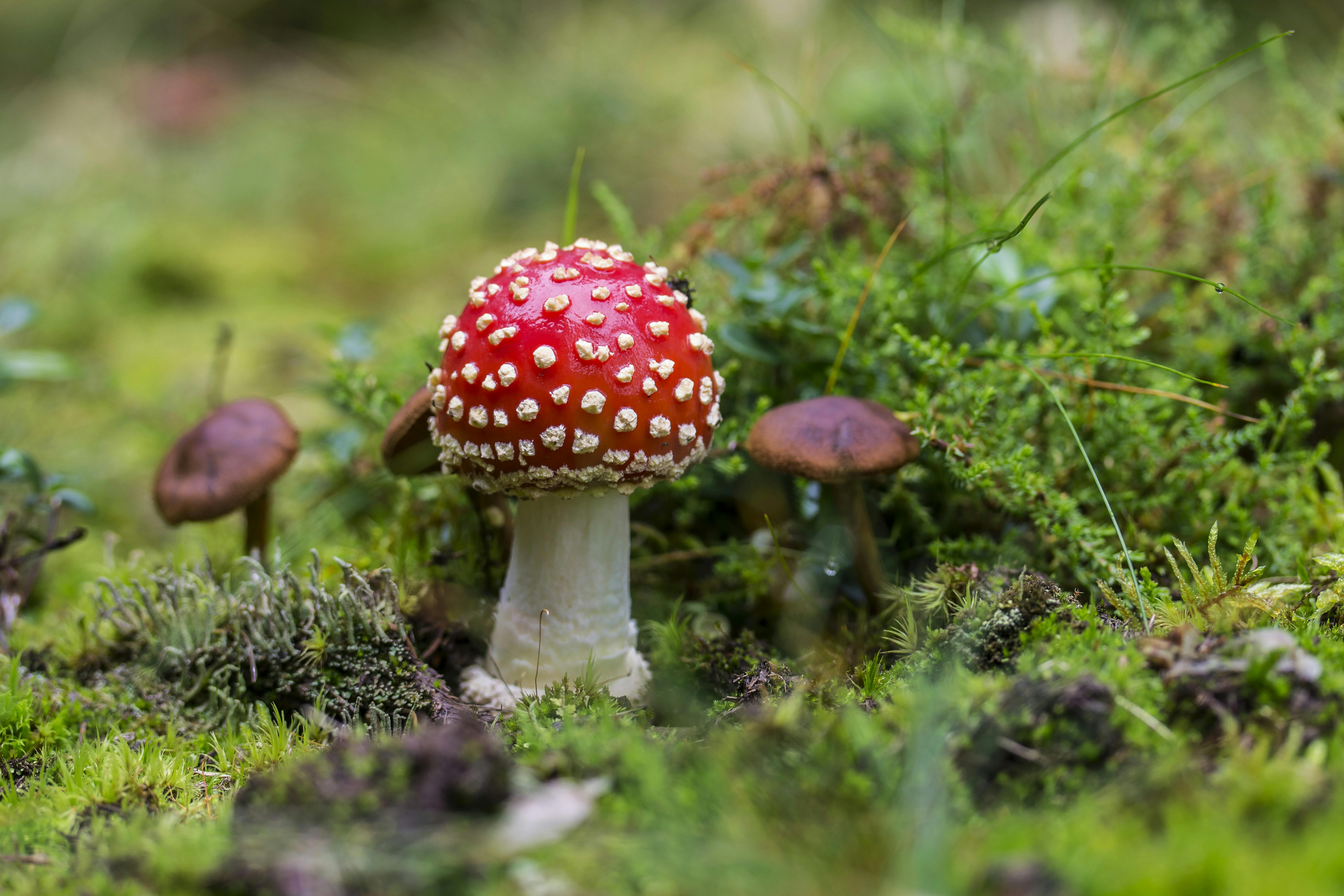
Understanding seasonal patterns is essential for successful foraging. Spring brings ramps, morels, and tender young greens. Summer offers chanterelles, chicken of the woods, and various edible flowers. Fall produces porcini, hen of the woods, and acorns for processing. Even winter provides certain mushrooms in mild climates and evergreen edibles.
These rhythms connect you to natural cycles in ways modern life rarely permits. You’ll notice subtle environmental changes—temperature shifts, rainfall patterns, and phenological markers—that signal when various species emerge. This awareness enriches your relationship with the natural world.
Keeping a foraging journal helps track these patterns. Record what you find, where, and when, along with weather conditions and other environmental observations. Over years, you’ll build invaluable personal knowledge of your local ecosystem.
The journey into forest foraging begins with a single step into the woods. As you develop your identification skills, expand your knowledge, and gain confidence, you’ll discover that these wild ingredients offer more than just novel flavors. They provide connection—to nature, to food traditions, to seasonal rhythms, and to a more mindful way of eating. The perfect pairing of edible fungi and wild greens represents just the beginning of a culinary adventure that can last a lifetime, offering new discoveries, flavors, and experiences with each season. Start small, learn thoroughly, harvest responsibly, and let the forest become your most inspiring kitchen garden.