Seasonal foraging transforms the way we experience food, connecting us intimately with nature’s rhythms while unlocking extraordinary culinary possibilities waiting just beyond our doorstep.

🌿 Understanding the Art of Seasonal Foraging
The ancient practice of foraging has experienced a remarkable renaissance in contemporary culinary culture. As more people seek authentic connections with their food sources, seasonal foraging offers a profound way to engage with local ecosystems while discovering ingredients that grocery stores simply cannot provide. This practice goes far beyond merely collecting wild edibles—it represents a complete philosophy of eating that honors natural cycles, regional biodiversity, and the intimate relationship between landscape and plate.
Foraging frameworks provide structured approaches to identifying, harvesting, and pairing wild ingredients throughout the year. These systems help both beginners and experienced foragers maximize their seasonal harvests while developing sophisticated flavor combinations that reflect the unique character of each season. Understanding these frameworks transforms random walks in nature into purposeful culinary expeditions with delicious outcomes.
🍃 Spring: The Season of Tender Greens and Delicate Flavors
Spring foraging brings an explosion of tender shoots, young leaves, and delicate flowers that mark nature’s awakening. This season emphasizes fresh, bright flavors with subtle bitterness that cleanses palates after winter’s heavier foods. The foraging framework for spring focuses on timing—catching ingredients at their most tender stage before they develop tough textures or overwhelming flavors.
Key Spring Foraged Ingredients
Wild ramps emerge as one of spring’s most coveted ingredients, offering garlicky complexity that bridges winter’s bold flavors with spring’s delicate character. Dandelion greens provide pleasant bitterness when harvested young, while violet flowers contribute visual beauty and subtle sweetness. Fiddlehead ferns deliver unique texture and earthy notes, and wild asparagus offers concentrated flavors compared to cultivated varieties.
Foragers should also seek out chickweed, a mild green perfect for salads; wood sorrel with its lemony tang; and nettle, which transforms from stinging nuisance to nutritious delicacy when properly prepared. Each ingredient carries distinct flavor profiles that inform pairing decisions.
Spring Pairing Framework Principles
Spring ingredients pair beautifully with light proteins like fish, eggs, and young poultry. The season’s natural bitterness complements fatty elements—think soft cheeses, cream-based preparations, or quality olive oil. Acidic components such as lemon, vinegar, or fermented products balance spring greens while enhancing their fresh character.
Create successful spring pairings by combining foraged greens with pasta dishes, incorporating them into frittatas, or featuring them in simple sautés with butter and garlic. Wild ramps shine when pickled, pureed into pestos, or simply grilled whole. Violet and dandelion flowers make stunning garnishes for desserts or cocktails, adding both beauty and subtle flavor dimensions.
☀️ Summer: Abundance and Bold Expression
Summer foraging shifts toward berries, edible flowers, and aromatic herbs that thrive under long daylight hours. This season’s framework emphasizes abundance—nature produces generously, allowing foragers to harvest larger quantities while still leaving plenty for wildlife and regeneration. Summer ingredients generally express bolder, sweeter flavors that pair well with grilled foods and outdoor dining.
Summer’s Wild Harvest
Wild berries dominate summer foraging expeditions. Blackberries, raspberries, and blueberries offer familiar flavors with superior intensity compared to cultivated varieties. Elderflowers provide floral aromatics perfect for cordials and syrups, while later in the season, elderberries deliver deep, complex fruit flavors. Wild herbs like oregano, thyme, and mint reach peak potency during summer months.
Purslane, often dismissed as a garden weed, offers succulent leaves rich in omega-3 fatty acids with a mild, slightly lemony taste. Wood sorrel continues through summer, and various edible flowers including nasturtiums, bee balm, and wild roses provide both visual appeal and distinctive flavors ranging from peppery to subtly sweet.
Summer Pairing Strategies
The summer framework builds around contrast and complement. Wild berries pair exceptionally with rich dairy products—think fresh cream, mascarpone, or aged cheeses. Their acidity cuts through fatty meats, making them perfect for savory-sweet sauces accompanying duck, pork, or game. Herbs intensify when paired with grilled vegetables, lending aromatic complexity to simple preparations.
Create infused vinegars using foraged herbs and flowers to preserve summer’s essence for later seasons. Wild berry compotes accompany both breakfast dishes and sophisticated desserts. Elderflower cordial becomes the base for refreshing beverages, while dried herbs maintain their potency throughout winter months. The summer framework encourages preservation techniques that extend seasonal flavors beyond their natural window.
🍂 Autumn: Earthy Depths and Rich Complexity
Autumn foraging introduces nuts, mushrooms, and fruits that carry deeper, earthier flavors reflecting the season’s maturity. The fall framework prioritizes umami-rich ingredients and those with natural sweetness concentrated by shorter days and cooler temperatures. This season rewards patient foragers with some of nature’s most prized culinary treasures.
Autumn’s Foraging Treasures
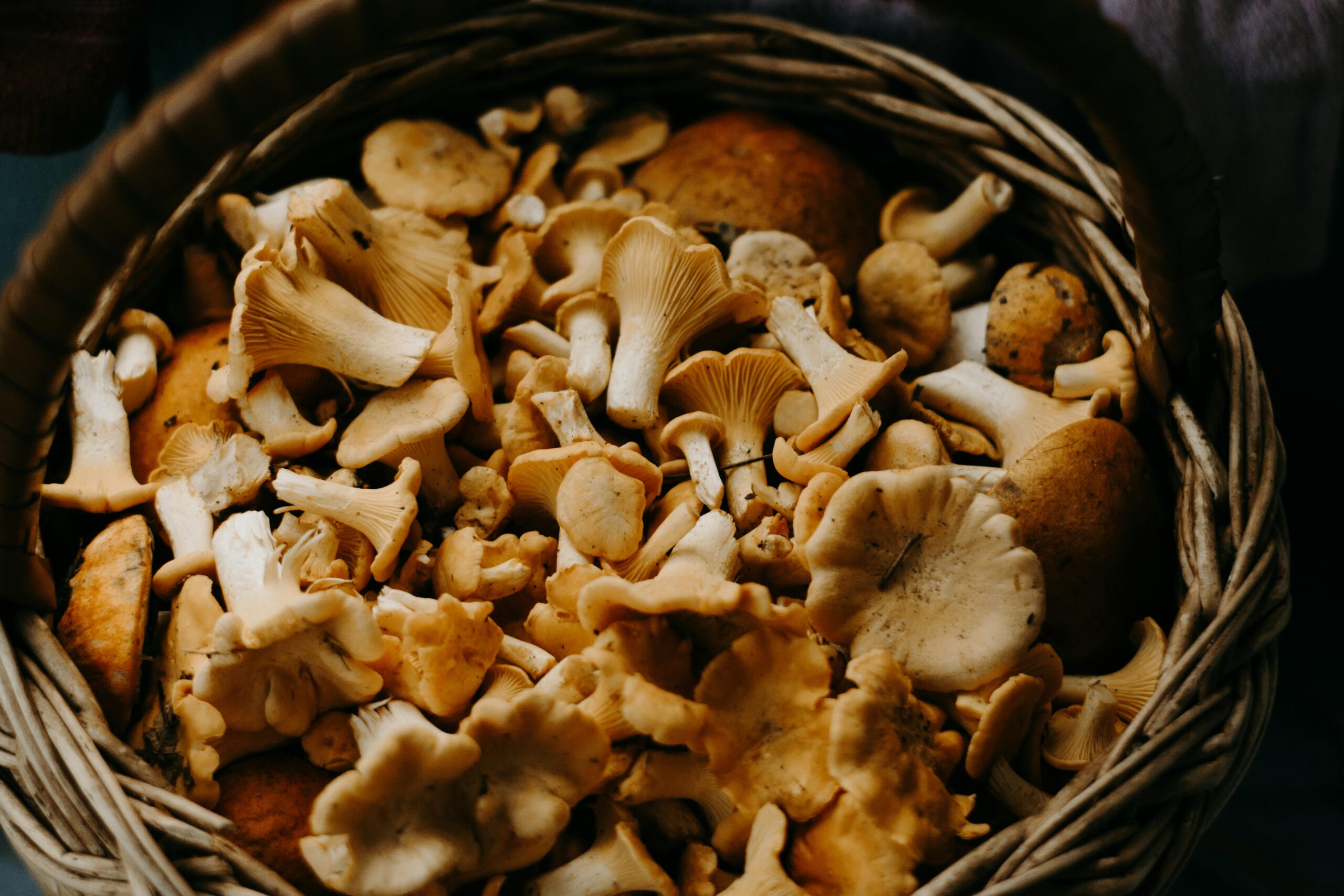
Wild mushrooms represent autumn’s crown jewels—chanterelles, porcini, hen of the woods, and countless other varieties emerge after fall rains. Each species brings unique flavor profiles from nutty to meaty to subtly fruity. Proper identification remains absolutely critical when foraging mushrooms, as toxic varieties exist alongside edible ones.
Acorns, hickory nuts, and wild hazelnuts provide rich, fatty components once properly processed to remove tannins. Rose hips offer vitamin C-rich fruit with tart-sweet complexity. Crab apples, wild plums, and persimmons deliver concentrated fruit flavors perfect for preserves and baking. Jerusalem artichokes grow wild along roadsides, offering nutty tubers that store well through winter.
Autumn Pairing Complexity
The autumn framework embraces layered, complex flavor building. Wild mushrooms pair magnificently with rich proteins—beef, lamb, and game all benefit from mushroom’s umami depth. They also complement cream-based sauces, pasta dishes, and risottos where their earthy flavors can shine without competition.
Foraged nuts work beautifully in both sweet and savory applications. Toast them to intensify flavor, then incorporate into salads, grain dishes, or baked goods. Wild fruit preserves pair with cheese courses, glaze roasted meats, or fill pastries. The season’s ingredients naturally complement warming spices like cinnamon, clove, and allspice, creating harmonious autumn flavor profiles.
Consider roasting foraged ingredients to concentrate their flavors—this technique particularly enhances Jerusalem artichokes, wild nuts, and heartier mushroom varieties. Autumn’s ingredients also excel in slow-cooked preparations like braises and stews where their flavors can meld and develop over extended cooking times.
❄️ Winter: Hidden Gems and Preserved Bounty
Winter foraging challenges conventional assumptions about seasonal availability. While fresh ingredients become scarcer, knowledgeable foragers discover overlooked treasures and rely on preserved items from earlier harvests. The winter framework emphasizes hardy perennials, bark, roots, and creative use of preserved ingredients to maintain connection with wild foods year-round.
Winter’s Resilient Offerings
Pine needles provide vitamin C and aromatic complexity for teas and infusions. Birch bark can be carefully harvested for flavorful syrups. Rose hips persist through early winter, becoming sweeter after frost. Certain mushroom species like oyster mushrooms continue fruiting during mild winter periods. Evergreen herbs including wild rosemary and winter savory remain accessible in many climates.
Root vegetables like burdock and wild parsnips can be dug when ground permits. Cattail roots offer starchy sustenance. Winter also presents ideal time to harvest hardwood for smoking and cooking, adding another dimension to preserved foraged ingredients.
Winter Pairing and Preservation
Winter’s framework relies heavily on ingredients preserved during abundant seasons. Dried mushrooms reconstitute beautifully in broths and braises. Preserved berries emerge from freezers and fermentation crocks to brighten winter dishes. Infused vinegars, oils, and alcohols carry summer’s essence into darker months.
Fresh winter foraged items like pine needles pair well with game meats and rich stews. Their resinous quality cuts through fatty foods while adding aromatic complexity. Root vegetables harvest during winter demand slow-cooking methods that transform their starches into sweet, tender components perfect alongside roasted meats or in hearty soups.
The winter framework also emphasizes planning—successful winter foraging depends on preservation work completed during earlier seasons. Drying, fermenting, freezing, and creating extracts during peak seasons ensures continued access to wild flavors throughout the year.
🎯 Building Your Personal Foraging Framework
Developing a personalized seasonal foraging framework begins with understanding your local ecosystem. Regional variations dramatically affect what grows wild and when it becomes available. Coastal foragers access sea vegetables and beach-dwelling plants, while mountain foragers find alpine species. Desert environments offer entirely different opportunities than temperate forests or grasslands.
Essential Framework Components
Every successful foraging framework includes proper identification skills as its foundation. Invest time learning from experienced foragers, quality field guides, and botanical experts. Many regions offer foraging classes that provide hands-on instruction with knowledgeable guides who can prevent dangerous misidentification.
Develop a seasonal calendar specific to your area, noting when particular species emerge, peak, and decline. This living document evolves as you gain experience and observe climate variations. Record locations of productive foraging sites while keeping detailed notes about harvest timing and abundance patterns.
Establish ethical harvesting practices within your framework. Never take more than you need, always leave plenty for wildlife and regeneration, and avoid foraging in contaminated areas. Learn which plants tolerate harvesting and which require careful techniques to ensure continued growth. Some species should never be harvested due to endangered status or ecological sensitivity.
Flavor Profile Mapping
Create a personal flavor map of foraged ingredients organized by taste categories: bitter, sweet, sour, salty, umami, pungent, and aromatic. Understanding where each wild ingredient falls within these categories guides pairing decisions and recipe development. Note intensity levels—some wild ingredients pack concentrated flavors requiring careful dosing, while others offer subtle nuances best featured in delicate preparations.
Consider texture alongside flavor when building your framework. Tender spring greens suit fresh applications, while hearty autumn mushrooms withstand longer cooking. Crunchy nuts provide textural contrast in smooth purees, and delicate flowers garnish dishes without overwhelming other components.
🍽️ Advanced Pairing Techniques for Foraged Ingredients
Once basic foraging and pairing principles become familiar, advanced techniques unlock even greater culinary potential. These approaches transform good foraged dishes into extraordinary ones by considering multiple dimensions of flavor interaction.
Layering Wild Flavors
Expert foragers build complexity by incorporating multiple wild ingredients within single dishes. A spring pasta might feature wild ramp pesto, sautéed morel mushrooms, and fresh chickweed garnish—each ingredient from the same seasonal window creates harmonious flavor layers rather than conflicting notes.
Consider temporal layering by incorporating preserved ingredients from one season with fresh items from another. Summer berry vinegar might dress autumn wild greens, or dried spring mushrooms could enrich winter stews. This approach connects seasons through flavor, telling stories of the annual cycle on every plate.
Cultural Foraging Traditions
Explore historical and cultural foraging traditions for pairing inspiration. Indigenous communities developed sophisticated relationships with wild foods over millennia, creating time-tested combinations based on both nutrition and flavor. European, Asian, and indigenous American foraging traditions offer frameworks adapted to specific ecosystems and culinary cultures.
Japanese cuisine’s approach to wild mountain vegetables (sansai) provides one model, emphasizing gentle preparation that honors subtle flavors. Italian foraging traditions showcase bold applications of wild ingredients in rustic preparations. Scandinavian foraging culture demonstrates preservation techniques that maintain nutritional value and flavor intensity through long winters.
🌍 Sustainability and the Future of Foraging Frameworks
As foraging gains popularity, sustainability becomes increasingly critical. Responsible frameworks incorporate ecological awareness, ensuring wild populations remain healthy despite increased harvesting pressure. This means understanding plant lifecycles, harvesting methods that encourage regeneration, and recognizing when populations cannot support additional pressure.
Climate change affects foraging frameworks by shifting seasonal timing and altering species distributions. Adaptive foragers monitor these changes, adjusting their seasonal calendars and expanding their identification skills as new species move into their regions while familiar ones potentially decline or migrate.
The future of foraging lies in balancing access with conservation. As more people discover wild foods, education about sustainable practices becomes essential. Frameworks that prioritize ecological health alongside culinary exploration ensure that future generations can also experience the profound connection between landscape and plate that foraging provides.
🔑 Transforming Your Kitchen with Wild Wisdom
Implementing a seasonal foraging framework transforms everyday cooking into an ongoing adventure. Each walk becomes an opportunity to discover ingredients that change weekly, even daily. Your kitchen evolves with the seasons, reflecting the landscape’s current expression rather than the static offerings of commercial agriculture.
Start small, focusing on a few easily identified species in your area. As confidence grows, gradually expand your repertoire. Document successes and failures, building personal knowledge that cannot be found in any book. Share discoveries with fellow foragers, contributing to community knowledge while learning from others’ experiences.
The true magic of seasonal foraging frameworks lies not just in the delicious ingredients they help you gather, but in the deeper relationship with nature they cultivate. Understanding what grows wild in each season connects you to place in ways that transform how you experience the world. Every meal becomes a celebration of specific moments in time—the exact intersection of weather, ecology, and opportunity that brought particular ingredients to your table.
Whether you’re crafting elegant restaurant dishes or simple home meals, seasonal foraging frameworks provide endless inspiration grounded in the authentic flavors of your local landscape. By learning to read nature’s seasonal signs and pair wild ingredients thoughtfully, you unlock culinary possibilities that honor both tradition and innovation, connecting past wisdom with present creativity in every bite.