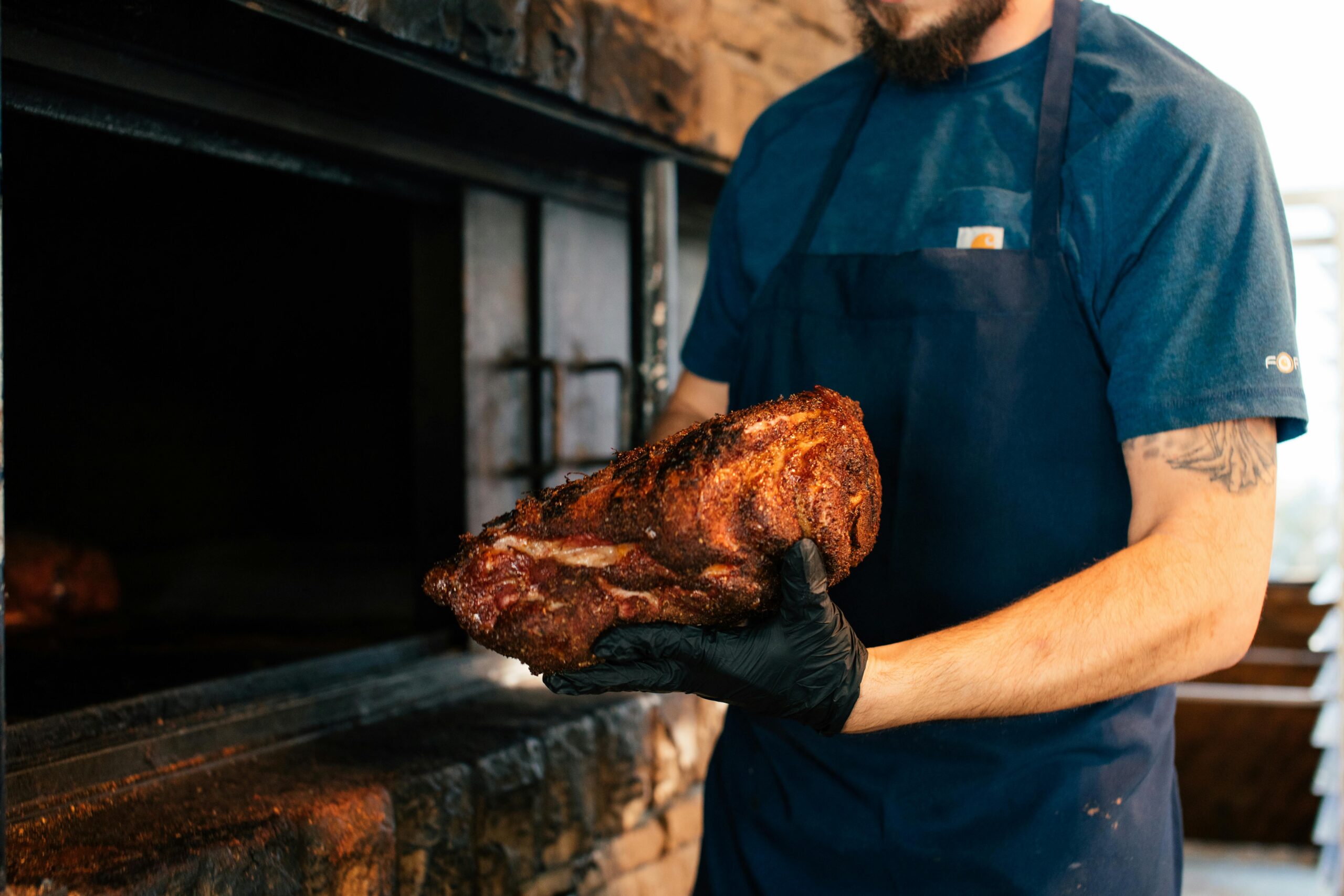
Low-heat cooking is transforming home kitchens worldwide, offering healthier meals while keeping energy costs down and maintaining essential nutrients in your favorite dishes. 🍳

The art of cooking at lower temperatures has been practiced for centuries across various cultures, yet it’s experiencing a renaissance in modern kitchens. As energy prices soar and health consciousness grows, more people are discovering that turning down the heat doesn’t mean compromising on flavor or food safety. In fact, mastering low-heat cooking techniques can elevate your culinary skills while protecting both your wallet and your well-being.
Whether you’re a novice cook or an experienced home chef, understanding how to work with lower temperatures opens up a world of possibilities. From tender meats that fall off the bone to vegetables that retain their vibrant colors and nutritional value, low-heat methods deliver results that high-temperature cooking simply cannot match. This comprehensive guide will walk you through everything you need to know about staying cool and safe while exploring the benefits of gentle cooking methods.
Why Low-Heat Cooking Deserves Your Attention 🌡️
Low-heat cooking isn’t just a trendy technique—it’s a fundamental approach that offers multiple advantages for your health, budget, and culinary outcomes. When you cook food slowly at moderate temperatures, you preserve more vitamins and minerals that would otherwise be destroyed by intense heat. Water-soluble vitamins like vitamin C and B-complex vitamins are particularly sensitive to high temperatures, making low-heat methods ideal for nutritional preservation.
Beyond nutrition, cooking at lower temperatures reduces the formation of harmful compounds. High-heat cooking can create acrylamides in starchy foods and advanced glycation end products (AGEs) in proteins, both of which have been linked to health concerns. By keeping temperatures moderate, you minimize these risks while still achieving delicious results that satisfy your taste buds.
Energy efficiency is another compelling reason to embrace lower temperatures. Your stove, oven, and kitchen appliances consume less electricity or gas when operating at reduced settings, translating to lower utility bills over time. Additionally, cooking at lower heat keeps your kitchen cooler during warm months, reducing the burden on your air conditioning system and creating a more comfortable cooking environment.
Essential Low-Heat Cooking Techniques That Work
Mastering several key techniques will set you up for success in your low-heat cooking journey. Each method has its own characteristics and ideal applications, giving you flexibility in how you approach different ingredients and recipes.
Slow Braising for Tender Perfection
Braising involves cooking food slowly in a small amount of liquid at temperatures between 250-325°F (120-160°C). This technique works beautifully with tougher cuts of meat, transforming them into tender, flavorful dishes. The low, moist heat breaks down collagen and connective tissue gradually, resulting in meat that’s succulent and easy to shred. Braising also works wonderfully with root vegetables and hearty greens, infusing them with the flavors of your cooking liquid.
To braise successfully, start by searing your protein or vegetables briefly to develop flavor, then add liquid (stock, wine, or water) to come about halfway up the food. Cover tightly and maintain a gentle simmer either on the stovetop or in the oven. The key is patience—true braising takes time, typically 2-4 hours depending on what you’re cooking.
Poaching: The Gentlest Cooking Method
Poaching involves cooking food in liquid at temperatures between 160-180°F (70-80°C), well below boiling point. This ultra-gentle method is perfect for delicate foods like fish, chicken breasts, eggs, and fruits. The low temperature ensures that proteins don’t toughen and delicate items maintain their shape and texture.
The liquid you choose for poaching adds flavor to your food, so consider using seasoned water, broth, wine, or milk depending on your recipe. The surface of the poaching liquid should barely shimmer with small bubbles occasionally breaking the surface—if you see vigorous bubbling, your heat is too high.
Sous Vide: Precision Temperature Control
Sous vide cooking involves sealing food in airtight bags and cooking it in a temperature-controlled water bath. This method offers unprecedented precision, allowing you to cook food to exact doneness throughout. While sous vide equipment represents an investment, it’s becoming increasingly affordable and offers remarkable consistency for everything from steaks to vegetables to desserts.
The beauty of sous vide lies in its forgiveness—because food cooks at its target temperature, you have a much wider window of perfection compared to traditional methods. A steak cooked sous vide at 130°F (54°C) will be medium-rare throughout, whether you leave it for one hour or three hours.
Safety First: Navigating the Low-Temperature Danger Zone 🛡️
While low-heat cooking offers numerous benefits, food safety must remain your top priority. Bacteria multiply rapidly in the “danger zone” between 40-140°F (4-60°C), so understanding how to navigate these temperatures safely is crucial for preventing foodborne illness.
The key to safe low-temperature cooking is time-temperature relationships. While higher temperatures kill bacteria quickly, lower temperatures can achieve the same pasteurization effect if maintained for longer periods. For example, chicken is considered safe at 165°F (74°C) when held for just a few seconds, but it’s equally safe at 145°F (63°C) when held for 8.4 minutes.
Always use a reliable food thermometer to monitor internal temperatures. Digital instant-read thermometers are inexpensive and essential tools for any cook practicing low-heat methods. Insert the thermometer into the thickest part of the food, avoiding bones which conduct heat differently than meat.
Meat and Poultry Temperature Guidelines
Different proteins require different minimum internal temperatures to be considered safe. Ground meats should reach 160°F (71°C), while whole cuts of beef, pork, and lamb are safe at 145°F (63°C) followed by a three-minute rest time. Poultry requires higher temperatures—165°F (74°C) for all cuts including ground turkey and chicken.
When cooking at lower temperatures for extended periods, these guidelines shift. Consult reliable resources or sous vide cooking charts that detail safe time-temperature combinations for various proteins. This scientific approach allows you to achieve different textures while maintaining food safety.
Equipment That Makes Low-Heat Cooking Easier
Having the right tools significantly improves your low-heat cooking experience. While you don’t need specialized equipment for many techniques, certain items can enhance your results and make the process more convenient.
A heavy-bottomed pot or Dutch oven is invaluable for braising and slow cooking on the stovetop. The thick base distributes heat evenly and prevents hot spots that could cause scorching. Cast iron and enameled cast iron excel at maintaining steady temperatures, making them ideal for low-heat applications.
A slow cooker or crockpot automates the low-heat cooking process, allowing you to prepare meals with minimal supervision. Modern programmable models offer precise temperature control and automatic switching to warming mode, perfect for busy households. These appliances maintain temperatures between 170-280°F (77-138°C), ideal for breaking down tough cuts and developing deep flavors.
An instant-read thermometer remains your most important safety tool. Digital models provide quick, accurate readings that help you monitor doneness without relying on guesswork. Some advanced thermometers offer wireless monitoring, alerting you when food reaches target temperatures—particularly useful for longer cooking sessions.
Flavor Development at Lower Temperatures 🍲
One concern people have about low-heat cooking is whether it can develop the rich, complex flavors associated with traditional high-heat methods. The truth is that low-temperature cooking excels at flavor development, though it works differently than searing or roasting at high heat.
The Maillard reaction, which creates browned flavors and aromas, does occur at lower temperatures—it just takes longer. While a high-heat sear triggers rapid Maillard reactions on the surface, prolonged cooking at moderate temperatures allows these reactions to develop throughout the food, creating deeper, more nuanced flavors.
Low-heat cooking also gives aromatics and spices more time to infuse into your dishes. Garlic, onions, herbs, and spices release their flavors gradually, melding together harmoniously rather than competing for attention. This is why slow-cooked stews and braises often taste even better the next day—the extended cooking time allows flavors to marry completely.
Layering Flavors for Maximum Impact
To maximize flavor in low-heat cooking, focus on layering. Start by building a flavor base with aromatics like onions, carrots, and celery. Add herbs and spices at different stages—hardy herbs like rosemary and thyme can go in early, while delicate herbs like basil and parsley should be added near the end. Acids like wine, vinegar, or citrus juice brighten dishes and should be adjusted to taste before serving.
Don’t skip the browning step when recipes call for it. A quick sear before braising or slow cooking creates flavor compounds that enhance the final dish significantly. This initial high-heat step doesn’t contradict low-heat principles—it complements them by adding another layer of complexity.
Vegetables That Shine with Gentle Heat 🥕
While high-heat roasting has dominated vegetable preparation in recent years, low-heat methods offer advantages for many types of produce. Gentle cooking preserves water-soluble nutrients, maintains vibrant colors, and can create silky, luxurious textures impossible to achieve with aggressive heat.
Root vegetables like carrots, parsnips, turnips, and beets become incredibly sweet when cooked slowly. The extended cooking time allows enzymes to convert starches into sugars, intensifying natural sweetness without adding sugar. Try slow-roasting root vegetables at 275°F (135°C) for 90 minutes, tossed with olive oil and herbs, for a revelation in vegetable preparation.
Alliums including onions, leeks, and shallots undergo magical transformations at low temperatures. Caramelizing onions properly takes 45-60 minutes over low heat, but the resulting sweet, jammy texture and deep golden color are worth every minute. This patient approach prevents burning and creates consistent results every time.
Leafy greens like spinach, chard, and kale benefit from gentle wilting rather than aggressive cooking. Low heat preserves their nutritional content while eliminating bitterness, especially when cooked with a small amount of liquid and aromatics.
Low-Heat Baking and Desserts 🧁
The principles of low-heat cooking extend beautifully into baking and dessert preparation. Many delicate baked goods benefit from moderate oven temperatures that cook them evenly without over-browning exteriors before interiors are set.
Cheesecakes exemplify the advantages of low-temperature baking. Cooking a cheesecake at 300-325°F (150-160°C) in a water bath produces a creamy, crack-free surface with a smooth texture throughout. Higher temperatures cause rapid expansion and contraction, leading to cracks and grainy textures.
Custards, puddings, and crème brûlée all rely on gentle heat to set properly. Cooking these egg-based desserts too quickly causes curdling as proteins coagulate unevenly. Low oven temperatures or stovetop cooking over simmering water creates silky, luxurious textures that melt on your tongue.
Even cookies and cakes can benefit from temperature adjustments. Lowering your oven temperature by 25°F (14°C) and extending baking time often produces more evenly baked results with better texture and moisture retention.
Timing and Patience: The Low-Heat Mindset ⏰
Perhaps the biggest adjustment when adopting low-heat cooking is mental rather than technical. Our culture celebrates speed and efficiency, but exceptional food often requires time. Embracing low-heat methods means planning ahead and resisting the urge to crank up the temperature for faster results.
The good news is that most low-heat cooking is largely hands-off. Once you’ve prepared ingredients and set your temperature, the cooking process requires minimal intervention. This frees you to focus on other tasks, spend time with family, or simply relax while dinner takes care of itself.
Consider batch cooking as a strategy for incorporating low-heat methods into a busy schedule. Dedicate a few hours on weekends to braise several pounds of meat, slow-cook large batches of beans, or prepare multiple servings of poached chicken. These components can be portioned and refrigerated or frozen, providing convenient building blocks for quick weeknight meals.
Energy Savings That Add Up 💡
The financial benefits of low-heat cooking extend beyond reduced energy consumption during cooking itself. Keeping your kitchen cooler means less work for your air conditioning system during warm months, compounding your savings. Additionally, low-heat methods often use less expensive cuts of meat that become tender through patient cooking, stretching your food budget further.
Slow cookers are particularly energy-efficient, using roughly the same electricity as a 100-watt light bulb even when running for eight hours. Compare this to heating a full-size oven to 400°F (200°C) for an hour, and the savings become clear. For households cooking daily, these differences accumulate into meaningful reductions in utility bills over the course of a year.
Bringing It All Together in Your Kitchen 🏠
Implementing low-heat cooking doesn’t require a complete kitchen overhaul or abandoning other techniques you enjoy. Instead, think of it as expanding your culinary toolkit with methods that offer distinct advantages for certain situations and ingredients.
Start by identifying dishes in your regular rotation that might benefit from gentler heat. That chicken breast that always seems dry could be perfect for poaching. Those tough pork shoulder pieces could transform into pulled pork with slow braising. Your vegetables might taste sweeter and more vibrant with patient, low-temperature roasting.
Experiment with one new technique at a time, giving yourself permission to learn through trial and error. Pay attention to how different foods respond to various temperatures and cooking times. Keep notes on particularly successful combinations so you can replicate them in the future.
Remember that low-heat cooking is ultimately about achieving better results, not about rigid adherence to dogma. Some dishes absolutely benefit from high heat, and there’s no reason to avoid those techniques. The goal is to use the right tool for each job, and now you have additional options for creating delicious, nutritious meals while staying cool and safe in your kitchen.
As you develop comfort with these methods, you’ll find that low-heat cooking becomes intuitive rather than intimidating. Your food will taste better, your kitchen will stay more comfortable, and you’ll have the satisfaction of knowing you’re preparing meals that nourish your body while treating ingredients with the respect they deserve. The path to culinary excellence isn’t always about intensity—sometimes the most remarkable transformations happen when we simply turn down the heat and let time work its magic.