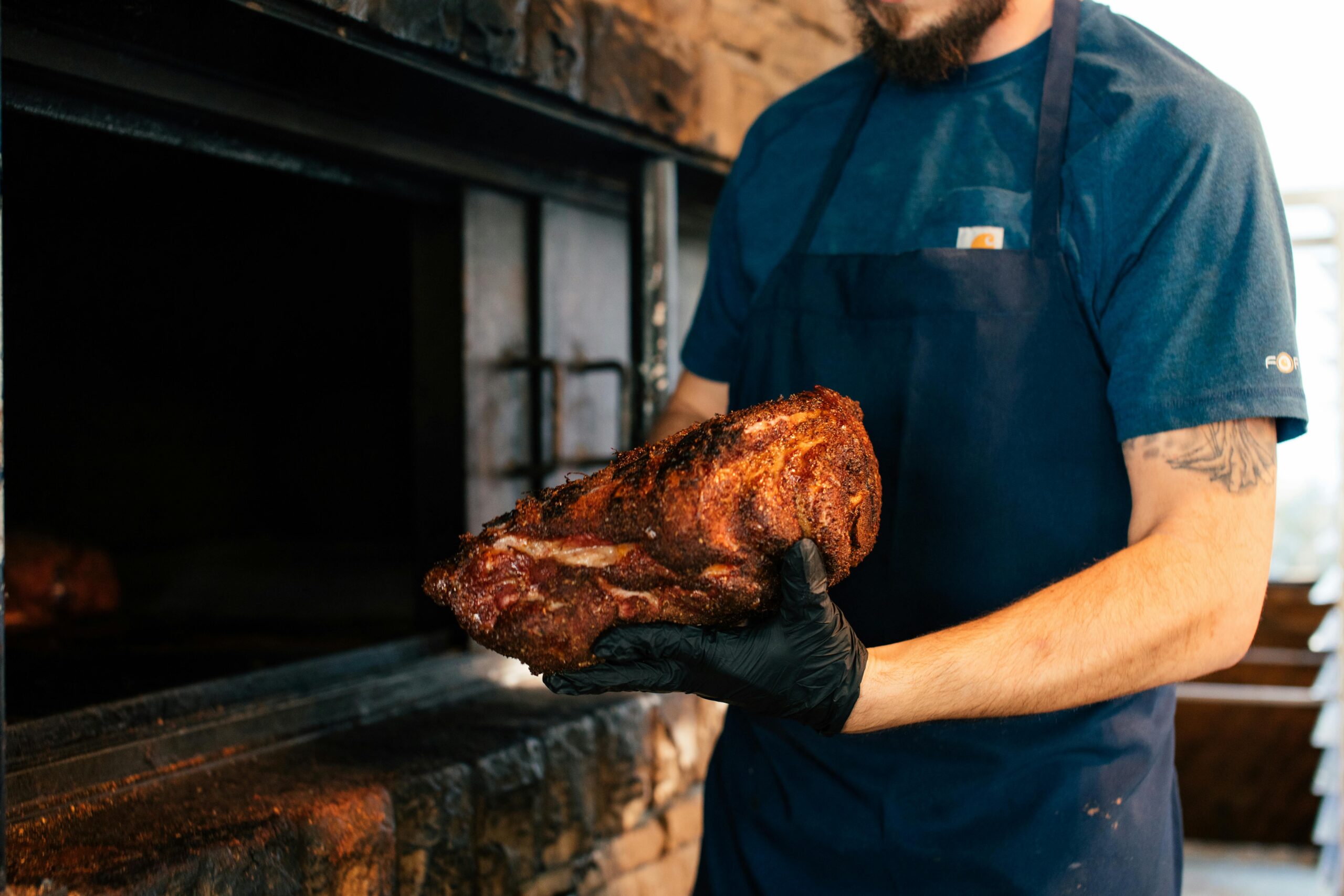
Discover how ancient cooking methods can transform your kitchen into a flavor laboratory, combining the art of fermentation without fire and slow cooking techniques to create extraordinary meals.

🔥 The Renaissance of Traditional Cooking Methods
In our fast-paced world dominated by microwaves and instant meals, there’s a growing movement back to time-honored cooking techniques that prioritize flavor, nutrition, and culinary craftsmanship. Fireless fermentation and slow cooking represent two pillars of this culinary revolution, offering home cooks and professional chefs alike the opportunity to unlock complex flavors that simply cannot be rushed.
These methods aren’t just trends—they’re returns to practices that sustained civilizations for millennia. Before modern conveniences, our ancestors understood that patience in the kitchen yielded rewards far beyond mere sustenance. Today, science confirms what tradition always knew: slow processes develop deeper flavors, preserve nutrients, and create textures impossible to achieve through quick cooking methods.
Understanding Fireless Fermentation: Nature’s Flavor Factory
Fireless fermentation is the process of allowing beneficial microorganisms to transform raw ingredients into complex, flavorful foods without applying heat. This ancient preservation technique has given us everything from sauerkraut and kimchi to yogurt and sourdough bread.
The magic happens when bacteria, yeasts, and other microorganisms break down sugars and starches in food, producing lactic acid, alcohol, and various aromatic compounds. This biochemical transformation not only preserves food but dramatically enhances its nutritional profile and taste complexity.
The Science Behind Cold Fermentation
When you ferment foods without heat, you’re essentially cultivating a microscopic ecosystem. Lactobacillus bacteria dominate most vegetable fermentations, converting sugars into lactic acid. This acidification creates an environment hostile to harmful bacteria while developing tangy, complex flavors that dance on your palate.
Temperature control is crucial in fireless fermentation. Most fermentation processes thrive between 60-75°F (15-24°C). At these temperatures, beneficial bacteria multiply rapidly while undesirable microorganisms remain dormant. The result? Safe, probiotic-rich foods bursting with umami and depth.
🥘 Slow Cooking: The Art of Patient Perfection
Slow cooking operates on a fundamentally different principle than fermentation, yet shares the same philosophy: good things come to those who wait. Whether using a traditional Dutch oven, modern slow cooker, or sous vide setup, low-and-slow cooking methods transform tough cuts of meat into tender masterpieces and allow flavors to meld in ways impossible at high temperatures.
The science of slow cooking revolves around collagen breakdown and flavor development through the Maillard reaction and caramelization. When proteins and tough connective tissues are exposed to gentle, prolonged heat, they gradually break down into gelatin and amino acids, creating that melt-in-your-mouth texture we crave.
Temperature Zones That Matter
Understanding cooking temperatures unlocks the secret to perfect slow-cooked dishes. Most slow cooking happens between 170-280°F (77-138°C), well below the boiling point of water. This gentle heat allows enzymes to work their magic before being deactivated, tenderizing meat while preserving moisture.
At these temperatures, tough collagen slowly converts to gelatin over 6-12 hours, creating silky sauces and fork-tender proteins. Meanwhile, vegetables soften gradually, releasing their natural sugars and developing caramelized notes without burning.
The Nutritional Advantages: Beyond Just Taste
Both fireless fermentation and slow cooking offer remarkable nutritional benefits that extend far beyond their flavor contributions. These methods don’t just make food taste better—they make it better for you.
Fermentation’s Probiotic Power 🦠
Fermented foods are living foods, teeming with beneficial bacteria that support digestive health and immune function. Regular consumption of fermented vegetables, dairy, and grains has been linked to improved gut microbiome diversity, which influences everything from mood to metabolism.
Fermentation also increases nutrient bioavailability. The microbial action breaks down anti-nutrients like phytates and oxalates, making minerals more accessible to our bodies. Vitamins, particularly B vitamins and vitamin K2, are often produced during fermentation, enriching the final product beyond the raw ingredients.
Slow Cooking’s Nutrient Preservation
Contrary to popular belief, slow cooking can actually preserve more nutrients than high-heat methods. Water-soluble vitamins that would normally escape with steam are retained in the cooking liquid, which becomes part of the final dish. The closed environment of most slow cookers prevents oxidation and nutrient loss.
Additionally, slow cooking makes certain nutrients more digestible. Lycopene in tomatoes becomes more bioavailable with extended cooking, and the breakdown of tough plant cell walls makes fiber more digestible while maintaining its beneficial properties.
💡 Practical Applications: Getting Started in Your Kitchen
Implementing these techniques doesn’t require professional equipment or culinary school training. With basic knowledge and minimal investment, anyone can begin exploring these flavor-enhancing methods.
Essential Equipment for Fermentation
Starting a fermentation practice requires surprisingly little equipment. Glass jars, sea salt, and fresh vegetables are the basics for vegetable fermentation. Fermentation weights keep vegetables submerged in brine, and airlocks prevent contamination while allowing gases to escape.
For those serious about fermentation, a temperature-controlled environment helps maintain consistency. A cool basement, dedicated refrigerator, or even a fermentation chamber made from a modified cooler can provide ideal conditions year-round.
Slow Cooking Tools and Techniques
The modern slow cooker or Crock-Pot remains the most accessible entry point for slow cooking. These countertop appliances maintain consistent low temperatures for hours without supervision, perfect for working families and busy professionals.
However, don’t overlook traditional methods. A heavy Dutch oven in a low-temperature oven (250-300°F) offers superior results for many dishes, with better browning capabilities and more even heat distribution. Cast iron provides thermal mass that stabilizes temperature fluctuations.
Flavor Profiles: A Comparative Journey
Understanding how these methods develop distinct flavor profiles helps you choose the right technique for your desired outcome. Each method creates a unique taste signature that can elevate simple ingredients into memorable dishes.
| Method | Flavor Characteristics | Best Applications | Time Required |
|---|---|---|---|
| Fireless Fermentation | Tangy, funky, complex, umami-rich | Vegetables, dairy, grains, beverages | 3 days to 6 months |
| Slow Cooking | Deep, mellow, concentrated, savory | Tough meats, stews, braises, beans | 4-12 hours |
| Combined Methods | Layered complexity with bright notes | Fusion dishes, gourmet preparations | Variable |
🌟 Combining Techniques for Ultimate Flavor
The most exciting culinary discoveries happen when you combine fermentation and slow cooking in single dishes. Imagine a slow-braised pork shoulder finished with a fermented chili paste, or a beef stew enriched with fermented vegetable stock. These combinations create flavor dimensions impossible to achieve through either method alone.
Korean cuisine offers brilliant examples of this synergy. Kimchi jjigae, a traditional stew, slow-simmers fermented kimchi with pork and tofu, marrying the tangy complexity of fermentation with the deep richness of slow cooking. The result transcends the sum of its parts.
Strategic Flavor Layering
When combining these techniques, timing matters. Add fermented ingredients early in slow cooking to mellow their sharpness while distributing their complexity throughout the dish. Alternatively, finish slow-cooked dishes with fresh fermented toppings to provide bright, contrasting notes against rich, developed flavors.
Consider marinating proteins in fermented pastes before slow cooking. The enzymes in fermented marinades pre-tenderize meat while infusing flavor deep into the tissue. This double-tenderizing effect—enzymatic and thermal—creates exceptionally succulent results.
Common Mistakes and How to Avoid Them
Even simple techniques can go wrong without proper understanding. Avoiding common pitfalls ensures consistent success and builds confidence in these traditional methods.
Fermentation Failures
- Insufficient salt: Too little salt allows harmful bacteria to outcompete beneficial ones. Use 2-3% salt by weight for vegetable fermentations.
- Oxygen exposure: Vegetables must remain submerged in brine. Exposed portions develop mold and off-flavors.
- Temperature extremes: Too warm accelerates fermentation unpredictably; too cold stalls it completely. Aim for consistent room temperature.
- Impatience: Rushing fermentation produces underdeveloped flavors. Most ferments need at least 5-7 days to develop properly.
Slow Cooking Stumbles
- Overcrowding: Filling slow cookers beyond two-thirds capacity prevents proper heat circulation and extends cooking times unpredictably.
- Lifting the lid: Each peek releases heat and adds 15-30 minutes to cooking time. Trust the process and resist temptation.
- Wrong cuts of meat: Lean cuts dry out during slow cooking. Choose well-marbled, tough cuts with lots of connective tissue.
- Adding dairy too early: Milk, cream, and cheese can curdle during extended cooking. Add them in the final 30 minutes.
🍽️ Recipe Inspiration: Putting Theory into Practice
Understanding principles means nothing without application. These recipe frameworks demonstrate how to implement fireless fermentation and slow cooking in practical, delicious ways.
Basic Vegetable Ferment Framework
Start with 2 pounds of vegetables (cabbage, radishes, carrots, or combinations). Massage with 1-2 tablespoons sea salt until liquid releases. Pack tightly into a clean jar, ensuring vegetables remain submerged under their own liquid. Ferment at room temperature for 5-14 days, tasting periodically until desired tanginess develops. Refrigerate to slow fermentation.
Universal Slow Cooker Braise Template
Brown 2-3 pounds of tough meat cuts in a skillet. Transfer to slow cooker with aromatics (onions, garlic, herbs), 1-2 cups liquid (broth, wine, or water), and acid (tomatoes, vinegar, or citrus). Cook on low for 8-10 hours until meat shreds easily. The resulting dish can be anything from pot roast to pulled pork, depending on seasonings and proteins chosen.
The Economic and Environmental Case
Beyond flavor and nutrition, these cooking methods offer practical benefits for your budget and the planet. In an era of rising food costs and environmental concerns, traditional techniques provide sustainable solutions.
Fermentation extends the shelf life of seasonal produce, reducing food waste while capturing peak flavors. That cabbage abundance in autumn becomes sauerkraut that lasts until spring. Slow cooking transforms inexpensive, tough cuts of meat into restaurant-quality meals, making premium flavor accessible on a budget.
Energy consumption for slow cooking, while extended, uses less electricity than conventional ovens due to lower temperatures. A slow cooker typically uses 75-150 watts over 8 hours—roughly equivalent to running a light bulb. Fermentation uses zero energy beyond the initial heating of brine water, if required.
Cultural Wisdom: Learning from Global Traditions
Every cuisine on Earth has developed fermentation and slow cooking traditions adapted to local ingredients and climates. Exploring these cultural techniques broadens your culinary repertoire while connecting you to human heritage.
Japanese miso fermentation transforms soybeans over months into complex umami paste. Ethiopian injera bread relies on teff fermentation for its distinctive sour flavor. These aren’t merely recipes—they’re cultural touchstones that have sustained communities for generations.
Similarly, slow cooking manifests differently across cultures: French confit, American barbecue, Indian dum cooking, and Chinese red braising all apply low-and-slow principles to create signature dishes that define regional identities.
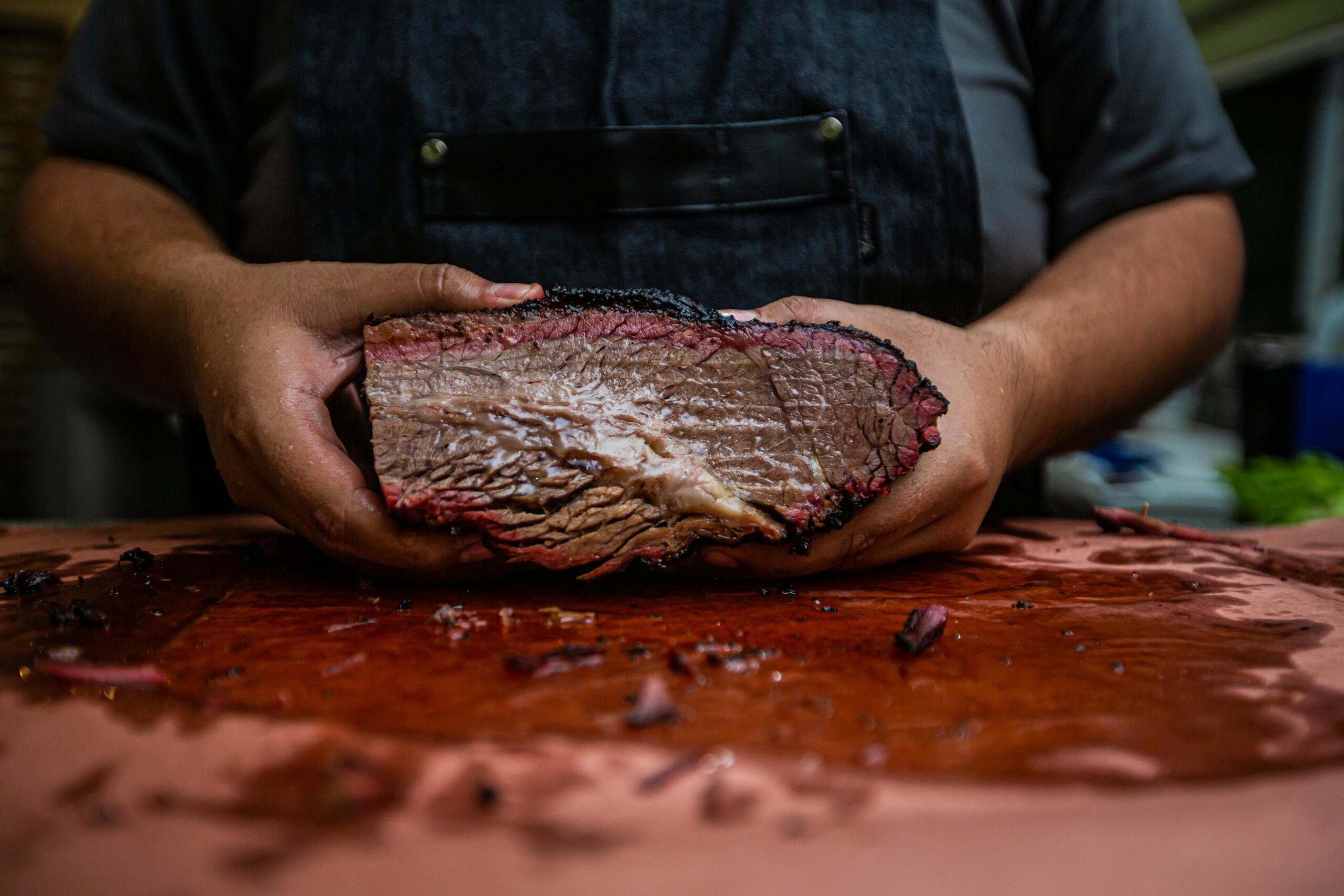
🎯 Moving Forward: Your Flavor Journey Begins
Mastering fireless fermentation and slow cooking isn’t about perfection—it’s about exploration, patience, and developing an intuitive understanding of how time transforms food. Start with simple projects: a jar of pickled vegetables, a pot of slow-cooked beans, or a basic sauerkraut.
As your confidence grows, experiment with combinations and variations. Try fermented hot sauces, slow-cooked stocks enriched with fermented vegetables, or elaborate dishes that showcase both techniques. Document your experiments, noting what works and what needs adjustment.
The beauty of these methods lies in their forgiving nature. Unlike high-heat cooking where seconds can mean the difference between perfect and ruined, fermentation and slow cooking offer generous windows for success. You’re working with natural processes that have been refined over millennia—trust them, and they’ll reward you with flavors that modern shortcuts simply cannot match.
Your kitchen holds the potential to become a flavor laboratory where time, patience, and traditional wisdom combine to create extraordinary meals. The journey from raw ingredients to transformed deliciousness is as rewarding as the final dish itself. Embrace these ancient techniques, and you’ll discover that the best flavors cannot be rushed—they must be unlocked through the timeless arts of fermentation and slow cooking.