Emergency preparedness isn’t just about survival—it’s about maintaining comfort, nutrition, and morale when disaster strikes. Let’s explore how delicious fireless meals can transform your emergency planning! 🌟

Why Fireless Meals Are Your Emergency Secret Weapon
When power outages, natural disasters, or unexpected emergencies occur, your ability to prepare hot meals may disappear instantly. Traditional emergency planning often overlooks a critical truth: humans need more than just calories to survive—we need meals that nourish both body and spirit. Fireless meals offer the perfect solution, combining convenience, safety, and surprising culinary satisfaction.
The concept of fireless cooking has evolved dramatically from bland survival rations to genuinely appetizing options that require zero heat sources. Whether you’re facing a hurricane, earthquake, winter storm, or any situation where cooking becomes impossible, having a repertoire of delicious no-cook meals can make the difference between merely surviving and actually maintaining quality of life during challenging times.
Beyond the practical benefits, fireless meals eliminate fire hazards during emergencies when gas leaks or structural damage might make traditional cooking dangerous. They conserve precious fuel resources, reduce smoke that could attract unwanted attention in certain scenarios, and require minimal cleanup—a significant advantage when water might be scarce.
Understanding the Fundamentals of No-Cook Emergency Cuisine
Before diving into specific recipes and strategies, it’s essential to understand what makes a fireless meal both safe and satisfying. The foundation rests on three pillars: shelf-stable ingredients, proper storage techniques, and nutritional balance. Each element plays a crucial role in ensuring your emergency food supply remains viable and appealing over extended periods.
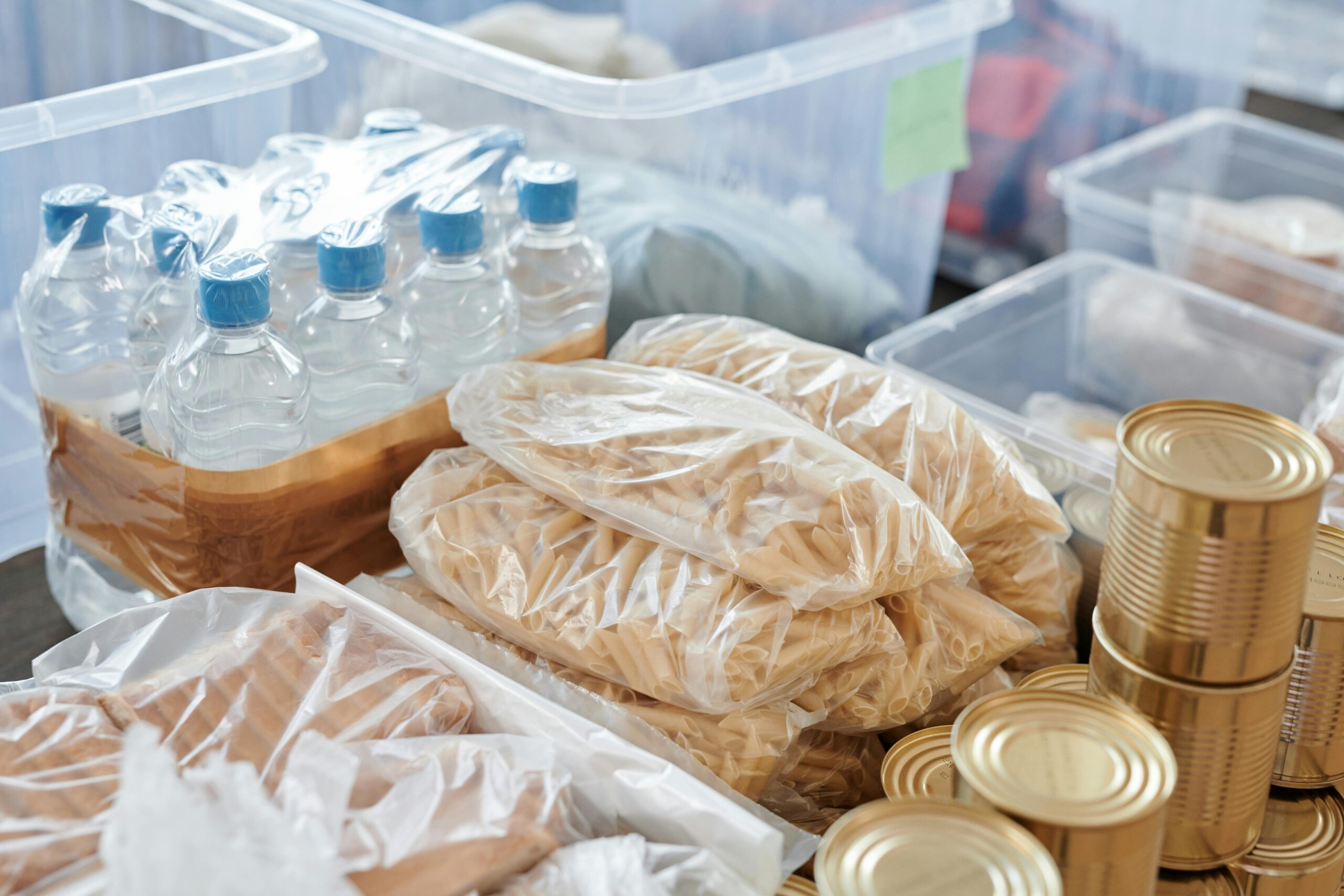
Shelf-stable ingredients include canned goods, dried fruits, nuts, seeds, jerky, crackers, nut butters, and properly stored grains. These items maintain their nutritional value and flavor without refrigeration, making them ideal for emergency situations. The key is selecting high-quality products that you’d genuinely enjoy eating rather than merely tolerating.
Essential Nutrients in Emergency Situations 💪
During stressful emergency situations, your body requires adequate protein, healthy fats, complex carbohydrates, vitamins, and minerals. Fireless meals must deliver these nutrients without compromising on taste. Protein sources like canned tuna, salmon, chicken, beans, and nuts provide sustained energy. Healthy fats from nut butters, seeds, and canned fish support brain function and hormone production—critical during high-stress periods.
Carbohydrates from whole grain crackers, dried fruits, and shelf-stable bread products offer quick energy, while vitamins and minerals from canned vegetables, fruits, and fortified foods support immune function. A well-planned fireless meal strategy ensures you’re not just filling your stomach but genuinely nourishing your body.
Building Your Fireless Pantry: Smart Storage Solutions
Creating an effective fireless meal system begins with thoughtful pantry organization. Your emergency food storage should be accessible, well-organized, and rotated regularly to prevent waste. Consider dividing your supplies into categories: proteins, carbohydrates, fruits and vegetables, condiments and flavor enhancers, and ready-to-eat meals.
Storage containers should be airtight, waterproof, and clearly labeled with contents and expiration dates. Many preppers use the “first in, first out” rotation system, consuming older items in daily life and replacing them with fresh stock. This approach ensures your emergency supply never becomes a collection of expired, unappetizing options.
Temperature and Environment Considerations 🌡️
Even shelf-stable foods have optimal storage conditions. Cool, dry, dark locations extend shelf life significantly. Basements, interior closets, or dedicated pantry spaces work well. Avoid areas subject to temperature fluctuations, high humidity, or direct sunlight, which can degrade food quality rapidly.
Consider climate-specific challenges in your region. Humid climates require extra attention to moisture-proof packaging, while extremely hot environments may necessitate additional cooling strategies or more frequent rotation of temperature-sensitive items like chocolate, oils, and certain canned goods.
Delicious Fireless Meal Ideas That Actually Taste Amazing
Now for the exciting part—meals that prove emergency food doesn’t have to be boring! These recipes require no cooking, minimal preparation, and deliver genuine satisfaction. Each can be customized based on available ingredients and personal preferences.
Mediterranean Chickpea Salad Bowl
Combine canned chickpeas (drained and rinsed), diced canned tomatoes (drained), chopped canned olives, crumbled feta cheese (shelf-stable varieties available), and a drizzle of olive oil with dried herbs like oregano and basil. Serve over crackers or with pita chips. This protein-rich meal provides fiber, healthy fats, and robust Mediterranean flavors that transport you far from emergency circumstances.
Asian-Inspired Tuna Power Bowl
Mix canned tuna with soy sauce packets, sesame oil, dried seaweed snacks (crumbled), and canned mandarin oranges (drained). Add cashews or peanuts for crunch. Serve with rice crackers or directly from the bowl. This combination delivers omega-3 fatty acids, protein, and umami-rich satisfaction that rivals restaurant meals.
Southwest Bean and Corn Fiesta 🌮
Combine canned black beans, canned corn (both drained), salsa (shelf-stable jars), tortilla chips, and shelf-stable cheese. Add hot sauce to taste and top with crushed chips for texture. This meal feels indulgent while providing complete protein, fiber, and the comfort of familiar flavors.
Instant Energy Trail Mix Creation
Create custom trail mixes combining nuts (almonds, cashews, walnuts), dried fruits (cranberries, apricots, raisins), dark chocolate chips, coconut flakes, and seeds (pumpkin, sunflower). Portion into individual servings for quick energy boosts throughout the day. These provide concentrated nutrition in compact, portable packages.
Breakfast Options That Energize Your Emergency Day
Starting your day properly during emergencies sets the tone for maintaining morale and energy levels. Fireless breakfast options can be surprisingly satisfying and nutritionally complete, helping you face challenges with a full stomach and positive mindset.
Overnight oats prepared with shelf-stable milk (powdered or boxed), dried fruits, nuts, and a touch of honey create a creamy, filling breakfast. The oats soften naturally without cooking, creating a texture remarkably similar to cooked oatmeal. Add cinnamon, vanilla extract, or cocoa powder for flavor variations.
Nut butter and banana sandwiches on whole grain bread offer quick energy and sustained satisfaction. If fresh bananas aren’t available, substitute with dried banana chips or other dried fruits. The combination of complex carbohydrates, protein, and healthy fats provides balanced nutrition to power through morning activities.
Parfait Perfection in Challenging Times 🥣
Layer granola, shelf-stable yogurt (or reconstituted powdered yogurt), and canned or dried fruits in a cup or jar. This familiar breakfast format provides comfort, probiotics for digestive health, and enough variety to prevent menu fatigue over extended emergency periods.
Hydration and Beverages Beyond Plain Water
While water remains the foundation of emergency hydration, having flavorful beverage options significantly improves morale and encourages adequate fluid intake. Dehydration during emergencies poses serious health risks, making beverage variety more than mere luxury—it’s a practical safety consideration.
Powdered drink mixes, instant coffee, tea bags, hot chocolate packets (which can be mixed with cold water if necessary), and shelf-stable juice boxes provide options beyond plain water. These beverages offer psychological comfort and can help mask any off-tastes in treated emergency water supplies.
Electrolyte replacement drinks become crucial during hot weather emergencies or situations involving physical exertion. Powdered sports drink mixes, coconut water boxes, and oral rehydration salts help maintain proper electrolyte balance, preventing weakness and confusion that can compound emergency situations.
Food Safety in Fireless Meal Preparation
Even without cooking, food safety principles remain critical during emergencies. Understanding proper handling, storage, and consumption guidelines prevents foodborne illness that could prove devastating when medical resources are limited.
Always inspect canned goods before opening. Bulging, dented, or rusted cans may harbor dangerous bacteria and should be discarded. Once opened, canned foods should be consumed within a reasonable timeframe or stored in clean, covered containers if temperatures allow.
Cleanliness Without Running Water 🧼
Hand hygiene becomes challenging during emergencies with limited water. Stock hand sanitizer, antibacterial wipes, and disposable gloves for food preparation. Use separate utensils for different foods to prevent cross-contamination, and clean surfaces with diluted bleach solution or sanitizing wipes when possible.
Disposable plates, cups, and utensils significantly reduce water needs for cleaning, conserving this precious resource for drinking and cooking if conditions improve. While not environmentally ideal under normal circumstances, during genuine emergencies, disposable items serve important sanitation purposes.
Psychology of Emergency Eating: Why Satisfaction Matters
The psychological impact of food during emergencies deserves serious attention. Familiar, enjoyable meals provide comfort, routine, and normalcy when everything else feels chaotic and uncertain. This mental health aspect of emergency preparedness is often overlooked but critically important for maintaining resilience.
Including favorite snacks, comfort foods, and treats in your emergency supplies isn’t frivolous—it’s strategic. Chocolate, cookies, candy, or whatever brings you joy can significantly boost morale during difficult times. Children especially benefit from familiar foods that provide emotional security alongside nutrition.
Creating meal rituals even during emergencies helps maintain structure and normalcy. Setting regular meal times, gathering family members together, and making food presentation as pleasant as circumstances allow all contribute to psychological wellbeing that supports physical survival.
Special Dietary Considerations in Emergency Planning
Emergency preparedness must accommodate various dietary needs, restrictions, and preferences. Whether managing allergies, following vegetarian or vegan diets, addressing religious dietary laws, or dealing with medical conditions requiring specific nutrition, fireless meal planning can successfully meet these requirements.
Food allergies require extra vigilance in label reading and storage organization. Clearly separate allergen-containing items from safe foods, and consider dedicating specific containers or storage areas to allergen-free supplies. Many companies now produce allergy-friendly shelf-stable foods specifically for emergency preparedness.
Plant-Based Emergency Eating 🌱
Vegetarian and vegan emergency supplies offer excellent variety and nutrition. Canned beans, lentils, chickpeas, and other legumes provide complete protein when combined with grains. Nut butters, seeds, dried fruits, vegetables, and plant-based protein powders round out nutritionally complete plant-based emergency menus.
Vitamin B12 supplementation becomes particularly important for vegans during extended emergencies when fresh food access disappears. Including fortified nutritional yeast, B12 supplements, and fortified plant milks ensures adequate intake of this critical nutrient.
Kids and Fireless Meals: Making Emergency Food Fun
Children require special consideration in emergency meal planning. Beyond meeting their nutritional needs, keeping kids engaged, calm, and willing to eat unfamiliar foods during stressful situations challenges even experienced parents.
Involve children in emergency meal planning before crises occur. Let them select favorite shelf-stable foods, participate in pantry organization, and practice preparing fireless meals during non-emergency times. This familiarity reduces resistance and fear when emergencies actually happen.
Create “make your own” meal options that give children control and engagement. Taco bars with shelf-stable ingredients, build-your-own trail mix stations, or customizable cracker sandwiches transform eating from passive consumption to interactive activity that occupies time and attention during potentially frightening situations.
Budgeting and Cost-Effective Emergency Food Storage
Building comprehensive fireless meal supplies needn’t bankrupt your budget. Strategic shopping, gradual accumulation, and smart storage rotation make emergency preparedness financially accessible regardless of income level.
Purchase items on sale and with coupons, focusing on versatile ingredients that work in multiple recipes. Generic or store brands often match name-brand quality at fraction of the cost. Bulk buying from warehouse stores reduces per-unit costs significantly for families with storage space.
Start small and build gradually. Rather than attempting to purchase a year’s worth of supplies immediately, begin with three days, then one week, then one month of supplies. This phased approach prevents overwhelming upfront costs while steadily building comprehensive preparedness.
Beyond the Basics: Gourmet Fireless Possibilities
Once you’ve mastered basic fireless emergency meals, elevating your options to gourmet territory becomes surprisingly achievable. Quality ingredients, creative combinations, and attention to presentation transform survival food into genuinely pleasurable dining experiences.
Invest in premium canned seafood like sardines, anchovies, smoked oysters, and quality tuna. These products deliver restaurant-quality flavor and nutrition. Combine with artisan crackers, specialty olives, roasted red peppers, and capers for Mediterranean-inspired plates that wouldn’t be out of place at upscale gatherings.
Shelf-stable pesto, sun-dried tomatoes, marinated artichoke hearts, and quality olive oils add sophisticated flavors to simple bases. Even canned chicken becomes elegant when mixed with these ingredients and served on crusty bread or gourmet crackers.
Adapting Your Strategy: Seasonal and Regional Considerations 🌍
Effective emergency preparedness accounts for regional climate patterns and seasonal variations. Hurricane season demands different planning than earthquake preparedness, and winter storms require distinct strategies from summer heat emergencies.
Coastal residents facing hurricane risks should emphasize completely shelf-stable options that survive potential flooding and humidity. Waterproof containers and elevated storage protect supplies from water damage. Include manual can openers, as electric models become useless during extended power outages.
Cold climate residents preparing for winter storms might safely store more temperature-sensitive items outdoors during emergencies, effectively creating natural refrigeration. However, protecting foods from freezing and wildlife access becomes crucial in these situations.
Turning Emergency Skills Into Everyday Advantages
The skills and systems developed for emergency fireless meal preparation offer surprising everyday benefits. These capabilities extend far beyond disaster scenarios into daily life improvements that justify the time and resources invested in preparedness.
Fireless meal knowledge saves money on rushed restaurant meals when you’re too tired to cook. It provides quick solutions for unexpected guests, enables enjoyable camping and outdoor adventures, and creates convenient work lunches that don’t require refrigeration or reheating facilities.
The organizational skills developed through emergency pantry management translate into more efficient everyday kitchen operations, reduced food waste, and better budget control. These practical benefits mean your emergency preparedness investment pays dividends continuously, not just during rare disasters.
Your Delicious Safety Net Awaits
Mastering emergency preparedness through delicious fireless meals transforms disaster planning from dreaded chore into empowering skill development. The confidence that comes from knowing you can feed yourself and loved ones well under any circumstances provides psychological security that extends far beyond the physical supplies themselves.
Start today by selecting a few recipes that appeal to you, purchasing the necessary ingredients, and actually preparing these meals. Practice makes perfect, and familiarity with your emergency food systems ensures smooth operation when stress runs high and circumstances challenge your capabilities.
Remember that emergency preparedness is an ongoing journey rather than a destination. Regularly review and update your supplies, rotate stock to maintain freshness, and continuously refine your strategies based on new products, changing family needs, and lessons learned from practice sessions or actual emergencies.
Your future self—whether facing a major disaster or simply a busy weeknight—will thank you for the time invested in building these skills and supplies. Stay safe, stay satisfied, and embrace the peace of mind that comes from knowing you’re truly prepared for whatever challenges may arise! 🌟