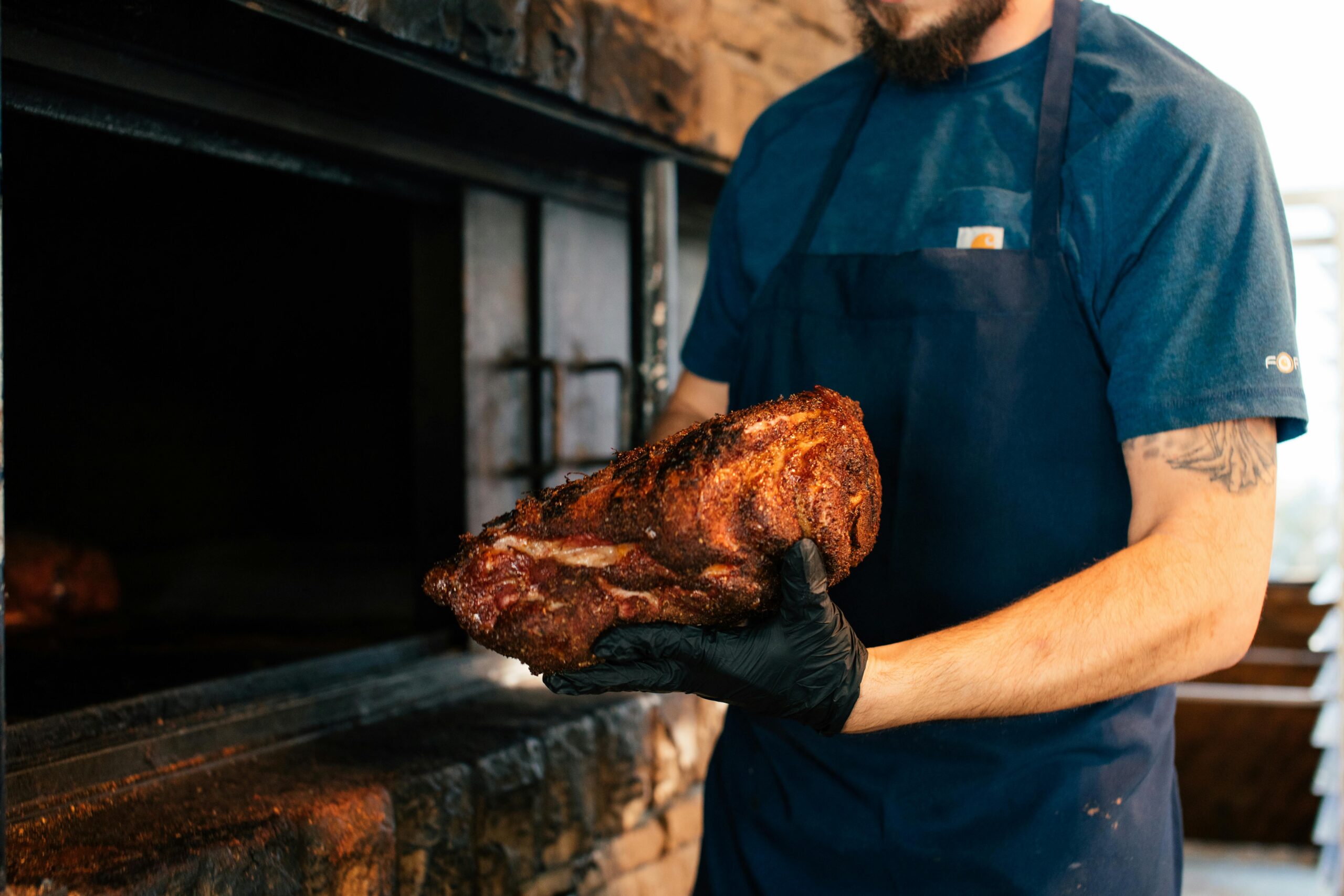
Clay pit cooking is an ancient survival technique that transforms basic ingredients into flavorful, nutrient-rich meals using nothing but earth, fire, and resourcefulness.

🔥 Rediscovering Ancient Fire: Why Clay Pit Cooking Matters in Survival
When civilization’s conveniences disappear, knowing how to prepare food becomes as critical as finding water or shelter. Clay pit cooking represents one of humanity’s oldest culinary methods, utilized by indigenous cultures across continents for thousands of years. This technique doesn’t just cook food—it preserves nutrients, enhances flavors through slow heat distribution, and requires minimal equipment beyond what nature provides.
In survival situations, traditional cooking methods often fail. Carrying pots and pans isn’t practical during emergency evacuations, and modern camping stoves depend on fuel supplies that eventually run out. Clay pit cooking eliminates these dependencies, offering a reliable method that works anywhere you can dig earth and build fire. The technique creates an underground oven where consistent temperatures slowly roast food, producing results that rival conventional cooking while using renewable resources.
Beyond practicality, this cooking method offers psychological benefits during stressful survival scenarios. The ritual of preparing a clay pit, tending the fire, and anticipating a proper meal provides structure and purpose. It transforms survival from mere existence into an opportunity to maintain dignity and comfort through well-prepared food.
🌍 Understanding the Clay Pit Cooking Fundamentals
The basic principle behind clay pit cooking involves creating an insulated cooking chamber underground where heat radiates evenly from all directions. Unlike direct fire cooking that burns exteriors while leaving interiors raw, pit cooking surrounds food with consistent temperature, ensuring thorough cooking without constant attention.
The process begins with selecting appropriate soil. Clay-rich earth works best because it retains heat effectively and forms durable walls that won’t collapse during cooking. Sandy or rocky soil dissipates heat too quickly, while extremely wet ground creates steam that interferes with the cooking process. Ideal locations include riverbanks, hillsides with visible clay deposits, or areas where digging reveals sticky, moldable earth.
Essential Components of a Functional Clay Pit
Every effective clay pit includes several critical elements working together. The pit itself should measure approximately two feet deep and wide enough to accommodate your food with surrounding space for heat circulation. Depth matters because shallow pits lose heat to the surface while excessively deep pits make fire management difficult and waste energy heating unnecessary earth.
The fire bed forms the heart of your cooking system. After digging your pit, you’ll need to line the bottom with rocks that can withstand high temperatures without exploding. Avoid river rocks that may contain moisture pockets, which expand violently when heated. Instead, seek dense stones from dry areas, testing them by heating gradually and listening for cracking sounds.
Insulation layers separate your food from direct contact with hot rocks while allowing heat transfer. Traditional methods use large leaves, seaweed, or grass, though survival situations demand creativity. Whatever material you choose must be non-toxic when heated and sufficiently thick to prevent burning while allowing steam to penetrate the food.
🛠️ Building Your First Survival Clay Pit Step-by-Step
Construction begins with location scouting. Choose ground away from tree roots that could catch fire, with good drainage to prevent water accumulation. Mark a circle approximately three feet in diameter, allowing space for thick earthen walls that retain heat efficiently.
Excavation requires patience and proper technique. Remove soil in layers, setting aside the top organic layer separately from deeper clay-rich earth. The organic layer returns last as final insulation, while clay earth forms your pit walls. As you dig, angle the walls slightly inward, creating a dome shape that naturally concentrates heat downward toward the food.
Once excavated, line the pit bottom with your heat-safe stones, creating a flat surface with minimal gaps. These rocks serve as thermal mass, absorbing fire heat and releasing it slowly during cooking. A proper rock layer measures at least four inches thick, ensuring sufficient heat capacity for extended cooking sessions.
Fire Management for Optimal Cooking Temperature
Building the right fire separates mediocre results from exceptional meals. Start by gathering hardwoods that burn hot and produce long-lasting coals. Oak, hickory, maple, and fruit woods work excellently, while softwoods like pine burn too quickly and create excessive smoke that can flavor food unpleasantly.
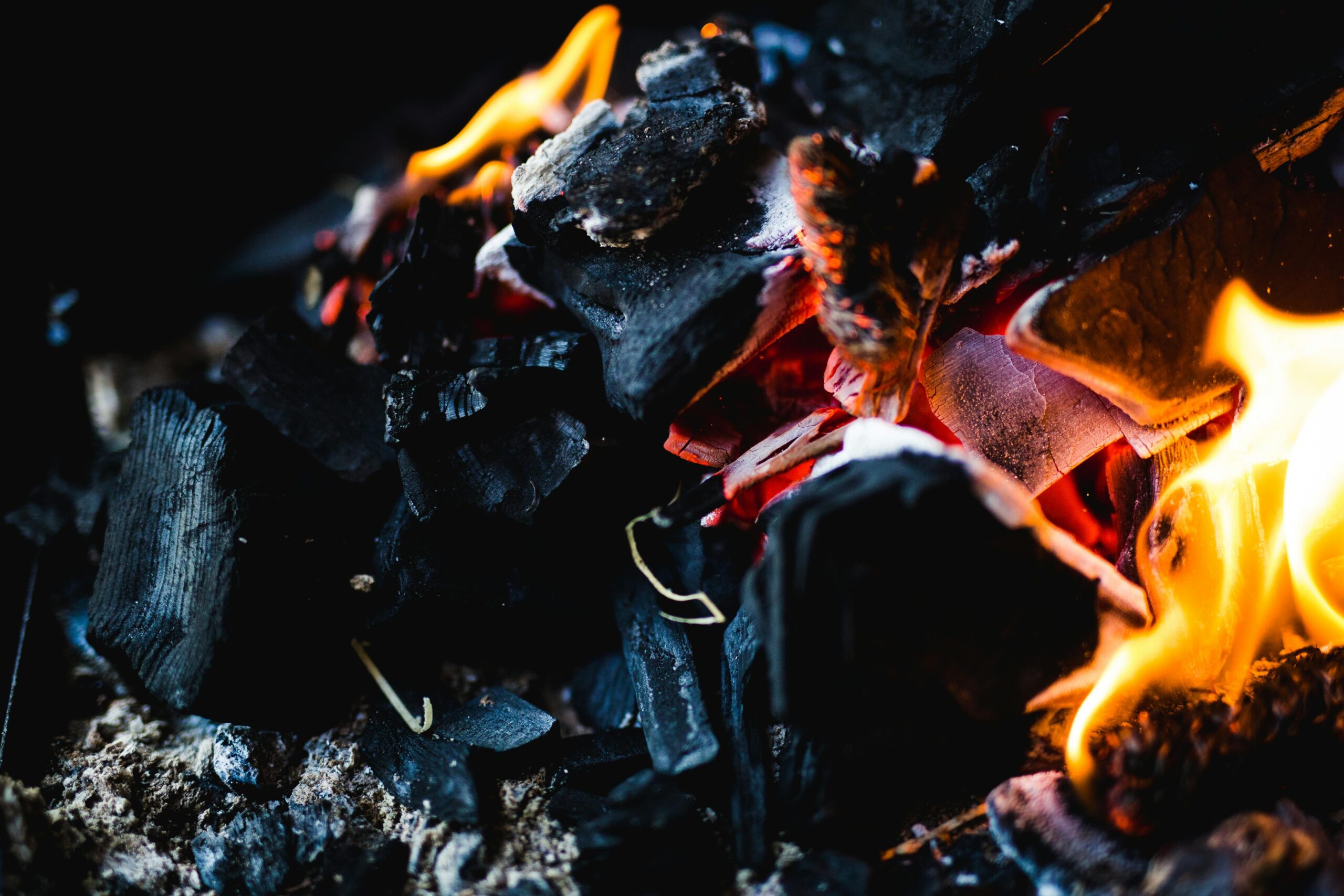
Construct your fire directly on the rock bed, building a substantial woodpile that will burn for at least two hours. The goal isn’t maintaining active flames throughout cooking but rather creating a massive coal bed that radiates steady heat. As wood burns down to coals, the rocks beneath absorb tremendous thermal energy, transforming your pit into a natural oven.
Temperature assessment in survival situations requires observation rather than thermometers. When you can hold your hand six inches above the coals for only two to three seconds, the pit has reached appropriate cooking temperature—roughly 350 to 400 degrees Fahrenheit. This heat level cooks most foods thoroughly without charring.
🥩 Preparing Food for Maximum Flavor and Nutrition
Food preparation significantly impacts final results. Unlike conventional cooking where you can adjust heat mid-process, clay pit cooking locks in your choices once the pit is sealed. Proper preparation ensures success despite this inflexibility.
Protein sources benefit from marination or seasoning before cooking. Wild game, fish, or foraged protein should be cleaned thoroughly and seasoned with available herbs, salt if accessible, or acidic elements like wild berries that tenderize meat while adding flavor. Wrapping protein in large leaves creates individual packets that steam internally while roasting externally.
Root vegetables excel in clay pit cooking because extended heat breaks down tough fibers into tender, sweet results. Potatoes, carrots, turnips, and wild tubers should be scrubbed clean but left whole or in large chunks. Their skins provide natural protection against direct heat while keeping moisture sealed inside.
Layering Strategy for Multiple Food Items
Strategic layering ensures everything finishes cooking simultaneously. Begin with foods requiring longest cooking times—large root vegetables and tough cuts of meat—placing them directly on the insulation layer above hot rocks. These items need maximum heat exposure over extended periods to become tender and fully cooked.
Medium-cooking items like fish, smaller game, or softer vegetables form the middle layer. These foods cook faster than roots but still benefit from moderate heat and extended time. Wrapping them individually prevents flavors from mixing undesirably while allowing steam circulation.
Quick-cooking items like leafy greens, herbs, or delicate fish go on top where heat is gentler. These ingredients often serve dual purposes, adding flavor while steaming in the rising heat from below. Consider them both food and seasoning, contributing to the overall meal complexity.
⏱️ Timing and Temperature Control Techniques
Mastering timing separates adequate meals from extraordinary ones. Most clay pit cooking sessions require three to five hours depending on food quantity, pit size, and initial temperature. Patience becomes your primary tool since opening the pit prematurely releases accumulated heat and extends overall cooking time.
External indicators help gauge internal progress without disturbing the cooking process. The earth surface above your pit should feel warm to touch but not scorching hot. Excessive surface heat indicates insufficient insulation, allowing valuable thermal energy to escape upward rather than concentrating on food. If detected early, adding additional earth layers can correct this issue.
Smell provides another progress indicator. As cooking advances, aromatic compounds rise through earth layers, creating detectable scent changes. Initial burning wood smells give way to earthy steam aromas, eventually replaced by food-specific fragrances. When you clearly smell cooked meat or roasted vegetables through the earth, your meal approaches completion.
The Critical Unsealing Moment
Unsealing requires careful technique to avoid burns and preserve food quality. Begin by carefully removing the top earth layer with a stick or improvised tool, setting it aside to avoid contaminating food with soil. Heat radiates intensely from the opening, so approach from the side rather than directly above.
Remove insulation layers systematically, checking each food level for doneness. A sharp stick pierces proteins to check tenderness—properly cooked meat offers slight resistance before penetrating smoothly. Vegetables should yield to gentle pressure without falling apart. If items need additional cooking, reseal the pit with hot coals gathered from a separate fire, adding another hour of cooking time.
🌿 Foraging Integration for Enhanced Survival Nutrition
Clay pit cooking synergizes beautifully with foraging, allowing you to prepare diverse ingredients together for balanced nutrition. The slow cooking process breaks down tough wild plants that would be inedible raw, extracting maximum nutrients and calories from your environment.
Wild onions, garlic, and leeks add tremendous flavor while providing antimicrobial properties that preserve food safety. These aromatics should be scattered throughout your cooking layers, perfuming everything with their essence. Their sulfur compounds intensify during slow cooking, creating depth impossible to achieve with quick cooking methods.
Bitter greens like dandelion, chickweed, or wild mustard benefit from extended heat exposure that mellows harsh flavors. Layer these greens between meat and vegetables where steam from below and heat from above transform them into tender, flavorful additions. Their high nutrient density makes them valuable survival foods worth the effort to make palatable.
Seasoning with Wild Herbs and Natural Salt Sources
Seasoning elevates survival meals from merely edible to genuinely enjoyable. Common wild herbs like sage, thyme, oregano, and rosemary grow across diverse climates, offering familiar flavors even in remote locations. Crushing these herbs before adding releases essential oils that infuse throughout your cooking layers.
Natural salt sources require creativity in survival situations. Coastal environments provide seawater that can be reduced or seaweed that concentrates ocean minerals. Inland, certain plant ashes contain sodium and potassium that enhance food flavor while replacing electrolytes lost through physical exertion. Wood ash from specific hardwoods adds alkaline compounds that tenderize tough proteins when used sparingly.
💧 Moisture Management for Perfect Texture
Controlling moisture determines whether your clay pit meal emerges succulent or disappointingly dry. The sealed environment naturally traps steam, but understanding how to manipulate humidity creates superior results. Foods with high water content like fish or fresh vegetables release significant moisture during cooking, creating a self-basting environment that keeps everything tender.
Dry ingredients benefit from added moisture before sealing. Wrapping items in wet leaves creates steam packets that cook through internal humidity rather than dry heat alone. This technique works exceptionally well for lean game meat that lacks internal fat to provide moisture during cooking. The leaves brown and crisp on the outside while maintaining wetness against the food surface.
Positioning moisture-rich and dry items strategically balances the internal environment. Place wet items like fish below drier foods so rising steam bastes upper layers during cooking. This arrangement mimics modern convection ovens, circulating moisture throughout the cooking chamber for even results across all ingredients.
🎯 Common Mistakes and Problem-Solving Solutions
Even experienced practitioners encounter challenges with clay pit cooking. Recognizing common problems and implementing quick solutions prevents meal disasters and builds proficiency through troubleshooting experience.
Insufficient heating ranks as the most frequent error. Rushing the coal-building phase leaves inadequate thermal mass to sustain cooking temperatures throughout the process. If you unseal your pit to find partially cooked food, resist the temptation to return it immediately. Instead, rebuild a fire in the pit or a separate location, generate fresh coals, reheat the rocks, and resume cooking with renewed heat sources.
Over-seasoning with unfamiliar wild plants creates unpleasant bitterness or soapy flavors. The concentrated environment intensifies every taste, meaning a small amount of strong herbs suffices. When experimenting with new wild seasonings, use minimal quantities until you understand their flavor profiles through the cooking process.
Dealing with Unexpected Weather Conditions
Rain presents particular challenges for clay pit cooking. Water infiltration cools rocks, generates excessive steam that waterlogs food, and can extinguish coal beds prematurely. When rain threatens, construct a temporary shelter over your cooking site using branches, bark, or salvaged materials. The shelter should divert water away from the pit while allowing smoke to escape during the coal-building phase.
Extreme cold extends cooking times significantly because frozen ground acts as a heat sink, drawing thermal energy away from your pit. In winter survival situations, consider building your fire earlier and longer, ensuring rocks reach maximum temperature before adding food. Extra insulation layers become critical, potentially doubling normal earth coverage to compensate for ambient cold.
🔄 Advanced Techniques for Experienced Practitioners
Once basic clay pit cooking becomes comfortable, advanced techniques expand your capabilities. Stone boiling inside the pit creates stews by heating rocks separately and dropping them into water-filled containers buried in your pit. This method requires heat-resistant vessels like hollowed logs, turtle shells, or tightly woven baskets sealed with clay.
Multi-pit cooking allows preparation of complete feasts with different temperature zones for varied foods. Build multiple pits simultaneously with different depths and rock configurations, creating specialized cooking environments. Shallow pits with fewer rocks work perfectly for delicate fish, while deep pits loaded with thermal mass handle large game or tough root vegetables.
Smoking integration adds preservation capabilities alongside flavor enhancement. Before sealing your pit completely, add green wood or aromatic plants that smolder rather than burn, generating smoke that infuses food while cooking. This technique extends food shelf life in survival situations, turning fresh catches into preserved rations for future meals.
♻️ Reusing and Maintaining Your Clay Pit Installation
Establishing a semi-permanent clay pit makes sense for extended survival scenarios. A well-constructed pit lasts through dozens of cooking sessions when properly maintained, saving energy and time otherwise spent on repeated construction. After each use, remove ash and food debris, check rock condition for cracking or crumbling, and replace damaged stones before they fail during cooking.
The pit walls themselves harden through repeated heating cycles, eventually forming a ceramic-like surface that retains heat even more efficiently than raw earth. This curing process makes your pit increasingly effective over time, developing a patina of char and minerals that adds subtle flavors to subsequent meals. Protecting your installation from erosion and animal disturbance preserves this investment in your survival infrastructure.
🌟 Transforming Survival Cooking Into Thriving Cuisine
Clay pit cooking transcends mere survival, offering opportunities to create memorable meals that nourish both body and spirit during challenging times. The technique reconnects us with ancestral knowledge, proving that sophisticated cooking doesn’t require modern technology. Each successful pit cooking session builds confidence, demonstrating your capability to thrive rather than simply survive regardless of circumstances.
The flavors achieved through this ancient method often surpass conventional cooking, with slow heat developing complexity impossible to rush. Proteins emerge fork-tender with concentrated taste, vegetables caramelize into sweet perfection, and the subtle smokiness permeating everything creates a signature character unique to this cooking style. These meals become more than sustenance—they represent victories over adversity and expressions of human ingenuity.
Whether facing actual survival situations or seeking to expand your outdoor cooking skills, mastering clay pit techniques provides practical abilities with profound psychological benefits. The knowledge that you can create exceptional meals using only earth, fire, and resourcefulness instills deep confidence that extends far beyond cooking. You carry with you the understanding that regardless of what modern conveniences disappear, you possess the skills to maintain quality of life through one of humanity’s most fundamental activities: preparing nourishing, flavorful food.
Start practicing clay pit cooking during camping trips and outdoor adventures, refining your technique before emergencies arise. Experiment with different foods, insulation materials, and pit configurations until the process becomes intuitive. Share your knowledge with family and community members, building collective capability that strengthens everyone’s resilience. The ancient art of clay pit cooking isn’t just survival skill—it’s a pathway to self-reliance, connection with natural processes, and the satisfaction of creating exceptional food through your own hands and understanding.