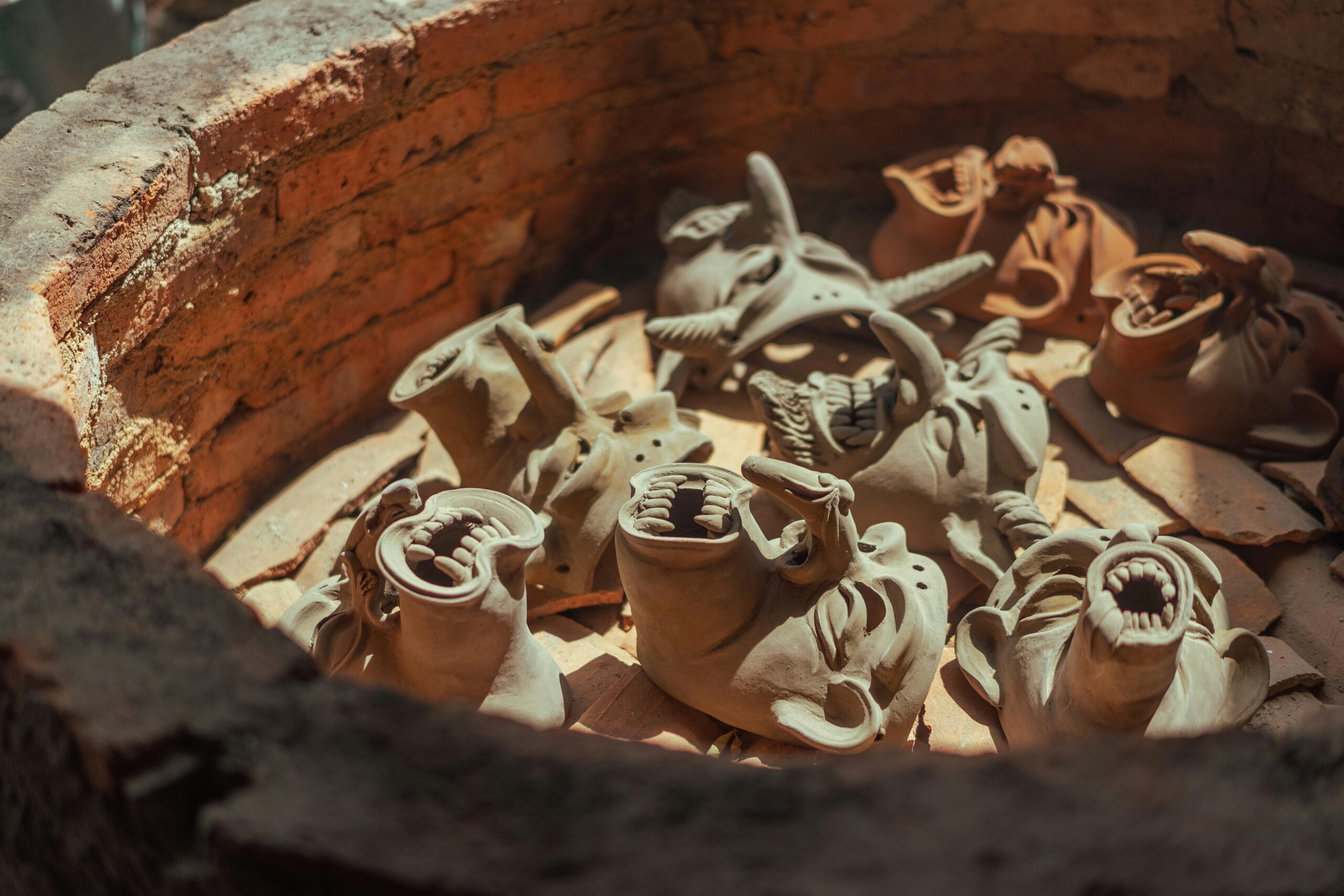
Clay pot cooking transforms ordinary meals into extraordinary culinary experiences, and understanding how to properly reuse these traditional vessels can elevate your cooking game while preserving authentic flavors.

🍲 The Ancient Art of Clay Pot Cooking Meets Modern Kitchens
Clay pots have been fundamental to cooking traditions across civilizations for thousands of years. From the tagines of Morocco to the handis of India, these earthenware vessels offer unique cooking properties that modern cookware simply cannot replicate. The porous nature of clay allows for gradual heat distribution, moisture retention, and a subtle earthy enhancement that infuses dishes with depth and character.
What many home cooks don’t realize is that clay pots actually improve with repeated use. Unlike non-stick pans that deteriorate over time, properly maintained clay vessels develop a seasoning that enhances flavor profiles with each cooking cycle. This seasoning creates a natural non-stick surface while building layers of taste memory from previous dishes.
Understanding the Science Behind Clay Pot Seasoning
The magic of reusing clay pots lies in their molecular structure. Unglazed clay contains microscopic pores that absorb flavors, oils, and aromas during cooking. These compounds don’t simply wash away—they become part of the pot’s character, creating what experienced cooks call the “soul” of the vessel.
When you cook in a seasoned clay pot, these embedded flavors gently release into your food, adding complexity that’s impossible to achieve with virgin cookware. This is why grandmother’s clay pot always seems to produce better results than a brand new one from the store.
The Molecular Benefits of Multiple Cooking Cycles
Each cooking cycle strengthens the clay pot’s structural integrity. The heat causes microscopic crystallization within the clay matrix, making it more durable and less prone to cracking. Additionally, the oils and fats from cooking create a protective barrier that seals the pores partially, improving heat retention while maintaining the breathable quality that makes clay cooking special.
🔥 Proper Preparation for Maximum Flavor Retention
Before diving into multiple cooking cycles, understanding proper clay pot preparation is essential. A well-prepared pot will last decades and continually improve your dishes.
Initial Seasoning: Building the Foundation
New clay pots require careful initial seasoning. Submerge the pot and lid completely in water for at least 12 hours, preferably 24. This hydration prevents the clay from absorbing moisture from your food during cooking, which could lead to dryness or cracking.
After soaking, dry the pot naturally and rub the interior with oil—coconut, vegetable, or ghee work excellently. Place it in a cold oven, then gradually heat to 300°F (150°C) for two hours. This process opens the pores and allows the oil to penetrate deeply, creating the first layer of seasoning.
Between-Use Maintenance Rituals
The care you provide between cooking cycles directly impacts flavor enhancement. Never use soap or detergent on unglazed clay pots, as the porous material absorbs chemicals that will taint future dishes. Instead, use hot water and a natural bristle brush to remove food particles.
For stubborn residue, create a paste from baking soda and water, apply gently, and rinse thoroughly. Allow the pot to air dry completely—never store it while damp, as this promotes mold growth and unpleasant odors.
Strategic Flavor Layering Across Cooking Sessions
The true artistry of reusing clay pots involves strategic planning of what you cook and in what sequence. This approach maximizes flavor development while avoiding unwanted taste contamination.
Creating Complementary Flavor Profiles
Experienced cooks dedicate specific clay pots to particular cuisine families. A pot used regularly for Indian curries develops a beautiful spice foundation that enhances subsequent curry dishes. Similarly, a pot dedicated to Mediterranean stews builds layers of herbs, tomatoes, and olive oil that create a flavor signature.
Consider establishing themed pots in your collection:
- Spice-forward pot: curries, tagines, aromatic rice dishes
- Herb-centric pot: Mediterranean stews, braised vegetables, herb-infused grains
- Sweet pot: rice puddings, baked fruits, sweet breads
- Savory pot: meat braises, bean dishes, hearty soups
The Flavor Evolution Timeline
Understanding how flavors develop over multiple uses helps you plan your cooking journey:
| Cooking Cycles | Flavor Development | Best Uses |
|---|---|---|
| 1-5 uses | Initial seasoning forming | Simple dishes, mild flavors |
| 6-15 uses | Flavor foundation establishing | Standard recipes in your chosen theme |
| 16-30 uses | Rich complexity developing | Signature dishes, special occasions |
| 30+ uses | Mature flavor profile | Showcase recipes, heirloom cooking |
✨ Techniques to Maximize Flavor Enhancement
Beyond simple reuse, specific techniques amplify the flavor benefits of seasoned clay pots.
The Overnight Infusion Method
After cooking, leave the pot covered overnight before cleaning. This extended contact time allows flavors to penetrate deeper into the clay matrix. The residual heat continues the absorption process, intensifying the seasoning effect.
This technique works particularly well after cooking intensely flavored dishes like biryanis, coq au vin, or mole. The complex spice mixtures have more time to bond with the clay, creating a richer foundation for future meals.
Temperature Transition Mastery
Clay pots despise thermal shock but love gradual temperature changes. Always start cooking with a cold pot in a cold oven, allowing both to heat together. This gentle approach prevents cracking while ensuring even heat distribution that extracts maximum flavor from ingredients.
When removing from heat, place the pot on a wooden board or folded towel—never directly on cold surfaces. This careful temperature management preserves the pot’s integrity and maintains its flavor-absorbing properties.
🌿 Addressing Common Concerns About Reuse
Safety Considerations and Hygiene
Many cooks worry about bacterial growth in porous clay. When properly dried and stored, clay pots are remarkably safe. The alkaline nature of clay naturally inhibits bacterial growth, and regular use with high heat provides consistent sanitization.
However, certain precautions ensure food safety across multiple cooking cycles. Never use a clay pot that smells musty or moldy—this indicates improper drying or storage. If your pot develops an off odor, boil water in it with a tablespoon of baking soda, which neutralizes odors without damaging the seasoning.
When Flavor Transfer Becomes a Problem
Occasionally, flavor transfer becomes undesirable—cooking fish in your dessert pot, for example. If you accidentally create a flavor conflict, don’t despair. Fill the pot with water and several tablespoons of baking soda, bring to a boil, and simmer for 30 minutes. Repeat if necessary. While this removes some seasoning, it preserves the pot for appropriate future use.
Regional Cooking Traditions and Multi-Use Wisdom
Different cultures have developed sophisticated approaches to clay pot reuse, offering valuable lessons for modern cooks.
Indian Handi Traditions
In Indian cooking, handis (clay pots) are treasured family possessions passed through generations. Families often maintain their handis for specific dishes—a dal handi, a biryani handi, a korma handi. This specialization creates such pronounced flavor development that the pot becomes inseparable from the recipe’s identity.
Traditional cooks recognize that a mature handi reduces the need for excessive spicing, as the pot contributes its own flavor foundation. This wisdom extends cooking beyond simple technique into a relationship with your tools.
Mediterranean Cazuela Philosophy
Spanish and Portuguese cooks view their cazuelas as living kitchen companions. These earthenware dishes improve wines sauces, seafood stews, and vegetable preparations through accumulated flavor wisdom. The practice of using the same cazuela for paella or cataplana year after year creates signature tastes unique to each household.
💡 Advanced Strategies for Flavor Optimization
The Rotation System
Serious clay pot enthusiasts develop rotation systems that keep multiple pots in active use. This approach allows each pot to rest between uses, fully drying and stabilizing its seasoning. A typical rotation involves three to five pots, each used weekly on a set schedule.
This system prevents flavor fatigue—the phenomenon where consecutive uses without adequate rest produce diminishing returns. The rest period allows the absorbed flavors to integrate fully into the clay matrix, ready to enhance the next meal optimally.
Seasonal Flavor Progression
Align your clay pot use with seasonal ingredients for naturally harmonious flavor development. Use your pot for spring vegetables and light herbs early in the year, transition to summer tomatoes and fresh produce, move into autumn root vegetables and warming spices, then winter braises and hearty stews.
This seasonal progression creates a flavor journey that feels intuitive and authentic, as the pot’s memory reflects the natural culinary calendar.
🎯 Troubleshooting Common Multi-Use Challenges
Resolving Stubborn Stains
Dark staining on clay pots is normal and often indicates good seasoning. However, if stains bother you aesthetically, create a paste from equal parts baking soda and coarse salt with minimal water. Gently scrub the affected areas, rinse thoroughly, and re-oil lightly before the next use.
Managing Hairline Cracks
Minor hairline cracks don’t necessarily end a clay pot’s life. If cracks don’t penetrate completely through the wall, they often self-seal during subsequent cooking as oils and starches fill the gaps. Continue using the pot for low-liquid dishes like rice or roasted vegetables, which help seal cracks naturally.
Elevating Your Culinary Journey Through Clay
The practice of reusing clay pots for multiple cooking cycles transcends mere kitchen efficiency—it becomes a meditation on flavor, tradition, and the patient development of culinary artistry. Each use adds invisible layers of taste memory, transforming simple earthenware into a personalized cooking tool that reflects your unique culinary journey.
As you develop your relationship with clay cooking, you’ll notice subtle improvements in your dishes that defy easy explanation. The stew tastes richer, the rice more aromatic, the vegetables more vibrant—not from changed recipes, but from the accumulated wisdom residing in the pot’s walls.
Building Your Clay Pot Legacy 🏺
Consider your clay pots as heirloom pieces in the making. With proper care and strategic use across multiple cooking cycles, these humble vessels become culinary treasures that can be passed to future generations, carrying forward not just cooking tools but flavor memories and family food traditions.
Document your clay pot journey—note which pots you use for specific dishes, how flavors evolve over time, and which combinations produce the most remarkable results. This culinary diary becomes a roadmap for maximizing the flavor potential locked within your earthenware collection.
The beauty of clay pot cooking lies in its timelessness. While kitchen trends come and go, the fundamental pleasure of cooking in seasoned earthenware remains constant. By embracing multiple cooking cycles and understanding how to maximize flavor development, you’re participating in a cooking tradition that spans continents and millennia, while creating something uniquely your own.
Start your clay pot journey today, cook with intention, maintain with care, and watch as each successive meal becomes increasingly delicious. The pot remembers every dish you’ve cooked, and generously shares that wisdom with everything you prepare next. This is cooking that improves with time—a rare quality in our disposable age, and one worth celebrating with every flavorful bite.