Natural clay has been a skincare secret for centuries, and when combined with moisture sealing techniques, it transforms your complexion into a hydrated, glowing masterpiece.

✨ Why Clay-Based Skincare Is Making a Major Comeback
The beauty industry has witnessed a remarkable shift toward natural ingredients, and clay minerals stand at the forefront of this revolution. Unlike synthetic formulations that can strip your skin of essential oils, natural clay works harmoniously with your skin’s biology to draw out impurities while maintaining optimal hydration levels.
Ancient civilizations from Egypt to China recognized clay’s therapeutic properties, using it for both medicinal and cosmetic purposes. Today, modern science validates what our ancestors knew intuitively: clay minerals contain essential trace elements like magnesium, calcium, and silica that nourish skin at the cellular level.
The moisture sealing aspect is where the magic truly happens. When you apply clay correctly and follow with strategic hydration techniques, you create a protective barrier that locks moisture into your skin for extended periods. This approach prevents transepidermal water loss, the primary culprit behind dull, dehydrated skin.
🌿 Understanding Different Clay Types for Your Skin
Not all clays are created equal, and selecting the right type for your skin concerns is crucial for achieving optimal results. Each clay variety possesses unique mineral compositions and absorption capabilities that target specific skincare needs.
Bentonite Clay: The Deep Cleanser
Bentonite clay, formed from volcanic ash, has exceptional absorptive properties that make it ideal for oily and acne-prone skin. This powerful clay expands when mixed with water, creating a negative electrical charge that attracts positively charged toxins and impurities like a magnet. When used in moisture sealing routines, bentonite clay removes excess sebum without over-drying, preparing your skin to absorb hydrating serums more effectively.
Kaolin Clay: The Gentle Guardian
For sensitive or dry skin types, kaolin clay offers a gentler alternative. This soft, white clay cleanses without stripping natural oils, making it perfect for maintaining your skin’s moisture balance. Rich in silica, kaolin clay strengthens skin tissue and improves elasticity, contributing to a plumper, more youthful appearance when incorporated into regular moisture sealing protocols.
French Green Clay: The Detoxifying Powerhouse
French green clay, harvested from ancient seabeds in France, contains a powerful combination of decomposed plant matter and iron oxides. This clay excels at tightening pores and stimulating circulation, which enhances your skin’s natural ability to retain moisture. Its mineral-rich composition makes it particularly effective for combination skin that needs both purification and hydration.
Rhassoul Clay: The Moroccan Treasure
Mined exclusively from Morocco’s Atlas Mountains, rhassoul clay has been a staple in hammam rituals for over 1,400 years. This unique clay has a remarkable ability to reduce dryness and improve skin clarity while enhancing elasticity. Its high silica and magnesium content makes it exceptional for moisture retention, working beautifully in layered hydration techniques.
💧 The Science Behind Moisture Sealing
Moisture sealing, also known as skin occlusion, involves creating a protective layer on your skin’s surface that prevents water from evaporating. This technique maximizes the effectiveness of hydrating ingredients by trapping them against your skin, allowing for deeper penetration and prolonged benefits.
Your skin’s outermost layer, the stratum corneum, functions like a brick wall with cells as bricks and lipids as mortar. When this barrier becomes compromised through environmental stress, harsh products, or aging, moisture escapes more easily. Clay masks, when properly applied and followed by appropriate sealants, help restore this barrier function.
The process works in stages. First, clay draws out impurities and excess oils while delivering minerals. Then, when you apply hydrating serums or essences to slightly damp skin post-clay treatment, these beneficial ingredients penetrate more effectively into the cleansed pores. Finally, sealing with appropriate moisturizers or oils locks everything in place, creating an environment where your skin can heal and regenerate optimally.
🌟 Step-by-Step Clay Moisture Sealing Protocol
Implementing a clay-based moisture sealing routine requires attention to detail and consistency. Follow this comprehensive protocol to revolutionize your skincare results.
Preparation Phase: Setting the Foundation
Begin with thoroughly cleansed skin using a gentle, pH-balanced cleanser. Pat your face dry with a soft towel, leaving it slightly damp. This residual moisture helps clay spread more evenly and prevents it from pulling excessively at your skin during application.
Select your clay based on your current skin concerns and type. Mix the clay powder with appropriate liquids—distilled water for simplicity, rose water for added soothing benefits, or apple cider vinegar for enhanced detoxification. Avoid metal utensils and bowls, as they can interfere with clay’s ionic properties. Instead, use glass, ceramic, or wooden implements.
Application Technique: The Art of Clay Masking
Apply your clay mixture in an even, medium-thick layer, avoiding the delicate eye and lip areas. Use upward strokes that follow your face’s natural contours, promoting circulation as you work. The thickness matters—too thin and it dries too quickly, too thick and it may not dry properly.
Timing is critical. Never let clay completely dry and crack on your face, as this draws moisture from your skin rather than adding it. For most clays, 5-10 minutes is optimal. Your clay should still feel slightly cool and damp when you remove it. If you have particularly dry skin, consider spraying your face with thermal water or a hydrating mist during application to prevent over-drying.
The Crucial Removal Process
Remove clay gently using lukewarm water and soft circular motions. This massage stimulates blood flow and helps with lymphatic drainage. Take your time with this step—rushing can irritate skin and negate many benefits. Use a soft washcloth or konjac sponge for gentle exfoliation as you rinse.
Pat your face until it’s about 80% dry, leaving some moisture on your skin. This is the golden moment for moisture sealing—your pores are clean, your skin is receptive, and you’re ready to layer hydration effectively.
Layering Hydration: The Moisture Sandwich
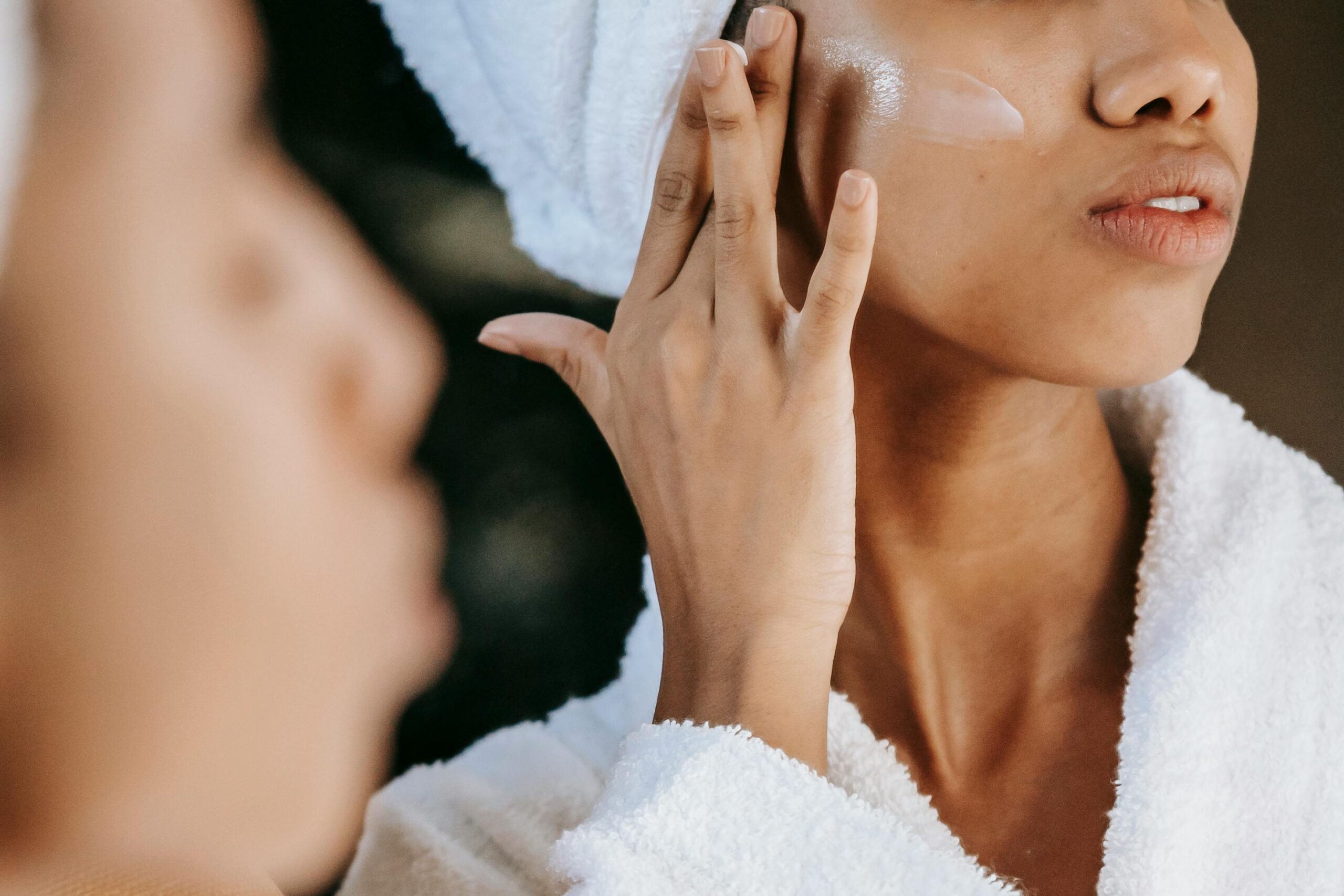
Immediately after clay removal, apply a hydrating essence or toner to damp skin. Look for ingredients like hyaluronic acid, glycerin, or aloe vera that bind water to your skin cells. Pat gently—don’t rub—allowing products to absorb for 30-60 seconds.
Next, apply a targeted serum addressing your specific concerns—vitamin C for brightness, niacinamide for pore refinement, or peptides for anti-aging. The clean, mineral-enriched canvas created by your clay treatment allows these actives to penetrate more effectively.
While your skin still feels slightly tacky from serums, apply your moisturizer. This traps all previous layers beneath it, creating the moisture seal. For day use, choose a lightweight moisturizer with SPF. For nighttime, consider richer formulations with ceramides or fatty acids that support barrier repair during sleep.
Final Sealing: Locking It All In
For maximum moisture retention, especially during dry seasons or in arid climates, add a final occlusive layer. Facial oils like jojoba, rosehip, or squalane work beautifully without clogging pores. Apply 2-3 drops, warm between your palms, and press gently onto your face. This final step ensures that all the hydration you’ve layered stays exactly where you want it—in your skin.
📅 Creating Your Personalized Clay Routine
Frequency matters when incorporating clay treatments into your regimen. Over-using clay can disrupt your skin’s natural balance, while under-using won’t deliver optimal results.
- Oily/Acne-Prone Skin: Use clay masks 2-3 times weekly, focusing on areas with congestion while being gentler on dry patches
- Combination Skin: Apply clay 2 times weekly, potentially using different clay types on different face zones based on needs
- Normal Skin: Maintain results with weekly clay treatments as preventative care and deep cleansing
- Dry/Sensitive Skin: Limit clay masks to once weekly or bi-weekly, always choosing gentler varieties like kaolin or rhassoul
- Mature Skin: Use clay weekly combined with extra nourishing moisture sealing steps to support collagen and elasticity
🌡️ Seasonal Adjustments for Year-Round Radiance
Your skin’s needs fluctuate with environmental conditions, requiring strategic adjustments to your clay moisture sealing routine throughout the year.
Summer Strategy
Warmer months typically increase oil production and sweating. Opt for more absorbent clays like bentonite or French green clay to manage excess sebum. Lighten your moisturizer formulation while maintaining diligent sealing to protect against air conditioning and sun exposure, which paradoxically dehydrate skin despite humidity.
Winter Wisdom
Cold air and indoor heating create desert-like conditions for your skin. Switch to gentler clays and reduce frequency slightly. Amp up your sealing layers significantly, adding richer creams and more occlusive oils. Consider incorporating humectants that draw moisture from the air into your skin, then seal them properly to prevent reverse action.
Transitional Seasons
Spring and fall bring unpredictable conditions requiring flexibility. Monitor your skin daily and adjust clay types and moisture sealing intensity accordingly. These seasons are perfect for establishing baseline routines that you’ll modify for summer and winter extremes.
🍃 Enhancing Clay Treatments with Botanical Boosters
Elevate your clay moisture sealing routine by incorporating complementary natural ingredients that amplify benefits and target specific concerns.
Mix honey into your clay preparations for antibacterial properties and additional humectant effects. Raw honey contains enzymes and antioxidants that work synergistically with clay minerals to brighten and heal. For acne-prone skin, consider adding a drop of tea tree or lavender essential oil to your clay mixture for enhanced purification.
Aloe vera gel makes an excellent clay mixing medium for sensitive or sunburned skin, providing instant soothing and cooling effects. The polysaccharides in aloe help form a protective barrier on skin, complementing your moisture sealing efforts perfectly.
Yogurt or kefir introduce beneficial probiotics that support your skin’s microbiome while adding lactic acid for gentle exfoliation. This combination creates smoother skin texture that allows moisture sealing products to spread more evenly and absorb more efficiently.
💪 Addressing Common Concerns and Troubleshooting
Even with proper technique, you might encounter challenges when beginning clay moisture sealing routines. Understanding how to troubleshoot ensures consistent results.
Skin Feels Tight After Clay
Tightness indicates clay remained on too long or dried completely. Reduce your timing and mist your face during application. Immediately increase hydration layers after removal, and consider switching to a gentler clay variety.
Breakouts After Starting Clay Treatments
Initial purging is normal as clay draws impurities to the surface. This typically resolves within 2-3 weeks. However, if breakouts persist or worsen, you may be using clay too frequently or not removing it thoroughly. Ensure complete rinsing and reduce frequency temporarily.
No Visible Results
Skincare requires patience and consistency. Give any new routine at least 4-6 weeks before evaluating effectiveness. Ensure you’re using appropriate clay for your skin type and following moisture sealing steps without skipping. Take progress photos in consistent lighting to track subtle improvements you might miss in daily mirror checks.
Increased Dryness Despite Moisture Sealing
You might be over-cleansing before clay application or using too-harsh clay varieties. Alternatively, your sealing products might lack sufficient occlusives. Add a facial oil as your final step and consider incorporating a humidifier in your bedroom to support skin hydration overnight.
🌙 Nighttime vs. Daytime Clay Protocols
Timing your clay treatments strategically maximizes their effectiveness within your lifestyle and skin’s natural rhythms.
Evening applications leverage your skin’s overnight repair mode. During sleep, cellular regeneration peaks, making it the ideal time for intensive treatments. Follow evening clay masks with richer, more nourishing moisture sealing products that support this natural renewal process. Your skin can focus entirely on healing without environmental stressors or makeup interference.
Morning clay treatments offer different benefits, particularly for oily skin types who wake with excess sebum. A quick 5-minute clay application before your regular routine mattifies skin and creates a smooth canvas for makeup. Follow with lightweight moisture sealing appropriate for daytime wear, always ending with SPF protection.
🎯 Targeted Treatment Zones
Multi-masking—applying different clays to different facial areas—addresses various concerns simultaneously for truly customized care.
Apply purifying clays like bentonite to your T-zone where oil production concentrates, while using hydrating kaolin clay on cheeks that tend toward dryness. This strategic approach prevents over-treating certain areas while under-treating others, optimizing results across your entire complexion.
Don’t neglect your neck and décolletage—these areas show aging prominently yet often receive less attention. Extend your clay and moisture sealing routine to these zones weekly for comprehensive skin rejuvenation.
🌈 Measuring Your Success and Adjusting Accordingly
Track your skin’s transformation to stay motivated and refine your approach. Document your journey with weekly photos in natural light, noting changes in texture, tone, hydration levels, and overall radiance.
Pay attention to how your skin feels throughout the day. Properly moisture-sealed skin should feel comfortable without tightness, maintain a subtle glow without excessive shine, and require minimal touch-ups. If you’re constantly reaching for blotting papers or additional moisturizer, reassess your clay selection or moisture sealing technique.
Consider keeping a skincare journal noting which clay combinations, mixing ingredients, and sealing products deliver optimal results. Your skin’s needs evolve with hormones, stress levels, diet, and environment, so maintaining flexibility while documenting patterns helps you respond appropriately.
💎 The Long-Term Benefits of Consistent Clay Care
Commitment to clay-based moisture sealing routines delivers cumulative benefits that compound over time, creating truly transformative results.
Regular clay treatments progressively refine pore appearance as consistent deep cleansing prevents buildup that stretches pores. Improved circulation from application and removal massage delivers more nutrients and oxygen to skin cells, promoting healthier cell turnover and natural radiance.
The mineral infusion from repeated clay applications strengthens your skin’s structure from within. Silica supports collagen production, magnesium reduces inflammation, and calcium promotes proper cell regeneration. These benefits aren’t immediately visible but create a foundation for long-term skin health and resilience.
Proper moisture sealing practiced consistently trains your skin to maintain better hydration independently. Your barrier function strengthens, reducing sensitivity and reactivity to environmental stressors. Over months, you’ll notice your skin requires less product to stay hydrated and maintains its glow longer between treatments.
🌺 Embracing the Ritual Beyond Results
Beyond physical benefits, incorporating clay moisture sealing techniques creates meaningful self-care moments in increasingly hectic lives. The tactile experience of mixing clay, the cooling sensation during application, and the intentional layering of products becomes meditation in motion.
This mindful approach to skincare reduces stress hormones that negatively impact skin health. Taking even fifteen minutes for focused self-care signals to your nervous system that you’re safe and worthy of attention, creating positive psychological effects that manifest physically in your complexion.
As you develop consistency with your routine, you’ll notice an enhanced mind-body connection. You become attuned to your skin’s signals, responding proactively rather than reactively to its needs. This awareness extends beyond skincare, encouraging holistic wellness practices that support radiant skin from multiple angles.
Natural clay moisture sealing techniques represent more than a skincare trend—they’re a return to time-tested wisdom enhanced by modern understanding. By selecting appropriate clays, mastering application techniques, and implementing strategic moisture sealing, you unlock your skin’s potential for lasting radiance and health. The journey toward glowing, hydrated skin begins with a single clay treatment, but the transformation unfolds through consistent, mindful practice that honors both ancient traditions and contemporary science. Your skin deserves this level of care, and the results speak for themselves in every confident smile you share with the world. ✨