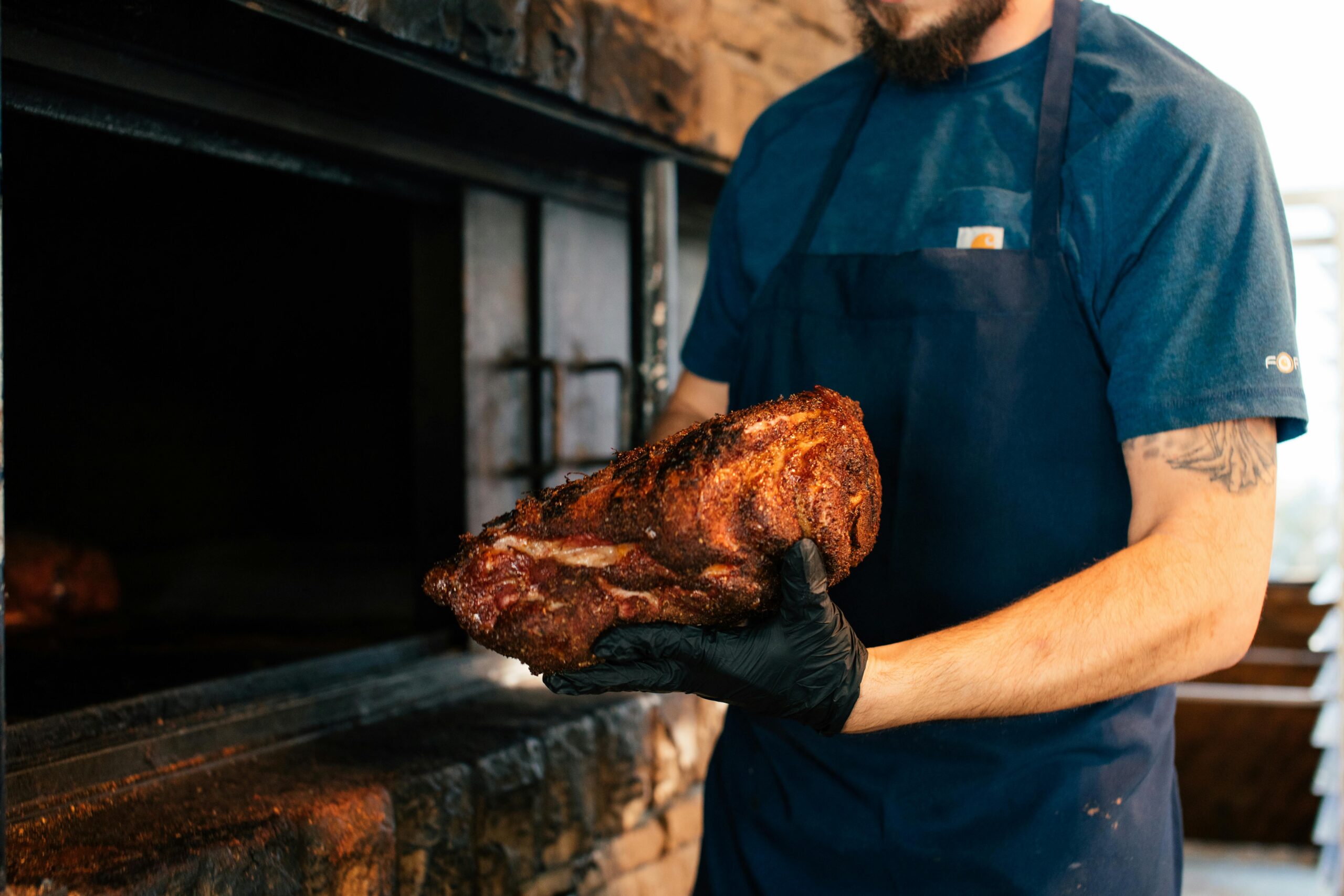
Discover how ancient cultures transformed fire and earth into remarkable food preservation tools through pit roasting, a technique that sustained generations across continents.

🔥 The Timeless Wisdom of Underground Cooking
Long before refrigeration revolutionized food storage, our ancestors developed ingenious methods to preserve meat through controlled heat, smoke, and time. Pit roasting stands as one of humanity’s most successful ancestral preservation techniques, combining slow cooking with natural smoking to create foods that could last weeks or even months. This ancient practice wasn’t merely about sustenance—it represented survival, community gathering, and the transmission of knowledge across generations.
Archaeological evidence suggests that pit roasting dates back at least 10,000 years, with discoveries in regions spanning from Polynesia to the Americas, Africa to Asia. Each culture adapted the core principles to their environment, creating unique variations that reflected available resources, climate conditions, and cultural preferences. The fundamental concept remained consistent: dig a pit, heat stones or coals, add meat, cover everything, and let earth’s natural insulation work its magic.
Understanding the Science Behind Earth Oven Preservation
The brilliance of pit roasting lies in its multi-layered approach to food preservation. When meat cooks slowly at controlled temperatures underground, several preservation mechanisms activate simultaneously. The extended cooking time destroys harmful bacteria, while smoke compounds create an antimicrobial barrier on the meat’s surface. The rendered fat acts as a protective seal, and the gradual moisture reduction concentrates proteins and natural preservatives.
Temperature regulation in traditional pit roasting typically ranges between 180°F and 250°F (82°C to 121°C), creating an environment where collagen breaks down into gelatin while harmful microorganisms perish. This slow transformation ensures meat becomes tender while developing complex flavor profiles impossible to achieve through modern fast-cooking methods.
The Role of Smoke in Meat Preservation
Smoke represents perhaps the most critical preservation element in pit roasting. When hardwoods burn incompletely underground, they produce phenolic compounds, formaldehyde, and acids that penetrate meat surfaces. These compounds possess powerful antimicrobial and antioxidant properties that inhibit bacterial growth and prevent fat rancidity. Different wood types impart distinct preservation qualities alongside unique flavor characteristics.
Traditional Pit Construction Methods Across Cultures 🌍
The Polynesian imu, the Hawaiian kalua pit, the Mexican barbacoa hole, and the Māori hāngi each demonstrate remarkable engineering adapted to local conditions. Despite geographical separation, these methods share fundamental principles while showcasing creative problem-solving unique to each culture.
The Classic Ground Pit Design
A traditional preservation pit begins with excavation—typically 3 to 4 feet deep and wide enough to accommodate the meat with surrounding insulation. The pit’s shape matters: rounded bottoms promote even heat distribution, while sloped walls prevent collapse. Ancient pit masters understood that soil composition affected heat retention, preferring clay-rich earth that holds moisture and temperature consistently.
Lining the pit with stones serves multiple purposes. Volcanic rocks, river stones, or heat-resistant minerals absorb tremendous thermal energy, becoming natural slow-release heaters. These stones must be carefully selected—certain types explode when heated rapidly due to trapped moisture or crystalline structure. Indigenous peoples passed down knowledge of safe stone selection through generations, understanding geology through practical observation.
Layering Technique for Optimal Preservation
Successful pit roasting follows a precise layering sequence. First, heated stones create the foundation heat source. Next comes a barrier layer—often wet leaves, seaweed, or burlap—that generates steam while protecting meat from direct stone contact. The meat itself might be wrapped in leaves, bark, or animal hides, adding flavor while maintaining moisture. Additional insulating layers trap heat and smoke, and finally, earth covers everything, transforming the pit into a natural slow cooker.
Preparing Meat for Extended Preservation
Ancestral cultures understood that pre-treatment dramatically improved preservation outcomes. Large game animals required specific handling protocols developed through centuries of trial and error. The preparation phase often began immediately after the hunt, with field dressing techniques designed to maximize preservation potential.
Salting and Brining Methods
Many cultures combined pit roasting with preliminary salt treatment. Coastal communities had ready access to sea salt, while inland peoples traded extensively for this precious preservative. Dry-rubbing meat with salt draws out moisture through osmosis, creating an environment hostile to bacterial growth. Some traditions employed brining—submerging meat in saltwater solutions—which penetrates deeper into tissue, providing more thorough preservation.
The salt concentration varied by intended storage duration. Meat destined for immediate consumption after pit roasting required minimal salting, while provisions meant to last months received heavy salt applications. This knowledge represented sophisticated understanding of microbiology, though ancient peoples lacked modern scientific terminology to explain their techniques.
Strategic Cutting and Portioning
Size matters tremendously in pit roasting. Whole animals cook unevenly unless positioned carefully, while too-small pieces dry out before developing protective crusts. Traditional butchery for pit preservation followed anatomical guidelines that modern butchers often overlook. Keeping certain muscle groups intact with connecting tissues and fat preserved moisture distribution and created self-basting effects during extended cooking.
Wood Selection: The Hidden Variable in Preservation Success 🪵
Not all woods provide equal preservation benefits. Hardwoods like hickory, oak, mesquite, and fruitwoods produce the most effective preservative compounds when burned at pit roasting temperatures. Each wood type contributes distinct antimicrobial properties and flavor profiles that ancient peoples catalogued through empirical observation.
Hickory smoke contains high concentrations of syringol and guaiacol—phenolic compounds with proven antibacterial effects. Oak contributes tannins that inhibit oxidation and microbial growth. Mesquite produces intense smoke with particularly strong preservative qualities, explaining its prevalence in arid regions where food preservation presented greater challenges.
Green Wood Versus Seasoned Fuel
Modern barbecue enthusiasts typically prefer dried, seasoned wood, but ancestral pit roasters often intentionally used green wood for preservation projects. Fresh-cut wood smolders longer, producing more consistent smoke over extended cooking periods. The moisture in green wood generates steam that keeps meat from drying excessively while carrying smoke compounds deeper into tissues.
Temperature Control in Underground Environments
Maintaining optimal temperatures underground without modern thermometers required remarkable skill. Pit masters developed intuitive understanding of heat management through years of apprenticeship, learning to “read” pits through subtle indicators invisible to untrained observers.
The quantity and arrangement of heating stones determined baseline temperature. Fuel load—the amount of wood burned to heat stones—required precise calculation based on pit size, meat quantity, and desired cooking duration. Too little heat resulted in incomplete cooking and preservation failure. Excessive heat caused moisture loss, creating tough, inedible results.
Monitoring Underground Progress
Without opening the pit prematurely—which releases precious heat and smoke—traditional pit masters relied on indirect monitoring methods. Steam escaping through earth cover indicated ongoing cooking activity. The aroma of smoke changing from sharp to sweet signaled progressing stages. Some cultures inserted hollow reeds as primitive “thermometers,” testing heat levels by carefully touching the exposed end or noting steam intensity emerging from the tube.
Timing: The Critical Element in Preservation Roasting ⏰
Cooking duration separated simple pit roasting from true preservation technique. While celebratory feasts might require only 8-12 hours underground, meat intended for long-term storage remained buried for 24-72 hours or longer. This extended processing allowed thorough smoke penetration, complete moisture reduction, and maximum development of preservative crusts.
Seasonal variations affected timing requirements. Winter pit roasting in cold climates demanded longer cooking periods as frozen ground leached heat. Summer processing in hot regions required careful timing to prevent over-drying while ensuring adequate preservation. Moon phases, weather patterns, and other environmental factors entered into traditional timing calculations, reflecting holistic understanding of natural cycles.
Post-Roasting Preservation Techniques
The preservation process didn’t end when meat emerged from the pit. Traditional societies employed additional techniques to extend shelf life further. Properly pit-roasted meat possessed natural preservative qualities, but supplementary methods enhanced longevity dramatically.
Fat Sealing and Confit Methods
Many cultures pounded or shredded pit-roasted meat, then packed it into containers and covered everything with rendered fat. This proto-confit technique created anaerobic environments preventing spoilage. The fat acted as both sealant and additional food source, providing calories during lean periods. Clay pots, animal bladders, or tightly woven baskets served as storage vessels, each offering different preservation characteristics.
Air Drying After Pit Cooking
Some traditions combined pit roasting with subsequent air drying. The smoked meat, already partially dehydrated underground, hung in well-ventilated areas to remove remaining moisture. This two-stage preservation created shelf-stable provisions lasting months without refrigeration. The smoke compounds deposited during pit roasting prevented flies and pests from colonizing the drying meat—a crucial advantage over simple air-dried products.
Regional Variations and Cultural Adaptations 🗺️
Each culture adapted pit roasting principles to local conditions, creating fascinating variations. Pacific Islanders developed the imu specifically for preserving seafood and pork during long ocean voyages. Their techniques emphasized heavy smoking and extended cooking times, producing foods that endured tropical heat and humidity aboard outrigger canoes.
Native American tribes across North America created earth ovens optimized for preserving bison, elk, and other large game. The abundance of animals during hunting seasons required processing massive quantities quickly. Community pit roasting events transformed fresh kills into preserved provisions sustaining tribes through winter months when hunting proved difficult or impossible.
Desert Adaptations
Arid climate dwellers faced unique preservation challenges. High temperatures accelerated spoilage, while scarce water limited wet preservation methods. Desert pit roasting techniques emphasized extremely thorough smoking and dramatic moisture reduction. The resulting preserved meat resembled modern jerky but retained more fat and possessed richer flavors from extended smoke exposure.
Nutritional Advantages of Pit-Preserved Meat
Modern nutrition science reveals that ancestral preservation methods offered unexpected health benefits. Slow cooking at moderate temperatures preserves more nutrients than high-heat methods. B vitamins, though partially degraded, remain more intact than in fried or heavily grilled meats. The collagen breakdown produces gelatin and amino acids supporting joint health and digestion.
Smoke compounds, while creating preservative effects, also contribute antioxidants. Moderate consumption of traditionally smoked foods provides different nutritional profiles than heavily processed modern smoked products containing artificial additives. The fat rendered during pit roasting concentrates fat-soluble vitamins A, D, E, and K, making them more bioavailable.
Reviving Pit Roasting for Modern Food Security 🌱
Growing interest in food resilience and traditional skills has sparked renewed attention to ancestral preservation methods. Pit roasting offers solutions for off-grid living, emergency preparedness, and sustainable food systems. Unlike refrigeration dependent on continuous energy, pit preservation requires only fire, earth, and knowledge.
Contemporary practitioners adapt traditional techniques to modern contexts. Backyard enthusiasts construct permanent pit installations for weekend preservation projects. Homesteaders incorporate pit roasting into comprehensive food security strategies. Sustainable agriculture advocates promote these methods as alternatives to energy-intensive industrial food preservation.
Legal and Safety Considerations
Modern pit roasting requires awareness of regulations and safety protocols absent in ancestral contexts. Municipal codes may restrict open fires or ground excavation. Proper site selection prevents utility line strikes and property damage. Food safety standards demand attention to temperatures and timing that traditional practitioners learned intuitively but modern users must measure scientifically.
Understanding botulism risks, proper cooling procedures, and safe storage temperatures protects against foodborne illness. While ancestral peoples developed immunity to certain pathogens and accepted spoilage losses as inevitable, contemporary food safety expectations require more rigorous approaches. Blending traditional wisdom with modern food science creates optimal outcomes.
Documenting and Preserving Traditional Knowledge 📚
Much ancestral pit roasting wisdom exists only in oral traditions threatened by modernization. Indigenous communities worldwide work to document these techniques before elder knowledge keepers pass away. Ethnobotanists, anthropologists, and food historians collaborate with traditional practitioners, recording detailed procedures, seasonal timing, and cultural contexts.
This preservation effort extends beyond simple recipe recording. Understanding the holistic systems surrounding ancestral food preservation—social structures, gender roles, ceremonial aspects, and ecological knowledge—provides crucial context. Pit roasting represented more than food processing; it embodied community cooperation, seasonal awareness, and sustainable resource management.
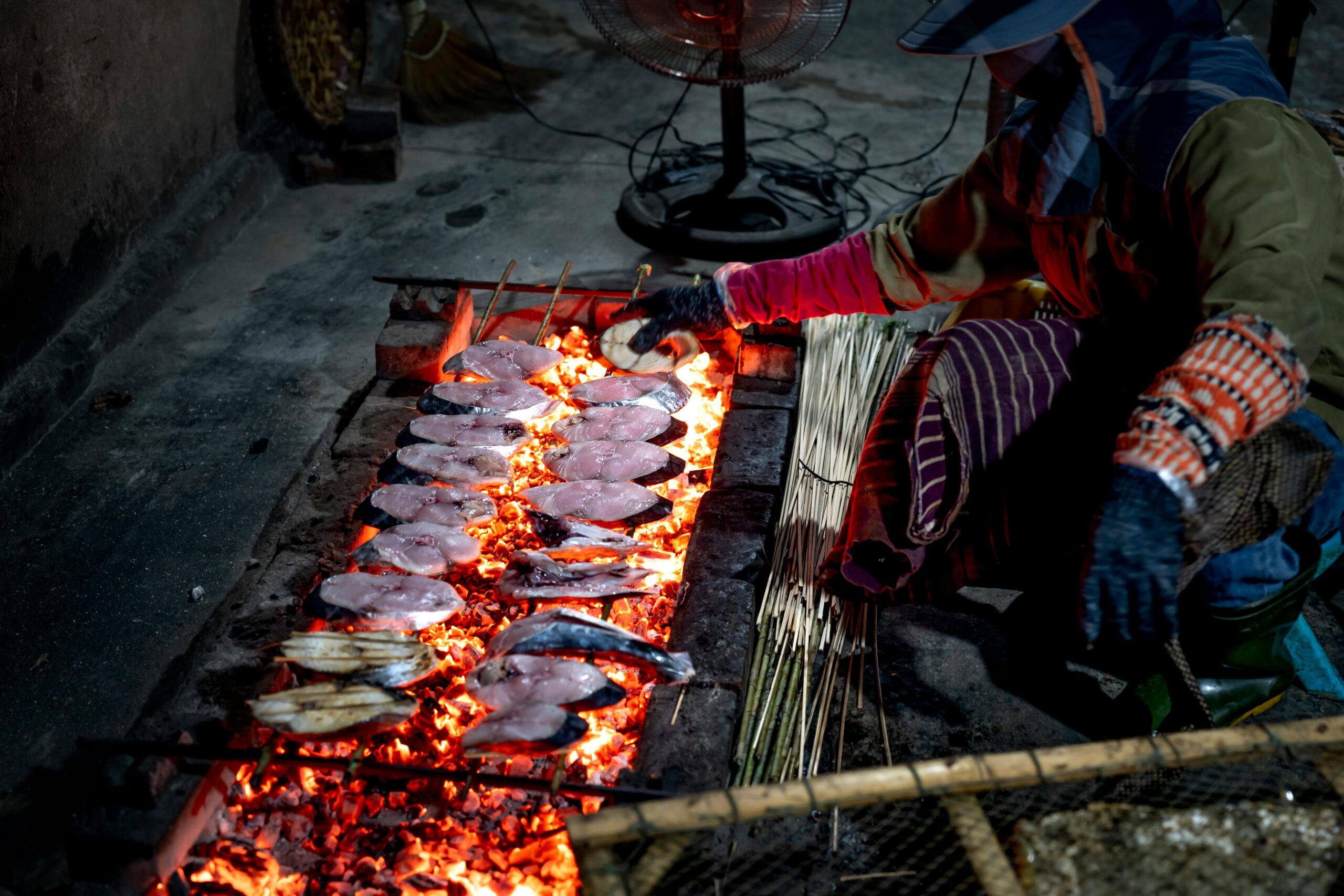
The Future of Ancient Preservation Arts
As climate change, energy uncertainty, and food system fragility challenge modern societies, ancestral preservation techniques offer proven alternatives. Pit roasting demonstrates that sophisticated food preservation doesn’t require industrial infrastructure. The method’s sustainability—using renewable fuels, no electricity, minimal equipment—aligns perfectly with contemporary concerns about environmental impact and resource conservation.
Educational initiatives teach pit roasting to new generations, ensuring these skills survive beyond indigenous communities. Workshops, online tutorials, and hands-on classes spread knowledge globally. This democratization of traditional techniques empowers individuals to reduce dependence on industrial food systems while connecting with human heritage spanning millennia.
The ancient art of pit roasting reveals profound wisdom about working with natural processes rather than against them. Our ancestors achieved remarkable preservation results through patient observation, experimental learning, and deep environmental understanding. Their legacy offers modern society valuable lessons about sustainability, resilience, and the sophisticated knowledge systems developed by pre-industrial cultures. By uncovering and applying these time-tested techniques, we honor ancestral ingenuity while building more secure food futures.