Discover the ancient art of earth-based flavor infusion and transform your everyday meals into extraordinary culinary experiences that connect you with nature’s deepest, most authentic tastes.

🌍 The Ancient Wisdom of Cooking with Earth Elements
Long before modern kitchens and sophisticated cooking equipment, our ancestors understood something profound about flavor: the earth itself holds the key to creating depth, complexity, and richness in food. Earth-based flavor infusion techniques tap into this primordial knowledge, using natural elements like clay, smoke, stones, and soil-grown ingredients to unlock tastes that simply cannot be replicated through conventional cooking methods.
These techniques aren’t just about nostalgia or primitive cooking—they represent a sophisticated understanding of how minerals, terroir, and natural elements interact with ingredients to create layers of flavor that modern stainless steel and non-stick surfaces simply cannot achieve. When you cook with earth-based methods, you’re not just preparing food; you’re engaging in a dialogue between your ingredients and the very ground that nourished them.
The beauty of earth-based cooking lies in its accessibility. You don’t need expensive equipment or rare ingredients. What you need is curiosity, respect for natural processes, and a willingness to slow down and let the earth work its magic on your food.
Clay Pot Cooking: The Foundation of Earth Flavor
Clay pot cooking represents one of the oldest and most effective earth-based flavor infusion techniques known to humanity. Unglazed clay vessels interact with food in ways that metal simply cannot, creating a porous environment that allows for gentle heat distribution and moisture retention while imparting subtle mineral notes to everything you cook.
When you use a clay pot, the porous nature of the material absorbs flavors over time, creating a seasoned vessel that becomes more valuable with each use. This seasoning process means your clay pot becomes a living record of your culinary journey, each meal contributing to a growing complexity of flavor that transfers to subsequent dishes.
Preparing Your Clay Cookware
Before using clay pots for the first time, proper preparation is essential. Soak your unglazed clay vessel in water for at least two hours, or ideally overnight. This hydration process prevents the clay from absorbing too much moisture from your food during cooking and helps prevent cracking when exposed to heat.
Season your clay pot by rubbing the interior with garlic cloves and coating it lightly with oil. Place it in a low-temperature oven (around 250°F or 120°C) for an hour. This initial seasoning creates a protective layer and begins the flavor development process that will define your pot’s unique character.
Recipes That Shine in Clay
Slow-cooked stews, rice dishes, and braised meats achieve unprecedented depth when prepared in clay. The even heat distribution prevents hot spots, while the moisture-retaining properties create an environment where flavors meld and develop without drying out. Try preparing a traditional tagine, Brazilian feijoada, or Spanish cazuela to experience the transformative power of clay cooking.
🔥 Smoke and Char: Earth’s Aromatic Signature
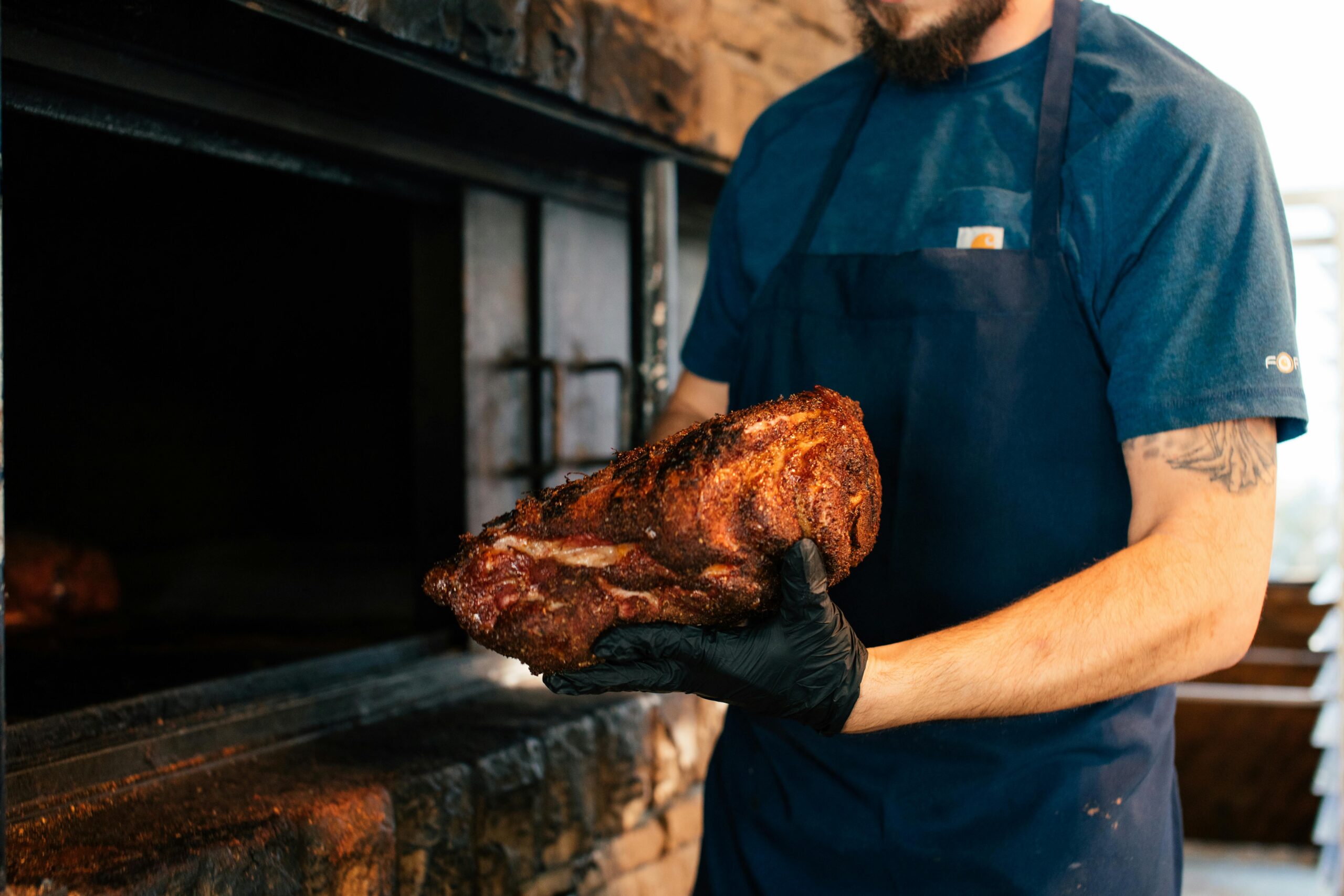
Smoke represents the transformation of earth’s bounty—wood, herbs, and dried plants—into aromatic compounds that penetrate and flavor food in ways that create both surface complexity and deep, lasting taste. Understanding smoke as a flavor infusion technique means recognizing different woods and their unique flavor profiles.
Each type of wood carries distinct characteristics shaped by the soil where it grew, the minerals it absorbed, and the compounds it developed over years of growth. Hickory brings bold, bacon-like notes; apple wood offers sweetness; mesquite delivers intense, earthy punch; and cherry provides mild, fruity undertones.
Cold Smoking Versus Hot Smoking
Hot smoking cooks food while infusing flavor, combining two processes into one earth-connected cooking method. The heat from smoldering wood not only generates aromatic smoke but also transforms proteins, breaks down connective tissues, and creates the beloved crispy exteriors on meats and vegetables.
Cold smoking operates at temperatures below 90°F (32°C), focusing purely on flavor infusion without cooking. This technique requires more time and patience but rewards you with delicate, complex flavors that don’t overpower the natural taste of your ingredients. Fish, cheese, salt, and even butter become extraordinary when cold-smoked with the right woods.
Stone Cooking: Mineral-Rich Heat Transfer
Cooking on hot stones represents one of the most direct connections between earth and food. Stones absorb, retain, and radiate heat differently than metal surfaces, creating unique cooking conditions that sear, roast, and flavor simultaneously. The minerals within different stones subtly influence flavor, while the intense, even heat creates textures impossible to achieve with conventional pans.
Volcanic rock, granite, soapstone, and salt blocks each offer distinct cooking properties. Salt blocks not only provide cooking surface but also season food during the cooking process, creating a perfectly balanced flavor profile. These pink Himalayan salt slabs contain over 80 trace minerals that transfer gentle, complex salinity to everything that touches their surface.
Preparing and Maintaining Cooking Stones
Heat cooking stones gradually to prevent cracking. Never place cold stones directly over high heat or into hot ovens. Instead, increase temperature slowly over 30-45 minutes, allowing the stone’s structure to expand evenly. This patience prevents thermal shock and extends the life of your cooking surfaces indefinitely.
Clean stones with minimal water and never use soap, which penetrates the porous surface and affects future cooking. Scrape residue with wooden or plastic tools, wipe with damp cloth, and allow to air dry completely before storing. A well-maintained cooking stone develops patina that enhances its non-stick properties and flavor contributions.
🌿 Soil and Ash: Unexpected Flavor Enhancers
While cooking directly in soil might seem extreme, cultures worldwide have used earth-baking techniques for millennia. Wrapping foods in leaves and burying them in hot coals or heated earth creates a unique cooking environment where gentle, even heat and earthy aromatics transform ingredients completely.
This technique works beautifully for root vegetables, whole fish, and even certain meats. The key is proper wrapping—multiple layers of edible leaves (banana, grape, corn husks) protect food from direct contact with soil while allowing aromatic compounds and gentle mineral notes to permeate.
Ash as a Culinary Ingredient
Food-safe ash from hardwoods adds subtle mineral complexity and slight bitterness that balances rich, fatty dishes. Scandinavian cuisines have long incorporated birch ash into breads and preserved foods, while Japanese cooking uses bamboo ash in noodle production to create unique textures and flavors.
Create culinary ash by burning untreated hardwood completely, then sifting the finest powder through a fine-mesh sieve. Store in an airtight container away from moisture. Use sparingly—a pinch adds depth, while too much creates unpleasant bitterness. Experiment with ash from different woods to discover varied flavor profiles.
Fermentation in Earth Vessels: Microbiome Magic ✨
Earthenware crocks and clay vessels create ideal environments for fermentation, allowing beneficial bacteria to thrive while developing complex, probiotic-rich foods. The porous nature of clay regulates moisture and temperature naturally, creating conditions that promote healthy fermentation while preventing mold and unwanted bacteria.
Traditional kimchi, sauerkraut, pickles, and miso all benefit from fermentation in earthenware. The minerals in clay interact with fermenting vegetables and grains, contributing trace elements that enhance both nutritional value and flavor complexity. Over time, your fermentation vessel develops its own microbiome, creating signature flavors unique to your kitchen.
Starting Your Earth-Based Fermentation Practice
Begin with simple vegetable ferments using a quality earthenware crock. Combine shredded cabbage with salt (2% of vegetable weight), pack firmly into your vessel, and weight down beneath the brine. Cover with a cloth and allow to ferment at room temperature for 1-4 weeks, tasting regularly until desired tanginess develops.
The earth vessel’s breathability prevents the buildup of excess carbon dioxide while maintaining the anaerobic environment necessary for lactic acid bacteria to thrive. This balance creates clean-tasting ferments without the off-flavors sometimes produced in glass or plastic containers.
🍃 Terroir-Focused Ingredient Selection
Earth-based flavor infusion starts long before cooking begins—it starts with ingredient selection that honors terroir, the unique characteristics imparted by specific growing locations. Soil composition, mineral content, rainfall patterns, and microbial communities all influence how ingredients taste, and conscious sourcing amplifies these earth-connected flavors.
Seek out ingredients from specific regions known for exceptional terroir. Wine isn’t the only product profoundly influenced by growing conditions—tomatoes from volcanic soil taste distinctly different from those grown in clay-rich earth, while herbs from mineral-rich mountain regions carry intensity impossible to replicate elsewhere.
Building Relationships with Growers
Visit farmers’ markets and develop relationships with local growers who can speak to their soil, growing practices, and land stewardship. These connections not only ensure superior ingredients but also deepen your understanding of how earth influences flavor. Many passionate farmers welcome visitors to their land, offering opportunities to experience the terroir firsthand.
When you understand where your food comes from—the specific plot of land, the soil type, the growing conditions—you can make informed decisions about preparation methods that honor and highlight those earth-given characteristics rather than obscuring them.
Mineral Water and Broth: Liquid Earth Essence
Water carries the mineral signature of the earth it passes through, and cooking with mineral-rich water enhances dishes with subtle complexity. Spring water from different sources contains varying mineral profiles—calcium, magnesium, potassium, trace elements—that influence taste, texture, and how flavors develop during cooking.
Traditional bone broths cooked in earthenware vessels for extended periods extract minerals from bones while the clay pot contributes its own trace elements, creating nutrient-dense, flavor-rich liquids that form the foundation of countless dishes. These broths don’t just add liquid—they add depth, body, and earth-connected richness.
Creating Mineral-Enhanced Cooking Liquids
Experiment with different water sources in your cooking to discover how minerals affect flavor. Use harder water with higher mineral content for bread baking, where calcium and magnesium strengthen gluten structure. Choose softer water for delicate tea brewing, where lower mineral content allows subtle tea flavors to shine without interference.
Create your own mineral-enhanced broths by simmering vegetables, bones, and herbs in clay pots with spring water for 8-24 hours. The extended cooking time in porous earthenware develops complexity impossible to achieve in shorter cooking times or with metal vessels.
🔨 Practical Implementation: Bringing Earth Into Your Kitchen
Transitioning to earth-based flavor infusion techniques doesn’t require abandoning modern conveniences or completely renovating your kitchen. Start small by incorporating one or two techniques that resonate with your cooking style and gradually expand your earth-connected cooking repertoire.
Invest in quality tools that will last decades. A well-made clay pot, properly cared for, becomes a family heirloom. A good cooking stone provides a lifetime of service. These aren’t disposable kitchen gadgets but rather connections to cooking traditions that span millennia.
Creating an Earth-Based Cooking Routine
Dedicate specific days to earth-based cooking techniques that require more time and attention. Weekend slow-cooking in clay pots, monthly smoking sessions, or seasonal fermentation projects create rhythms that connect your cooking practice to natural cycles and deeper time awareness.
Document your experiments, noting which woods produce your favorite smoke flavors, how different clay vessels affect specific dishes, and which fermentation temperatures create optimal results. This record becomes your personal cookbook of earth-based techniques, refined through experience and tailored to your unique tastes.
Honoring Ancient Wisdom While Embracing Innovation
Earth-based flavor infusion techniques represent a bridge between ancient wisdom and contemporary cooking. These methods aren’t about rejecting modernity but rather about reclaiming elements of cooking that industrial food production has made us forget. When you cook with clay, smoke, stone, and earth-connected ingredients, you participate in traditions that have nourished humanity for thousands of years.
The flavors created through these techniques cannot be purchased in bottles or replicated with artificial ingredients. They emerge from patient processes, quality ingredients, and respect for natural transformation. Each meal becomes not just sustenance but a connection to the earth itself, to the cycles of seasons, and to the generations of cooks who understood that the most profound flavors come from the ground beneath our feet.
Start your earth-based cooking journey today. Choose one technique that speaks to you—perhaps clay pot cooking or experimenting with smoke. Commit to learning its nuances, understanding its requirements, and discovering the unique flavors it brings to your kitchen. As you develop skill and confidence, add additional techniques, gradually building a cooking practice that honors earth’s gifts and transforms everyday meals into extraordinary experiences.
The flavors of the earth are waiting to be unleashed in your kitchen. All that’s required is your willingness to slow down, embrace ancient methods, and allow these timeless techniques to elevate your cooking to new heights of deliciousness and connection. Your culinary journey into earth-based flavor infusion begins with a single meal, a single technique, and a commitment to tasting what the earth has always offered—if we’re willing to listen and learn.