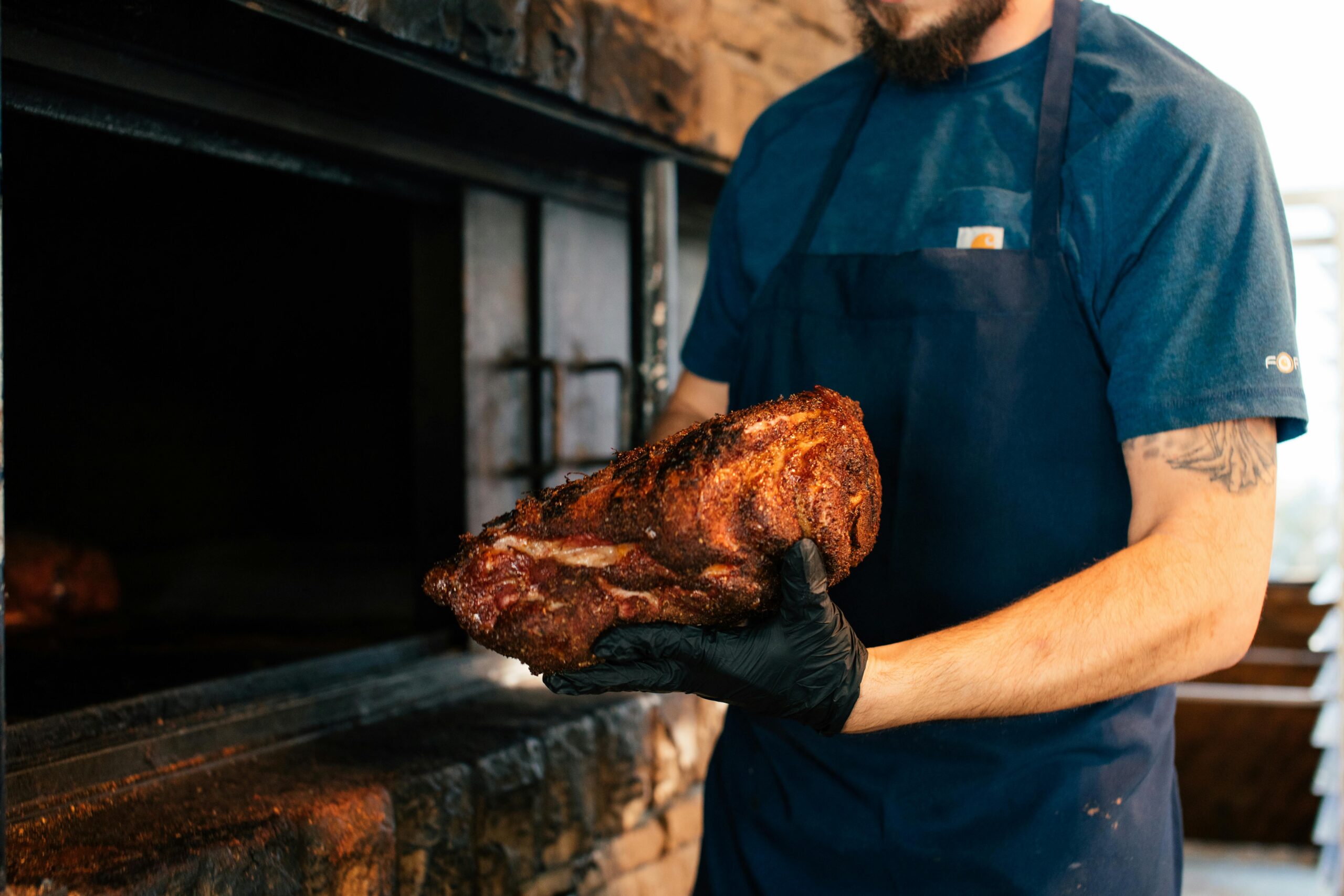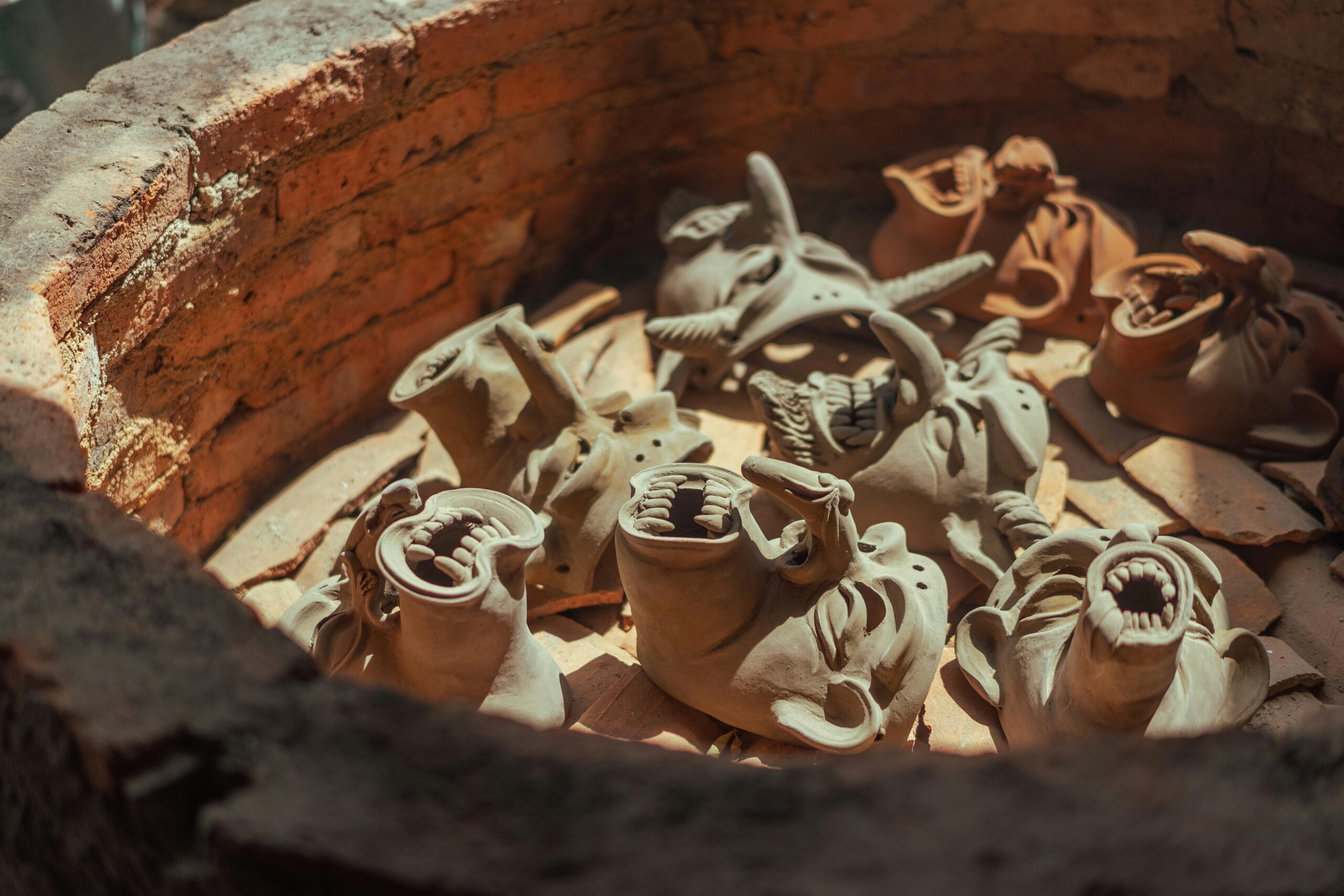
Layered stone and clay structures have been used for centuries to create exceptional cooking environments that distribute heat evenly and efficiently, transforming ordinary cooking into culinary mastery.

🔥 The Ancient Wisdom Behind Layered Heat Systems
Throughout human history, civilizations across the globe discovered that combining stone and clay in layered arrangements produced superior cooking results. From the traditional tandoor ovens of India to the Roman hypocaust systems, these structures demonstrate an intuitive understanding of thermodynamics that modern science has only recently begun to fully appreciate.
The secret lies in how different materials absorb, retain, and radiate heat at varying rates. Stone and clay, when strategically layered, create a thermal battery that moderates temperature fluctuations and creates a stable cooking environment that gas and electric ovens struggle to replicate.
Understanding the principles behind these ancient designs allows modern builders and cooking enthusiasts to recreate or improve upon these time-tested methods. Whether you’re constructing a backyard pizza oven, a traditional bread-baking structure, or an elaborate outdoor kitchen, mastering heat distribution through layered construction is essential for achieving professional-quality results.
📚 Understanding the Science of Thermal Mass
Thermal mass refers to a material’s ability to absorb and store heat energy. Materials with high thermal mass, like stone and clay, take longer to heat up but also take considerably longer to cool down. This characteristic is precisely what makes them ideal for even heat distribution in cooking applications.
When you build a structure with multiple layers of different materials, each layer interacts with heat differently. The inner layers directly exposed to the fire source heat rapidly and transfer energy outward. The outer layers act as insulators and heat reservoirs, creating a buffer that prevents rapid heat loss and maintains consistent temperatures.
The interface between stone and clay layers creates what engineers call thermal gradients. These gradients allow heat to flow smoothly from hot to cool areas, eliminating hot spots and cold zones that plague conventional ovens. The result is food that cooks uniformly from all sides, producing superior texture, flavor, and appearance.
Key Properties of Stone in Heat Distribution
Stone materials bring specific advantages to layered heating structures. Dense stones like granite, soapstone, and basalt have excellent heat retention properties. They can withstand extreme temperatures without cracking or degrading, making them ideal for the innermost layers that face direct flame exposure.
Different stone types offer varying thermal conductivity rates. Soapstone, for instance, heats slowly but radiates warmth gently and persistently. Granite conducts heat more rapidly, making it suitable for surfaces where you want quick temperature response. Understanding these differences allows you to select the right stone for each layer of your structure.
Stone also provides structural integrity to the construction. Its compressive strength supports the weight of multiple layers while maintaining the critical air gaps and spaces that contribute to proper heat circulation throughout the structure.
The Unique Characteristics of Clay
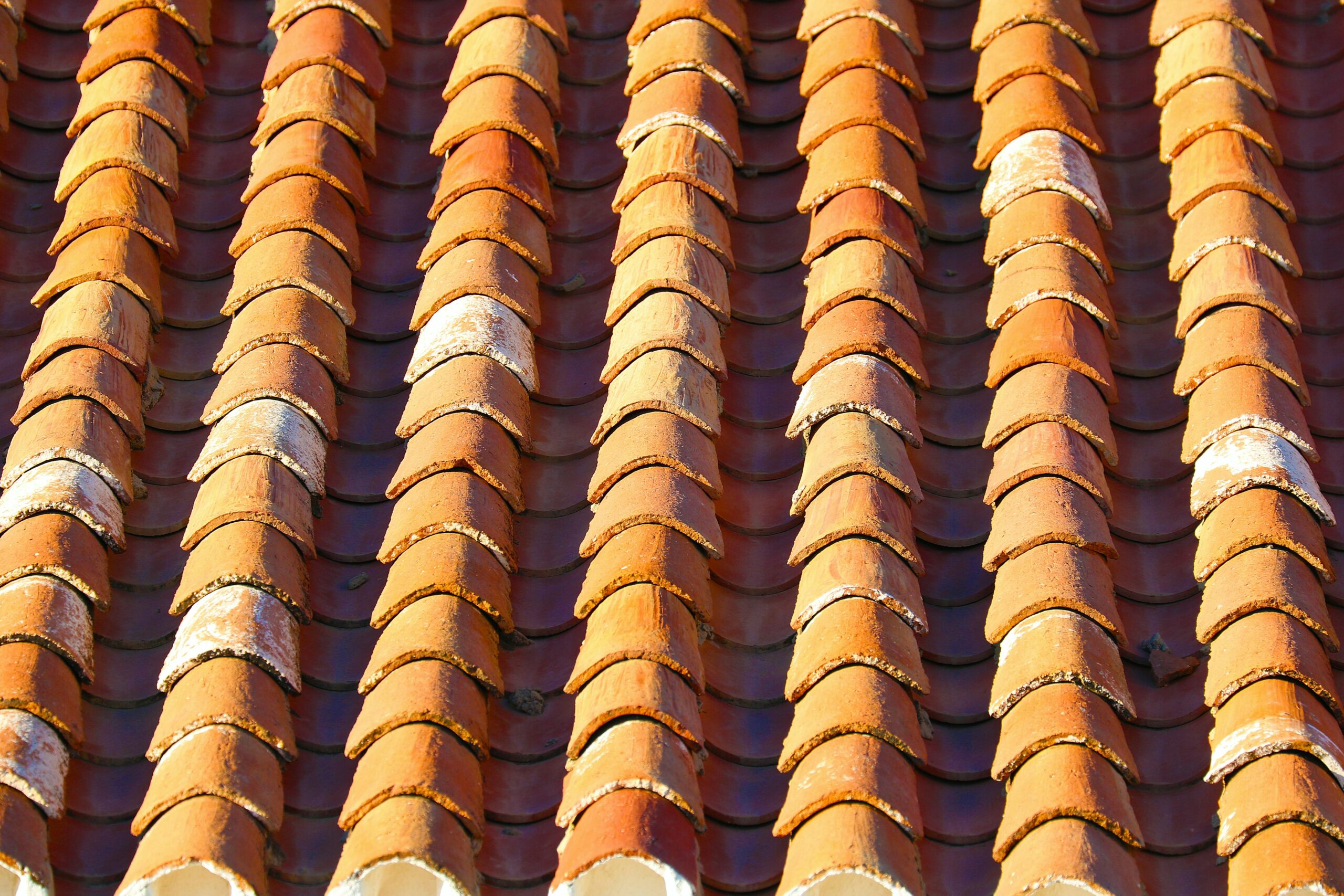
Clay serves a complementary role in layered heat systems. Its moldable nature before firing allows for creating custom shapes, sealed joints, and smooth surfaces that optimize airflow and heat reflection. Once fired or cured, clay becomes a ceramic material with impressive insulating properties.
Clay’s porosity is a hidden advantage. The microscopic air pockets within clay structures trap heat and slow its escape, functioning like millions of tiny insulation chambers. This property makes clay particularly effective in outer layers where heat retention is more important than rapid heat transfer.
Traditional clay mixtures often include additives like straw, sand, or volcanic ash. These materials modify the clay’s thermal properties, structural strength, and resistance to thermal shock. Experimenting with different clay compositions allows builders to fine-tune the performance characteristics of each layer.
🏗️ Designing Your Layered Structure
Successful heat distribution begins with thoughtful design. The number of layers, their thickness, material selection, and arrangement all dramatically impact the final performance of your structure. Professional builders typically use three to five distinct layers, each serving a specific thermal function.
The innermost cooking layer must withstand direct flame contact and food interaction. Food-grade firebricks or dense refractory stones are common choices. This layer should be smooth, cleanable, and capable of enduring temperatures exceeding 900°F (482°C) without deterioration.
Middle layers provide the primary thermal mass and heat distribution functions. These typically consist of thicker stone sections, sometimes interspersed with clay mortar or insulating materials. The goal is creating sufficient mass to stabilize temperature while facilitating lateral heat spread across the entire cooking surface.
Layer Thickness Ratios
The relative thickness of each layer significantly affects heating performance. A general guideline for wood-fired cooking structures includes a 2-3 inch cooking floor, a 4-6 inch thermal mass layer, a 2-3 inch insulation layer, and a final protective exterior layer of 1-2 inches.
These ratios shift depending on your intended use. Bread ovens benefit from thicker thermal mass layers that maintain steady heat for hours. Pizza ovens might use thinner, more responsive layers that heat quickly and allow temperature adjustments between cooking sessions.
Air gaps between certain layers can dramatically improve insulation effectiveness. Even a half-inch air space acts as a thermal break, preventing heat loss while maintaining structural stability. Strategic placement of these gaps requires careful planning during the construction phase.
🛠️ Construction Techniques for Optimal Performance
Building a layered stone and clay structure requires patience and attention to detail. Rushing the construction process inevitably leads to cracks, inefficient heat distribution, and shortened lifespan. Each layer must be properly cured or set before adding the next, and materials must be compatible to prevent differential expansion problems.
Start with a solid, level foundation that can support the substantial weight of multiple stone and clay layers. Proper drainage around the foundation prevents moisture infiltration that can compromise the structure’s integrity and thermal performance.
When laying stone components, maintain consistent joint spacing and use appropriate mortars. High-temperature refractory mortar is essential for inner layers, while clay-based mortars work well in cooler outer sections. Avoid using cement-based products in high-heat areas, as they will eventually fail.
Clay Application Methods
Clay layers can be applied through various techniques, each offering different advantages. Slip coating involves applying liquid clay in multiple thin coats, building up thickness gradually. This method creates dense, crack-resistant layers ideal for final surface treatments.
Cob construction uses clay mixed with fibrous materials to create thick, sculptural layers. This technique allows for creative shapes and excellent insulation properties but requires longer curing times. The fibrous elements provide tensile strength that pure clay lacks, reducing cracking as the material dries.
Compressed earth blocks offer a more modern approach to clay layers. These manufactured units provide consistent quality and dimensional accuracy, speeding construction while maintaining traditional thermal properties. They work particularly well for structural outer layers.
🌡️ Temperature Management in Layered Systems
Once your structure is built and cured, understanding how to manage its thermal behavior becomes crucial. Layered stone and clay systems respond differently than conventional cooking appliances, requiring new techniques and approaches to temperature control.
Initial heating periods are longer with thermal mass structures. Plan for two to three hours of firing before reaching optimal cooking temperatures. This slow heating allows the layers to warm evenly and prevents thermal shock that could crack the materials.
Temperature monitoring requires multiple measurement points. The surface temperature where food cooks often differs significantly from the dome or wall temperatures. Infrared thermometers provide quick surface readings, while embedded thermocouples can track interior layer temperatures over time.
Heat Retention and Recovery
The true advantage of layered construction becomes apparent after the initial heating. Once saturated with heat, the structure maintains cooking temperatures for extended periods without additional fuel. This heat retention enables sequential cooking of different dishes without reheating.
Heat recovery time between cooking sessions is faster than initial heating because the thermal mass remains warm. Adding small amounts of fuel quickly restores cooking temperatures, making these structures remarkably fuel-efficient compared to conventional ovens.
Overnight heat retention varies based on layer thickness and insulation quality. Well-designed structures can retain enough warmth for baking bread 12-24 hours after the fire has gone out, utilizing residual heat that would otherwise be wasted.
🍕 Cooking Applications and Techniques
Mastering even heat distribution opens up extraordinary cooking possibilities. The stable, radiant heat from layered stone and clay structures produces results that conventional ovens simply cannot match. Understanding how to leverage these thermal characteristics elevates your culinary capabilities.
Pizza baking benefits tremendously from even heat distribution. The simultaneous top and bottom heat creates the perfect balance of crispy crust and properly melted toppings. The thermal mass prevents temperature drops when loading cold dough, maintaining consistency across multiple pizzas.
Bread baking in retained heat ovens produces superior crust development and crumb structure. The falling temperature curve as the oven slowly cools creates ideal conditions for different bread types. Hearty loaves go in first at higher temperatures, while delicate pastries bake later in the gentler heat.
Roasting and Slow Cooking
Roasted vegetables and meats develop exceptional caramelization in layered stone ovens. The even radiant heat browns surfaces uniformly while the moist internal environment prevents drying. This combination creates textures and flavors impossible to achieve with dry, forced-air heating.
Slow-cooked dishes like casseroles, stews, and braises benefit from the gentle, surrounding heat. The thermal stability eliminates hot spots that can cause scorching in conventional ovens. Dishes cook evenly from all sides, requiring less attention and stirring.
The residual heat phase offers unique opportunities for dehydrating, yogurt making, and other low-temperature applications. This “free” heat extends the utility of your structure and maximizes energy efficiency.
🔧 Maintenance and Longevity
Properly constructed layered stone and clay structures can last for decades with minimal maintenance. However, understanding their care requirements ensures optimal performance and prevents premature deterioration.
Regular cleaning of cooking surfaces prevents buildup that can affect heat transfer and create unpleasant flavors. Use brass brushes rather than steel, which can leave metallic residue. Avoid harsh chemicals that might penetrate porous surfaces and affect food safety.
Inspect joints and mortar annually, repairing any cracks or gaps promptly. Small cracks are normal as materials expand and contract with temperature changes, but large gaps can compromise structural integrity and allow heat escape.
Weather Protection
Outdoor structures require protection from the elements. Water infiltration is the primary enemy of clay and stone construction. Proper roofing or covers prevent rain from saturating the materials, which can lead to freeze-thaw damage in cold climates.
Breathing covers that allow moisture evaporation while blocking rain work better than completely sealed tarps. The structure needs to dry out between uses to prevent mold growth and maintain thermal properties.
In regions with harsh winters, consider applying breathable waterproofing sealants to outer clay layers. These products shed water while allowing water vapor to escape, protecting the structure without trapping moisture inside.
⚡ Optimizing Energy Efficiency
Layered stone and clay structures represent one of the most energy-efficient cooking methods available. Once heated, they require minimal additional fuel to maintain cooking temperatures, and their radiant heat transfer is far more efficient than convection or forced-air systems.
Fuel efficiency improves with proper firing techniques. Using well-seasoned hardwood in appropriately sized pieces creates hot, clean-burning fires that heat the structure without wasting energy. Avoid over-firing, which drives heat through the structure too quickly for the thermal mass to absorb.
Batch cooking maximizes the return on your heating investment. Plan menus that utilize the full temperature range as the oven naturally cools. Start with high-temperature pizzas or flatbreads, move to roasted dishes in the moderate heat phase, and finish with slow-baked items in the retained heat period.
Comparing Energy Inputs
When comparing energy consumption, consider the complete cycle. A wood-fired stone oven might use 20-30 pounds of wood to reach temperature, representing approximately 200,000-300,000 BTUs. However, this single heating can cook 20-30 pizzas, several bread batches, and multiple roasted dishes over 12-18 hours.
An electric oven running for comparable cooking time would consume 40-60 kWh of electricity, equivalent to 136,000-204,000 BTUs of electrical energy, though it represents 400,000-600,000 BTUs of source energy when accounting for power generation efficiency. The thermal mass structure’s ability to retain and utilize heat makes it remarkably efficient despite seeming primitive.
🎨 Creative Customization Options
Beyond functional performance, layered stone and clay structures offer tremendous aesthetic and customization potential. The exterior layers become canvases for creative expression while maintaining their thermal functions.
Decorative tile work, carved relief patterns, and colored clay finishes personalize your structure. These embellishments don’t compromise performance if applied to outer layers that don’t experience extreme temperatures.
Structural shapes can be adapted to available space and aesthetic preferences. Dome shapes are traditional and thermally efficient, but barrel vaults, rectangular forms, and hybrid designs all work well when properly engineered. The key is maintaining appropriate layer thicknesses and material ratios regardless of overall shape.
🌍 Environmental and Sustainability Benefits
Building with stone and clay aligns with sustainable living principles. Both materials are abundant, require minimal processing, and have negligible embodied energy compared to modern manufactured products. At end of life, structures return to the earth without environmental contamination.
Renewable fuel sources like sustainably harvested wood make these structures carbon-neutral cooking solutions. The complete combustion achieved in properly designed fire chambers produces minimal particulate emissions compared to conventional woodstoves.
The durability and longevity of well-built structures means resources invested in construction provide decades of service. This stands in stark contrast to disposable consumer appliances that require frequent replacement and generate electronic waste.
🎓 Learning From Traditional Builders
Indigenous and traditional cultures worldwide have perfected layered heat structures over millennia. Studying these time-tested designs provides insights that complement modern engineering understanding. The specific materials, proportions, and techniques evolved through generations of experimentation in diverse climates and conditions.
Apprenticing with experienced builders accelerates your learning curve. Hands-on experience with material selection, mixing ratios, and construction sequences prevents costly mistakes. Many regions have traditional builders willing to share knowledge with dedicated students.
Documentation and preservation of traditional building techniques ensures this wisdom remains available to future generations. Photography, video recording, and detailed written descriptions capture methods that might otherwise disappear as modernization replaces traditional practices.
Mastering the art of even heat distribution through layered stone and clay construction opens a world of culinary possibilities while connecting you to ancient building traditions. The thermal stability, energy efficiency, and superior cooking results make these structures worthwhile projects for serious cooking enthusiasts and sustainable living advocates. Whether building a simple backyard oven or an elaborate outdoor kitchen, the principles of layered construction and thermal mass management provide the foundation for decades of exceptional cooking experiences. The investment in time, materials, and learning pays dividends in every perfectly cooked meal that emerges from your hand-built structure.