Solar cooking transforms the simple act of preparing food into an extraordinary culinary adventure, harnessing nature’s most abundant energy source to create dishes with unparalleled depth and character.

🌞 The Revolutionary Power of Sun-Powered Cooking
The concept of cooking with solar energy might seem like a modern eco-friendly trend, but humans have been experimenting with sun-powered food preparation for centuries. What’s truly exciting about solar ovens today is how they’ve evolved from simple reflective boxes into sophisticated cooking instruments capable of producing restaurant-quality meals with distinctive textures and flavors that traditional cooking methods struggle to replicate.
Solar ovens work by capturing and concentrating sunlight, converting solar radiation into thermal energy that slowly and evenly cooks food. This gentle heating process creates a unique cooking environment where temperatures typically range between 200°F and 400°F (93°C to 204°C), depending on the oven design, weather conditions, and time of day. The magic lies not just in the heat itself, but in how that heat transforms ingredients over time.
Understanding the Science Behind Solar Cooking Magic
The transformation that occurs inside a solar oven differs fundamentally from conventional cooking methods. When you place food in a solar cooker, you’re creating a closed environment where heat builds gradually and circulates evenly. This controlled temperature environment prevents the harsh temperature spikes that can toughen proteins or scorch delicate ingredients.
The infrared radiation absorbed by dark cooking pots transfers heat directly to food while the greenhouse effect within the cooking chamber maintains consistent ambient temperature. This dual heating mechanism ensures that food cooks through thoroughly without developing the dried-out exteriors or unevenly cooked centers that sometimes plague conventional ovens.
Temperature Dynamics and Texture Development
One of the most fascinating aspects of solar cooking is how lower, sustained temperatures affect food texture. Collagen in meats breaks down slowly and completely, transforming tough cuts into tender, succulent dishes. Starches gelatinize perfectly, creating fluffy rice and pasta with ideal al dente texture. Vegetables retain their cellular structure better, maintaining a pleasant bite while becoming perfectly tender.
The moisture retention in solar ovens is particularly impressive. Because the cooking chamber remains sealed and temperatures rise gradually, foods release their natural juices slowly and reabsorb them throughout the cooking process. This self-basting effect intensifies flavors while maintaining moisture levels that would be impossible to achieve in conventional dry-heat cooking.
🍲 Flavor Profiles That Only Sunshine Can Create
Perhaps the most compelling reason to embrace solar cooking is the distinctive flavor development it provides. The extended cooking times at moderate temperatures allow for complex Maillard reactions to occur without burning, creating deep, rich flavors with subtle caramelization notes.
Herbs and spices behave differently in solar ovens too. Rather than the sharp, immediate impact you get from high-heat cooking, aromatics infuse slowly and thoroughly into dishes, creating layers of flavor that develop and deepen throughout the cooking process. Garlic becomes sweet and mellow, cumin develops earthy complexity, and fresh herbs maintain their essential oils while releasing their flavors gradually.
The Slow-Cooking Advantage
Solar ovens function similarly to slow cookers but with an important distinction: the cooking environment is drier and more varied. This creates a unique combination of braising and roasting effects. Stews and curries develop concentrated flavors as liquid slowly reduces, while roasted items develop appealing surface textures alongside tender interiors.
Baked goods present fascinating possibilities in solar ovens. Breads develop thick, chewy crusts with soft, airy crumbs. Cakes rise evenly and maintain exceptional moisture. Cookies bake through without burning edges, achieving consistent texture from center to edge.
Mastering Texture Control in Solar Cooking
Achieving perfect texture in solar cooking requires understanding how to work with the sun’s rhythm rather than against it. Unlike conventional cooking where you control temperature with a dial, solar cooking demands attention to timing, positioning, and preparation techniques.
Protein Perfection Under the Sun ☀️
Cooking proteins in solar ovens yields remarkable results when approached correctly. Chicken emerges with crispy skin and juicy meat that practically falls off the bone. Fish cooks through gently without becoming dry or flaky. Even notoriously tough cuts of beef transform into fork-tender delicacies.
The key to protein success lies in preparation and patience. Marinating meats before solar cooking allows flavors to penetrate deeply during the extended cooking time. Searing is unnecessary because the gradual temperature increase prevents moisture loss while the sustained moderate heat breaks down connective tissues completely.
Vegetable Transformations
Vegetables undergo spectacular transformations in solar ovens. Root vegetables develop concentrated sweetness as their natural sugars caramelize slowly. Tomatoes become jammy and intensely flavored. Peppers soften and sweeten while maintaining structural integrity. Leafy greens like kale and collards become tender without turning mushy.
The secret to perfect solar-cooked vegetables is cutting them to appropriate sizes. Larger pieces maintain better texture over extended cooking times, while smaller cuts cook faster but require more attention to prevent overcooking. Coating vegetables lightly in oil helps promote even browning and prevents excessive dehydration.
Strategic Techniques for Maximum Flavor Impact
Experienced solar cooks develop specific techniques to maximize flavor development. Layering ingredients strategically, using dark-colored cookware for better heat absorption, and understanding how different foods interact during extended cooking times all contribute to superior results.
Building Flavor Layers
Unlike quick stovetop cooking where ingredients are added in rapid succession, solar cooking benefits from thoughtful initial arrangement. Placing aromatic vegetables on the bottom allows them to caramelize and create a flavorful base. Positioning meats above vegetables lets their juices drip down, enriching everything below. Adding delicate herbs near the end of cooking preserves their fresh notes while still allowing infusion.
Creating flavor complexity also means understanding which ingredients intensify during long cooking and which become muted. Dried spices generally become stronger, so using slightly less than conventional recipes call for prevents overwhelming dishes. Fresh citrus zest maintains its brightness better than juice, which can become bitter with extended heat exposure.
🌮 Recipe Categories That Shine in Solar Ovens
Certain dishes particularly excel when prepared with solar energy. Understanding which recipes naturally suit this cooking method helps build confidence and ensures consistently impressive results.
One-Pot Wonders
Casseroles, stews, curries, and grain-based dishes thrive in solar ovens. The even heat distribution and moisture retention create perfectly melded flavors and ideal textures. Rice pilaf emerges fluffy and separate, beans cook through completely without splitting, and casseroles develop golden tops with creamy interiors.
Artisan Breads and Baked Goods
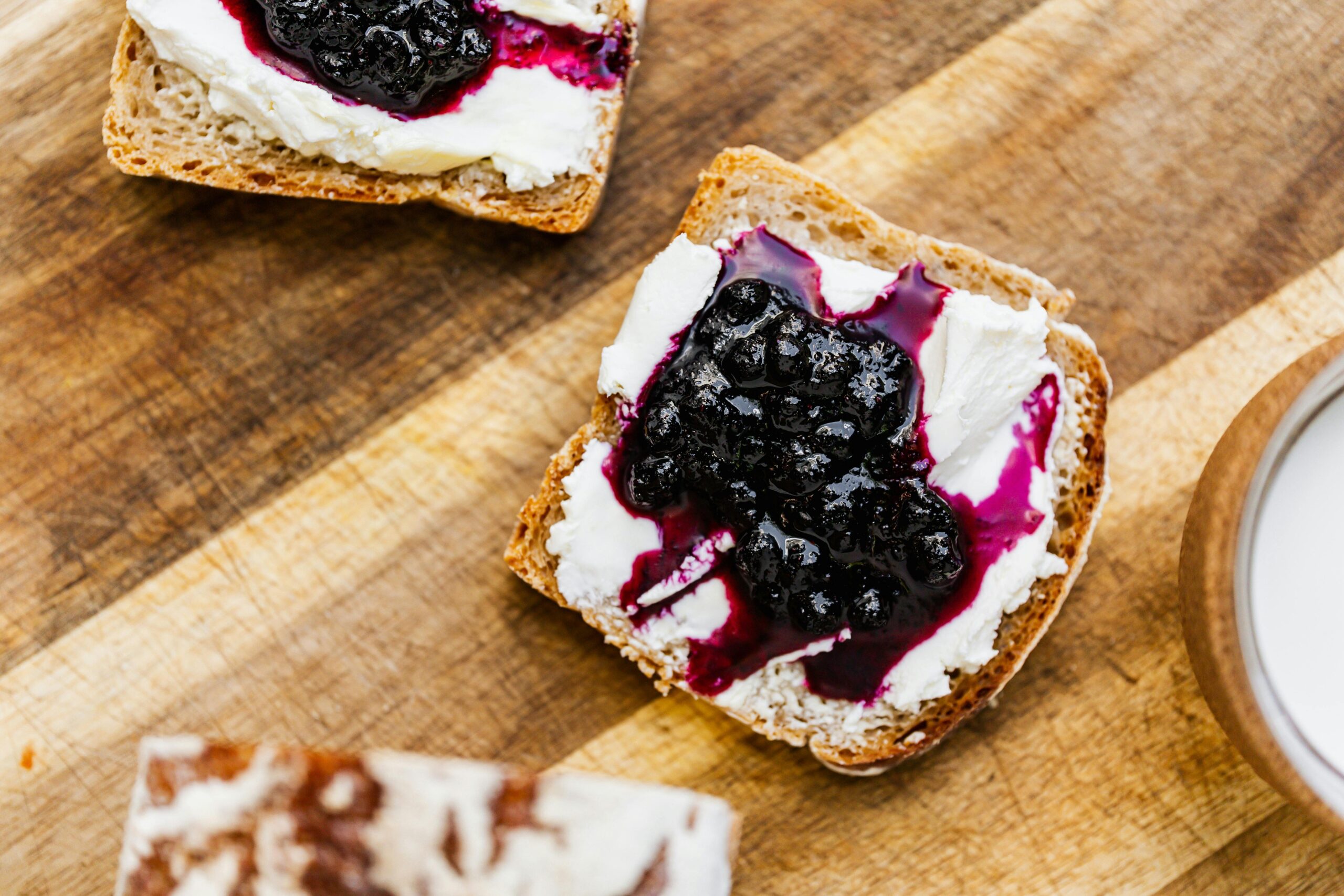
Bread baking in solar ovens produces remarkable results. The gradual temperature increase allows dough to rise fully before crusts set, resulting in exceptional oven spring. The enclosed environment creates steam naturally, producing crispy crusts without requiring additional techniques. Whole grain breads particularly benefit, as the moderate temperatures prevent the bitterness that can develop when bran compounds cook too quickly at high heat.
Slow-Roasted Meats
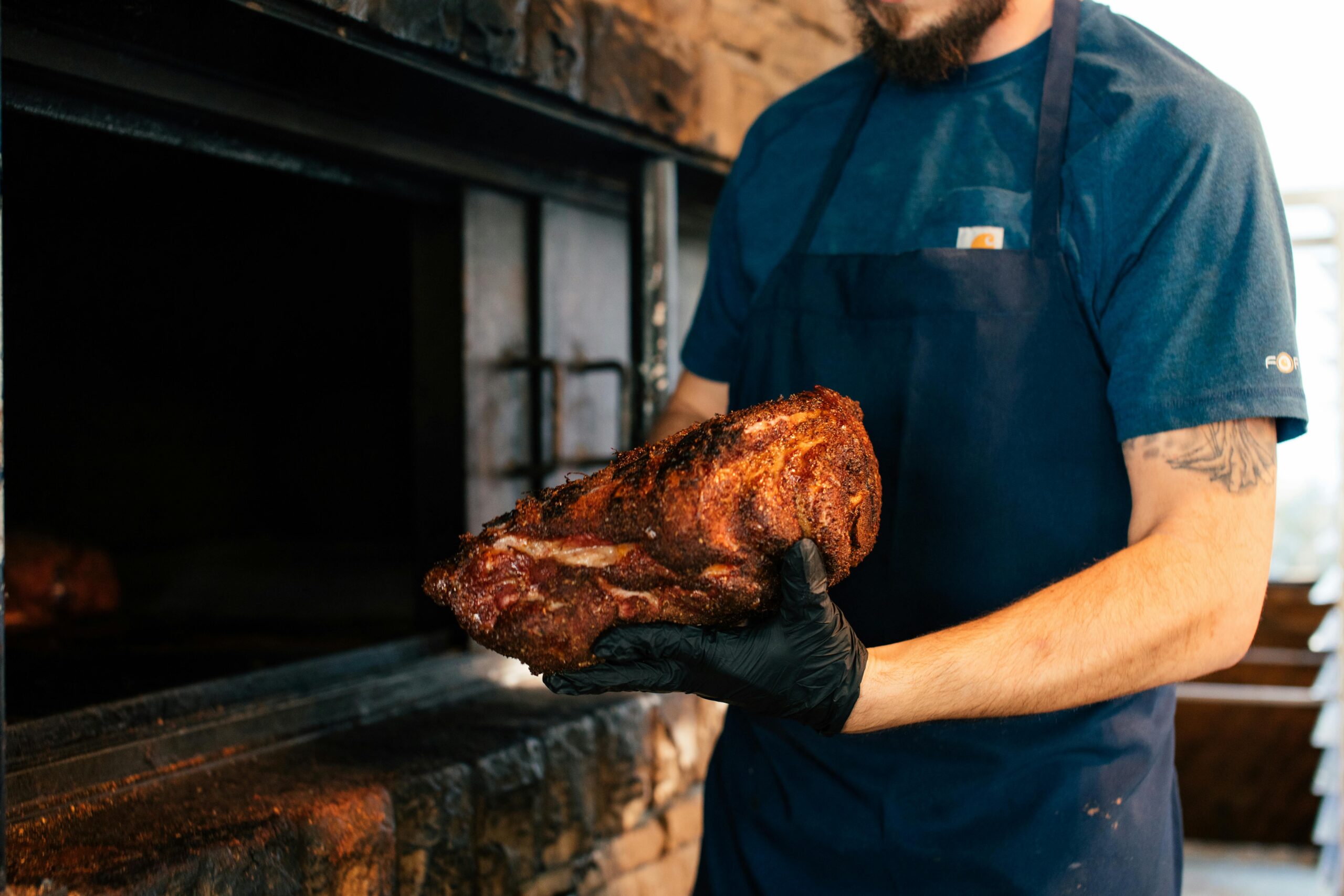
Large cuts of meat reach new heights in solar ovens. Pork shoulder becomes succulent pulled pork with minimal effort. Whole chickens roast evenly with crispy skin. Beef roasts develop beautiful crusts while maintaining rosy, tender interiors. The self-basting environment eliminates the need for constant attention, allowing you to focus on other preparations.
Overcoming Common Solar Cooking Challenges
While solar cooking offers tremendous benefits, it does present unique challenges. Understanding these obstacles and developing strategies to address them ensures consistent success.
Weather Dependency Solutions
The most obvious challenge is sunlight availability. Cloudy days reduce cooking efficiency, though many solar ovens still function adequately in partial sun. Strategic planning helps—preparing dishes that tolerate variable cooking times, having backup cooking methods available, and checking weather forecasts before committing to solar cooking sessions.
Seasonal variations affect cooking times significantly. Summer provides longer cooking windows with stronger sunlight, perfect for complex dishes requiring extended cooking. Winter solar cooking remains viable but demands shorter cooking times and simpler recipes that complete before sunlight wanes.
Temperature Monitoring and Timing
Unlike conventional ovens with precise temperature controls, solar ovens require understanding visual and timing cues. Investing in a good oven thermometer helps track internal temperatures. Learning to recognize doneness indicators specific to solar cooking—such as how condensation patterns change inside the cooking chamber—builds intuition over time.
Enhancing Texture Through Equipment Choices 🍳
The cookware and accessories used in solar cooking significantly impact final texture and flavor. Dark-colored pots and pans absorb heat more efficiently, reducing cooking times and promoting better browning. Cast iron develops exceptional crusts on breads and roasted items. Enamel-coated cookware distributes heat evenly while preventing metallic flavors.
Cooking bags designed for oven use create mini-braising environments within the solar oven, intensifying steam circulation around foods. This technique works beautifully for vegetables, fish, and chicken, producing incredibly tender results with concentrated flavors.
Maximizing Heat Retention
Using lids effectively controls moisture levels and heat retention. Tight-fitting lids trap steam and maintain higher internal temperatures, ideal for dishes requiring thorough cooking like beans or grains. Partially covering dishes allows excess moisture to escape, perfect for developing concentrated sauces or achieving crispier textures on roasted items.
The Culinary Adventure Continues
Solar cooking represents more than just an alternative cooking method—it’s a complete reimagining of how heat, time, and ingredients interact to create memorable meals. The textures achieved through patient, sun-powered cooking possess a quality that conventional methods struggle to replicate: a tenderness born from gentle, sustained heat and a depth of flavor that develops only when food transforms slowly under natural conditions.
Every solar cooking session becomes an opportunity to connect with natural rhythms, to observe how sunlight intensity changes throughout the day, and to develop intuition about how these variations affect your food. The skills developed through solar cooking—patience, observation, strategic planning, and creative problem-solving—transfer beautifully to all areas of culinary endeavor.
🌟 Embracing the Sun-Kissed Lifestyle
The magic of solar cooking extends beyond the plate. There’s something profoundly satisfying about preparing meals using only sunshine—no electricity bills, no fossil fuels, just pure solar energy transformed into delicious food. This connection to elemental forces creates a deeper appreciation for both the food we eat and the energy we consume.
As you develop your solar cooking skills, you’ll discover personal preferences and techniques that work best for your climate, equipment, and taste preferences. You’ll learn which herbs maintain their character through long cooking, which vegetables develop the most appealing textures, and how to coax maximum flavor from every ingredient through strategic positioning and timing.
The textures and flavors possible in solar ovens represent uncharted territory for many home cooks. The tender, deeply flavored meats, the perfectly cooked grains with each kernel distinct, the vegetables that maintain their identity while achieving ideal tenderness—these outcomes demonstrate that solar cooking isn’t merely an alternative method but often a superior one.
Whether you’re driven by environmental concerns, curiosity about alternative cooking methods, or simply the desire to create extraordinary food with distinctive character, solar cooking offers endless possibilities for culinary exploration. Each sun-kissed dish you create will deepen your understanding of how heat, time, and natural energy combine to produce textures and flavors that conventional cooking cannot duplicate. The journey toward mastering solar cooking is as rewarding as the remarkable meals it produces.