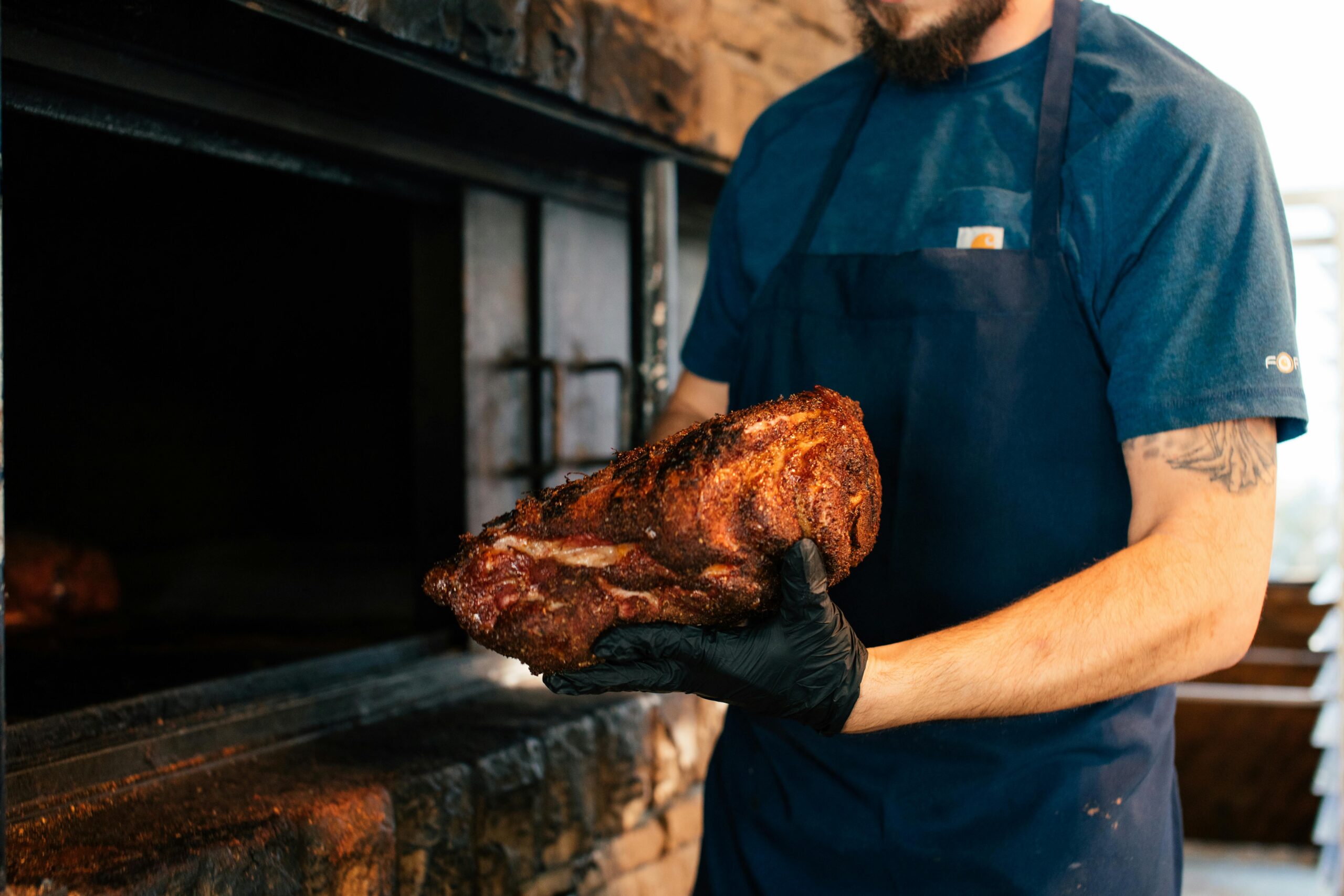
The outdoor cooking landscape is undergoing a remarkable transformation as passive solar innovations merge with traditional grilling methods, creating sustainable and efficient solutions for nature enthusiasts and backyard chefs alike.

🌞 Understanding Passive Solar Technology in Outdoor Cooking
Passive solar cooking represents a revolutionary approach to preparing meals outdoors without relying on conventional fuel sources. This technology harnesses the sun’s natural energy through carefully designed reflectors, absorbers, and insulated containers that capture and concentrate heat to cook food efficiently.
Unlike active solar systems that require pumps or electrical components, passive solar cookers operate entirely on natural convection and radiation. This fundamental principle makes them incredibly reliable, maintenance-free, and accessible to anyone with access to sunlight. The technology has evolved significantly from simple box cookers to sophisticated parabolic designs capable of reaching temperatures exceeding 400°F.
The science behind passive solar cooking involves three primary heat transfer mechanisms: direct radiation from the sun, conversion of light to heat energy, and retention of that heat within an insulated cooking chamber. Modern innovations have optimized each of these processes, resulting in devices that can rival traditional cooking methods in both speed and versatility.
The Evolution of Solar Cooking Technology
Solar cooking technology has progressed dramatically since Horace de Saussure created the first solar box cooker in 1767. Early designs were rudimentary, consisting of simple glass boxes that trapped heat through the greenhouse effect. These primitive devices demonstrated the concept but lacked the efficiency needed for practical everyday use.
The 20th century brought significant advancements, particularly during the 1950s and 1960s when researchers began experimenting with reflective materials and parabolic concentrators. These innovations dramatically increased cooking temperatures and reduced cooking times, making solar cooking a viable alternative to traditional methods.
Today’s passive solar cookers incorporate space-age materials, precision-engineered reflectors, and advanced insulation technologies. Vacuum-insulated cooking vessels, UV-resistant reflective surfaces, and temperature-regulating phase-change materials have transformed solar cooking from a survival technique into a sophisticated culinary method.
🔥 Types of Revolutionary Passive Solar Cookers
Box-Style Solar Ovens
Box-style solar ovens remain the most popular and versatile passive solar cooking devices. These insulated boxes feature transparent tops and reflective interior surfaces that trap and concentrate solar radiation. Modern versions incorporate double-glazed tempered glass, adjustable reflector panels, and advanced insulation materials that maintain consistent cooking temperatures even as the sun moves across the sky.
The latest box-style innovations include integrated temperature gauges, multiple cooking racks, and collapsible designs for portability. Some premium models feature automatic sun-tracking mechanisms that adjust the cooker’s angle throughout the day, maximizing heat absorption without manual intervention.
Parabolic Solar Concentrators
Parabolic solar cookers use curved reflective surfaces to focus sunlight onto a central cooking point, creating intense heat capable of boiling water, frying foods, and even searing meats. These devices represent the high-performance category of passive solar cooking, offering cooking speeds comparable to conventional gas burners.
Recent innovations in parabolic design include segmented reflectors for easier transport, protective cooking chambers that shield food from wind and insects, and dual-axis tracking systems. These improvements have made parabolic cookers more practical for regular outdoor use while maintaining their impressive heating capabilities.
Panel-Style Solar Cookers
Panel cookers strike a balance between portability and performance, using flat reflective panels arranged to direct sunlight into a central cooking bag or pot. These lightweight designs fold flat for storage and transport, making them ideal for camping, hiking, and emergency preparedness.
Modern panel cooker innovations include reinforced cardboard construction with weather-resistant coatings, magnetic assembly systems for quick setup, and transparent cooking bags with enhanced heat retention properties. These improvements have made panel cookers increasingly popular among outdoor enthusiasts seeking minimal-weight cooking solutions.
⚡ Innovative Materials Driving Solar Cooking Forward
Material science breakthroughs have been instrumental in advancing passive solar cooking technology. High-performance reflective films now achieve reflectivity rates exceeding 95%, dramatically improving heat concentration compared to traditional aluminum foil or polished metal surfaces.
Aerogel insulation, originally developed for aerospace applications, provides exceptional thermal retention in a lightweight, compact form. This translucent material allows light to enter the cooking chamber while preventing heat escape, significantly improving cooking efficiency during partly cloudy conditions or lower sun angles.
Phase-change materials (PCMs) represent another groundbreaking innovation. These substances absorb excess heat during peak sunlight hours and release it gradually as temperatures drop, extending cooking times into early evening and providing more consistent temperatures throughout the cooking process.
Selective surface coatings on cooking pots maximize heat absorption while minimizing re-radiation. These specialized finishes can increase cooking vessel temperatures by 20-30% compared to standard black paint, reducing overall cooking times substantially.
🌍 Environmental Impact and Sustainability Benefits
The environmental advantages of passive solar cooking extend far beyond eliminating cooking fuel consumption. By reducing dependence on charcoal, propane, and wood, solar cookers help combat deforestation, decrease greenhouse gas emissions, and improve air quality in both developed and developing regions.
In developing countries where cooking fuel represents a significant household expense and environmental burden, passive solar cookers offer transformative potential. Studies indicate that widespread solar cooker adoption could reduce carbon dioxide emissions by millions of tons annually while preserving forests and reducing indoor air pollution-related health issues.
For outdoor enthusiasts in developed nations, solar cooking eliminates the need to transport heavy fuel containers, reduces campsite waste, and minimizes fire risk in drought-prone areas. This sustainable approach aligns perfectly with leave-no-trace principles and modern environmental consciousness.
The manufacturing process for quality solar cookers also demonstrates environmental responsibility, with many companies using recycled materials, sustainable production methods, and carbon-neutral shipping practices. The long lifespan of well-constructed solar cookers further enhances their environmental credentials, with many units providing decades of fuel-free cooking.
Practical Applications Beyond Traditional Cooking
Modern passive solar cooking technology has evolved beyond simply preparing meals. These versatile devices serve multiple functions that enhance outdoor living and emergency preparedness.
Water pasteurization represents one of the most valuable applications. Solar cookers easily reach temperatures sufficient to eliminate waterborne pathogens, providing safe drinking water without fuel consumption or complex filtration systems. Specialized water pasteurization indicators help users confirm when water has reached safe temperatures.
Food dehydration offers another practical application. The consistent, moderate temperatures achieved in box-style solar ovens create ideal conditions for preserving fruits, vegetables, and meats. This capability extends food storage options for campers, homesteaders, and off-grid enthusiasts.
Sterilization of medical instruments, baby bottles, and camping equipment provides crucial functionality in remote locations or emergency situations. The high temperatures achieved in solar cookers effectively eliminate bacteria and viruses without requiring chemical disinfectants.
🍳 Culinary Possibilities with Solar Cooking
Contemporary passive solar cookers accommodate an impressive range of cooking techniques and recipes. From slow-roasted meats to baked breads, solar cooking delivers results that rival conventional methods while adding unique flavor profiles.
Slow-cooking applications particularly excel in solar ovens, with stews, roasts, and casseroles developing rich, complex flavors during extended cooking periods. The gentle, even heat prevents burning and requires minimal monitoring, allowing outdoor enthusiasts to prepare elaborate meals while enjoying other activities.
Baking represents another strength of modern solar ovens. Breads, cakes, cookies, and pastries achieve excellent results, with some solar cooking enthusiasts reporting superior texture and moisture retention compared to conventional ovens. The lack of direct flame contact eliminates hot spots and promotes even browning.
Grilling and frying become possible with high-temperature parabolic concentrators. These powerful devices can sear steaks, stir-fry vegetables, and even pop popcorn with performance approaching traditional outdoor grills. The key difference lies in the absence of smoke and the precise temperature control available through reflector adjustment.
Overcoming Weather and Environmental Challenges
While passive solar cooking depends on sunlight availability, modern innovations have significantly expanded usable cooking conditions. Advanced designs maintain functionality during partly cloudy weather, lower sun angles, and cooler ambient temperatures.
Hybrid solar cookers incorporate supplemental heating elements powered by small solar panels, allowing continued operation during marginal weather conditions. These systems maintain the environmental benefits of solar cooking while providing backup capability when natural sunlight proves insufficient.
Wind management represents another important consideration. Protective shields and enclosed cooking chambers prevent heat loss from wind while maintaining the light transmission necessary for solar heating. These features prove particularly valuable in exposed camping locations or windy coastal areas.
Seasonal adaptation techniques help maximize solar cooking potential throughout the year. Adjustable reflector angles compensate for changing sun elevation, while multiple cooking vessel options optimize performance for different temperature ranges and cooking requirements.
💡 Integration with Modern Camping and Outdoor Living
The latest passive solar cooking innovations seamlessly integrate with contemporary outdoor lifestyles. Lightweight construction, compact storage dimensions, and quick setup times make solar cookers practical companions for various outdoor activities.
Backpacking-specific designs weigh less than two pounds while providing sufficient cooking capacity for individual meals. These ultra-portable options fold into dimensions smaller than a sleeping pad, making them viable alternatives to traditional backpacking stoves without fuel weight penalties.
RV and van-life enthusiasts increasingly incorporate solar cooking into their mobile lifestyles. Roof-mounted or fold-out solar cooking systems provide fuel-free meal preparation without generating heat or odors inside living spaces. This capability proves particularly valuable during hot weather when conventional cooking would uncomfortably raise interior temperatures.
Backyard sustainability advocates use solar cookers to reduce household energy consumption and experiment with alternative cooking methods. The ability to prepare complete meals outdoors without propane or charcoal consumption appeals to environmentally conscious homeowners seeking to minimize their carbon footprint.
Economic Advantages and Long-Term Value
The financial benefits of passive solar cooking extend well beyond the initial investment. Zero fuel costs translate to substantial savings over the device’s lifespan, particularly for frequent outdoor cooking enthusiasts or those living in sunny climates.
Quality solar cookers typically require minimal maintenance, with no moving parts to wear out or fuel systems to service. Reflective surfaces may need occasional cleaning, and seals might require periodic replacement, but overall maintenance costs remain negligible compared to conventional cooking appliances.
The durability of well-constructed solar cookers provides exceptional value. Premium models constructed from quality materials routinely provide 15-20 years of reliable service, with some units remaining functional for decades. This longevity results in a cost-per-use that traditional camping stoves and grills struggle to match.
For families, organizations, or communities considering solar cooking adoption, the absence of ongoing fuel expenses creates compelling economics. Educational institutions, disaster preparedness programs, and humanitarian organizations increasingly recognize solar cooking technology as a cost-effective, sustainable solution for their cooking needs.
🚀 The Future Landscape of Passive Solar Cooking
Emerging technologies promise to further revolutionize passive solar cooking capabilities. Researchers are developing smart solar cookers with integrated sensors, smartphone connectivity, and automated tracking systems that optimize performance without user intervention.
Nanotechnology applications may soon deliver transparent insulation with thermal retention properties exceeding current materials while maintaining optical clarity. This breakthrough would dramatically improve cooking efficiency during suboptimal conditions and expand the geographic range where solar cooking remains practical.
3D printing technology enables customized solar cooker designs tailored to specific applications, cooking styles, or portability requirements. This manufacturing approach could democratize access to high-performance solar cooking equipment while reducing production costs and environmental impact.
Integrated thermal storage systems using advanced phase-change materials or molten salt technologies could enable solar cookers to function hours after sunset, effectively eliminating the “sunshine only” limitation that currently constrains adoption. These innovations would transform solar cooking from a daytime-only activity into an around-the-clock cooking solution.
Choosing the Right Passive Solar Cooking Solution
Selecting an appropriate solar cooking system requires consideration of several factors. Intended use patterns, portability requirements, typical weather conditions, and cooking preferences all influence the optimal choice.
For occasional camping trips and emergency preparedness, versatile box-style solar ovens offer the best combination of performance, ease of use, and cooking capacity. These forgiving devices accommodate various pot sizes and cooking styles while requiring minimal learning curve.
Serious outdoor enthusiasts seeking maximum performance should consider parabolic concentrators. These high-temperature devices enable rapid cooking and grilling capabilities but require more careful operation and sun tracking. The investment proves worthwhile for those committed to regular solar cooking.
Ultralight backpackers and minimalist campers benefit most from panel-style cookers. While these devices offer slower cooking speeds and more limited capacity, their negligible weight and compact dimensions make them practical for weight-conscious applications where traditional solar cookers prove impractical.
🌟 Embracing the Solar Cooking Revolution
The convergence of environmental awareness, technological innovation, and outdoor recreation has created ideal conditions for passive solar cooking adoption. As more people discover the practical benefits, environmental advantages, and culinary possibilities of solar cooking, this sustainable technology continues gaining mainstream acceptance.
Educational initiatives, community demonstrations, and social media sharing accelerate awareness and adoption. First-time users consistently express surprise at the effectiveness and ease of solar cooking, dispelling misconceptions about performance limitations and complexity.
The passive solar cooking revolution represents more than just an alternative outdoor cooking method. It embodies a broader shift toward sustainable living, energy independence, and harmonious interaction with natural resources. By harnessing the sun’s abundant energy for daily cooking needs, users participate in a practical, meaningful response to environmental challenges while enjoying delicious, fuel-free meals.
Whether you’re an experienced outdoor enthusiast, an environmentally conscious homeowner, or someone seeking emergency preparedness solutions, passive solar cooking technology offers compelling advantages. The combination of zero operating costs, environmental benefits, and impressive cooking capabilities makes solar cookers an increasingly essential tool for modern outdoor living. As innovations continue advancing performance and convenience, the future of outdoor cooking clearly shines bright with solar-powered possibilities.