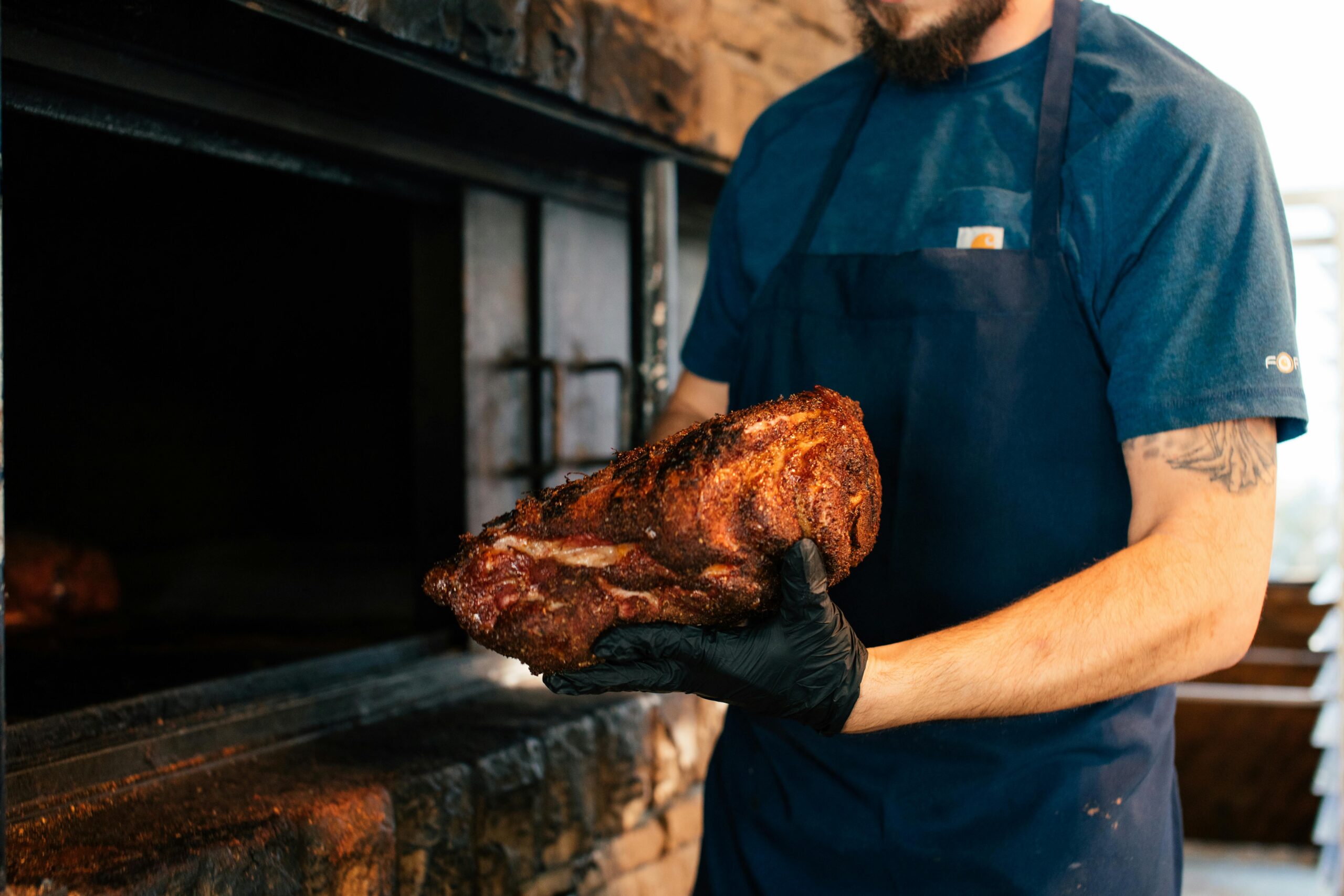
Solar cooking harnesses the sun’s energy to prepare meals, combining ancient wisdom with modern sustainability while celebrating diverse culinary traditions across continents.

🌞 The Ancient Art Meets Modern Innovation
Long before the invention of electric stoves and gas ranges, civilizations understood the power of concentrated sunlight. Solar cooking represents one of humanity’s most elegant solutions to a fundamental need: transforming raw ingredients into nourishing meals using nothing but the energy freely provided by our sun. This practice has evolved from simple techniques used by ancient cultures to sophisticated technologies that are reshaping how communities worldwide approach food preparation.
The beauty of solar cooking lies in its universal accessibility. Whether in the sun-drenched villages of India, the high-altitude regions of the Andes, or suburban backyards in California, people are rediscovering this sustainable cooking method. As climate change concerns intensify and energy costs rise, solar cooking offers a practical, eco-friendly alternative that preserves cultural heritage while addressing contemporary challenges.
Traditional Solar Cooking Practices Across Continents
African Solar Culinary Heritage 🌍
Africa has emerged as a continent where solar cooking has gained remarkable traction, particularly in regions where deforestation and fuel scarcity pose serious environmental and economic challenges. In Kenya, women’s cooperatives have pioneered solar cooking initiatives that reduce reliance on charcoal and firewood, directly impacting forest conservation efforts.
The traditional practice of sun-drying foods across sub-Saharan Africa laid the groundwork for modern solar cooking adoption. Countries like Senegal, Mali, and Burkina Faso have integrated solar cookers into daily life, preparing staples like rice, couscous, and stews using parabolic and box-style solar ovens. These communities have adapted their ancestral recipes to work harmoniously with solar cooking times and temperatures.
In South Africa, solar cooking has become part of environmental education programs, teaching younger generations about sustainable living while honoring indigenous knowledge systems that respected natural resources. The fusion of traditional ingredients with solar technology has created a unique culinary movement that celebrates both heritage and innovation.
Asian Solar Cooking Traditions
India stands as a global leader in solar cooking implementation, with thousands of institutions using solar technology daily. The Brahma Kumaris spiritual organization operates one of the world’s largest solar kitchens in Mount Abu, Rajasthan, preparing meals for thousands using an array of solar concentrators and cookers.
Traditional Indian cuisine, with its emphasis on slow-cooked curries, lentils, and rice dishes, adapts beautifully to solar cooking methods. The gentle, sustained heat produced by solar cookers perfectly suits the preparation of dal, biryani, and vegetable curries, allowing spices to meld and flavors to develop naturally without the risk of burning.
In China’s western regions, particularly Tibet and Qinghai province, solar cookers have become essential tools for communities living at high altitudes where fuel is scarce and expensive. The intense solar radiation at these elevations makes solar cooking remarkably efficient, and locals have adapted traditional recipes for momos, tsampa, and butter tea to this cooking method.
Latin American Sun-Powered Kitchens ☀️
The Andean regions of South America have embraced solar cooking as both an economic necessity and an environmental choice. In Bolivia, Peru, and northern Argentina, communities situated at high altitudes benefit from intense sunlight and clear skies, creating ideal conditions for solar food preparation.
Traditional Andean dishes like quinoa soup, potato stews, and corn-based meals translate exceptionally well to solar cooking. Women in rural communities have become experts at timing their cooking to coincide with peak sunlight hours, maintaining their culinary traditions while reducing household fuel costs significantly.
Mexico has also seen growing interest in solar cooking, particularly in rural areas and eco-conscious urban communities. Solar-cooked beans, tamales, and slow-roasted meats have found their place in modern Mexican kitchens, proving that traditional flavors need not be compromised when using sustainable cooking methods.
The Science Behind Solar Culinary Excellence
Understanding how solar cookers work enhances appreciation for this remarkable technology. Solar cookers operate on three basic principles: concentration, absorption, and retention of heat. Reflective surfaces concentrate sunlight onto a cooking vessel, dark-colored pots absorb the thermal energy, and insulation or greenhouse effects trap the heat for cooking.
There are three main types of solar cookers, each with distinct advantages:
- Box cookers: Insulated boxes with reflective panels that create an oven-like environment, ideal for baking, roasting, and slow cooking
- Parabolic cookers: Curved mirrors that focus sunlight to a single point, generating high temperatures suitable for frying and rapid cooking
- Panel cookers: Simple, portable designs using reflective panels to direct sunlight onto a pot inside a heat-retaining bag
Temperatures in solar cookers can range from 150°F to over 400°F, depending on the design and sunlight intensity. This range accommodates various cooking techniques, from gentle simmering to high-heat searing, making solar cookers versatile kitchen tools rather than limited gadgets.
Cultural Recipes Transformed by Solar Energy
Slow-Cooked Masterpieces 🍲
Solar cooking excels at dishes that benefit from long, slow cooking processes. Moroccan tagines, with their complex spice blends and tender meats, achieve remarkable depth when prepared in solar ovens. The consistent, moderate heat allows flavors to develop gradually without the need for constant monitoring.
Brazilian feijoada, the beloved black bean and meat stew, adapts beautifully to solar cooking. The extended cooking time allows the beans to soften perfectly while the various meats impart their flavors into the rich broth. Solar cooking enthusiasts report that the gentle heat produces a superior texture compared to conventional methods.
Ethiopian wat, a spicy stew central to Ethiopian cuisine, benefits from the patient heat of solar cookers. The berbere spice blend mellows and integrates seamlessly with the ingredients, creating the authentic taste that defines this cultural staple.
Baked Goods Under the Sun
Contrary to popular belief, solar ovens produce excellent baked goods. Bread, the universal staple, bakes beautifully in box-style solar cookers. From Indian naan to French baguettes to Mexican pan dulce, cultures worldwide have successfully adapted their bread-making traditions to solar technology.
Cakes, cookies, and pastries also achieve impressive results in solar ovens. The even heat distribution prevents burning while ensuring thorough cooking. Communities in sun-rich regions have developed entire repertoires of solar-baked desserts, from fruit cobblers to custards to traditional wedding cakes.
Environmental Impact and Sustainability Benefits 🌱
The environmental advantages of solar cooking extend far beyond reduced carbon emissions. In developing regions, decreased reliance on firewood directly combats deforestation, helping preserve biodiversity and prevent soil erosion. Studies indicate that a single solar cooker can save approximately one ton of firewood annually.
Indoor air pollution from traditional cooking fires causes millions of premature deaths globally each year. Solar cooking eliminates this health hazard entirely, particularly benefiting women and children who spend significant time near cooking fires. The respiratory health improvements in communities adopting solar cooking have been documented extensively.
From a climate perspective, widespread solar cooking adoption could significantly reduce greenhouse gas emissions. Cooking and heating account for substantial portions of energy consumption in many households worldwide. Transitioning even a fraction of these cooking activities to solar power would create meaningful environmental impact.
Challenges and Cultural Adaptations
Despite its benefits, solar cooking faces practical challenges that require cultural sensitivity and creative solutions. Weather dependency remains the most obvious limitation—cloudy days and nighttime cooking require alternative methods or food preparation timing adjustments.
Cultural food preferences and cooking traditions don’t always align perfectly with solar cooking capabilities. High-heat, quick-cooking methods like stir-frying prove difficult with most solar cookers. Communities have addressed this by using hybrid approaches, reserving solar cooking for appropriate dishes while maintaining traditional methods for others.
Initial costs can present barriers in economically disadvantaged communities where solar cooking would provide the greatest benefits. Numerous NGOs and social enterprises work to overcome this through subsidized cookers, local manufacturing initiatives, and microfinance programs. Organizations have successfully distributed hundreds of thousands of solar cookers across Africa, Asia, and Latin America.
Community Initiatives and Social Transformation 👥
Solar cooking projects often catalyze broader community development. In refugee camps, solar cookers reduce the dangerous necessity of venturing outside protected areas to gather firewood. Women and girls particularly benefit from this increased safety.
Educational programs incorporating solar cooking teach scientific principles while promoting environmental stewardship. Children learning to cook with solar energy develop understanding of renewable resources, sustainability, and climate solutions. These programs create ripple effects as students share knowledge with their families.
Women’s empowerment represents another significant outcome of solar cooking initiatives. Training programs provide technical skills and can lead to entrepreneurship opportunities. Women have established businesses manufacturing, selling, and teaching solar cooking, generating income while serving their communities.
Modern Innovations in Solar Culinary Technology
Contemporary solar cooking technology has advanced considerably from early prototypes. Modern designs incorporate improved materials, enhanced efficiency, and user-friendly features. Evacuated tube cookers, thermal storage systems, and hybrid solar-electric designs represent the cutting edge of this field.
Some innovations focus on portability and convenience for outdoor enthusiasts and emergency preparedness. Lightweight, packable solar cookers appeal to backpackers, campers, and disaster relief operations. These designs maintain cooking effectiveness while maximizing transportability.
Smart solar cookers with temperature sensors and timing features are emerging, though they remain relatively expensive. These devices bridge traditional solar cooking with modern expectations for precision and control, potentially increasing adoption among tech-savvy consumers.
Getting Started with Solar Cooking: Practical Tips 🔆
Beginning your solar cooking journey requires minimal investment and learning curve. Start with simple recipes—rice, beans, vegetables, and basic breads—to understand your cooker’s capabilities and timing requirements. Dark, thin-walled pots with lids work best, as they absorb heat efficiently.
Positioning your solar cooker correctly is crucial. Face the reflective surfaces directly toward the sun and adjust every 30-60 minutes to track solar movement. Some designs include indicators or alignment tools to simplify this process. Plan cooking times accounting for your location, season, and weather conditions.
Patience becomes a virtue in solar cooking. While high-performance parabolic cookers can boil water in minutes, box cookers operate more slowly. This characteristic actually benefits many recipes, as the gentle heat prevents burning and allows flavors to develop fully. Embrace the process as meditative rather than viewing it as a limitation.
The Future of Solar Cooking in Global Cuisine
Solar cooking stands at an exciting intersection of tradition, technology, and sustainability. As climate awareness grows and renewable energy becomes increasingly mainstream, solar cooking will likely transition from niche practice to recognized cooking method. Celebrity chefs and culinary influencers experimenting with solar cooking help normalize and popularize this approach.
Integration with other sustainable practices creates holistic lifestyle approaches. Solar cooking pairs naturally with organic gardening, composting, and water conservation, forming comprehensive sustainability systems. Eco-villages and intentional communities worldwide demonstrate how these elements combine to create resilient, low-impact living.
Research continues into improving efficiency, reducing costs, and expanding capabilities. Universities, NGOs, and private companies invest in solar cooking innovation, recognizing its potential to address energy poverty, environmental degradation, and food security simultaneously. The coming decades will likely see solar cooking become standard in appropriate climates rather than an alternative curiosity.
Bringing Solar Traditions to Your Table ☀️🍽️
Whether you live in a sun-drenched desert or a temperate region with seasonal sunshine, solar cooking offers opportunities to connect with global traditions while contributing to environmental solutions. The practice invites us to slow down, plan mindfully, and appreciate the remarkable power of our nearest star.
Exploring recipes from cultures with established solar cooking traditions provides culinary adventure alongside sustainable practice. Try preparing Indian dal, Mexican beans, or Moroccan tagine in a solar cooker, experiencing firsthand how traditional dishes adapt to this ancient yet modern cooking method. Share your experiences with others, contributing to the growing global community of solar cooking enthusiasts.
Solar cooking represents more than an alternative energy cooking method—it embodies a philosophy of working harmoniously with natural systems rather than against them. As we face environmental challenges requiring innovative solutions, sometimes the most effective answers draw from wisdom humanity has possessed for millennia, updated with contemporary understanding and technology. The simple act of cooking a meal with sunlight connects us to both our ancestors and a more sustainable future, one delicious dish at a time.