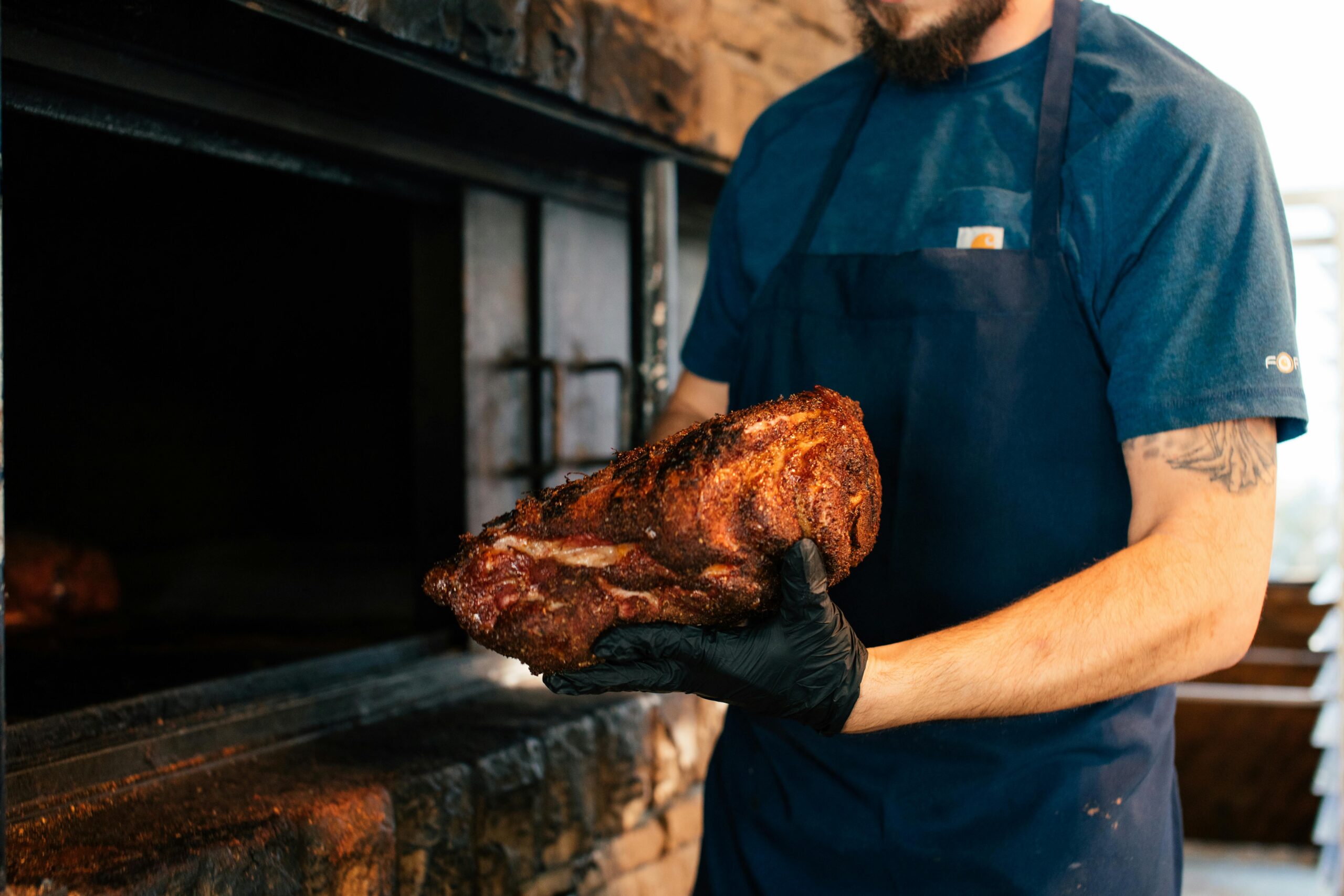
Modern gastronomy is experiencing a profound transformation as chefs and food enthusiasts embrace the ancient practice of foraging, bringing wild ingredients from forest to table with unprecedented creativity.

🌿 The Renaissance of Wild Ingredients in Contemporary Cuisine
The culinary world has witnessed a remarkable shift toward hyper-local, sustainable ingredients that tell a story beyond the plate. Foraged ingredients represent more than just a trend; they embody a connection to terroir, seasonality, and the untamed flavors that commercial agriculture can never replicate. This movement has transformed how we think about ingredient sourcing, menu development, and the very definition of luxury dining.
Leading restaurants across the globe now employ dedicated foragers or train their kitchen staff to identify edible wild plants, mushrooms, and herbs. This practice has elevated dishes from merely delicious to experiential, offering diners flavors that cannot be purchased from conventional suppliers. The ephemeral nature of foraged ingredients creates a sense of urgency and exclusivity that resonates with modern consumers seeking authentic culinary experiences.
Understanding the Wild Pantry: Beyond Basic Foraging
The transition from foraging as survival skill to culinary art form requires deep botanical knowledge and respect for ecosystems. Wild ingredients offer flavor profiles that range from subtle to intensely pronounced, often with complex mineral notes, bitter undertones, or aromatic qualities that domesticated varieties have lost through selective breeding.
Seasonal Wild Ingredients That Transform Dishes
Spring brings tender wild garlic shoots, ramps, and fiddlehead ferns with their distinctive curled appearance and nutty flavor. These ingredients pair beautifully with delicate proteins like white fish or can be transformed into vibrant pestos and compound butters that preserve their essence.
Summer offers an abundance of wild berries, edible flowers, and herbs like wild oregano and thyme. These ingredients provide opportunities for both savory applications and dessert innovations. The concentrated flavors of sun-ripened wild strawberries, for instance, make cultivated varieties taste bland by comparison.
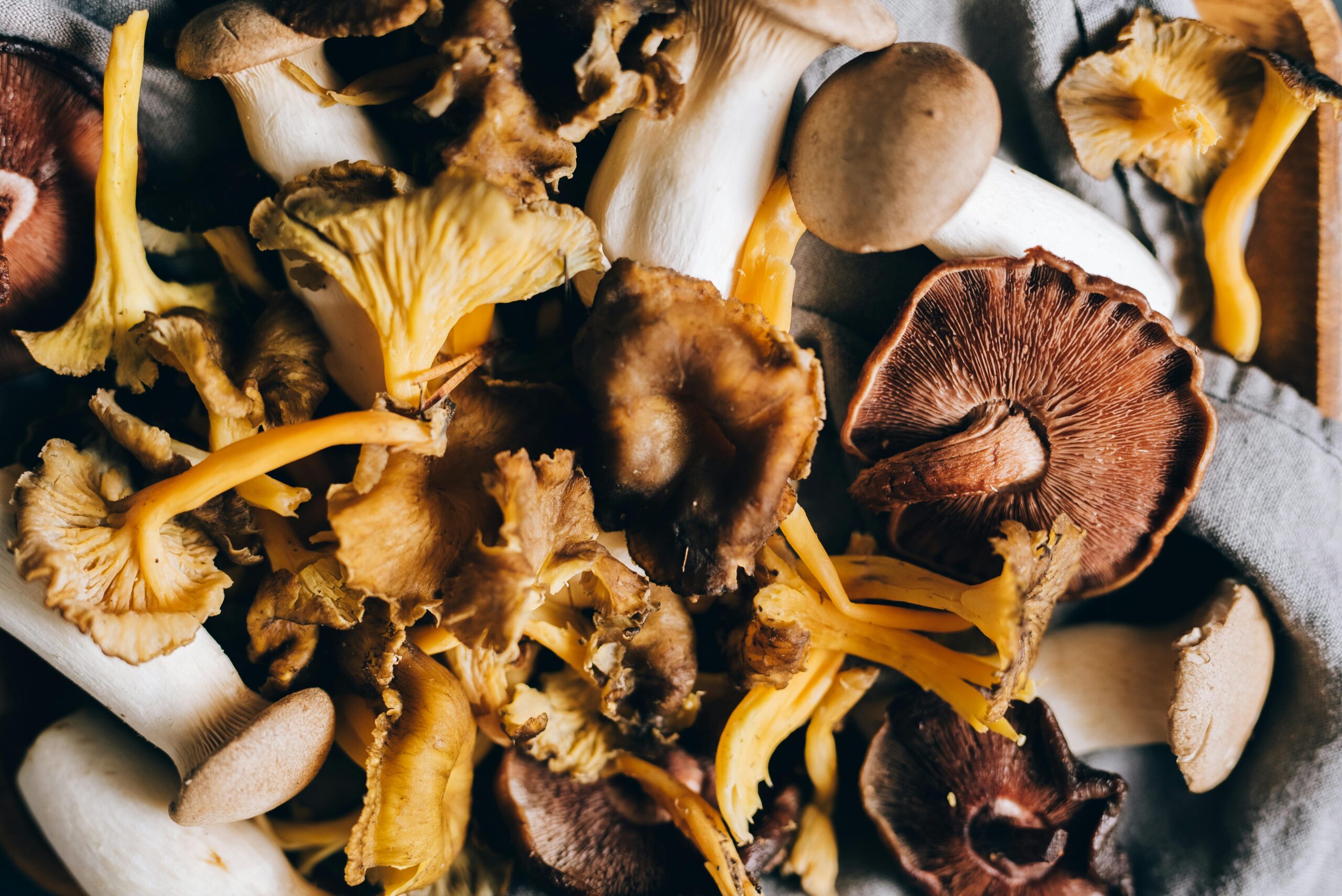
Autumn represents the golden age for foragers, with countless mushroom varieties emerging after rains. Porcini, chanterelles, black trumpets, and matsutake mushrooms command premium prices and deliver umami-rich flavors that define seasonal menus. Wild nuts, rose hips, and late-season greens round out the harvest.
Winter foraging requires greater expertise but rewards the persistent with treasures like winter chanterelles, various bark teas, and preserved ingredients that showcase traditional preservation techniques adapted for modern kitchens.
🍽️ Mastering Foraged Ingredient Pairing Principles
Creating successful dishes with wild ingredients demands understanding both classical culinary principles and the unique characteristics of foraged elements. The intensity of wild flavors requires careful balancing to achieve harmony rather than competition on the plate.
The Foundation: Flavor Profiling Wild Ingredients
Each foraged ingredient possesses distinct flavor compounds that interact differently with fats, acids, salts, and sweetness. Wild mushrooms, for example, contain free glutamates that enhance umami perception, making them natural partners for aged cheeses, cured meats, and fermented ingredients. Their earthy, sometimes funky character benefits from bright acidic counterpoints like citrus, vinegar, or wine reductions.
Wild greens often carry pronounced bitterness that can overwhelm delicate preparations. However, this same quality becomes an asset when balanced with rich, fatty elements like duck, pork belly, or cream-based sauces. The bitterness cuts through richness, creating a more balanced eating experience that prevents palate fatigue.
Textural Considerations in Wild Ingredient Applications
Beyond flavor, texture plays a crucial role in successful foraged pairings. Wild ingredients often have more pronounced textural characteristics than their cultivated counterparts. Wild asparagus is thinner and more fibrous, wild mushrooms can range from delicate to meaty, and foraged greens vary from tender to substantially chewy.
Smart chefs leverage these textural differences to create interest within a dish. A silky purée might be topped with crispy fried wild herbs, or a tender protein could be served alongside a wild mushroom ragout with distinct bite. These contrasts keep the palate engaged and highlight the unique qualities of each component.
Innovative Pairing Strategies for Modern Menus
Contemporary gastronomy embraces both traditional wisdom and experimental approaches when incorporating foraged ingredients. The most successful pairings often combine time-tested combinations with unexpected twists that challenge diners’ expectations.
Classic Pairings Reimagined with Wild Elements
The traditional combination of mushrooms and beef becomes transcendent when wild porcini or morels replace button mushrooms. The concentrated forest floor aromatics complement the meat’s richness while adding layers of complexity impossible to achieve with cultivated fungi.
Seafood and citrus pairings gain new dimensions when wild fennel, sea vegetables, or coastal herbs like sea rocket enter the equation. These ingredients bridge the gap between land and sea, reinforcing the maritime character of the dish while introducing subtle flavor notes that enhance rather than mask the seafood’s natural taste.
Unexpected Combinations That Define Modern Foraging Cuisine
Progressive chefs push boundaries by pairing foraged ingredients in unconventional ways. Wild violets and other edible flowers bring floral notes to savory preparations like foie gras or rich pâtés. The slight sweetness and aromatic quality create surprising harmony with fatty, unctuous ingredients.
Bitter wild greens like dandelion or chicory find new life in dessert applications, where their astringency balances sweet elements and prevents cloying richness. A dark chocolate tart with candied dandelion root, for instance, offers sophisticated complexity that appeals to adventurous palates.
🌲 Regional Foraging Approaches and Their Signature Pairings
Different geographical regions offer distinct wild ingredients that have shaped local culinary traditions and inspired contemporary interpretations. Understanding these regional characteristics allows chefs to create deeply rooted, place-based menus that resonate with authenticity.
Nordic Foraging: Redefining Minimalism with Maximum Flavor
Scandinavian cuisine has pioneered the modern foraging movement, with restaurants like Noma leading the charge. The Nordic approach emphasizes preservation techniques—fermenting, pickling, and drying—that extend the brief growing season and develop complex flavors.
Wild ingredients like sea buckthorn, wood sorrel, and various mushrooms are paired with traditional proteins like reindeer, fish, and game birds. The cuisine celebrates austerity and purity, allowing each foraged ingredient to shine without excessive manipulation. Birch sap, pine shoots, and wild herbs create flavor profiles that taste unmistakably of the northern forests and coastlines.
Mediterranean Wild Ingredients: Sun-Drenched Intensity
The Mediterranean foraging tradition stretches back millennia, with wild greens like horta in Greece or wild asparagus in Italy forming the backbone of regional cuisines. These ingredients pair naturally with olive oil, garlic, and lemon—the holy trinity of Mediterranean cooking.
Wild fennel, capers, and Mediterranean herbs like wild oregano and thyme bring concentrated flavors that complement the region’s produce, seafood, and lamb. The cooking style often involves simple preparations that honor the ingredient’s inherent qualities rather than transforming them beyond recognition.
North American Foraging: Diverse Ecosystems, Diverse Flavors
From Pacific Northwest mushrooms to Appalachian ramps, North American foraging offers incredible diversity. Indigenous food traditions are being rediscovered and honored, with ingredients like wild rice, acorns, and sumac gaining prominence in contemporary restaurants.
Chefs pair these ingredients with both traditional proteins and modern techniques. Smoked salmon with foraged fiddleheads, bison with wild mushroom demi-glace, or venison with serviceberry sauce represent the fusion of old and new that defines American foraging cuisine.
Technical Approaches to Preserving Wild Flavors
The fleeting availability of foraged ingredients necessitates preservation methods that capture their essence for year-round use. Modern gastronomy has refined ancient techniques while introducing new technologies that maintain flavor integrity.
Fermentation: Developing Complexity Through Transformation
Fermenting wild ingredients creates entirely new flavor profiles while preserving their nutritional value. Wild garlic can become a pungent, umami-rich paste. Mushrooms develop deeper, more complex characteristics. The lactic acid bacteria involved in fermentation create probiotics while breaking down compounds that might otherwise cause digestive discomfort.
These fermented preparations serve as powerful seasoning elements, adding depth to sauces, marinades, and finishing touches. A small amount of fermented wild mushroom paste can transform a simple soup into something extraordinary.
Infusions, Extracts, and Modern Preservation
Creating oils, vinegars, and alcohol infusions allows chefs to capture volatile aromatic compounds that define many wild ingredients. Wild herb oils drizzled as finishing touches, mushroom-infused vinegars for deglazing, or wild berry liqueurs for dessert sauces extend the foraging season indefinitely.
Vacuum sealing, sous vide blanching, and rapid freezing preserve ingredients at their peak. These techniques maintain color, texture, and flavor better than traditional methods, allowing restaurants to serve “fresh” foraged ingredients months after harvest.
🎨 Plating and Presentation: Telling the Foraging Story
Visual presentation plays a crucial role in communicating the wild ingredient narrative to diners. The rustic beauty of foraged elements deserves plating that honors their natural aesthetic while meeting contemporary fine dining standards.
Many chefs incorporate natural elements into their presentation—serving dishes on wood planks, stones, or even fresh moss (food-safe, of course). This approach creates visual connection between the wild origins of ingredients and their refined preparation. Whole mushrooms, intact flowers, or recognizable herbs help diners understand what they’re eating and appreciate the foraging effort involved.
The color palette of wild ingredients often differs from cultivated produce, with more muted, earthy tones. Thoughtful plating uses these natural colors to create sophisticated, understated presentations that feel organic rather than forced. A dish might feature various shades of green from different foraged leaves, creating subtle visual interest through tonal variation rather than stark contrast.
Sustainability and Ethics in Foraging for Restaurants
As foraging gains popularity, sustainability concerns have rightfully come to the forefront. Responsible chefs and foragers follow strict guidelines to ensure their practices don’t damage ecosystems or deplete wild populations.
The “one in twenty” rule suggests taking no more than five percent of any wild population, ensuring robust regeneration. Foragers avoid rare species entirely and rotate harvesting locations to prevent overexploitation. Many restaurants now cultivate relationships with multiple foragers across wider territories, spreading impact across larger areas.
Education represents another crucial element. Restaurants that highlight foraged ingredients have responsibility to teach diners about sustainable practices, seasonal availability, and the ecological importance of wild spaces. This educational component transforms meals into conservation advocacy.
💡 Future Directions: Where Wild Gastronomy is Heading
The foraging movement continues to evolve, with several emerging trends shaping its future direction. Urban foraging has gained traction, with chefs discovering edible plants in city parks, vacant lots, and green spaces. This practice challenges assumptions about where food comes from and highlights resilient species that thrive despite urbanization.
Climate change is altering traditional foraging calendars and pushing species into new territories. Adaptable chefs view this as opportunity rather than challenge, discovering new ingredients and combinations as ecosystems shift. This flexibility may define successful wild ingredient cuisine in coming decades.
Technology is also playing a role, with apps helping identify edible species, connecting foragers with chefs, and documenting harvest locations and times. These tools democratize knowledge that was once passed down through generations, though they can never replace hands-on experience and mentorship.
Creating Your Own Foraged Pairing Philosophy
Developing a personal approach to foraged pairings requires experimentation, education, and respect for both ingredients and ecosystems. Start with abundant, easily identified species and gradually expand your repertoire as knowledge deepens.
Taste ingredients raw before cooking to understand their fundamental characteristics. Notice how flavors change with cooking methods—does roasting enhance sweetness, does blanching reduce bitterness, does fermentation create umami? These observations inform pairing decisions and preparation techniques.
Study both traditional uses and contemporary applications. Indigenous and peasant cuisines offer centuries of wisdom about wild ingredients, while modern chefs provide inspiration for innovative approaches. The sweet spot often lies in respecting traditional wisdom while allowing creative expression.
🌍 The Cultural Impact of Foraging on Modern Dining
Beyond flavor and technique, foraged ingredients have fundamentally changed how diners relate to their food. Menus featuring wild ingredients tell stories about place, season, and the chef’s relationship with the landscape. This narrative dimension adds value that transcends the merely gustatory.
The foraging movement has also sparked renewed interest in ecological literacy and conservation. Diners who taste wild ingredients often develop curiosity about the environments that produce them, creating ambassadors for habitat protection and sustainable land management.
As wild ingredient cuisine becomes more established, it’s creating new economic opportunities for rural communities, professional foragers, and preservation artisans. This economic dimension ensures the movement’s longevity while distributing value beyond restaurant walls.
The marriage of foraged ingredients with modern gastronomy represents more than culinary fashion. It’s a fundamental reimagining of our relationship with food, nature, and place. As chefs continue refining techniques for sourcing, preparing, and pairing wild ingredients, they create cuisine that is simultaneously ancient and avant-garde—deeply rooted yet constantly evolving. The flavors of the wild, once survival necessity, have become the ultimate expression of culinary sophistication and environmental consciousness.