Foraging transforms wild ingredients into unforgettable culinary experiences. This ancient practice unlocks complex flavors hidden in nature, creating dishes that rival any spice-laden cuisine.

🌿 The Forgotten Art of Wild Flavor Discovery
Modern cooking has become synonymous with spice racks overflowing with imported seasonings, yet our ancestors created magnificent meals using only what grew around them. Foraged ingredients possess inherent flavor compounds that, when paired thoughtfully, create taste sensations that synthetic or cultivated spices simply cannot replicate. The key lies not in adding complexity through external seasonings, but in understanding the natural chemistry between wild plants, fungi, and seasonal produce.
Wild ingredients carry terroir—the essence of their environment—in every leaf, root, and berry. A ramp growing beside a stream tastes fundamentally different from one found on a hillside. This environmental signature provides endless opportunities for creating distinctive flavor profiles without reaching for a single spice jar. The minerals in soil, the quality of sunlight, and even neighboring plants influence these wild flavors, making each foraging expedition a unique culinary treasure hunt.
Understanding flavor pairing with foraged ingredients requires shifting your perspective from addition to revelation. You’re not masking or enhancing flavors—you’re orchestrating them. Wild ingredients already contain sugars, acids, fats, proteins, and aromatic compounds in varying proportions. Successful pairing means recognizing these inherent qualities and creating harmonious or intentionally contrasting combinations.
🍄 Understanding the Flavor Profiles of Wild Foods
Before mastering flavor pairing, you must develop an intimate knowledge of what wild ingredients bring to your plate. Foraged foods typically fall into several flavor categories that help guide pairing decisions.
Bitter greens like dandelion, chicory, and wild mustard provide sharp, assertive flavors that cut through rich, fatty dishes. Their bitterness stimulates digestion and creates contrast when paired with sweet or umami-rich ingredients. Young dandelion leaves offer milder bitterness perfect for raw preparations, while mature leaves require cooking methods that mellow their intensity.
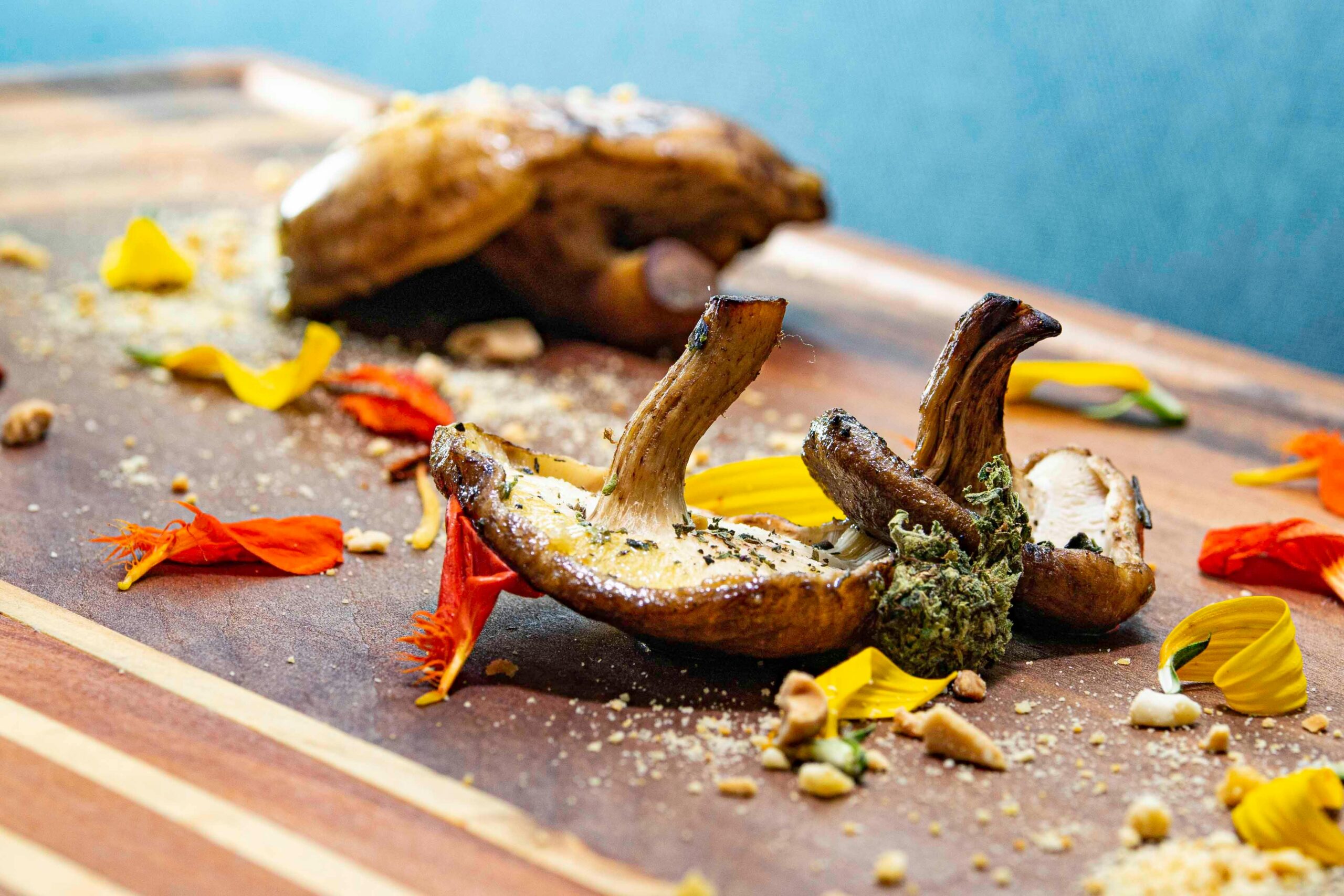
Earthy mushrooms such as chanterelles, porcini, and hen-of-the-woods deliver profound umami depth. These fungi contain glutamates—the same compounds that make aged cheeses and fermented foods so satisfying. Their texture ranges from delicate to meaty, providing both flavor and substance. Chanterelles bring subtle fruity notes alongside earthiness, while porcini offer intense, almost meaty richness.
Aromatic herbs including wild thyme, oregano, mint, and bee balm contribute volatile oils that brighten dishes and add complexity. These compounds are similar to those found in culinary spices but express themselves with more subtlety and regional character. Wild mints can taste dramatically different depending on whether they grow in wet or dry conditions.
Tart berries and fruits like wild strawberries, blackberries, sumac berries, and crabapples provide acidity and natural sweetness. Their tartness can substitute for vinegar or citrus, while their sugars balance bitter or astringent ingredients. Wild berries typically contain higher concentrations of flavor compounds than cultivated varieties.
🌸 The Science Behind Successful Flavor Pairing
Flavor pairing isn’t mystical—it’s chemistry. Ingredients that share flavor compounds often work harmoniously together, while contrasting compounds create exciting tension on the palate. This principle, sometimes called “foodpairing,” has been studied extensively in molecular gastronomy, but foragers have practiced it intuitively for millennia.
Mushrooms and alliums (wild onions, ramps, garlic mustard) share sulfur compounds that create savory depth when combined. The earthy notes of mushrooms amplify when paired with the sharp bite of wild garlic, creating a flavor greater than either ingredient alone. This combination appears across culinary traditions worldwide, suggesting an innate human recognition of their compatibility.
Fatty ingredients like nuts, seeds, and wild game carry fat-soluble flavor compounds that need acids to balance them. Pairing rich pine nuts with tart sumac berries or fatty duck with wild crabapple creates equilibrium that prevents palate fatigue. The acid cuts through fat, refreshing your taste buds for the next bite.
Astringent ingredients containing tannins, such as acorns, certain berries, and wild grape leaves, benefit from pairing with proteins and fats. These compounds bind to proteins in your saliva, creating a drying sensation. When paired with actual protein foods like eggs, fish, or dairy, tannins mellow and contribute complexity rather than unpleasant puckeriness.
🥗 Seasonal Combinations That Sing
Spring brings tender greens and aromatics that pair beautifully with each other. Ramps and morel mushrooms represent perhaps the most celebrated spring pairing—the assertive, garlicky punch of ramps complements the honeycomb texture and nutty flavor of morels perfectly. Add young nettles for mineral-rich earthiness and wild violet leaves for mild sweetness.
Early spring greens like chickweed, miner’s lettuce, and wild cress offer delicate, fresh flavors that pair wonderfully with foraged eggs from wild birds or farm-fresh chicken eggs. Their mild, slightly tangy profiles won’t overwhelm subtle egg flavors. Finish with a handful of wood sorrel for lemony brightness without reaching for citrus.
Summer foraging yields berries, flowers, and robust greens that thrive in heat. Wild blackberries and elderflowers create magical combinations—the floral, muscatel notes of elderflowers enhance berry sweetness while adding aromatic complexity. This pairing works in both sweet and savory contexts, from salads to desserts.
Purslane and wild amaranth provide succulent, lemony crunch during summer months. Their mild acidity and mucilaginous texture pair excellently with ripe tomatoes and cucumber, creating refreshing salads that need no dressing beyond perhaps a drizzle of good oil. Add nasturtium flowers for peppery bite and visual appeal.
Autumn offers nuts, mushrooms, and roots with concentrated flavors perfect for heartier preparations. Chestnuts and chicken-of-the-woods mushrooms create substantial combinations that satisfy like meat. The sweet, starchy chestnuts balance the savory, slightly sulfurous mushrooms. Add wild fennel seeds for aromatic notes that bridge both ingredients.
Acorns, properly leached of tannins, provide nutty sweetness that pairs beautifully with autumn berries like rosehips and hawthorn. These combinations work wonderfully in porridges and baked goods where their complementary sweetness shines. The floral notes in rosehips elevate the earthy acorn flour.
🔥 Cooking Techniques That Maximize Wild Flavors
Raw preparations preserve delicate flavor compounds that heat destroys. Wild salads combining multiple foraged greens allow you to appreciate subtle differences between similar plants. Chickweed tastes distinctly different from miner’s lettuce, though both offer mild, fresh flavors. Serving them together creates textural and flavor variation.
Light wilting or blanching softens fibrous greens while preserving their essential character. This technique works perfectly for nettles, which must be cooked to neutralize their sting. Brief cooking maintains their mineral-rich, spinach-like flavor while making them pleasant to eat. Shock them in cold water to preserve their vibrant color.
Slow roasting concentrates sugars and mellows bitter compounds. Wild root vegetables like burdock, salsify, and Jerusalem artichokes become sweet and caramelized when roasted at moderate heat. Their starches convert to sugars, creating candy-like edges while maintaining earthy cores. Pair roasted roots with bitter greens for balance.
Fermentation develops complex umami and sour notes in wild ingredients. Fermented ramps create Korean-style kimchi with deep, funky flavors. Wild grape leaves can be fermented with wild cabbage for probiotic-rich dishes bursting with beneficial bacteria and complex flavor. The fermentation process creates new flavor compounds not present in raw ingredients.
Smoking adds depth without spices. Cold-smoking delicate mushrooms like oyster mushrooms preserves their texture while adding woody complexity. Hot-smoking heartier varieties like maitake creates bacon-like savory notes. Use foraged wood like apple, cherry, or hickory branches for smoking to add another layer of wild flavor.
🍳 Practical Pairing Principles for Every Meal
Breakfast benefits from gentle flavor combinations that awaken the palate without overwhelming it. Wild berry compotes paired with acorn flour pancakes provide sweet and earthy morning flavors. Add wild mint tea for aromatic refreshment. Scrambled eggs with chickweed and wild onion create a satisfying, protein-rich start requiring no additional seasoning.
Lunch calls for balanced, energizing combinations. Wild green salads gain substance when paired with foraged nuts and mushrooms. A handful of roasted hazelnuts adds richness and protein, while raw mushrooms contribute umami and interesting texture. Dress with nothing more than good oil and a squeeze from wood sorrel or sumac berry infusion.
Dinner allows for more complex, layered flavor profiles. Start with a wild mushroom broth infused with aromatic herbs. Follow with a main course pairing wild game or fish with seasonal foraged sides. Venison paired with blackberry sauce and sautéed wild greens creates a complete flavor arc from savory to sweet to bitter. Each element supports the others.
💡 Creative Applications Beyond Traditional Meals
Beverages offer exciting opportunities for wild flavor pairing. Foraged teas blending wild mint, bee balm, and rosehips create complex herbal infusions that rival any tea shop blend. Cold-brewed pine needle tea paired with wild berry juice makes refreshing summer drinks. Fermented wild berry sodas develop complex, champagne-like flavors through natural carbonation.
Desserts showcase wild ingredients beautifully when paired thoughtfully. Elderflower panna cotta topped with wild strawberries creates an elegant finish requiring no vanilla or other spices—the floral elderflower and intensely fruity berries provide all the complexity needed. Wild nut crusts filled with foraged berry compotes deliver satisfying sweetness and texture.
Condiments and preserves extend wild flavors throughout the year. Wild berry vinegars capture tartness for dressings and marinades. Mushroom powders made from dried wild fungi add instant umami to any dish. Ramp paste preserved in oil brings spring’s sharp brightness to winter meals. These preparations make wild flavor pairing accessible even when foraging season ends.
🌍 Regional Variations in Wild Flavor Philosophy
Different ecosystems produce distinct wild ingredients that have shaped regional approaches to flavor pairing. Nordic foragers combine pine, mushrooms, and berries in ways that reflect their boreal forests. These cold-climate ingredients tend toward intense, concentrated flavors developed during short growing seasons. The pairing principles emphasize preservation and celebration of pure, wild flavors.
Mediterranean foragers work with wild greens, herbs, and nuts that thrive in hot, dry conditions. Their pairing philosophy emphasizes bitter greens balanced with rich nuts and fruity wild olive oil. The abundance of wild herbs creates aromatic complexity without requiring imported spices. These combinations reflect the landscape’s character—intense, sun-drenched, and robust.
Temperate forest foragers enjoy diverse seasonal offerings requiring different pairing approaches throughout the year. The dramatic shift from delicate spring greens to hearty autumn nuts and mushrooms demands flexibility and deep seasonal knowledge. Successful pairing means understanding not just what grows together, but when ingredients reach peak flavor.
🎓 Developing Your Personal Pairing Intuition
Building flavor pairing skills requires mindful tasting and experimentation. Start by tasting foraged ingredients raw, cooked, and prepared in various ways. Notice how cooking changes flavor—what develops, what fades, what intensifies. Keep tasting notes describing flavors, textures, and potential pairing ideas. This practice sharpens your sensory awareness and builds a mental database of wild flavors.
Try systematic pairing experiments by combining ingredients in small quantities before committing to full recipes. Mix a few leaves of different wild greens to see how their flavors interact. Sample a bit of mushroom with various nuts to discover which complement each other. These small-scale tests prevent wasted ingredients and reveal surprising combinations.
Study traditional foodways from various cultures to see how indigenous people paired wild ingredients. These time-tested combinations reflect generations of observation and refinement. Native American succotash variations, Scandinavian preserved wild foods, and Japanese mountain vegetables all demonstrate successful wild ingredient pairing. Learn from this accumulated wisdom while developing your own approach.
🌟 Moving Forward with Confidence
Mastering flavor pairing with foraged ingredients transforms how you experience food. Each meal becomes an expression of place and season, connecting you intimately with your environment. The absence of spices isn’t a limitation—it’s liberation that forces you to truly understand and appreciate wild flavors in their pure form.
Start simple with one or two wild ingredients paired thoughtfully. As your knowledge and confidence grow, expand your repertoire. Keep foraging ethically, taking only what you need and can positively identify. Your palate will develop alongside your foraging skills, creating a positive feedback loop of discovery and delicious eating.
The wild world offers infinite flavor possibilities waiting to be discovered. Every forest, field, and shoreline holds ingredients capable of creating extraordinary meals. By understanding the principles of wild flavor pairing, you unlock these possibilities, creating dishes that celebrate nature’s bounty without needing a single imported spice. Your kitchen becomes a place where wild meets refined, and every meal tells the story of your local landscape.