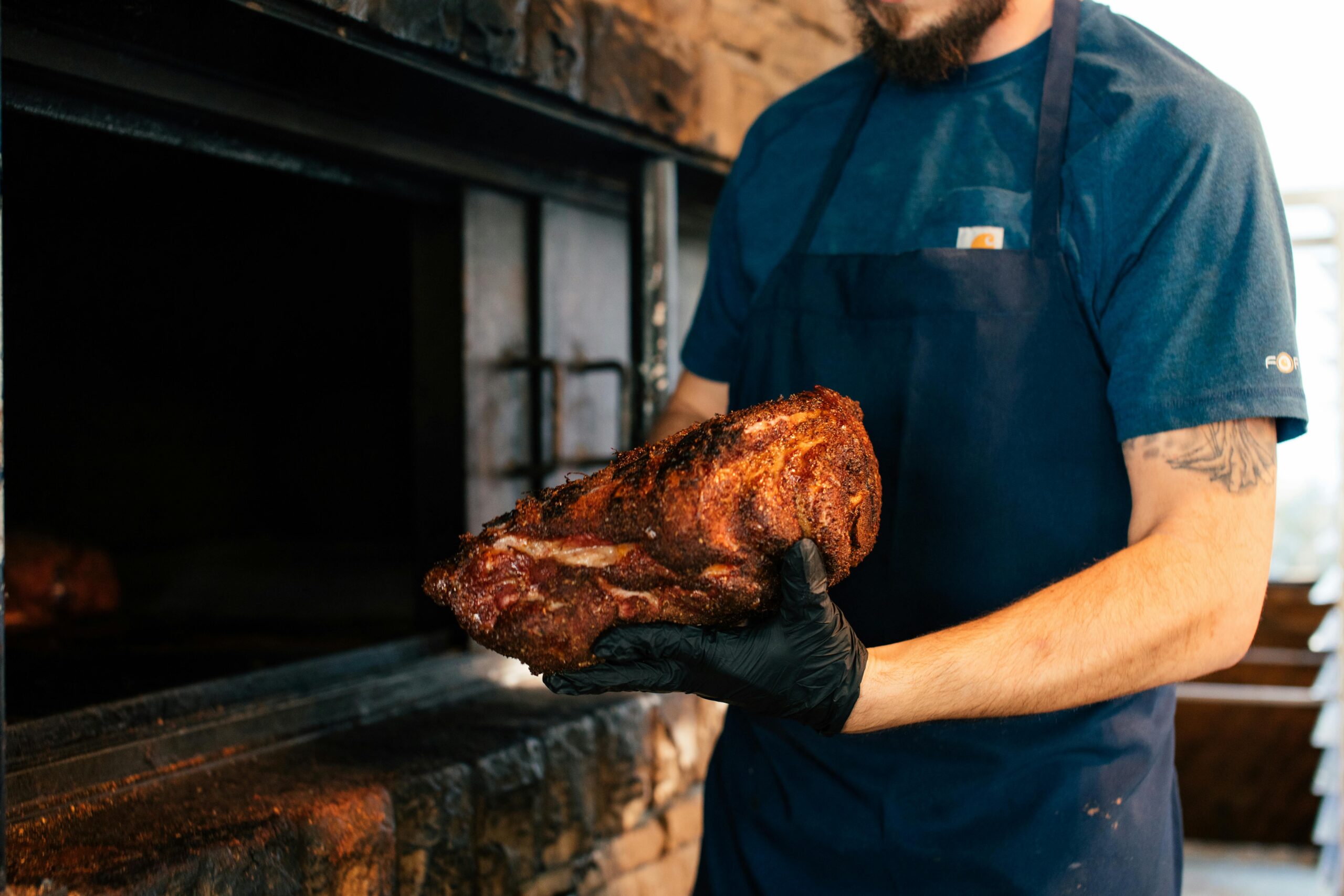
Wild ingredients hold untapped nutritional power that modern diets often overlook. By strategically pairing these nutrient-dense foods, you can transform ordinary meals into extraordinary health-boosting experiences.

🌿 Rediscovering Nature’s Nutritional Treasures
In our fast-paced world dominated by processed foods and agricultural monocultures, we’ve drifted far from the wild ingredients that sustained our ancestors for millennia. These foraged foods, wild-caught proteins, and uncultivated plants contain significantly higher concentrations of vitamins, minerals, antioxidants, and beneficial compounds than their domesticated counterparts. The nutrient density of wild ingredients isn’t just impressive—it’s transformative.
Wild foods evolved in competitive natural environments where only the strongest, most nutrient-rich specimens survived. This natural selection process created ingredients packed with protective compounds, essential fatty acids, and bioavailable minerals that modern agriculture has inadvertently bred out of commercial varieties. When you incorporate wild ingredients into your diet, you’re accessing nutritional profiles that simply cannot be replicated in conventional farming systems.
Understanding Nutrient Density and Synergy
Nutrient density refers to the concentration of beneficial nutrients relative to the caloric content of a food. Wild ingredients typically score exceptionally high on this scale, offering maximum nutrition with minimal empty calories. But the real magic happens when you understand nutrient synergy—the concept that certain nutrients work better together than in isolation.
When you pair wild ingredients strategically, you create synergistic effects that enhance absorption, utilization, and overall nutritional impact. For example, the fat-soluble vitamins abundant in wild fish oils help your body absorb the carotenoids found in wild greens. Similarly, the vitamin C in wild berries enhances iron absorption from wild game meats. These natural partnerships weren’t designed by nutritionists—they evolved over millions of years of ecological interaction.
🍄 Powerful Wild Ingredient Pairings to Transform Your Health
Wild Mushrooms and Alliums
Wild mushrooms like chanterelles, morels, and porcini contain exceptional levels of selenium, B vitamins, and unique polysaccharides that support immune function. When paired with wild garlic, ramps, or onions from uncultivated sources, you create a powerhouse combination that amplifies the bioavailability of selenium while adding sulfur compounds that support detoxification pathways.
This pairing works because alliums contain compounds that help preserve and activate the beneficial ergothioneine found in wild mushrooms—a powerful antioxidant that protects cells from oxidative stress. Cook them together in grass-fed butter or wild-harvested oils to create a foundation for nutrient-dense meals that support everything from cognitive function to cardiovascular health.
Wild-Caught Fatty Fish and Foraged Greens
Wild-caught salmon, mackerel, or sardines provide unparalleled levels of omega-3 fatty acids, particularly EPA and DHA, which support brain health, reduce inflammation, and promote cardiovascular wellness. These fish also contain astaxanthin, a potent antioxidant that gives wild salmon its distinctive color and offers protective benefits that farmed varieties simply cannot match.
Pairing these fish with wild greens like dandelion, purslane, or wild watercress creates a nutritional symphony. The omega-3 fats enhance absorption of fat-soluble vitamins K, A, and E abundant in wild greens, while the vitamin C and folate in the greens support the anti-inflammatory effects of the fish oils. This combination supports optimal cellular function and helps combat the chronic inflammation underlying most modern diseases.
Wild Game and Wild Berries
Wild game meats such as venison, wild boar, or rabbit offer protein profiles dramatically different from grain-fed livestock. These animals consume diverse wild diets, resulting in meat with higher omega-3 content, more conjugated linoleic acid (CLA), and superior mineral density. The iron in wild game is particularly bioavailable and comes without the hormones and antibiotics common in commercial meat production.
Pairing wild game with wild berries—blueberries, elderberries, blackberries, or huckleberries—creates both culinary magic and nutritional excellence. The vitamin C in wild berries enhances iron absorption from the meat, while the polyphenols in the berries help mitigate any potential oxidative stress from heme iron consumption. Wild berries also contain anthocyanins that support cognitive function and vascular health, complementing the complete protein profile of the game meat.
🌊 Sea Vegetables and Fermented Wild Foods
Sea vegetables like kelp, dulse, and nori harvested from clean ocean waters contain extraordinary concentrations of iodine, trace minerals, and unique compounds not found in terrestrial plants. These marine plants access nutrients dissolved in seawater, creating mineral profiles that land-based agriculture cannot replicate. However, the iodine and minerals in sea vegetables are absorbed more efficiently when paired with fermented foods.
Combining sea vegetables with fermented wild ingredients like naturally fermented wild berry preserves, wild-fermented vegetables, or traditional preparations creates probiotic-rich dishes that enhance mineral absorption and support gut health. The beneficial bacteria in fermented foods help break down the complex polysaccharides in sea vegetables, making their nutrients more accessible while providing probiotics that support the entire digestive system.
Building Your Wild Ingredient Pantry
Starting your journey with wild ingredient pairing doesn’t require radical lifestyle changes. Begin by identifying safe, sustainable sources for wild foods in your area. Many regions have foraging groups, wild food markets, or specialized suppliers who can provide ethically harvested wild ingredients. Always prioritize sustainability and proper identification—never consume wild foods without absolute certainty about their safety.
Build your wild pantry gradually, starting with accessible items like wild-caught fish, which are available in most quality grocery stores. Add dried wild mushrooms, which store well and rehydrate beautifully. Seek out wild honey, which contains diverse pollens and enzymes that commercial honey lacks. As you become more comfortable, explore local foraging opportunities or connect with hunters and fishers who can provide wild proteins.
🔥 Preparation Techniques That Preserve Nutrient Density
How you prepare wild ingredients significantly impacts their nutritional value. Many wild foods contain heat-sensitive compounds that degrade with excessive cooking, while others require specific preparation methods to maximize nutrient availability and eliminate potential antinutrients or toxins.
Gentle Cooking Methods
Wild greens and delicate mushrooms benefit from quick sautéing or steaming that preserves their vitamin content while making certain nutrients more bioavailable. High heat can destroy vitamin C and certain B vitamins, so keep cooking times brief. For wild fish, gentle poaching or low-temperature baking preserves the integrity of omega-3 fatty acids, which are vulnerable to oxidation at high temperatures.
Strategic Raw Consumption
Some wild ingredients deliver maximum nutrition when consumed raw. Wild berries, for instance, retain their full vitamin C content and delicate polyphenols when eaten fresh. Wild-caught fish can be safely consumed raw as sashimi or ceviche when properly handled, preserving all their omega-3 content. However, always ensure proper sourcing and handling for any raw consumption, particularly with proteins.
Traditional Preservation Methods
Our ancestors developed preservation techniques that often enhanced the nutritional value of wild ingredients. Fermenting wild vegetables increases their probiotic content and vitamin K2 levels. Drying wild mushrooms concentrates their nutrients and develops their umami flavors. Smoking wild fish not only preserves it but can add beneficial compounds when done with appropriate wood sources. These traditional methods align with both nutrient preservation and the principles of food synergy.
Seasonal Strategies for Wild Ingredient Pairing
Wild foods follow natural seasonal rhythms that modern agriculture has disrupted. Embracing seasonality not only ensures peak nutrient density but also connects you to natural cycles that benefit overall health. Spring brings wild greens like ramps and fiddleheads, perfect for pairing with the last of winter’s stored roots or early wild fish runs. Summer offers abundant wild berries that complement grilled wild game or fresh-caught fish.
Fall presents wild mushrooms in spectacular variety, ideal partners for game meats and squash from wild or heirloom varieties. Winter, though seemingly sparse, offers stored wild foods, winter greens in mild climates, and the peak season for many wild fish species. Planning your wild ingredient pairings around seasonal availability ensures you’re consuming foods at their nutritional peak while supporting sustainable harvesting practices.
💪 Addressing Common Concerns and Misconceptions
Safety and Identification
The most common concern about wild ingredients involves safety and proper identification. This concern is valid and should never be dismissed. Never consume wild-foraged foods without expert identification or comprehensive knowledge. Many regions offer foraging courses, and numerous field guides provide detailed identification information. Start with easily identifiable species and always err on the side of caution.
Accessibility and Cost
While some wild ingredients can be expensive when purchased commercially, many are freely available to those willing to learn foraging skills. Wild-caught fish, though sometimes pricier than farmed alternatives, offers such superior nutrition that the cost per nutrient is often favorable. Consider the investment in wild ingredients as preventive healthcare—the nutrient density often means you need smaller portions to achieve satiety and nutritional adequacy.
Sustainability Considerations
Responsible wild food consumption requires sustainability awareness. Overharvesting wild ingredients can damage ecosystems and deplete resources. Follow foraging ethics: never take more than you need, avoid rare species, and learn which parts of plants can be harvested without killing them. For wild proteins, support sustainable fishing practices and ethical hunting. When purchasing wild ingredients, choose suppliers committed to sustainable harvesting.
Creating Your Personal Wild Ingredient Pairing Strategy
Developing a personalized approach to wild ingredient pairing starts with assessing your nutritional needs, local availability, and culinary preferences. Begin by identifying which nutrients you most need to boost in your diet. Are you lacking omega-3 fatty acids? Wild-caught fish should become a priority. Do you need more minerals? Sea vegetables and wild greens offer exceptional mineral profiles.
Next, research what wild ingredients are available in your region or through ethical suppliers. Connect with local foraging communities, hunter-fisher networks, or specialty stores that source wild foods. Start experimenting with simple pairings—wild salmon with foraged greens, wild mushrooms with wild garlic, or game meat with wild berry sauces. As you develop confidence and knowledge, expand your repertoire with more complex combinations.
Document your experiences, noting which pairings you enjoy most and how you feel after consuming them. Many people report increased energy, improved digestion, and better overall wellness when they incorporate wild ingredients regularly. Pay attention to your body’s signals and adjust your pairings accordingly. Nutrition is deeply personal, and what works optimally for one person may differ for another.
🌟 Transforming Your Relationship with Food
Embracing wild ingredient pairing goes beyond nutrition—it fundamentally changes how you relate to food. When you harvest wild foods or consciously choose ingredients from natural sources, you reconnect with the origins of nourishment. This connection often leads to greater food appreciation, reduced waste, and more mindful eating practices.
Wild ingredients tell stories of ecosystems, seasons, and natural processes that packaged foods cannot convey. A wild mushroom speaks of forest health and rainfall patterns. Wild-caught fish reflects ocean conditions and migration cycles. This awareness deepens your understanding of environmental interconnection and often inspires more sustainable lifestyle choices beyond diet alone.
The practice of pairing wild ingredients also develops culinary creativity and nutritional intuition. As you learn which foods complement each other both nutritionally and gastronomically, you become more skilled at creating balanced, satisfying meals without relying on recipes or processed convenience foods. This skill becomes increasingly valuable as you navigate modern food landscapes filled with products designed more for profit than nutrition.
Practical Implementation in Modern Life
Integrating wild ingredient pairing into contemporary life requires balancing idealism with practicality. You don’t need to forage all your food or exclusively eat wild ingredients to benefit from this nutritional approach. Even incorporating one or two wild ingredient pairings per week can significantly enhance your overall nutrient intake and expose your body to beneficial compounds absent from conventional diets.
Start with the most accessible wild ingredients in your context. If you live near the coast, prioritize wild-caught seafood and sea vegetables. In forested regions, focus on wild mushrooms and game meats. Urban dwellers can begin with wild-caught fish from quality suppliers and gradually explore farmers’ markets for foraged items. Many cities now have specialty stores or online suppliers offering sustainably harvested wild foods.
Create simple meal templates that showcase wild ingredient pairings: wild fish with sautéed wild greens and sea vegetable garnish; game meat stew with wild mushrooms and root vegetables; wild berry smoothies with wild honey and wild-foraged herbs. These templates become flexible frameworks you can adapt based on seasonal availability and personal preference.
🎯 Measuring Your Success and Progress
Tracking the impact of wild ingredient pairing on your health helps maintain motivation and fine-tune your approach. Keep a simple food and wellness journal noting which wild pairings you consume and any changes you observe in energy levels, digestion, mental clarity, or physical performance. Many people notice improvements within weeks of increasing their wild ingredient consumption.
Consider baseline health markers before significantly changing your diet, then reassess after several months. Improvements in inflammation markers, lipid profiles, and vitamin levels often accompany regular wild ingredient consumption. However, remember that nutrition works synergistically with other lifestyle factors—sleep, stress management, and physical activity all interact with dietary choices.
Celebrate small victories and gradual progress rather than pursuing perfection. Each wild ingredient pairing you incorporate represents a step toward greater nutritional density and environmental connection. Over time, these small changes accumulate into substantial improvements in both personal health and broader food system awareness.
The Future of Wild Ingredient Nutrition
As research continues revealing the superior nutritional profiles of wild ingredients, interest in foraging, wild-caught proteins, and uncultivated foods grows. This renewed attention represents both opportunity and responsibility. We must balance increasing demand with sustainability, ensuring wild food sources remain abundant for future generations while making their nutritional benefits accessible to more people.
The wild ingredient movement also challenges conventional agriculture to adopt practices that increase nutrient density in cultivated foods. By demonstrating the superior nutrition of wild foods, we create market pressure for regenerative farming methods that produce more nutrient-dense crops. This shift could transform food systems toward practices that benefit both human health and environmental sustainability.
Your participation in wild ingredient pairing contributes to this larger transformation. Each choice to prioritize nutrient density over convenience, wild over domesticated, and quality over quantity sends signals through food systems. These accumulated choices create the demand that shapes how food is produced, distributed, and valued in our society.
Embracing wild ingredient pairing offers a path toward exceptional nutrition that honors both human health and ecological wisdom. By thoughtfully combining these nutrient-dense foods, you access nutritional profiles that conventional diets cannot match while reconnecting with the natural world that sustains all life. Start your journey today with a single wild ingredient pairing, and discover how these ancient foods can transform your modern health. 🌿✨