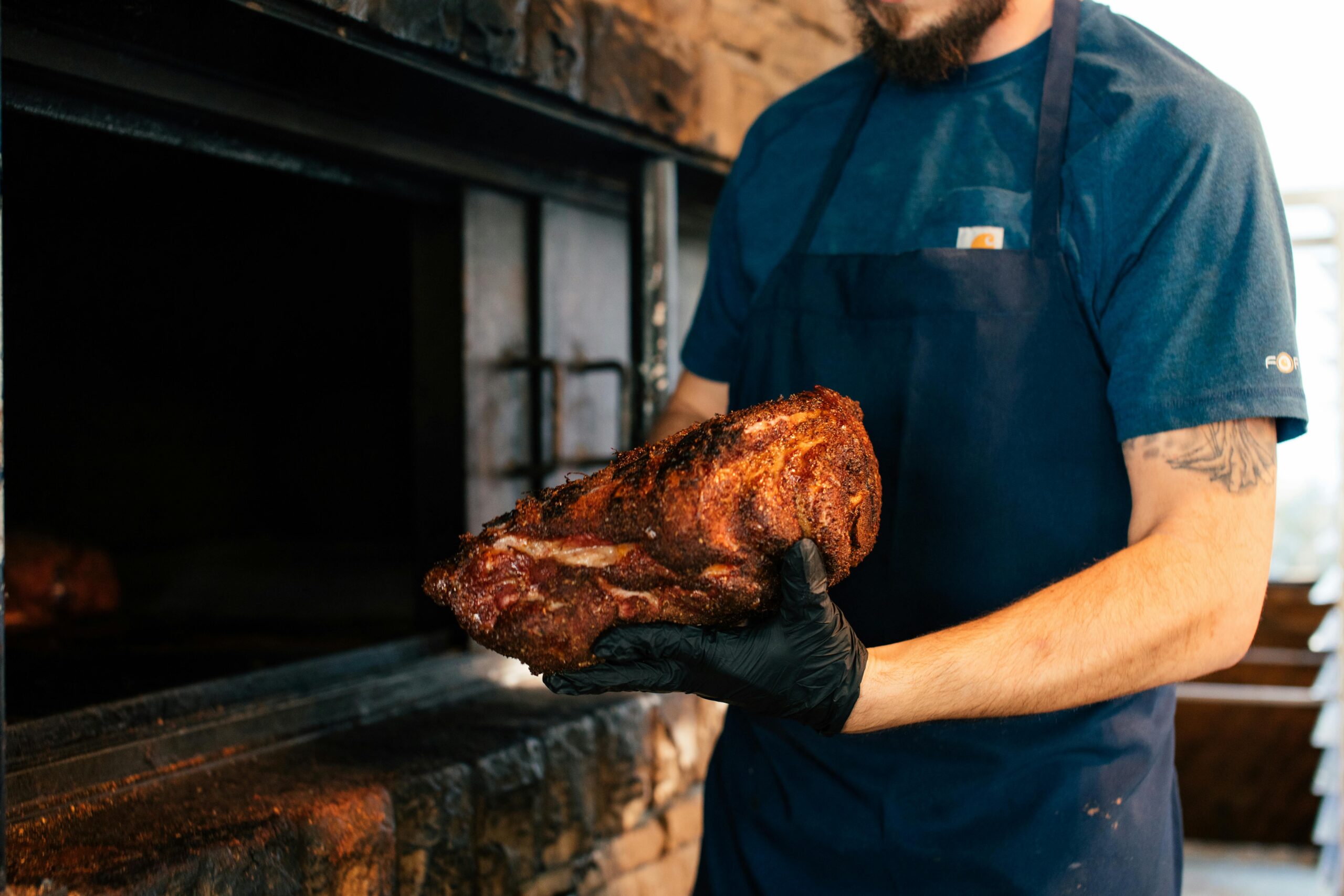
Wine and food pairing transforms every meal into a sensory journey, but matching your selections to the seasons elevates the experience beyond simple flavor compatibility.

The rhythm of changing seasons naturally influences our cravings, body temperature, and social dining habits. A crisp Sauvignon Blanc that refreshes on a sweltering summer afternoon might feel oddly out of place during a cozy winter dinner by the fireplace. Similarly, that robust Cabernet Sauvignon perfect for autumn comfort food can seem heavy and overwhelming during spring’s lighter fare.
Climate-based wine pairing isn’t just about following traditions or arbitrary rules. It’s about understanding how temperature, seasonal ingredients, and our bodies’ natural responses to weather conditions create opportunities for harmonious dining experiences. When you align your wine choices with the season, you’re working with nature rather than against it, creating matches that feel intuitively right.
🌸 Spring Awakening: Light Wines for Renewed Appetites
As winter’s chill recedes and gardens burst with new life, our palates naturally crave lighter, brighter flavors. Spring dining celebrates tender vegetables, fresh herbs, and delicate proteins that pair beautifully with equally vibrant wines.
The Spring Wine Personality
Spring wines should mirror the season’s energy with high acidity, moderate alcohol, and fresh aromatic profiles. These characteristics complement the vegetables and lighter proteins that dominate seasonal menus while refreshing the palate after winter’s heavier fare.
White wines reign supreme during spring months. Sauvignon Blanc brings grassy, herbaceous notes that harmonize with asparagus, peas, and spring onions. Grüner Veltliner offers white pepper spice and citrus brightness perfect for herb-crusted fish or vegetable risottos. Albariño from Spain provides stone fruit flavors and minerality that enhance seafood and salads.
Rosé wines make their triumphant return in spring, offering the perfect bridge between winter’s reds and summer’s refreshing whites. Provence-style rosés with their pale salmon color and strawberry notes pair excellently with spring lamb, grilled vegetables, and early-season tomatoes.
Spring Pairing Strategies
Match wine weight to dish weight. Spring vegetables and proteins tend toward delicacy, requiring wines that won’t overwhelm. A grilled Dover sole needs something subtle like a Chablis, while roasted spring chicken can handle a light-bodied Pinot Noir.
Embrace herbal connections. Fresh herbs like tarragon, dill, mint, and basil feature prominently in spring cooking. Wines with herbal undertones create natural bridges. Vermentino’s Mediterranean herb notes complement pesto-dressed pasta, while Sancerre’s mineral-herb character enhances dishes with fresh dill or chervil.
- Asparagus with hollandaise: Grüner Veltliner or dry Riesling
- Pea and mint risotto: Soave or Verdicchio
- Spring lamb with herbs: Bandol Rosé or light Pinot Noir
- Artichoke salad: Dry Chenin Blanc or Vermentino
- Fresh goat cheese tart: Sauvignon Blanc or Albariño
☀️ Summer Sipping: Refreshment Meets Flavor Intensity
Summer’s heat fundamentally changes how we experience wine and food. Higher temperatures increase alcohol perception, making wines taste more alcoholic and less balanced. This seasonal reality demands strategic pairing choices that prioritize refreshment without sacrificing flavor complexity.
Temperature and Taste Perception
When ambient temperatures soar, our bodies crave cooling sensations. Wines with higher acidity, lower alcohol, and brighter fruit profiles provide refreshment while cleansing the palate. Conversely, high-alcohol, oak-heavy wines feel cloying and exhausting in summer heat.
Chilled wines serve dual purposes during summer: they cool the body while their cold temperature temporarily mutes harsh tannins or aggressive alcohol. This is why sparkling wines, light whites, and chilled reds become summer staples.
Summer Wine Champions
Sparkling wines deserve top billing for summer entertaining. Champagne, Prosecco, Cava, and Crémant offer effervescence that refreshes while their acidity cuts through rich summer foods like fried chicken, potato salad, and grilled sausages.
Crisp white wines maintain their spring appeal but expand to include more aromatic varieties. Riesling, particularly off-dry styles, balances spicy summer grilling and ethnic cuisines. Pinot Grigio and Vinho Verde provide uncomplicated refreshment for casual poolside dining.
Light red wines served slightly chilled offer sophistication without heaviness. Beaujolais, Loire Valley reds like Chinon, and light Italian reds such as Bardolino pair wonderfully with grilled vegetables, charcuterie, and tomato-based dishes that dominate summer menus.
Grilling and Wine: Summer’s Perfect Partnership
Grilling creates complex flavors through caramelization and smoke, requiring wines with enough structure to match intensity while maintaining refreshing qualities. The char on grilled meats and vegetables adds bitter notes that interact with wine tannins, creating new pairing dynamics.
- Grilled fish with lemon: Picpoul de Pinet or Assyrtiko
- BBQ ribs: Off-dry Riesling or Zinfandel (slightly chilled)
- Grilled vegetables: Vermentino or dry rosé
- Spicy grilled shrimp: Albariño or Grüner Veltliner
- Burgers and hot dogs: Beaujolais or light Merlot (chilled)
🍂 Autumn Elegance: Transitioning to Richer Flavors
Autumn represents wine pairing’s most versatile season. Moderate temperatures accommodate both lighter and heavier wines, while harvest bounty provides ingredients that span the flavor spectrum from delicate to robust.
Harvest Season Harmony
Fall ingredients possess earthier, richer characteristics than their spring and summer counterparts. Root vegetables, squashes, mushrooms, and game meats bring umami depth and natural sweetness that pair beautifully with medium to full-bodied wines showing maturity and complexity.
This is when red wines truly shine. Pinot Noir’s earthy elegance complements mushroom dishes and roasted poultry. Syrah brings peppery spice that enhances game meats and herb-rubbed roasts. Tempranillo offers leather and tobacco notes that harmonize with braised dishes and aged cheeses.
The Orange Wine Revolution
Autumn’s transitional nature makes it ideal for exploring orange wines—white grapes fermented with their skins, creating wines with tannin structure like reds but aromatic complexity like whites. These wines bridge the gap between summer’s whites and winter’s reds, pairing exceptionally with autumn’s diverse ingredient palette.
Orange wines’ nutty, oxidative characteristics complement roasted squash, caramelized onions, and dishes featuring warming spices like cinnamon, cumin, and coriander. Their textural complexity matches heartier preparations without overwhelming delicate flavors.
Autumn Pairing Essentials
Consider preparation methods as temperatures drop. Roasting, braising, and slow-cooking techniques dominate autumn kitchens, concentrating flavors and creating caramelized surfaces that need wines with corresponding richness and structure.
- Roasted butternut squash soup: Viognier or aged Chardonnay
- Wild mushroom risotto: Burgundian Pinot Noir or Nebbiolo
- Duck breast with cherry sauce: Côtes du Rhône or Rioja Reserva
- Pork tenderloin with apples: German Spätlese Riesling or Pinot Gris
- Pumpkin ravioli with sage butter: Orange wine or Gewürztraminer
❄️ Winter Warmth: Bold Wines for Comfort Food
Winter dining revolves around comfort, richness, and warming spices. Cold temperatures make fuller-bodied, higher-alcohol wines feel balanced and appropriate rather than overwhelming. This season celebrates wine’s ability to provide both sensory pleasure and physiological warmth.
Embracing Full-Bodied Reds
Winter is when powerful red wines find their ideal context. Cabernet Sauvignon, Malbec, Amarone, and Châteauneuf-du-Pape offer the intensity needed to match braised meats, rich stews, and hearty pastas that define cold-weather cooking.
These wines’ tannic structure, which might feel harsh in summer heat, becomes velvety and comforting when paired with fatty, slow-cooked proteins. The interaction between wine tannins and meat proteins creates textural harmony that feels satisfying and complete.
Fortified Wines for Winter Elegance
Port, Sherry, Madeira, and other fortified wines excel during winter months, offering concentrated flavors and warming alcohol that combat the cold. Tawny Port’s nutty caramel notes complement desserts and blue cheeses. Oloroso Sherry brings savory depth to rich soups and stews. Madeira’s oxidative complexity enhances dishes with caramelized elements.
These wines also shine in cooking, adding depth to sauces and reductions that dress winter’s heartiest dishes.
White Wines Still Have a Place
While reds dominate winter wine conversations, fuller-bodied whites deserve consideration. Aged white Burgundy, oak-influenced Chardonnay, and Rhône white blends offer richness and complexity that match creamy dishes, roasted poultry, and seafood in butter sauces.
These wines provide relief from red wine monotony while maintaining the weight and depth winter dining requires.
Winter Pairing Foundations
- Braised short ribs: Barolo or Bordeaux blend
- Beef bourguignon: Burgundian Pinot Noir or Côte Rôtie
- Osso buco: Amarone or Brunello di Montalcino
- Roasted prime rib: Cabernet Sauvignon or Super Tuscan
- Lamb tagine: Priorat or Southern Rhône blend
- Lobster thermidor: Aged white Burgundy or oaked Chardonnay
🌡️ Climate Considerations Beyond Seasons
While seasonal changes affect wine pairing, your specific climate zone creates additional considerations. Mediterranean climates with mild winters require different strategies than continental climates with extreme temperature swings.
Warm Climate Living
In consistently warm regions, the traditional seasonal progression may feel less relevant. Focus instead on micro-seasons defined by subtle temperature variations and ingredient availability. Emphasize refreshing wines year-round while adjusting intensity based on dish preparation rather than calendar dates.
Cold Climate Strategies
In regions with harsh, extended winters, the craving for warming, substantial wines lasts longer. Extend autumn and winter pairing strategies, but don’t forget that occasional lighter wines provide welcome contrast during long cold stretches.
Building Your Seasonal Wine Collection 🍷
Creating a well-rounded wine collection that serves you year-round requires strategic purchasing and storage. Rather than buying randomly, consider building seasonal sections that rotate through your consumption patterns.
Purchase lighter wines in smaller quantities with plans to consume them during appropriate seasons. These wines rarely improve with age and taste best when fresh. Conversely, invest in age-worthy reds during autumn and winter, allowing them to develop complexity for future enjoyment.
Storage temperature matters for seasonal drinking. If possible, maintain separate storage zones for wines intended for near-term consumption versus long-term aging. Wines destined for summer drinking benefit from slightly cooler storage, while winter reds can handle marginally warmer conditions.
Practical Tips for Season-Smart Pairing 🎯
Start with temperature. Serving temperature dramatically impacts wine perception. Summer wines taste better when properly chilled, even light reds. Winter wines should reach appropriate serving temperatures, typically warmer than most people realize—around 60-65°F for full-bodied reds rather than room temperature.
Trust your instincts. If a wine feels wrong for the weather, it probably is. Your body provides accurate feedback about what will taste good in current conditions.
Consider the complete dining context. Outdoor summer dining differs from indoor summer meals. A screened porch dinner in autumn creates different needs than a formal dining room experience. Adjust wine selections based on setting as well as temperature.
Experiment with unconventional chilling. Don’t be afraid to slightly chill wines traditionally served at room temperature when weather demands it. Many medium-bodied reds taste excellent with 15-20 minutes in the refrigerator during hot weather.
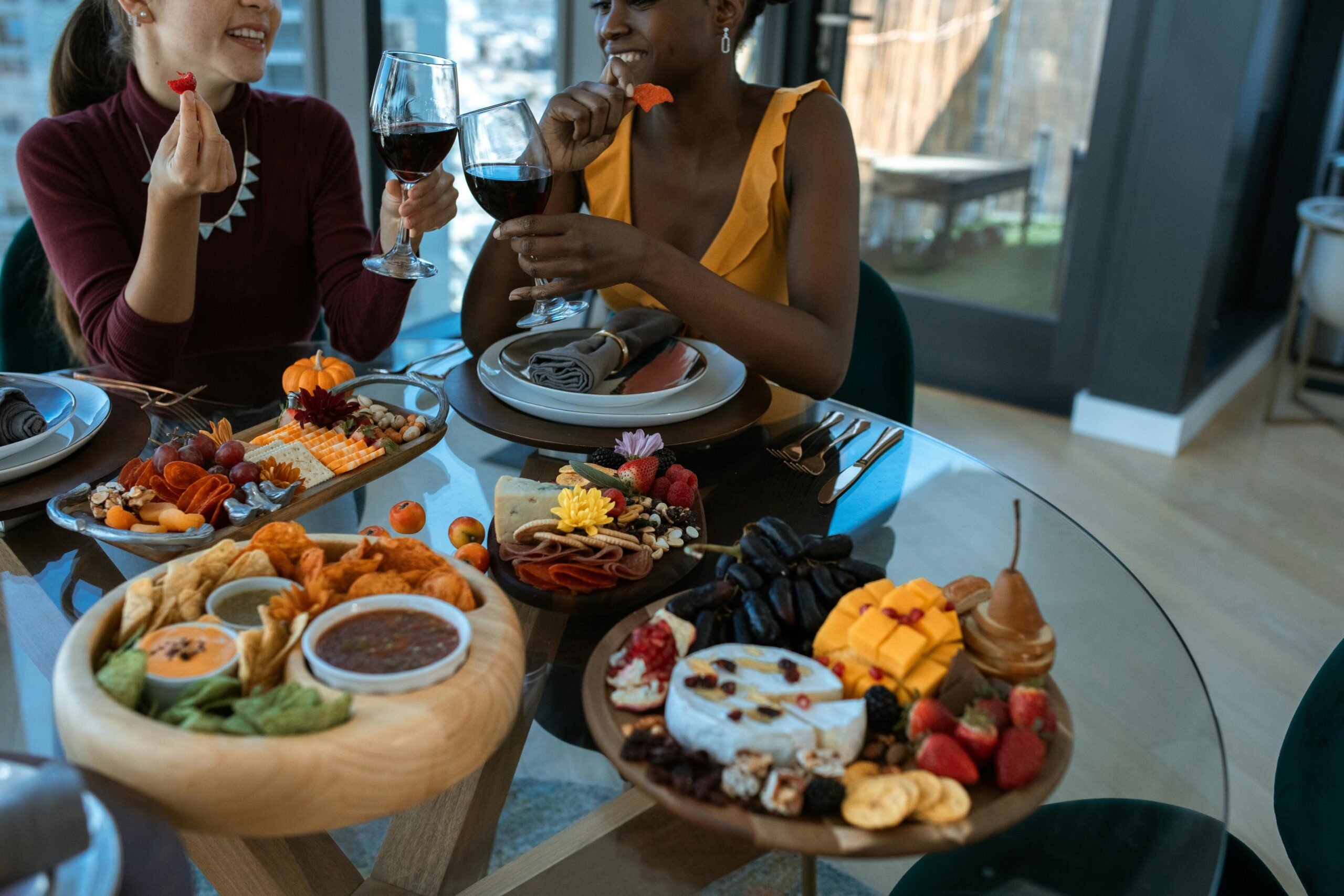
Making Climate-Based Pairing Second Nature
Developing intuitive seasonal pairing skills requires practice and attention. Start by noting which wines you naturally gravitate toward as seasons change. Your instincts likely align with sound pairing principles—trust them while building knowledge.
Visit farmers markets and observe seasonal ingredient transitions. As produce changes, consider which wines would complement the available ingredients. This practice connects wine knowledge with culinary reality, making pairing decisions more natural and informed.
Keep a simple wine journal noting successful seasonal pairings. Over time, patterns emerge that guide future decisions. You’ll discover personal preferences that may differ from conventional wisdom—that’s perfectly fine. Climate-based pairing provides guidelines, not rigid rules.
Most importantly, remember that perfect pairings enhance enjoyment but aren’t prerequisites for pleasure. A wine that brings you happiness in the moment, regardless of whether it theoretically matches the season, succeeds at wine’s primary purpose: creating joy and connection around the table. Climate-based pairing simply offers tools to maximize that joy by working harmoniously with nature’s rhythms and your body’s natural responses to changing seasons.