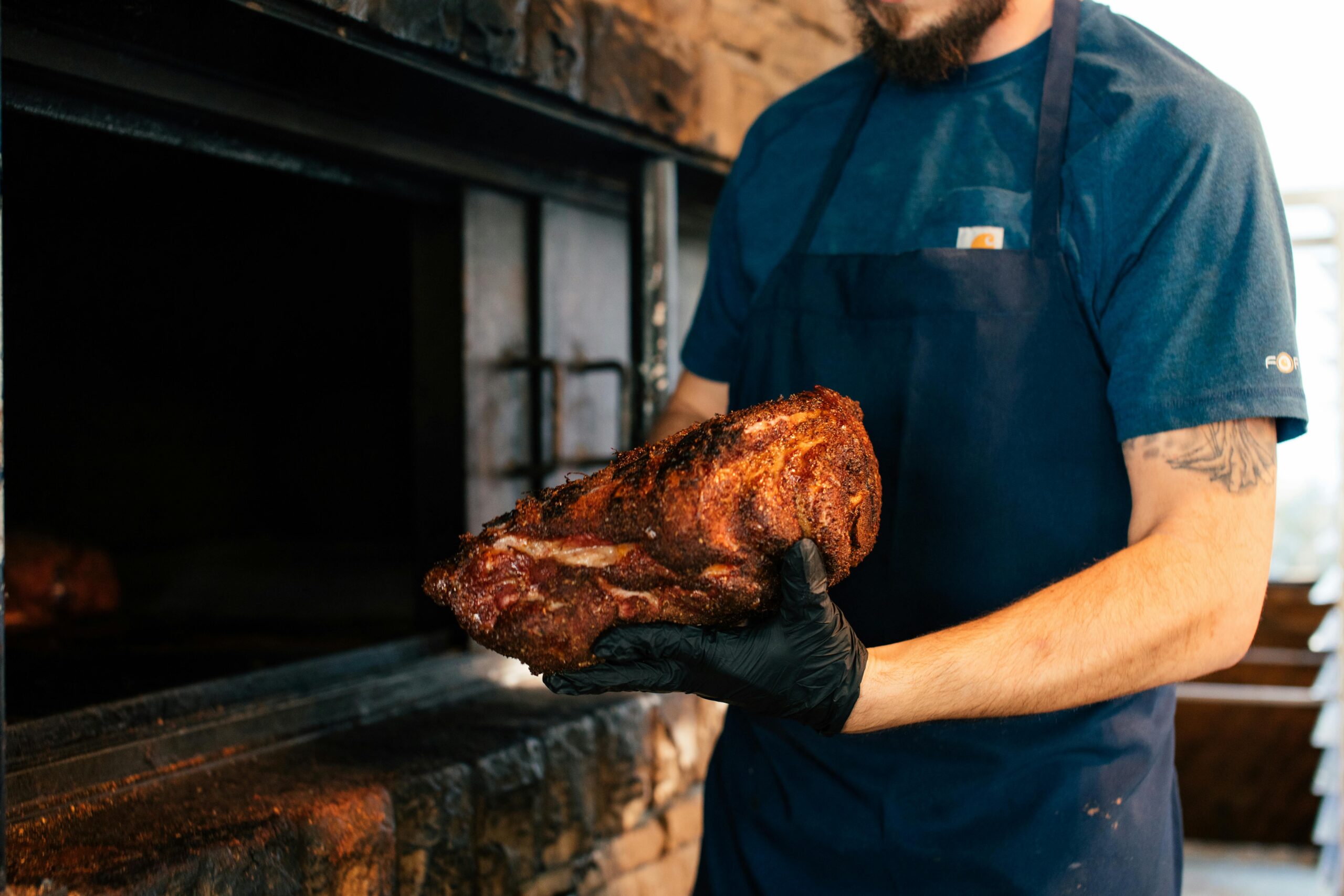
Mastering wild cooking means understanding how acidity and umami work together to create dishes that resonate with complexity, depth, and unforgettable flavor profiles that transform foraged ingredients into culinary masterpieces.

The Foundation of Wild Flavor: Understanding Acidity and Umami 🌿
When you venture into wild cooking, you’re not just gathering ingredients from nature—you’re entering a world where flavor balance becomes both an art and a science. Acidity and umami represent two of the five fundamental tastes, and their interplay can elevate simple foraged foods into restaurant-quality dishes that celebrate the wilderness on your plate.
Acidity brings brightness, cuts through richness, and awakens the palate. It’s the sharp tang of wild sorrel leaves, the tartness of unripe berries, and the citrus-like notes found in wood sorrel. Umami, on the other hand, delivers savory depth—that satisfying, meaty quality found in wild mushrooms, aged nuts, and fermented wild ingredients.
The magic happens when these two forces meet. Acidity prevents umami-rich dishes from becoming heavy or one-dimensional, while umami provides the foundational depth that makes acidic elements sing rather than overwhelm. This dynamic relationship is what separates memorable wild cooking from merely edible foraged meals.
Nature’s Acidic Treasures: Wild Ingredients That Brighten Your Plate
The wilderness offers an impressive array of acidic ingredients that can transform your cooking. Understanding where to find them and how to use them effectively is essential for any wild cook seeking flavor harmony.
Foraging for Natural Acids 🍋
Wild sorrel stands as one of nature’s most accessible sources of bright acidity. Its lemony flavor comes from oxalic acid, making it perfect for salads, soups, or as a finishing herb. Wood sorrel offers similar notes with a more delicate profile, ideal for garnishing wild game or fish.
Wild berries in their unripe stages provide malic acid—the same compound that gives green apples their tartness. Sumac berries, when dried and ground, create a tangy spice that Middle Eastern cuisines have celebrated for centuries. Even wild rose hips deliver vitamin C-rich acidity perfect for sauces and teas.
Fermentation unlocks another dimension of acidity in wild cooking. Wild-fermented vegetables develop lactic acid, creating complex sour notes that pair beautifully with umami-rich ingredients. The natural yeasts and bacteria present on foraged plants can create unique fermentation profiles impossible to replicate with cultivated ingredients.
Umami in the Wild: Discovering Savory Depth Beyond Cultivation
While umami might seem like a modern concept, wild ingredients have delivered this savory satisfaction for millennia. The key is knowing where nature concentrates these glutamate-rich compounds that make our taste buds celebrate.
Wild Mushrooms: The Umami Champions 🍄
Wild mushrooms represent perhaps the most concentrated source of umami available to foragers. Porcini, morels, chanterelles, and hen-of-the-woods all contain high levels of glutamic acid—the compound responsible for umami taste. Drying wild mushrooms concentrates these flavors exponentially, creating an ingredient that can anchor entire dishes with savory depth.
The earthy complexity of wild mushrooms creates a foundation that begs for acidic balance. A simple sauté of morels becomes transcendent when finished with a squeeze of wild sorrel juice or a splash of fermented berry vinegar.
Nuts, Seeds, and Aged Wild Proteins
Aged wild nuts develop umami as their proteins break down over time. Black walnuts, hickory nuts, and acorns (properly processed) offer savory notes that complement both sweet and acidic preparations. Wild seeds from plants like amaranth and lamb’s quarters provide subtle umami that builds complexity in grain-like dishes.
Wild game and fish naturally contain more umami compounds than their domesticated counterparts due to their varied diets and active lifestyles. The muscular tissue of wild venison, duck, or salmon offers robust savory flavors that create the perfect canvas for acidic counterpoints.
The Science Behind the Harmony: How Acidity and Umami Interact 🔬
Understanding the chemistry of flavor balance transforms intuitive cooking into precision craftsmanship. Acidity and umami don’t just coexist—they actively enhance each other through fascinating biological mechanisms.
Umami compounds activate specific taste receptors on your tongue, creating signals your brain interprets as savory satisfaction. These same receptors become more sensitive in the presence of acids, meaning that acidic ingredients literally amplify your perception of umami. This is why a squeeze of lemon makes fish taste “fishier” in the best possible way.
Conversely, umami compounds help moderate the sharp edge of acids, allowing you to use more acidic ingredients without overwhelming the palate. This is why tomato sauce—rich in both glutamates and acids—tastes balanced despite containing significant amounts of both compounds.
The pH level of your dish matters significantly. Most palate-pleasing foods fall between pH 4.5 and 6.5, where both acid and umami receptors function optimally. Wild cooks who understand this range can adjust their preparations to hit that sweet spot consistently.
Practical Techniques for Achieving Flavor Balance in Wild Cooking
Theory means nothing without application. Here are tested methods for harmonizing acidity and umami when working with foraged ingredients.
Layering Flavors Throughout the Cooking Process
Rather than adding all your acidic or umami elements at once, introduce them in stages. Start with umami-rich ingredients like dried wild mushrooms in your cooking fat, build with aromatics, then finish with fresh acidic elements just before serving. This creates depth rather than one-dimensional flavor.
Consider this approach for wild mushroom soup: sauté rehydrated porcini in wild nut oil (umami layer one), add wild onions and garlic (aromatic complexity), simmer with mushroom soaking liquid (umami layer two), then finish with wild sorrel and a touch of fermented berry vinegar (acidic brightness). Each layer contributes to the whole without dominating.
Using Fermentation as a Bridge Between Flavors
Fermented wild ingredients naturally contain both acids and umami compounds, making them perfect bridge ingredients. Wild kimchi, fermented wild greens, or wild berry vinegars provide both dimensions simultaneously while adding beneficial probiotics.
Create a simple wild ferment by submerging foraged greens in a 2-3% salt brine and allowing natural fermentation for 3-7 days. The resulting product can be used as a condiment that brings instant balance to umami-heavy dishes.
Regional Approaches to Acid-Umami Balance in Wild Cuisines 🌍
Traditional wild cooking from different regions offers valuable lessons in flavor harmony. Indigenous and ancestral cooking methods often demonstrate sophisticated understanding of these principles.
Scandinavian wild cooking frequently pairs rich, fatty fish with pickled wild berries and fermented vegetables. The acidity cuts through the fat while enhancing the fish’s natural umami. Japanese mountain cuisine combines wild mushrooms with citrus-like yuzu and fermented ingredients like miso, creating multiple layers of both target flavors.
Native American cooking traditions often feature wild game prepared with sumac or wild berries, demonstrating intuitive understanding of acid-umami balance long before these terms entered culinary vocabulary. The practice of combining pemmican (umami-rich dried meat and fat) with dried berries (acidic) shows this principle in portable form.
Common Mistakes When Balancing Wild Flavors (And How to Fix Them) ⚠️
Even experienced wild cooks can stumble when working with these powerful flavor dimensions. Recognizing and correcting imbalances separates good wild cooking from great.
Over-Reliance on Single Flavor Sources
Using only one type of acid or umami source creates flat, monotonous flavor profiles. If your wild mushroom dish tastes one-note despite being properly seasoned, you likely need to diversify your umami sources—add some aged wild nuts or a splash of fermented liquid alongside the mushrooms.
Similarly, using only vinegar for acidity creates harshness. Combine fermented acids with fresh citrus-like wild greens and perhaps some unripe fruit for a more nuanced acidic profile.
Timing Your Additions Incorrectly
Adding delicate acidic ingredients too early destroys their brightness through prolonged cooking. Wild sorrel, for instance, loses its vibrant flavor when cooked for more than a minute or two. Reserve these ingredients for finishing touches.
Conversely, some umami sources need time to release their compounds. Dried wild mushrooms require proper rehydration and simmering to extract their full savory potential. Rushing this process yields disappointing results.
Seasonal Considerations: Adapting Balance Throughout the Year 🍂
Wild cooking is inherently seasonal, and the acid-umami balance shifts with what nature provides. Spring offers abundant acidic greens but fewer umami sources. Summer brings berries for fresh and fermented acids. Fall delivers umami-rich mushrooms and nuts. Winter requires relying on preserved ingredients from previous seasons.
Smart wild cooks prepare for these seasonal shifts by preserving ingredients when they’re abundant. Dry wild mushrooms during fall’s bounty. Ferment wild greens and berries during their peak seasons. Create wild vinegars that capture summer’s brightness for winter use.
This preservation work isn’t just practical—it’s essential for maintaining flavor balance year-round. A winter venison stew reaches its full potential when you can draw on dried morels, fermented wild vegetables, and wild berry vinegar created months earlier.
Building Your Wild Pantry for Consistent Flavor Success
A well-stocked wild pantry makes balancing acidity and umami instinctive rather than challenging. Focus on preserving these key categories of ingredients:
- Dried wild mushrooms: Multiple varieties provide different umami profiles
- Wild vinegars: Fermented from foraged berries, fruits, or honey
- Preserved wild greens: Fermented or dried for acidic brightness
- Wild nut oils and butters: Concentrated umami and richness
- Wild spice blends: Including ground sumac, dried berry powders, and wild herb mixes
- Fermented wild condiments: Bridge ingredients containing both acid and umami
These preserved ingredients allow you to layer flavors even when fresh foraged ingredients aren’t available. They also concentrate flavors, giving you more control over the final balance of your dishes.
Testing and Adjusting: The Tasting Loop That Perfects Dishes 👨🍳
Professional chefs constantly taste and adjust their dishes. This practice becomes even more critical in wild cooking, where ingredient potency varies dramatically based on growing conditions, harvest timing, and preservation methods.
Develop a systematic tasting approach: First, assess whether the dish feels heavy or light. Heaviness often indicates insufficient acidity. Then, consider whether it tastes interesting or flat. Flatness usually means inadequate umami or insufficient salt (which amplifies both acid and umami perception).
Make small adjustments, taste again, and give flavors time to integrate—especially when working with dried or fermented ingredients that need time to release their full character. A dish that seems slightly off-balance immediately after adjusting may reach perfect harmony after five minutes of simmering.
Advanced Applications: Creating Signature Wild Dishes Through Balance
Once you understand the principles, you can create original wild dishes that showcase your local landscape’s unique flavors. The key is identifying your region’s strongest wild sources of acidity and umami, then building dishes that highlight both.
Perhaps your area offers abundant wild mushrooms and native citrus. Build dishes around this combination. Or maybe you have access to wild game and fermented berries—a classic pairing from northern traditions that demonstrates perfect acid-umami harmony.
Document your experiments, noting which combinations work and which fall flat. Over time, you’ll develop an intuitive sense of how your local wild ingredients interact, allowing you to improvise successfully even with unfamiliar foraged finds.

Elevating Every Meal Through Conscious Flavor Balance 🎯
The pursuit of acid-umami harmony in wild cooking transforms every meal into an opportunity for refinement. Each dish becomes a study in balance, a meditation on how nature’s flavors interact and enhance each other. This mindful approach to cooking develops your palate while creating more satisfying, memorable meals.
Start simply: add a handful of wild sorrel to your next wild mushroom dish. Notice how the flavors brighten and become more complex. Then experiment with fermented wild ingredients, dried umami sources, and seasonal variations. Your skills will develop naturally through this hands-on exploration.
The landscape around you contains everything needed to create balanced, sophisticated dishes. Acidity and umami exist in wild ingredients waiting to be discovered, preserved, and combined with intention. By mastering their harmony, you unlock the full potential of wild cooking—creating meals that honor both the land’s generosity and the ancient art of transforming raw ingredients into nourishment that satisfies body, mind, and spirit.
This journey toward flavor mastery never truly ends. Each season brings new ingredients, each foraging trip reveals unexpected finds, and each meal offers lessons in balance. Embrace this continuous learning process, and you’ll discover that wild cooking offers not just sustenance, but a profound connection to the natural world expressed through the universal language of delicious, harmonious flavor.