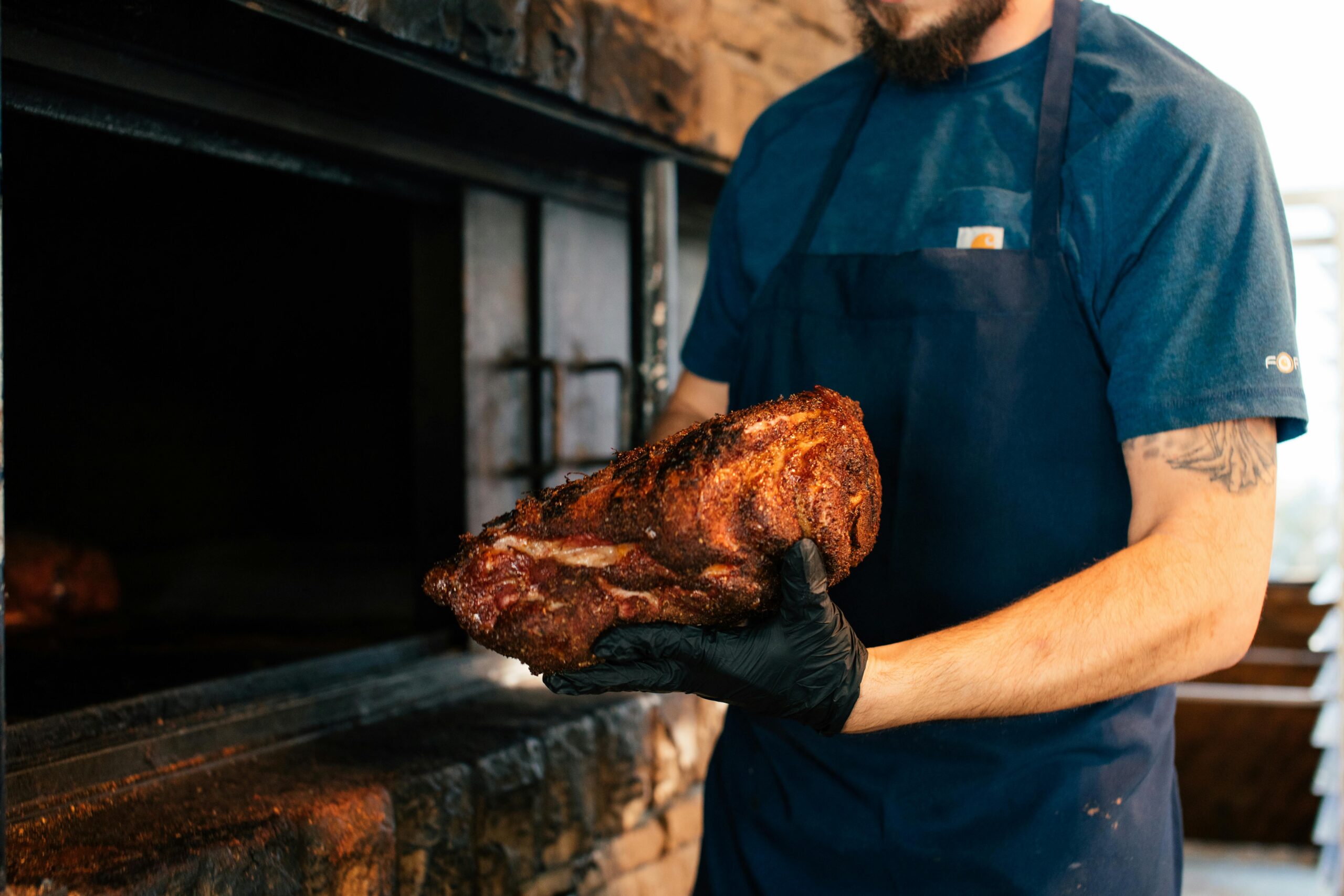
Foraging connects us with nature’s bounty, offering fresh, sustainable ingredients that transform meals into memorable experiences. Understanding regional maps helps foragers discover the perfect seasonal pairings.

🌍 The Art of Regional Foraging and Food Pairing
The practice of foraging has experienced a remarkable renaissance in recent years, with chefs, home cooks, and nature enthusiasts rediscovering the joy of gathering wild foods. Regional maps have become essential tools for identifying where specific foraged ingredients thrive, enabling foragers to plan expeditions and create dishes that celebrate local terroir. By understanding the geographical distribution of wild edibles, we can craft pairings that honor traditional foodways while exploring innovative culinary combinations.
Each region offers unique ecosystems that support distinctive wild foods. Coastal areas provide seaweeds and beach vegetables, forests yield mushrooms and wild greens, while meadows offer edible flowers and herbs. These geographical variations create natural pairing opportunities that reflect the character of the land itself. When we match foraged ingredients from the same region, we create dishes with coherent flavor profiles that tell the story of a place.
📍 Understanding Your Local Foraging Landscape
Before venturing into the wild, successful foragers must develop intimate knowledge of their regional ecosystems. Different climates and soil compositions produce varying wild foods, making local expertise invaluable. Temperate forests in the Northeast yield different treasures than Mediterranean scrublands or Pacific Northwest rainforests. This geographical diversity demands region-specific knowledge for both safe identification and optimal harvesting.
Creating or consulting regional foraging maps begins with identifying the major ecosystems in your area. Wetlands, deciduous forests, coniferous woodlands, prairies, and coastal zones each harbor distinct species. Modern foragers can leverage technology to document their findings, creating detailed maps that note seasonal availability, abundance levels, and access points. These personalized maps become invaluable references that grow more detailed with each season.
Seasonal Cycles and Regional Variations
Understanding seasonal patterns within your region proves crucial for successful foraging. Spring typically brings tender greens like ramps, fiddlehead ferns, and wild asparagus in northern climates, while Mediterranean regions see rock samphire and wild fennel emerge. Summer offers berries, edible flowers, and aromatic herbs across most temperate zones. Fall delivers the mushroom bounty and nuts, while winter foraging focuses on hardy greens, roots, and evergreen aromatics in milder climates.
Regional maps that incorporate temporal data help foragers plan expeditions throughout the year. By marking when specific ingredients peak in different microclimates within a region, foragers can optimize their harvesting schedules and create seasonal pairing menus that showcase ingredients at their prime. This temporal awareness prevents over-harvesting and ensures sustainable practices that protect wild populations.
🍄 Forest Ecosystems: Mushrooms and Woodland Treasures
Forested regions represent some of the richest foraging territories, offering incredible diversity throughout the seasons. The forest floor produces numerous mushroom varieties, from prized morels and chanterelles to chicken of the woods and lion’s mane. These fungal treasures pair beautifully with other woodland finds like wild leeks, wood sorrel, and various wild greens that thrive in dappled shade.
Eastern deciduous forests provide different species than Western coniferous woodlands or Southern mixed forests. A forager in Michigan encounters different mushrooms than someone exploring the Cascades or Appalachia. Regional maps help identify which species grow where, enabling foragers to develop expertise in their local varieties while understanding safe identification protocols specific to their area.
Perfect Woodland Pairings
Forest-foraged ingredients naturally complement each other in dishes that celebrate woodland flavors. Earthy mushrooms pair exceptionally with wild ramps or garlic mustard, creating layered allium notes that enhance soups, risottos, and pasta dishes. Wild greens like chickweed or miner’s lettuce provide fresh contrast to rich, umami-forward mushrooms. Wood sorrel adds lemony brightness that cuts through fatty preparations.
Consider creating a spring woodland pasta featuring morel mushrooms with ramps, finished with wood sorrel and wild chervil. For autumn, combine various foraged mushrooms with roasted acorns (properly leached) and wild thyme. These regional pairings showcase ingredients that grow within walking distance of each other, creating dishes with remarkable terroir expression.
🌊 Coastal Foraging: Sea Vegetables and Shore Delicacies
Coastal regions offer entirely different foraging opportunities, with tidal zones providing nutrient-dense sea vegetables, shellfish (where permitted), and unique plants adapted to salt spray and sandy soils. Seaweeds like dulse, kelp, nori, and sea lettuce vary by ocean and latitude, with cold Atlantic waters producing different species than Pacific or Mediterranean coastlines.
Beach plants such as sea rocket, samphire, and beach mustard provide peppery, mineral-rich greens that pair naturally with seafood and sea vegetables. Regional coastal maps identify the best tidal zones, seasonal availability, and sustainable harvesting locations. Understanding tide schedules and local regulations ensures both safety and legal compliance while protecting these sensitive ecosystems.
Ocean-to-Plate Pairings
Coastal foraging naturally suggests seafood pairings, but the combinations extend beyond the obvious. Fresh kelp or kombu enhances fish broths while providing umami depth. Samphire’s natural saltiness makes it perfect alongside grilled fish or in seafood salads. Dulse adds smoky, bacon-like notes to chowders and vegetarian dishes. Beach mustard greens provide peppery punch to ceviche or raw fish preparations.
Create a coastal feast featuring locally caught fish with a seaweed butter sauce, accompanied by foraged samphire and beach pea shoots. The mineral qualities of sea vegetables amplify oceanic flavors while connecting diners to the complete coastal ecosystem. These pairings work because the ingredients share environmental conditions, creating natural flavor harmony.
🌾 Meadow and Prairie Foraging: Flowers, Herbs, and Seeds
Open grasslands, meadows, and prairie remnants support diverse edible plants that differ dramatically from forest or coastal zones. These sunny environments produce aromatic herbs like wild mint, bergamot, and oregano, alongside edible flowers such as elderflowers, daylilies, and wild roses. Seed-bearing plants like amaranth, lamb’s quarters, and various wild grains have sustained humans for millennia.
Regional grassland maps help foragers locate undisturbed meadows, prairie preserves, and field edges where wild plants thrive. Understanding which flowers and herbs grow in your specific region enables creative pairings that capture the essence of sunny, open landscapes. These ingredients often carry aromatic, floral, or peppery notes that brighten dishes and add complexity.
Bright and Aromatic Combinations
Meadow ingredients excel in lighter preparations that showcase their delicate qualities. Elderflowers pair beautifully with strawberries, gooseberries, or other foraged fruits in desserts and cordials. Wild mint varieties complement lamb, vegetables, and fruit salads. Edible flowers like daylilies, violets, and wild roses garnish both sweet and savory dishes while contributing subtle flavors.
Consider a summer salad featuring lamb’s quarters, purslane, and wild arugula, garnished with edible flowers and dressed with wild herb vinaigrette. For dessert, create elderflower fritters served with wild berry compote. These combinations highlight the brightness and aromatics characteristic of open-sun plants, creating dishes that taste like summer captured on a plate.
🗺️ Creating Your Personal Foraging Map
Developing a detailed personal foraging map transforms random wandering into strategic, sustainable harvesting. Start by identifying public lands, nature preserves, and private properties (with permission) where foraging is permitted. Document different ecosystems within your foraging range, noting soil types, sun exposure, moisture levels, and dominant vegetation that indicates good foraging potential.
Modern technology facilitates map creation through various smartphone applications designed specifically for foragers. These tools allow users to mark GPS coordinates, upload photos for identification, note seasonal patterns, and share information with trusted communities. Building a comprehensive regional map requires multiple seasons of observation, patience, and respect for the environment.
Essential Mapping Information to Record
Effective foraging maps include more than simple location markers. Document the abundance levels of different species, noting whether populations can sustain regular harvesting or require protection. Record bloom times, fruiting periods, and optimal harvest windows. Note environmental conditions like sun exposure, soil moisture, and nearby indicator plants that help identify promising foraging zones.
Include safety information such as trail difficulty, parking access, water sources, and any hazards like poison oak, steep terrain, or areas with hunting activity. Add notes about the best approach routes that minimize environmental impact. Over time, these detailed maps become invaluable resources that deepen your connection to the land while enabling more successful foraging expeditions.
🍽️ Regional Pairing Principles for Foraged Menus
Creating successful foraged food pairings relies on understanding fundamental flavor principles while respecting regional availability. The concept of “what grows together, goes together” provides excellent guidance, as plants from the same ecosystem often share complementary flavor compounds. Regional ingredients naturally balance each other, having evolved in the same environmental conditions.
Consider texture contrasts when combining foraged ingredients. Pair crispy sea vegetables with tender fish, or earthy mushrooms with bright, acidic wild greens. Balance rich, umami-forward foraged items with fresh, aromatic herbs or tangy edible flowers. These contrasts create dynamic dishes that engage multiple sensory dimensions while showcasing the diversity of wild ingredients.
Building Complete Foraged Meals
Constructing entire meals from foraged ingredients requires planning around regional availability and seasonal timing. A spring menu might feature ramp and wild mushroom soup, followed by foraged green salad with edible flowers, and finish with wild berry sorbet. Each course celebrates different aspects of the regional landscape while progressing logically through flavors and textures.
Fall foraging menus take advantage of nuts, mushrooms, and late-season greens. Begin with acorn soup garnished with toasted chestnuts, continue with mushroom and wild rice pilaf, and conclude with persimmon pudding topped with candied wild roses. These seasonal progressions connect diners to the rhythms of nature while demonstrating the abundance available to knowledgeable foragers.
♻️ Sustainable Foraging Practices and Conservation
Creating regional foraging maps carries responsibility to protect wild populations and ecosystems. Sustainable harvesting ensures that favorite foraging spots remain productive for years to come. Never harvest more than 10-20% of any plant population, leaving plenty for wildlife and regeneration. Avoid rare or threatened species entirely, focusing on abundant plants that tolerate harvesting pressure.
Learn to identify and protect sensitive ecosystems where even light foraging causes damage. Avoid trampling vegetation by staying on established paths when possible. Rotate foraging locations to prevent over-harvesting single sites. Share knowledge about sustainability with other foragers, fostering a community ethic of conservation and respect for wild places.
Legal and Ethical Considerations
Regional foraging maps must account for legal restrictions and property rights. Research regulations governing foraging in national forests, state parks, and other public lands, as rules vary dramatically by location and jurisdiction. Never forage on private property without explicit permission. Some areas prohibit harvesting entirely to protect endangered species or fragile ecosystems.
Ethical foraging extends beyond legal compliance to encompass respect for Indigenous food sovereignty and traditional harvesting grounds. Many wild foods hold cultural significance for Indigenous communities who have stewarded these lands for millennia. Approach foraging with humility, recognizing that we are guests in these ecosystems, and consider supporting Indigenous-led conservation efforts in your region.
🌱 Expanding Your Foraging Knowledge Year-Round
Developing true foraging expertise requires ongoing education and commitment to learning. Join local mycological societies, native plant groups, and foraging workshops to deepen your identification skills. Many regions offer guided foraging walks led by experts who share knowledge about sustainable harvesting, preparation techniques, and ecological relationships between species.
Build a regional foraging library featuring field guides specific to your area’s flora and fauna. General guides provide useful starting points, but regional publications offer detailed information about local varieties, similar-looking species, and traditional uses. Supplement print resources with online forums where experienced foragers share current conditions, identification tips, and seasonal updates specific to your region.
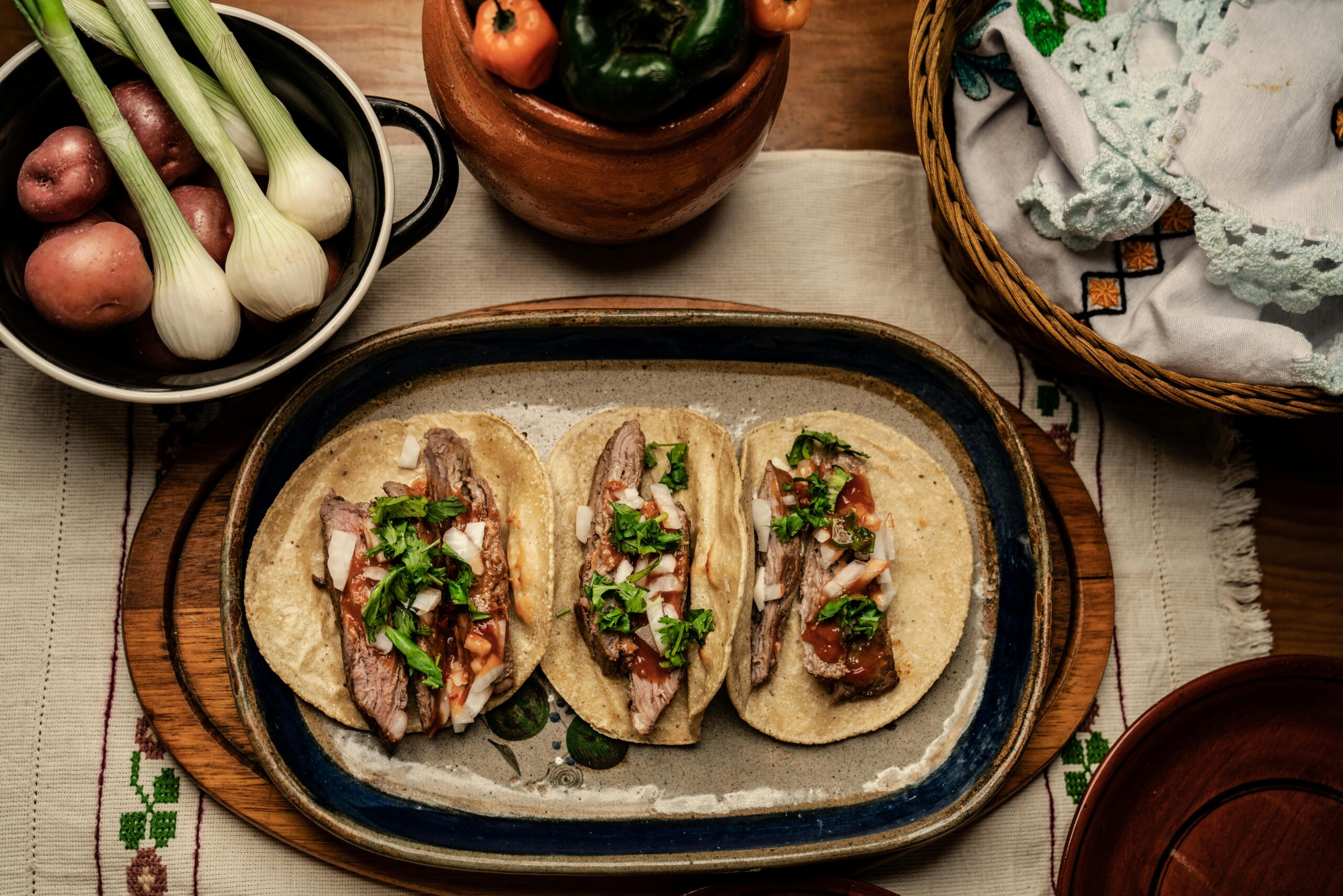
✨ Bringing Foraged Pairings to Your Table
The ultimate reward of creating regional foraging maps lies in the extraordinary meals they enable. Armed with detailed knowledge of local ecosystems and seasonal availability, foragers can craft dishes that capture the essence of place more authentically than any restaurant menu. These meals connect us to the land, honor traditional foodways, and remind us of nature’s incredible generosity.
Start small with one or two foraged ingredients incorporated into familiar recipes, gradually expanding your repertoire as confidence and knowledge grow. Document your culinary experiments alongside your foraging maps, noting successful pairings and preparation methods. Share your discoveries with friends and family through foraged dinner parties that celebrate regional ingredients and inspire others to explore wild foods.
The journey of foraging transforms how we perceive the landscape around us. Parking lots reveal edible purslane in the cracks, suburban yards harbor dandelion greens and violets, and forest walks become treasure hunts for mushrooms and wild aromatics. Regional foraging maps serve as guides to these discoveries, enabling us to develop relationships with specific places through the intimate act of gathering and eating wild foods. As we learn which ingredients grow together and discover their natural affinities on the plate, we participate in an ancient practice that connects us to both land and tradition in profoundly meaningful ways.