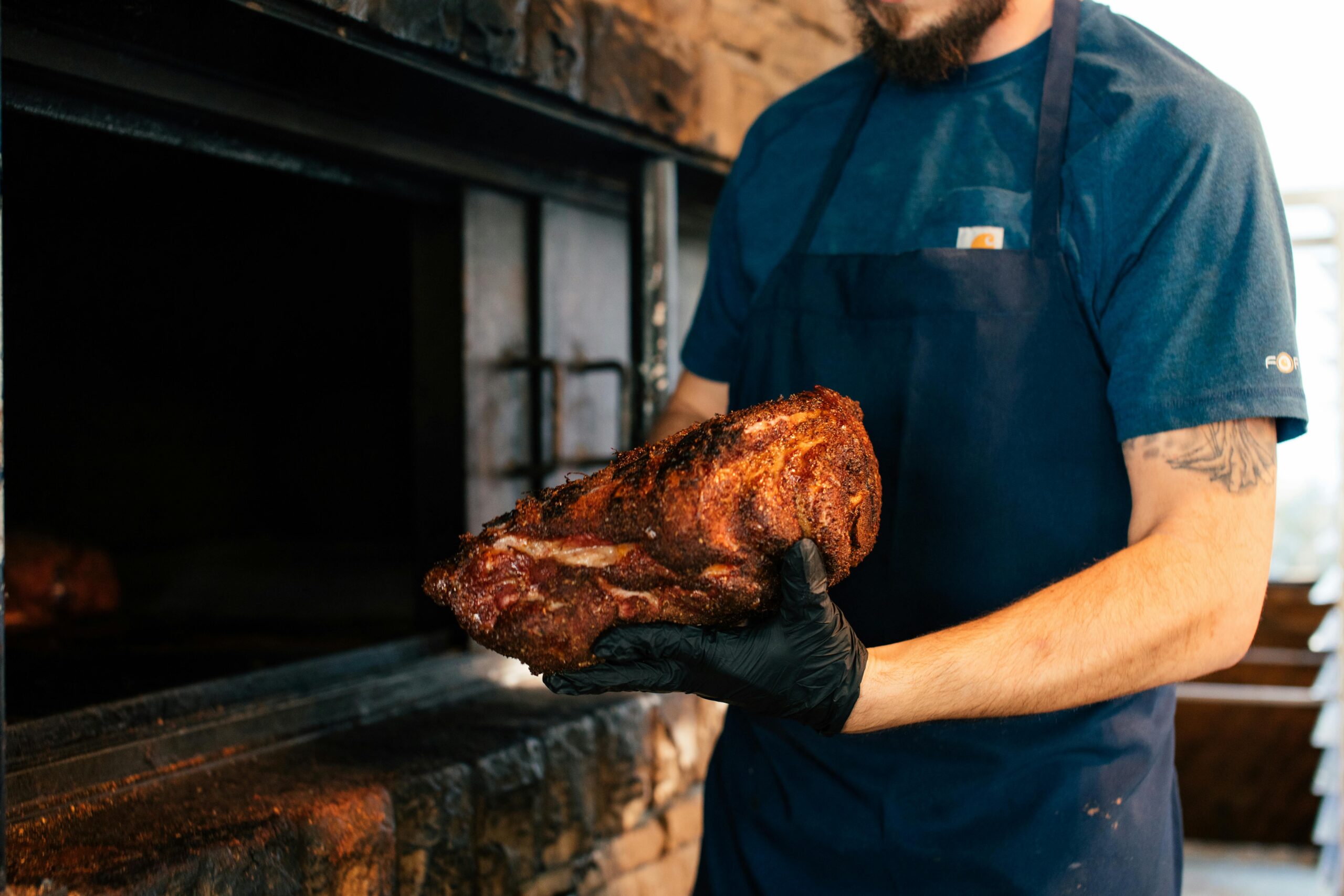
Preserving the unique character of wild and rare ingredients is the secret to creating dishes that linger in memory long after the last bite.

In the world of culinary arts, the difference between a good dish and an unforgettable one often lies not in complex techniques, but in the ability to honor and amplify the inherent flavors of exceptional ingredients. When working with wild mushrooms, foraged herbs, heirloom vegetables, or artisanal proteins, the challenge becomes clear: how do we preserve their distinctive taste profiles while transforming them into something extraordinary?
The journey from ingredient to plate is fraught with opportunities to either enhance or diminish flavor identity. Understanding the delicate balance between preservation and innovation separates competent cooks from true culinary artists. This comprehensive guide explores the techniques, philosophies, and practical approaches that keep unique ingredients tasting wildly delicious.
🌿 Understanding Flavor Identity in Unique Ingredients
Every ingredient carries a flavor signature—a combination of taste, aroma, texture, and even emotional resonance. Wild-caught salmon tastes fundamentally different from farm-raised varieties. Foraged ramps possess an intensity that cultivated onions can never match. These distinctions represent what we call flavor identity: the unique characteristics that make an ingredient irreplaceable.
Flavor identity exists on multiple sensory levels. The volatile compounds that create aroma, the cellular structure that determines texture, the balance of sugars and acids that shape taste—all these elements work together to create the ingredient’s signature. When we cook, we’re constantly negotiating with these components, some fragile and fleeting, others robust and stable.
The most successful dishes respect this complexity. They ask: what makes this ingredient special? Is it the earthy funk of wild mushrooms? The mineral brightness of sea vegetables? The floral notes of heritage apples? Identifying these core characteristics becomes your compass for every subsequent cooking decision.
The Philosophy of Minimal Intervention
The best way to preserve flavor identity often involves doing less, not more. This philosophy of minimal intervention prioritizes the ingredient over the ego of the cook. When you’ve sourced something truly exceptional—whether it’s a perfectly ripe heirloom tomato or a piece of day-boat scallop—your primary job is to not mess it up.
Minimal intervention doesn’t mean no technique. It means selecting techniques that enhance rather than mask. A drizzle of excellent olive oil, a whisper of sea salt, perhaps a touch of acid to brighten—these additions should feel like adjustments to a photograph’s contrast rather than applying a heavy filter.
Consider the Japanese concept of “shun,” celebrating ingredients at their seasonal peak with the simplest preparations. This approach recognizes that timing and sourcing do half the work. When ingredients are at their absolute best, they need less culinary manipulation to shine.
🔥 Heat Management: The Make-or-Break Factor
Temperature control represents perhaps the most critical skill in preserving flavor identity. Heat is both friend and enemy—it can unlock flavors through caramelization and the Maillard reaction, but it can just as easily destroy delicate aromatic compounds and create bitter, burnt notes.
Different ingredients have different heat tolerances. Delicate herbs like chervil and tarragon lose their character within seconds of exposure to high heat, making them better suited for finishing dishes. Wild mushrooms, conversely, need sufficient heat to drive off moisture and concentrate their earthy flavors, but too much turns them leathery and bitter.
Understanding the thermal sweet spots for your ingredients transforms your cooking. Fish proteins begin to coagulate around 120°F, but the texture differences between 125°F and 140°F are dramatic. For many unique fish varieties—think wild striped bass or delicate fluke—stopping at the lower end of that range preserves their silky texture and clean flavor.
Temperature Zones for Common Unique Ingredients
| Ingredient Type | Optimal Temperature Range | Flavor Preservation Notes |
|---|---|---|
| Wild Mushrooms | Medium-high (375-425°F) | Needs moisture evaporation without burning |
| Fresh Herbs | No heat or gentle (under 180°F) | Volatile oils dissipate rapidly with heat |
| Wild Fish | Low to medium (120-140°F internal) | Lower fat content requires gentle cooking |
| Heirloom Vegetables | Varies by density | Preserve texture and natural sugars |
| Artisanal Cheeses | Room temp or gentle melt | Complex flavors mute when overheated |
⏰ Timing: When to Add Ingredients
The sequence of additions profoundly impacts the final flavor profile. Building a dish is like conducting an orchestra—each instrument enters at precisely the right moment to create harmony rather than cacophony.
Aromatic ingredients like garlic, ginger, and shallots need different treatment depending on the desired outcome. Add them to cold oil and gradually heat, and you’ll extract sweet, mellow flavors. Toss them into screaming hot oil, and you’ll get sharper, more pungent notes—assuming you don’t burn them in the three seconds before that happens.
For unique ingredients with delicate flavors, late addition often works best. That truffle oil you invested in? Add it after cooking, not during, or you’ll literally watch your money evaporate. Fresh herbs with bright, volatile flavors? Save them for the last moment. Even certain vegetables—think crisp snow peas or delicate asparagus tips—benefit from brief cooking that preserves their snappy texture and fresh taste.
🧂 The Strategic Use of Salt and Acid
Salt and acid aren’t just seasonings—they’re flavor amplifiers that can either reveal or obscure an ingredient’s identity. Used correctly, they make unique ingredients taste more like themselves, not less.
Salt has the remarkable ability to suppress bitterness while enhancing sweetness and savoriness. For ingredients with subtle flavors—wild lettuces, certain fish, delicate vegetables—salt must be applied with restraint and precision. Consider different salt types: flaky sea salt provides textural interest and dissolves slowly, while fine salt seasons more aggressively and evenly.
Acid—whether from citrus, vinegar, or fermented products—brightens flavors and creates contrast. The key question is which acid complements your ingredient’s identity. Lemon suits seafood and Mediterranean vegetables. Sherry vinegar pairs beautifully with mushrooms and nuts. Rice vinegar offers gentle acidity for delicate greens and raw fish preparations.
Pairing Acids with Unique Ingredients
- Wild game: Red wine vinegar or pomegranate molasses to balance richness
- Foraged greens: Champagne vinegar or verjus for gentle brightness
- Heirloom tomatoes: Minimal acid—they provide their own
- Root vegetables: Apple cider vinegar or balsamic for earthy sweetness
- Shellfish: Fresh citrus or mignonette-style preparations
- Aged cheeses: Fruit-based acids like fig or grape must reductions
Fat: The Flavor Carrier and Protector
Fat serves multiple roles in preserving flavor identity. As a cooking medium, it transfers heat gently and evenly. As a flavor carrier, it dissolves fat-soluble compounds and delivers them across your palate. As a finishing element, it adds richness and rounds out sharp edges without masking core flavors.
Matching the right fat to your ingredient is crucial. Delicate flavors pair with neutral fats—grapeseed oil, clarified butter, or mild olive oil—that won’t compete. Robust ingredients can handle and often benefit from characterful fats like extra virgin olive oil, brown butter, or rendered animal fats that add complementary dimensions.
Consider the temperature tolerance of your chosen fat. Butter burns at relatively low temperatures, making it problematic for high-heat cooking but perfect for gentle basting or finishing. Extra virgin olive oil loses its fruity notes when overheated, suggesting its use raw or at moderate temperatures. Understanding these limitations prevents flavor loss through poor fat selection.
🌱 Preservation Techniques That Maintain Character
Sometimes preserving flavor identity means literally preserving the ingredient for future use. The right preservation method extends seasonality while maintaining the characteristics that made the ingredient special in the first place.
Freezing works surprisingly well for many ingredients when done properly. The key is speed—flash freezing prevents large ice crystal formation that ruptures cell walls and damages texture. Wild berries, certain mushrooms, and even some fish freeze beautifully when handled correctly. Vacuum sealing before freezing provides additional protection against freezer burn and oxidation.
Dehydration concentrates flavors while creating new textural possibilities. Dried mushrooms often possess more intense earthiness than fresh. Dehydrated tomatoes concentrate their sweet-tart essence. The low-and-slow approach preserves aromatic compounds that high heat would destroy. Properly rehydrated, these ingredients can approach or even exceed their fresh counterparts in flavor impact.
Preservation Methods by Ingredient Category
- Herbs: Freeze in oil cubes, dehydrate, or make infused salts
- Wild mushrooms: Dehydrate for concentrated flavor, or sauté and freeze
- Seasonal vegetables: Pickle, ferment, or freeze at peak ripeness
- Rare proteins: Cure, smoke, or confit for extended shelf life
- Specialty oils: Infuse and refrigerate, use within weeks
- Fresh fruit: Freeze, make preserves, or dehydrate for concentrated sweetness
🍄 Building Layers Without Losing Focus
Complex dishes require multiple flavor layers, but complexity shouldn’t mean confusion. The challenge is building supporting flavors that enhance rather than compete with your star ingredient.
Think of flavor layering like creating depth in a painting. Your unique ingredient is the focal point—everything else should guide the eye toward it, not distract. This means selecting complementary ingredients that share flavor compounds with your star or provide contrast that makes it pop.
Umami-rich ingredients—aged cheese, fermented products, mushrooms, tomatoes—naturally enhance savory dishes without overshadowing. Alliums cooked to sweet tenderness provide background support. Herbs from the same flavor family (woody herbs together, bright herbs together) create coherence rather than clutter.
The test of successful layering: if you removed the star ingredient, would the dish still work, or would it feel incomplete? If it works without it, you may have built layers that compete rather than support. If it feels empty, your layers are doing their job—elevating the star without stealing the show.
Respecting Regional and Traditional Preparations
Unique ingredients often come with centuries of accumulated culinary wisdom. Traditional preparations exist because generations of cooks discovered what works. Before innovating, understand the classics.
Italian nonna’s simple preparation of fresh porcini with parsley and garlic isn’t boring—it’s refined through countless iterations. Japanese preparation of pristine fish with just soy and wasabi represents deep understanding of how to present delicate flavor. These traditional approaches often offer the most direct path to preserving flavor identity.
Innovation should build on tradition, not ignore it. Understand why a traditional preparation works before deconstructing or modernizing it. What flavors balance the ingredient? What cooking methods preserve its character? What cultural context makes it meaningful? This foundation allows you to innovate respectfully while maintaining the ingredient’s essential identity.
🎯 Plating and Presentation Considerations
The final presentation affects flavor perception more than many cooks realize. Visual cues prime expectations. Temperature at service impacts volatile aromas. Even the plate selection influences how flavors are experienced.
For unique ingredients, consider presentations that showcase their distinctiveness. A perfectly cooked piece of heritage pork deserves to be seen, not buried under sauce. Wild mushrooms should look wild and earthy, not refined into unrecognizable purees. The presentation should telegraph “this is special” without resorting to unnecessary fussiness.
Temperature at service is crucial for aromatics. Many unique ingredients—truffles, aged cheeses, aromatic oils—release their volatile compounds most effectively when slightly warm. Other ingredients—delicate raw fish, certain vegetables—taste best when served cool or at room temperature. Plan your plating to hit these targets.
Common Mistakes That Destroy Flavor Identity
Even experienced cooks make errors that diminish unique ingredients. Over-seasoning ranks among the most common—that expensive wild fish doesn’t need a heavy spice rub that masks its delicate sweetness. Over-cooking follows closely, particularly with proteins and vegetables that lose their character when pushed past optimal doneness.
Poor ingredient pairing also causes problems. Not everything goes with everything. That truffle oil doesn’t belong in your tomato sauce. Strong cheeses can overwhelm delicate vegetables. Learn which flavors complement and which compete, then edit ruthlessly.
Finally, trying too hard defeats the purpose. The impulse to do something impressive with special ingredients often leads to over-manipulation. Remember: if you paid premium price for exceptional quality, the ingredient deserves to be the star, not your technique.
💫 Creating Memorable Flavor Experiences
Ultimately, preserving flavor identity serves a larger purpose: creating dishes that people remember. Memorable food creates emotional connections through authentic, intense flavors that surprise and satisfy.
The most unforgettable dishes often have a “this is what X should taste like” quality. They capture the platonic ideal of the ingredient—chicken that tastes supremely chicken-y, tomatoes that taste like summer sunshine, fish that tastes like clean ocean water. Achieving this requires sourcing exceptional ingredients and then having the discipline to let them speak.
Building your repertoire of preserved flavor identities takes time and practice. Each ingredient teaches lessons about its preferences and tolerances. Keep notes on what works—which temperatures, seasonings, and cooking methods brought out the best in each unique ingredient. This accumulated wisdom becomes your personal culinary library.
Sourcing as the Foundation
No amount of technique can compensate for mediocre ingredients. Preserving flavor identity begins at the source—finding suppliers who prioritize quality, understanding seasonality, and recognizing when something is at its peak.
Build relationships with farmers, foragers, fishmongers, and artisan producers. These connections provide access to ingredients at their best and insight into how they were raised, caught, or crafted. This information informs your cooking decisions and deepens your appreciation for what makes each ingredient special.
Learn to identify quality markers for your favorite ingredients. What does perfect ripeness look like, smell like, feel like? How should fresh fish appear and smell? What characteristics distinguish exceptional mushrooms from ordinary ones? Developing these assessment skills ensures you’re starting with ingredients worth preserving.
The journey toward creating wildly delicious dishes by preserving flavor identity is ongoing. Each season brings new ingredients to explore, each preparation offers lessons in how flavors develop and interact. The foundation remains constant: respect the ingredient, understand its character, and have the discipline to showcase rather than obscure what makes it unique. Master these principles, and you’ll create dishes that people remember long after the table is cleared—not because of flashy technique, but because they tasted exactly how exceptional food should taste. 🌟