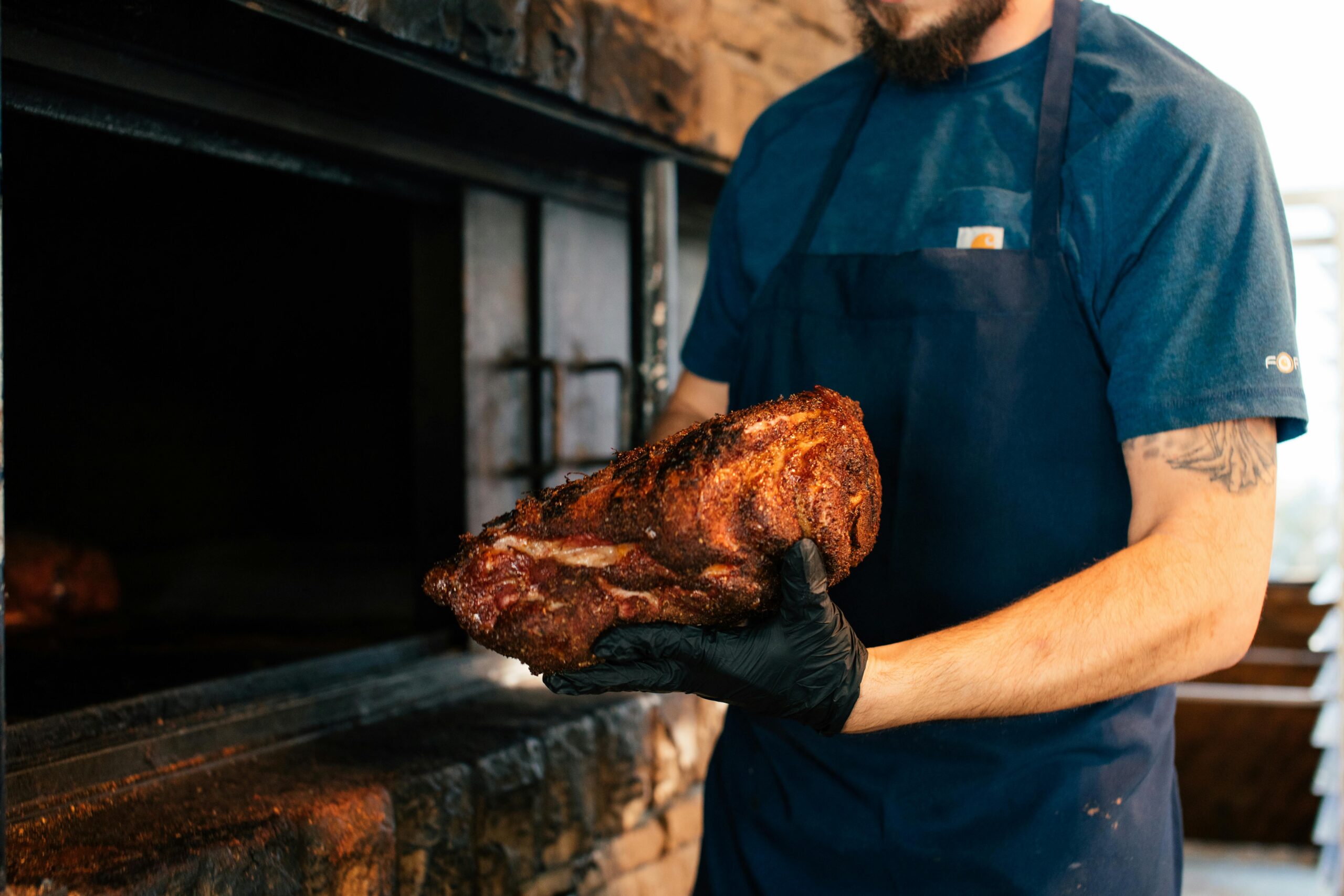
Foraging for wild ingredients opens up a world of culinary adventure, where nature’s bounty meets creative cooking. Pairing foraged fats with lean proteins creates unforgettable meals.

🌿 The Ancient Art of Foraging Meets Modern Nutrition
Our ancestors survived and thrived by understanding the delicate balance between fats and proteins found in their natural environment. Today, we’re rediscovering this wisdom, combining the rich, complex flavors of foraged fats with the clean, wholesome goodness of lean proteins. This practice isn’t just about survival anymore—it’s about creating extraordinary dining experiences that nourish both body and soul.
Foraged fats come in many forms, from wild nuts and seeds to certain fungi and plant-based oils. These natural sources provide essential fatty acids, fat-soluble vitamins, and unique flavor profiles you simply cannot replicate with store-bought ingredients. When paired thoughtfully with lean proteins like wild game, foraged fish, or even carefully selected poultry, these combinations create dishes that are both nutritionally complete and remarkably delicious.
🥜 Nature’s Fatty Treasures: What to Forage and Where
Understanding which wild fats are available in your region requires knowledge, patience, and respect for the environment. The most accessible foraged fats include various nuts, seeds, and certain plant-based sources that have sustained communities for millennia.
Wild Nuts: The Ultimate Foraged Fat Source
Black walnuts, hickory nuts, butternuts, and pine nuts represent some of the most valuable foraged fat sources in North America. Black walnuts contain approximately 60% fat by weight, providing rich, earthy flavors that transform any dish. These nuts typically ripen in autumn, falling from trees when ready for collection. Their distinctive flavor—more robust and complex than commercial walnuts—pairs exceptionally well with venison, duck, and other game meats.
Hickory nuts offer a sweeter profile with similar fat content, making them ideal for both savory and semi-sweet preparations. Their shells are notoriously difficult to crack, but the reward is a buttery kernel that enhances everything from roasted pheasant to pan-seared fish.
Seeds and Plant-Based Foraged Fats
Beyond nuts, numerous wild seeds provide substantial fat content. Wild sunflower seeds, amaranth seeds, and lamb’s quarters seeds all contain beneficial oils that can be pressed or used whole. Cattail pollen, available in early summer, contains natural oils that add a unique dimension to protein dishes when used as a coating or seasoning blend.
Acorns deserve special mention as historically they were a staple fat source for many indigenous peoples. While they require leaching to remove bitter tannins, properly processed acorns yield a flour with approximately 18% fat content, perfect for creating crusts or thickening sauces that accompany lean proteins.
Fungi: The Unexpected Fat Contributors
While mushrooms aren’t typically considered fat sources, certain varieties contain modest amounts of beneficial fats and, more importantly, provide the umami compounds that make lean proteins more satisfying. Hen of the woods (maitake), chicken of the woods, and chanterelles all add richness to dishes while contributing B vitamins and minerals that complement protein metabolism.
🦌 Lean Proteins from the Wild: Ethical and Sustainable Choices
Foraged and wild-harvested proteins offer superior nutrition compared to most commercially raised options. These lean sources contain higher concentrations of omega-3 fatty acids, conjugated linoleic acid, and various micronutrients due to the diverse diets wild animals consume.
Wild Game: The Original Lean Protein
Venison stands as perhaps the quintessential wild protein—lean, flavorful, and remarkably versatile. A 100-gram serving contains approximately 26 grams of protein with only 2-3 grams of fat, making it an ideal canvas for rich foraged fat pairings. Wild boar, rabbit, and squirrel all share similar nutritional profiles with distinct flavor characteristics that respond beautifully to proper preparation.
Waterfowl like wild duck and goose occupy an interesting middle ground. While they contain more fat than land-based game, their meat is still considerably leaner than domestic poultry, and their fat has a unique composition influenced by their aquatic plant diet.
Foraged Fish and Seafood
Wild-caught fish represent another exceptional lean protein source, particularly freshwater varieties like trout, bass, and pike. These fish benefit enormously from complementary fat sources during cooking, as their delicate flesh can dry out quickly. Coastal foragers have access to various shellfish, from mussels to clams, which provide lean protein with the added benefit of minerals like zinc and selenium.
🍳 Masterful Pairings: Creating Flavor Harmony
The art of pairing foraged fats with lean proteins goes beyond simply combining ingredients. Understanding flavor profiles, cooking methods, and nutritional synergies elevates these combinations from good to extraordinary.
Black Walnut-Crusted Venison Loin
This classic pairing showcases how robust nuts complement equally strong game flavors. Finely crushed black walnuts mixed with wild herbs create a crust that adds textural contrast and healthy fats to venison’s lean profile. The nuts’ tannins mirror those naturally present in venison, creating a harmonious flavor bridge. Cooking this combination at high heat caramelizes the nut oils, developing deep, complex flavors impossible to achieve with other methods.
Pine Nut and Herb Butter for Wild Trout
Delicate fish like wild trout require gentle fat pairings that enhance rather than overwhelm. Toasted pine nuts blended into compound butter with foraged ramps or wild garlic create a preparation that melts over hot fish, distributing fat evenly while adding aromatic complexity. The pine nuts’ creamy texture and subtle resinous notes complement trout’s mild sweetness perfectly.
Acorn-Thickened Sauce for Roasted Rabbit
Rabbit’s extremely lean meat desperately needs accompanying fats to prevent dryness. A sauce thickened with processed acorn flour provides both body and beneficial fats while contributing an earthy, slightly sweet flavor that highlights rabbit’s delicate taste. This preparation technique, borrowed from Native American cooking traditions, demonstrates how foraged ingredients can serve multiple culinary functions simultaneously.
📊 Nutritional Synergies: Why These Pairings Work
Beyond taste, combining foraged fats with lean proteins creates nutritional advantages that support optimal health and satiety.
| Foraged Fat Source | Primary Benefits | Ideal Protein Pairing | Key Nutrients Enhanced |
|---|---|---|---|
| Black Walnuts | Omega-3 ALA, antioxidants | Venison, wild boar | Iron absorption, fat-soluble vitamins |
| Pine Nuts | Pinolenic acid, vitamin E | Fish, poultry | Protein utilization, selenium |
| Hickory Nuts | Monounsaturated fats, magnesium | Duck, turkey | B-vitamin activation, mineral balance |
| Acorn Flour | Resistant starch, tannins | Rabbit, squirrel | Digestive health, sustained energy |
These pairings work synergistically because fat-soluble vitamins in lean wild proteins—particularly vitamins A, D, E, and K—require dietary fat for proper absorption. Wild game contains these nutrients in higher concentrations than commercial meats, but lacks sufficient fat for optimal bioavailability. Foraged fats fill this gap perfectly while adding their own micronutrient profiles.
🔥 Cooking Techniques That Preserve and Enhance
Proper cooking techniques ensure that both the delicate foraged fats and lean proteins retain their nutritional value while developing maximum flavor.
Low and Slow: Braising and Stewing
Tough cuts of wild game benefit enormously from long, gentle cooking in liquid enriched with foraged fats. Braising venison shanks in stock with crushed black walnuts and wild mushrooms allows collagen to break down while the fat components keep meat moist and tender. This method also extracts fat-soluble nutrients into the cooking liquid, creating a nutritionally complete dish.
High Heat Searing with Fat Finishing
Tender, quick-cooking proteins like duck breast or venison backstrap excel with high-heat searing followed by a foraged fat finish. Sear the protein to develop a crust, then rest it while preparing a quick pan sauce incorporating toasted nuts or nut oils. This preserves the protein’s lean quality while adding fat precisely where it enhances both flavor and nutrition.
En Papillote: Steaming with Foraged Ingredients
Cooking fish or poultry in parchment with foraged greens, mushrooms, and crushed nuts creates a self-contained steaming environment. The proteins cook gently in their own moisture enhanced by the aromatic compounds and fats released from the foraged ingredients. This method preserves delicate flavors while requiring minimal added fats.
🌍 Seasonal Foraging: Timing Your Protein and Fat Harvests
Successful foraged feasting requires understanding seasonal availability and planning combinations accordingly. Nature provides complementary ingredients at specific times for good reason—they evolved together and naturally pair well.
Spring: Lean Times and Tender Greens
Early spring offers limited fat sources but abundant lean proteins. Young rabbits, early-run fish, and migrating waterfowl coincide with emerging wild greens like ramps, watercress, and young dandelions. While low in fat, these greens provide compounds that enhance protein digestion. Late spring brings pine pollen and early seeds that add modest fat content to spring game preparations.
Summer: Abundance and Balance
Summer provides diverse options for both proteins and fats. Berry season overlaps with prime fishing time, and while berries aren’t significant fat sources, their anthocyanins enhance the nutritional value of lean fish. Wild seeds begin ripening, and cattail pollen becomes available for creating fat-enriched coatings and seasonings for summer proteins.
Autumn: Nature’s Fat-Loading Season
Fall represents peak foraging season for fats, with nuts reaching maturity just as game animals enter prime condition before winter. This timing isn’t coincidental—it reflects the natural preparation for leaner winter months. Venison harvested in autumn pairs perfectly with freshly fallen black walnuts, hickory nuts, and acorns. Waterfowl migration coincides with this nut season, creating ideal conditions for classic game dinners.
Winter: Preserved Preparations and Stored Provisions
Winter foraging relies heavily on stored nuts and dried wild mushrooms combined with proteins from hunting season. This season teaches us about preservation and preparation, as properly stored foraged fats remain viable for months, ready to enrich winter game stews and roasts.
🛡️ Safety Considerations and Sustainable Practices
Responsible foraging requires knowledge, respect, and careful attention to safety protocols. Never consume foraged ingredients without absolute certainty of identification, and always follow sustainable harvesting practices.
Positive Identification Before Consumption
Many toxic plants resemble edible ones. Invest time in learning with experienced foragers, use multiple reliable field guides, and when in doubt, don’t consume it. This applies particularly to nuts and fungi, where misidentification can have serious consequences. Several excellent apps can assist with identification, though they should never replace expert knowledge and hands-on learning.
Sustainable Harvesting Guidelines
Take only what you need and never more than 10-20% of what’s available in any location. This ensures continued availability for wildlife and regeneration of plant populations. For nuts, collect only what has fallen naturally rather than stripping trees. When fishing or hunting, always follow local regulations and seasonal restrictions designed to protect populations.
Proper Processing and Food Safety
Wild ingredients require proper handling to ensure safety. Wash all foraged plants thoroughly, cook wild proteins to appropriate temperatures, and process nuts promptly to prevent mold development. Store foraged fats properly—many wild nuts contain oils that can go rancid if kept in warm, humid conditions.
🎨 Building Your Foraged Pantry
Creating a well-stocked foraged pantry allows you to combine wild ingredients year-round, expanding your culinary creativity beyond seasonal limitations.
Start by preserving nuts properly. Store shelled nuts in airtight containers in cool, dark places, or freeze them for extended storage. Process some nuts into nut butters or oils for versatile cooking applications. Dry wild mushrooms thoroughly and store them in glass jars—they rehydrate beautifully and provide umami depth to protein dishes months after harvest.
Create compound butters incorporating foraged ingredients and freeze them in portions. These provide quick flavor boosts for lean proteins throughout the year. Wild herb infused oils, nut-based pestos, and fermented preparations all extend the foraging season virtually indefinitely.
💡 Innovative Preparations for Modern Palates
While traditional preparations honor time-tested wisdom, modern techniques can elevate foraged fat and lean protein pairings to new heights.
Sous Vide with Foraged Fat Infusions
Vacuum-sealing lean game with crushed nuts and herbs, then cooking at precise temperatures, ensures perfect doneness while thoroughly infusing flavors. This technique works exceptionally well for tough cuts that benefit from extended cooking times at controlled temperatures. The sealed environment prevents moisture loss while allowing fat-soluble flavors to penetrate deeply into lean meat.
Dehydrated Nut Powders and Crusts
Dehydrating nuts after light toasting, then pulverizing them into fine powders, creates versatile seasonings and crusts. These concentrated preparations add intense flavor with controlled fat content, perfect for dusting fish before searing or incorporating into spice rubs for game.
Foraged Fat Emulsions and Modern Sauces
Blending toasted nuts with stock or plant liquids creates stable emulsions that sauce lean proteins beautifully. These contemporary preparations honor traditional flavor combinations while presenting them with modern refinement. A black walnut emulsion drizzled over perfectly cooked venison medallions exemplifies how ancient ingredients adapt beautifully to current culinary aesthetics.
🌟 Bringing Wild Flavors to Your Table
Embracing foraged fats and lean proteins transforms your relationship with food, connecting you directly to the landscape and seasons. Each dish becomes a story about a specific place and time, carrying flavors impossible to replicate with commercial ingredients. The slightly sweet crunch of hickory nuts speaks of autumn forests, while the delicate flesh of wild trout reflects the clear streams where it lived.
These pairings offer more than nutrition and flavor—they provide connection, knowledge, and respect for natural systems that have sustained humans for millennia. By learning to identify, harvest, and prepare wild ingredients responsibly, we participate in an unbroken tradition stretching back to our earliest ancestors while creating contemporary cuisine that’s both innovative and deeply rooted.
Start small with easily identified ingredients in abundant supply. Learn from experienced foragers, read extensively, and approach wild foods with curiosity and respect. As your knowledge grows, so will your ability to create remarkable meals that nourish body and spirit while celebrating the incredible diversity of wild, natural foods available to those willing to seek them out. The journey from forest to table rewards patience with flavors and experiences that no restaurant or grocery store can ever provide—truly wild, genuinely delicious, and profoundly satisfying feasts created with your own hands from nature’s generosity.