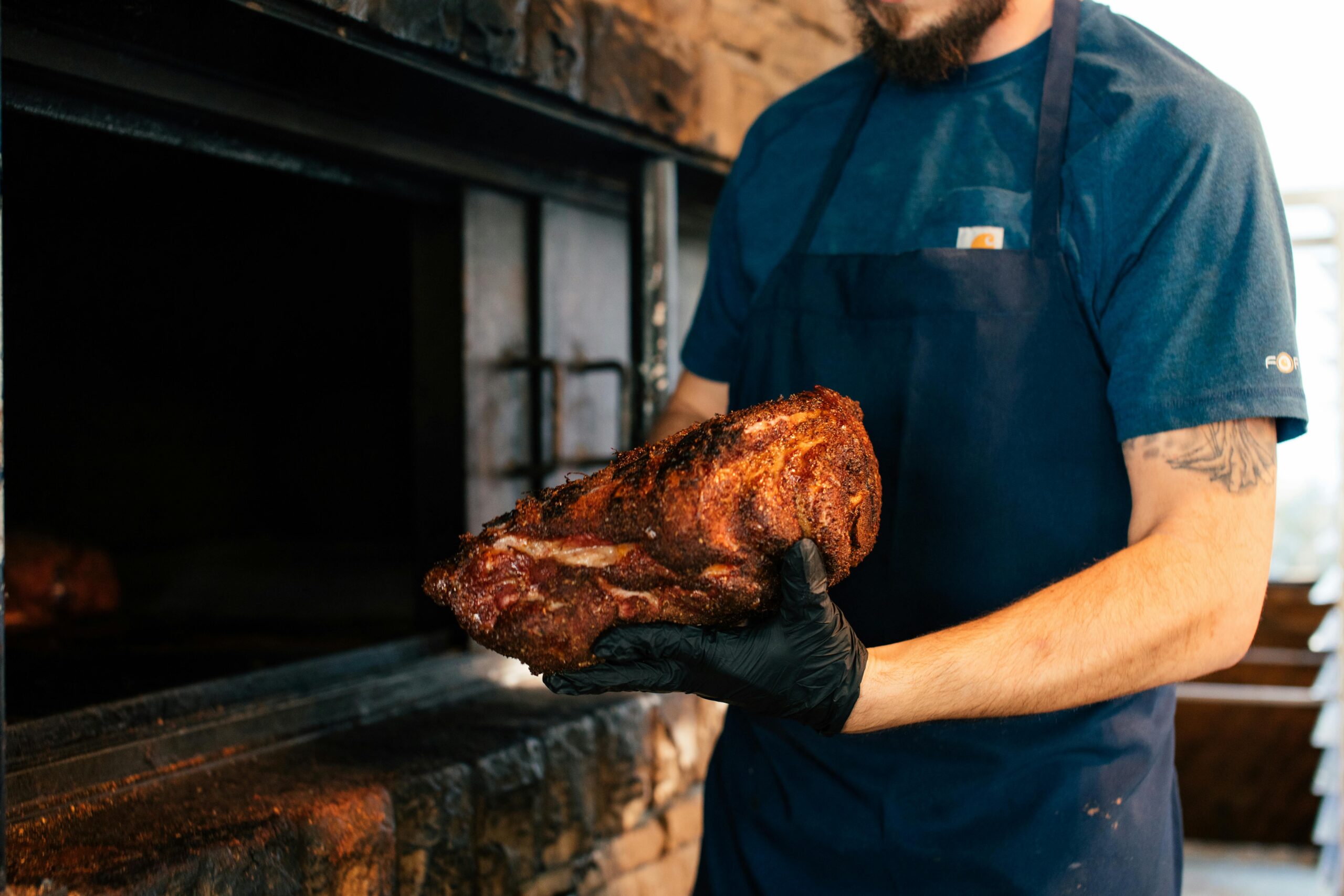
Foraging brings wild, untamed flavors to your plate, but mastering texture contrast transforms these ingredients into unforgettable culinary experiences that engage all senses.

🌿 The Foundation of Texture in Foraged Cuisine
When you venture into the world of foraged ingredients, you’re not just gathering food—you’re collecting an entire palette of textures waiting to be orchestrated into harmonious dishes. Wild foods offer an extraordinary range of textural possibilities that cultivated ingredients often lack, from the delicate crispness of freshly picked chickweed to the meaty density of lion’s mane mushrooms.
Understanding texture contrast begins with recognizing that our mouths are incredibly sophisticated instruments. We don’t just taste flavor; we experience food through multiple sensory channels simultaneously. The crunch, smoothness, chewiness, and crispness all contribute to our overall perception of a dish. In foraged meal design, this becomes even more critical because wild ingredients often present unfamiliar flavors that need textural support to shine.
The secret to exceptional foraged cuisine lies in deliberately pairing contrasting textures within a single dish or across a multi-course meal. This approach keeps the palate engaged, prevents monotony, and allows each ingredient’s unique characteristics to stand out rather than blend into homogeneity.
Identifying Textural Categories in Wild Ingredients
Before you can master texture contrast, you need to understand the textural vocabulary of foraged foods. Wild ingredients naturally fall into distinct categories that provide the building blocks for your culinary compositions.
Crispy and Crunchy Elements
Foraged ingredients with inherent crispness include young dandelion stems, wild fennel seeds, toasted nuts from hickory or beech trees, and dehydrated mushroom chips. These elements provide that satisfying snap that awakens the palate and adds an auditory dimension to eating. Fresh wood sorrel stems offer a delicate crunch, while toasted wild amaranth seeds deliver a pleasantly sandy crispness that contrasts beautifully with softer components.
Wild radish pods, when caught at the right stage of development, provide an explosive crunch similar to snap peas but with a peppery intensity that cultivated vegetables rarely match. Crispy textures can also be created through preparation methods—tempura-fried elderflowers or twice-fried burdock root become vehicles for contrasting softer elements.
Creamy and Smooth Textures
The creamy category in foraged cuisine often requires more intervention but delivers luxurious results. Pureed wild watercress creates silky soups, while foraged chestnuts can be transformed into impossibly smooth dessert creams. Cattail pollen mixed with rendered wild boar fat produces a spreadable delicacy with velvet-like consistency.
Wild mushrooms like morels, when slowly cooked in foraged nut oils, release compounds that create natural emulsifications, resulting in sauces with restaurant-quality body. Jerusalem artichokes from abandoned homesteads, when roasted and blended, yield a cream that rivals potato-based preparations but with more complex earthy undertones.
Chewy and Resilient Components
Chewiness provides staying power in the mouth, encouraging slower eating and deeper flavor exploration. Dried wild berries, rehydrated mushrooms like oyster or shiitake varieties growing on downed logs, and slow-braised wild game all offer this satisfying resistance.
Wild dulse and other foraged seaweeds present a unique chewiness that’s almost leather-like when lightly toasted, while young cattail shoots have a texture reminiscent of hearts of palm with more pronounced fibrousness. These ingredients demand attention and create memorable textural moments when properly incorporated.
🍽️ Strategic Texture Pairing Techniques
Now that you understand the textural categories, the artistry begins with intentional pairing. The most compelling dishes create textural journeys—beginnings, middles, and satisfying conclusions that happen within seconds but leave lasting impressions.
The Contrast Principle
The foundational rule of texture contrast is simple: oppose and complement. A dish dominated by one texture becomes monotonous, no matter how delicious the individual components. When you pair crispy dandelion petals with a smooth wild garlic aioli, both elements become more interesting than either would be alone.
Consider a foraged salad featuring tender miner’s lettuce leaves, crunchy wild fennel shavings, chewy dried rose hips, and a creamy dressing made from pureed foraged walnuts. Each bite offers multiple textural experiences that keep the palate engaged throughout the dish. The softness of the lettuce provides a neutral canvas, the fennel delivers freshness and snap, the rose hips add sweet chewiness, and the dressing ties everything together while offering luxurious smoothness.
Layering Textures Vertically
Vertical construction allows diners to experience multiple textures in a single forkful. Imagine a composed dish with a base layer of creamy wild mushroom puree, topped with seared hen-of-the-woods mushrooms for meatiness, garnished with crispy fried sage leaves, and finished with crunchy dehydrated wild berry powder.
This architectural approach works particularly well with foraged ingredients because wild foods often have more pronounced individual characteristics that can stand up to layering without losing identity. Each vertical level maintains distinction while contributing to a unified whole.
Seasonal Texture Considerations in Foraging
Foraged ingredients change dramatically with seasons, and their textural properties shift accordingly. A masterful forager-chef recognizes these transitions and adjusts techniques to maximize textural interest throughout the year.
Spring’s Delicate Textures
Spring foraging yields predominantly tender, delicate textures—young ramp leaves, emerging fiddleheads, and early greens like chickweed. These ingredients risk becoming a soft, undifferentiated mass without careful contrast work. Combat this by introducing preserved textures from other seasons: dehydrated summer mushrooms, pickled autumn berries, or roasted winter nuts.
Spring is also ideal for creating contrasts through preparation. Lightly blanched fiddleheads maintain snap, while longer cooking yields tenderness. Raw wild onion greens deliver sharpness and crunch, whereas grilled versions become sweet and yielding. Playing with cooking times and methods creates textural variety from a limited seasonal palette.
Summer’s Abundant Contrasts
Summer foraging provides natural textural diversity—juicy wild berries, firm mushrooms, crisp wild greens, and tender herbs. The challenge shifts from creating contrast to orchestrating abundance. Focus on preservation techniques that will provide textural variety during leaner months: dehydrate mushrooms for concentrated chewiness, pickle crisp vegetables, and create fruit leathers from wild berries.
Autumn’s Rich Complexity
Fall ingredients tend toward heartier textures—dense nuts, substantial mushrooms, and robust roots. This is the season to incorporate lighter, crisper elements to prevent dishes from becoming too heavy. Dehydrate thin slices of foraged apples for chips, create light pickles from late-season greens, and use fresh herbs to lift the weight of richer ingredients.
Winter’s Preserved Treasures
Winter foraging focuses on preserved foods and hardy evergreens. Textural contrast becomes especially important because preserved ingredients can skew toward similar consistencies. Rehydrate some preserved elements while keeping others dried for contrast. Pair chewy dried fruits with crunchy toasted pine nuts and smooth conifer-infused creams.
🔪 Preparation Methods That Transform Texture
How you prepare foraged ingredients matters as much as which ingredients you choose. A single wild mushroom can become crispy, creamy, chewy, or tender depending on your technique.
Dehydration and Crisping
Removing moisture concentrates flavors while creating satisfying crunch. Thinly sliced mushrooms become chips, herbs transform into shatterable garnishes, and fruits turn into chewy-crispy confections. Dehydration also extends shelf life, allowing you to maintain textural diversity year-round.
For best results, use low temperatures (95-115°F) to preserve nutritional content and prevent bitterness. Different drying times produce different textural results—experiment to find your preferred consistency for each ingredient.
Fermentation for Developed Texture
Fermented foraged ingredients develop unique textural properties. Lacto-fermented wild vegetables maintain crispness while gaining complexity, and fermented nut creams develop tangy smoothness impossible to achieve through other methods. The bacterial activity in fermentation can soften tough fibers while creating pleasant effervescence.
Strategic Application of Heat
Temperature dramatically alters texture. High heat creates Maillard reactions that produce crispy exteriors while maintaining tender interiors. Low, slow cooking breaks down tough fibers into yielding tenderness. Raw preparations preserve natural crispness and juiciness.
Consider mushrooms: raw, they offer firm crispness; quickly sautéed, they develop caramelized exteriors with tender centers; slow-braised, they become meltingly soft; and dehydrated then fried, they achieve potato-chip-like crunch. One ingredient, multiple textural possibilities.
Common Textural Mistakes to Avoid
Even experienced cooks can fall into textural traps when working with foraged ingredients. Recognizing these pitfalls helps you avoid them and creates more successful dishes.
Over-Processing Wild Greens
Wild greens often have more structure than cultivated varieties, and over-processing destroys their textural interest. Excessive chopping, blending, or cooking turns distinctive leaves into homogeneous mush. Respect the texture—tear rather than cut when possible, cook minimally, and showcase the natural structure.
Neglecting Textural Garnishes
The final textural element often makes the difference between good and extraordinary. A perfectly smooth wild mushroom soup becomes memorable with a garnish of crispy fried mushroom slivers, toasted foraged seeds, or delicate herb crisps. These finishing touches require minimal effort but deliver maximum textural impact.
Ignoring Temperature Contrasts
Temperature is texture’s close cousin. Cold ingredients feel denser and firmer, while warm foods seem softer and more yielding. Deliberately contrasting temperatures within a dish—warm roasted mushrooms over cool wild green salad, or chilled wild berry soup with warm nut crumble—creates dynamic eating experiences.
🌟 Building a Complete Textural Menu
When designing a multi-course foraged meal, consider textural progression across the entire experience. Each course should offer distinct textural profiles while building toward a satisfying conclusion.
Begin with lighter, crisper textures that awaken the palate—perhaps a salad of wild greens with crunchy seeds and delicate edible flowers. Progress to courses with more substantial textures—a creamy wild mushroom soup with chewy grains, followed by seared fish with crispy skin over tender braised wild vegetables. Conclude with desserts that revisit textural themes introduced earlier—perhaps a smooth wild berry panna cotta with crunchy nut brittle echoing the seeds from the opening course.
This architectural approach creates a narrative arc that feels intentional and satisfying. Diners leave feeling they’ve experienced a journey rather than simply eating isolated dishes.
Developing Your Textural Intuition
Mastering texture contrast ultimately requires practice and attention. Train your palate by eating mindfully, focusing on texture as much as flavor. When you encounter exceptional dishes, analyze their textural components. What makes that particular combination work? How do the textures evolve as you chew?
Experiment deliberately in your own kitchen. Take a single foraged ingredient and prepare it multiple ways to understand its textural range. Combine different preparations in a single dish and note how they interact. Over time, you’ll develop an instinctive sense for textural balance that guides your cooking without conscious analysis.
Keep a foraging and cooking journal documenting textural discoveries. Note which wild ingredients pair well texturally, which preparation methods yield surprising results, and which combinations fall flat. This personal reference becomes invaluable as your skills develop.
The Sensory Reward of Textural Mastery
When you successfully orchestrate texture contrast in foraged meal design, you create dishes that engage diners on multiple levels simultaneously. The interplay of crisp and creamy, tender and chewy, smooth and crunchy transforms eating from simple sustenance into a mindful, memorable experience.
Foraged ingredients, with their inherent diversity and intensity, provide the perfect canvas for this textural artistry. Wild foods haven’t been bred for uniformity or ease of production—they retain the complex, varied characteristics that make textural contrast possible and powerful.
As you develop your skills in this area, you’ll find that texture becomes as important as flavor in your culinary thinking. You’ll automatically assess new ingredients through a textural lens, imagining how their physical properties might contribute to dishes. This expanded awareness elevates your cooking from competent to exceptional, creating meals that people remember long after the flavors fade.
The journey toward textural mastery in foraged cuisine is ongoing and endlessly rewarding. Each season brings new ingredients with unique textural properties to explore. Each preparation method offers opportunities to transform the same ingredient into completely different textural experiences. And each successful dish reinforces your understanding of how texture contrast can elevate the wild foods you gather into truly extraordinary culinary creations. 🍂