Urban living is redefining how we prepare meals, with fireless cooking emerging as a practical, safe, and energy-efficient solution for modern households worldwide.

🔥 The Revolution of Flame-Free Culinary Practices
The concept of cooking without traditional flames has transformed from a novelty into a necessity for millions of city dwellers. As apartment living becomes increasingly compact and energy costs continue to rise, fireless cooking methods offer practical solutions that align with contemporary urban lifestyles. These innovative approaches encompass everything from induction cooktops and electric pressure cookers to solar ovens and thermal cookers, each bringing unique advantages to the modern kitchen.
The shift toward flame-free cooking isn’t merely about convenience—it represents a fundamental reimagining of culinary practices. Urban environments present specific challenges: limited ventilation, fire safety regulations, smaller living spaces, and the need for energy efficiency. Fireless cooking technologies address these concerns while maintaining the quality and diversity of home-cooked meals that families cherish.
Why Urban Dwellers Are Embracing Flameless Technology
The migration toward fireless cooking stems from several compelling factors that resonate with modern urban lifestyles. Safety concerns top the list, particularly in high-rise buildings where fire risks carry severe consequences. Traditional gas stoves pose hazards ranging from gas leaks to accidental fires, whereas electric and induction systems eliminate these dangers almost entirely.
Energy efficiency represents another crucial consideration. Modern fireless appliances convert electricity into heat with remarkable efficiency, often exceeding 90% compared to the 40-55% efficiency of gas stoves. This translates directly into lower utility bills and reduced environmental impact—concerns that weigh heavily on environmentally conscious urban consumers.
Space optimization cannot be overlooked in compact city apartments. Fireless cooking devices often feature sleek, minimalist designs that maximize counter space. Multi-functional appliances like instant pots or air fryers replace multiple traditional cooking tools, streamlining kitchen organization and functionality.
Health and Air Quality Benefits
Recent studies have illuminated the health implications of indoor air quality, particularly regarding gas stove emissions. Traditional flame-based cooking releases nitrogen dioxide, carbon monoxide, and fine particulate matter into indoor environments. These pollutants contribute to respiratory issues, especially in poorly ventilated spaces common in urban apartments.
Fireless cooking eliminates these combustion byproducts, creating healthier indoor environments. For families with children, elderly members, or individuals with respiratory conditions, this improvement in air quality represents a significant health advantage. The absence of open flames also means less ambient heat in the kitchen, making cooking more comfortable during warm months and reducing air conditioning demands.
⚡ Essential Fireless Cooking Technologies for Modern Kitchens
Understanding the range of available fireless cooking technologies helps urban residents select tools that best match their culinary needs and living situations. Each technology brings distinct advantages suited to different cooking styles and spatial constraints.
Induction Cooking Systems
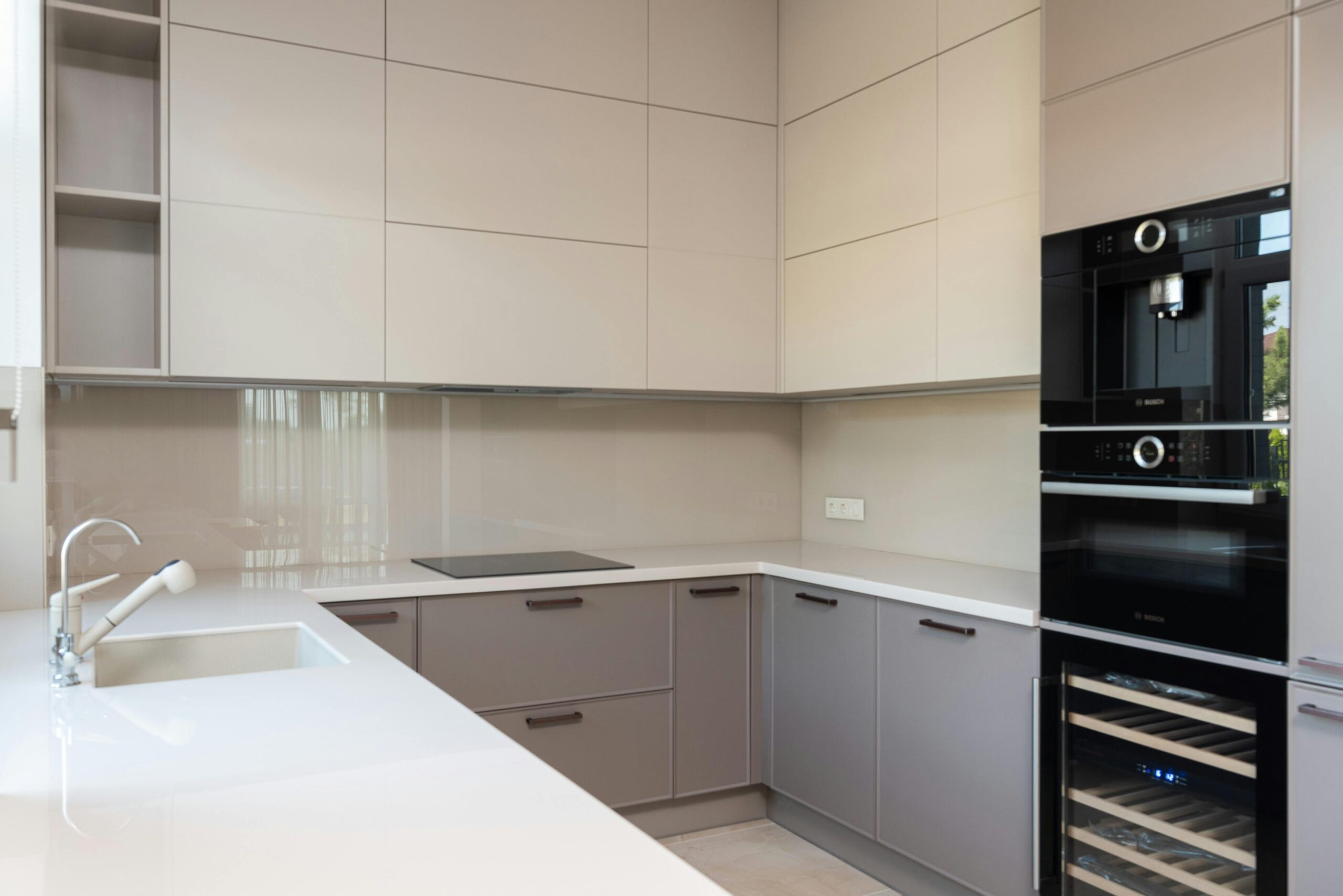
Induction cooktops have revolutionized stovetop cooking by using electromagnetic fields to directly heat cookware. This technology offers precise temperature control comparable to gas flames while maintaining the safety and cleanliness of electric cooking. The cooktop surface itself remains relatively cool, reducing burn risks and making cleanup remarkably simple.
Modern induction systems feature smart capabilities including automatic pan detection, preset cooking programs, and timer functions. These innovations make induction cooking accessible even to novice cooks while providing professional-level control for experienced chefs. The rapid heating and cooling response allows for techniques requiring quick temperature adjustments, from searing steaks to making delicate sauces.
Electric Pressure Cooking Revolution
Electric pressure cookers, popularized by brands like Instant Pot, have become kitchen workhorses in urban households. These devices combine pressure cooking with slow cooking, rice cooking, steaming, and even yogurt making—all in a single appliance. The sealed cooking environment retains moisture and flavors while dramatically reducing cooking times.
For busy urban professionals, the programmable nature of electric pressure cookers proves invaluable. Users can load ingredients in the morning, set a delayed start, and return home to perfectly cooked meals. This convenience factor, combined with energy efficiency and consistent results, explains their explosive popularity in city kitchens worldwide.
Air Fryers and Convection Technology
Air fryers utilize high-speed air circulation to achieve crispy textures traditionally associated with deep frying, but with minimal oil. This technology appeals to health-conscious urban consumers seeking to reduce fat intake without sacrificing taste or texture. The compact size and rapid cooking times make air fryers ideal for small kitchens and quick meal preparation.
Beyond frying, these devices excel at roasting vegetables, baking small batches of goods, and reheating leftovers with superior results compared to microwave ovens. The versatility and counter-friendly footprint have made air fryers essential components of modern fireless kitchens.
🍳 Mastering Fireless Cooking Techniques
Transitioning to fireless cooking requires adjusting techniques and expectations. While the end results often match or exceed traditional methods, the pathways to those results differ. Understanding these distinctions ensures success and satisfaction with flame-free culinary practices.
Temperature Control and Timing Adjustments
Electric and induction cooking systems respond differently than gas flames. Induction offers near-instantaneous temperature changes, while traditional electric elements take longer to heat and cool. Learning to preheat cookware properly and anticipate these response times prevents overcooking or undercooking.
Many modern fireless appliances include precise temperature sensors and automated cooking programs. Leveraging these features reduces guesswork and delivers consistent results. For instance, electric pressure cookers automatically maintain optimal pressure and temperature, eliminating the manual monitoring required with stovetop pressure cookers.
Adapting Traditional Recipes
Most traditional recipes translate well to fireless cooking with minor adjustments. Pressure cooking typically reduces cooking times by 60-70%, requiring recipe modifications. Online communities and companion apps provide conversion guidelines and tested recipes specifically designed for various fireless appliances.
Browning and caramelization—processes traditionally associated with flame cooking—are achievable through fireless methods. Induction cooktops excel at high-heat searing, while air fryers produce excellent browning through dry heat circulation. Understanding which appliance best suits specific techniques enhances the versatility of flame-free cooking.
🌱 Sustainability and Environmental Impact
The environmental implications of cooking methods have gained prominence as climate concerns intensify. Fireless cooking aligns with sustainable urban living through multiple pathways, from direct energy efficiency to broader systemic impacts.
Electric cooking powered by renewable energy sources creates a carbon-neutral cooking process. As electrical grids increasingly incorporate solar, wind, and hydroelectric power, the environmental footprint of fireless cooking continues declining. This contrasts with natural gas cooking, which inherently produces greenhouse gases regardless of source.
The precision of fireless cooking technologies also reduces food waste. Consistent cooking results mean fewer ruined meals, while features like slow cooking and warming functions help preserve leftovers. Multi-functional appliances reduce the need for multiple single-purpose tools, decreasing manufacturing demands and material consumption.
Urban Energy Grid Considerations
The shift toward electric cooking impacts urban energy infrastructure. While this raises questions about grid capacity, modern fireless appliances are remarkably energy-efficient. An induction cooktop uses less total energy than a gas stove to accomplish the same cooking task, despite higher instantaneous power draw.
Smart grid integration represents the next frontier. Future fireless cooking appliances may communicate with utility providers to operate during off-peak hours or when renewable energy availability peaks, further optimizing environmental impact and reducing costs for consumers.
💡 Innovative Fireless Cooking Solutions for Every Space
Urban living encompasses diverse situations, from tiny studio apartments to shared co-living spaces. Fireless cooking solutions exist for every scenario, each addressing specific spatial and functional requirements.
Portable and Compact Options
Single-burner induction cooktops provide full cooking capability in minimal space. These portable units are perfect for micro-apartments, dormitories, or temporary living situations. They store easily when not in use and can be deployed on any heat-resistant surface, offering remarkable flexibility.
Countertop convection ovens serve as complete cooking solutions for individuals or couples. Modern versions include air frying, toasting, baking, and broiling functions, effectively replacing full-size ovens in space-constrained environments. Their energy efficiency makes them practical for daily use rather than occasional appliance status.
Smart Kitchen Integration
Connected appliances represent the cutting edge of fireless cooking technology. Wi-Fi enabled devices allow remote monitoring and control through smartphone applications. Users can adjust cooking temperatures, receive completion notifications, and access recipe databases with guided cooking instructions.
Voice assistant integration with platforms like Alexa or Google Assistant adds convenience layers particularly valuable in busy urban lifestyles. Hands-free control while multitasking or voice-activated recipe guidance makes cooking more accessible and less stressful for time-pressed city dwellers.
🏙️ Economic Considerations of Going Flame-Free
The financial aspects of transitioning to fireless cooking involve both upfront investments and ongoing operational costs. Understanding this complete economic picture helps urban residents make informed decisions about kitchen upgrades.
Initial equipment costs vary widely. Basic single-function electric appliances start around $30-50, while high-end induction cooktops or multi-functional pressure cookers range from $100-300. Complete kitchen conversions replacing gas ranges with induction systems represent larger investments, typically $1,000-3,000 depending on features and quality.
Operating costs generally favor fireless cooking. The superior energy efficiency of induction and modern electric appliances translates to lower monthly utility expenses. While electricity rates vary by region, most urban users report 10-30% reductions in cooking-related energy costs after transitioning from gas to electric systems.
Long-Term Value and Durability
Quality fireless cooking appliances demonstrate impressive longevity. Induction cooktops lack moving parts and open flames that degrade traditional stoves, often lasting 15-20 years with minimal maintenance. Electric pressure cookers and air fryers typically provide 5-10 years of reliable service with proper care.
The reduced maintenance requirements represent additional savings. Without gas lines requiring inspection, burner grates needing replacement, or pilot lights requiring adjustment, fireless systems demand minimal upkeep. Smooth induction surfaces clean with simple wiping, eliminating the scrubbing associated with traditional cooktops.
🍽️ Culinary Diversity Without Compromise
Skeptics sometimes question whether fireless cooking can replicate the culinary range of traditional methods. Experience demonstrates that flame-free approaches not only match conventional cooking but sometimes exceed it in specific applications.
International cuisines adapt beautifully to fireless preparation. Pressure cookers excel at dishes requiring long, slow cooking like stews, curries, and braised meats. Induction provides the precise heat control necessary for delicate Asian stir-fries or French sauces. Air fryers produce crispy textures rival to deep-fried favorites from various culinary traditions.
Baking enthusiasts find countertop convection ovens surprisingly capable, producing excellent results for breads, pastries, and roasted dishes. The even heat distribution often surpasses conventional ovens, with some bakers preferring convection methods for their consistency and efficiency.
🔮 The Future of Urban Cooking Landscapes
The trajectory of fireless cooking technology points toward increasingly sophisticated, integrated, and sustainable solutions. Emerging innovations promise to further enhance convenience, efficiency, and culinary capabilities for urban residents.
Artificial intelligence integration will enable appliances to learn user preferences, suggest recipes based on available ingredients, and automatically adjust cooking parameters for optimal results. Computer vision systems may eventually assess food doneness visually, removing guesswork from cooking processes.
Energy storage integration represents another frontier. Appliances with built-in batteries could operate during power outages or shift consumption to off-peak hours, enhancing resilience and reducing costs. Solar-charged cooking devices may become practical for urban balconies and rooftops, bringing renewable energy directly into residential kitchens.
Policy and Infrastructure Evolution
Forward-thinking cities are beginning to incentivize or mandate fireless cooking in new construction. Building codes increasingly favor all-electric designs for safety, environmental, and public health reasons. These policy shifts will accelerate adoption and drive continued innovation in fireless cooking technologies.
Utility companies are developing time-of-use rates and incentive programs that reward flexible electricity consumption. Smart fireless cooking appliances will automatically optimize operation timing to take advantage of these programs, reducing costs while supporting grid stability.
🎯 Making the Transition: Practical Steps Forward
For urban residents considering the switch to fireless cooking, a gradual approach often proves most successful. Starting with a single multi-functional appliance like an electric pressure cooker or air fryer allows experimentation without major commitment or expense.
Assessing personal cooking patterns helps identify which fireless technologies deliver maximum value. Frequent one-pot meal preparers benefit enormously from pressure cookers, while those who enjoy crispy textures gravitate toward air fryers. Serious cooks might prioritize induction cooktops for their superior control and responsiveness.
Community resources including online forums, recipe databases, and local cooking classes focused on fireless methods ease the learning curve. Many appliance manufacturers offer extensive recipe collections and video tutorials specifically designed for their products, providing valuable guidance during the transition period.
The fireless cooking revolution represents more than technological advancement—it embodies a fundamental rethinking of how urban living and home cooking intersect. By embracing flame-free methods, city dwellers gain safer, more efficient, and environmentally responsible ways to prepare nutritious, delicious meals. As technologies continue evolving and urban populations grow, fireless cooking will increasingly define the modern culinary landscape, proving that innovation and tradition can harmoniously coexist in kitchens without a single flame.