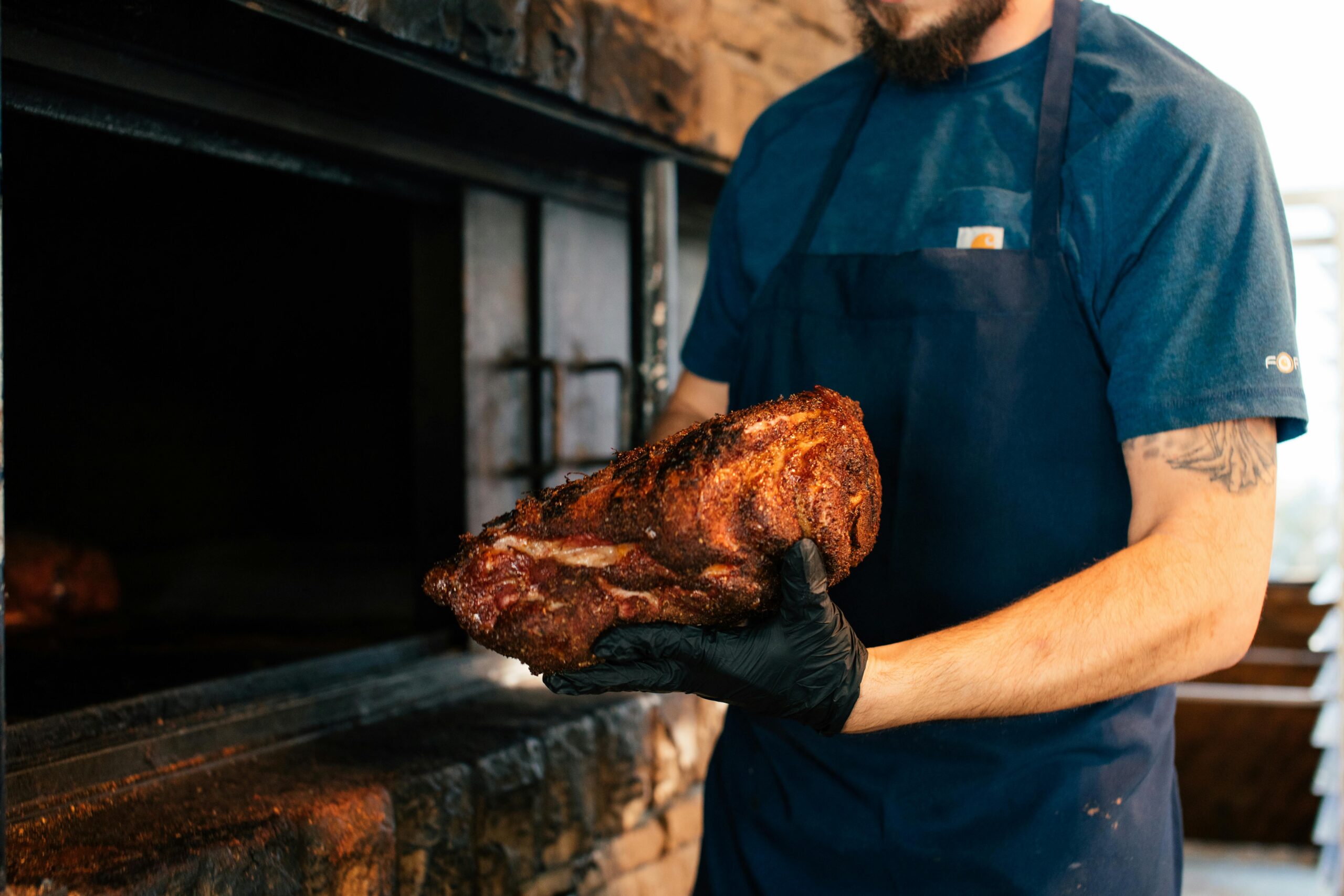
Imagine stepping into your kitchen and finding perfectly cooked meals waiting for you—no active stove monitoring, no energy waste, just effortless, delicious food ready when you need it.

The culinary world is experiencing a quiet revolution, and it’s not about the latest celebrity chef or exotic ingredient. Instead, it’s about harnessing a fundamental principle of physics—retained heat—through innovative thermal battery technology. This breakthrough is transforming how we think about cooking, energy efficiency, and meal preparation in our increasingly busy lives.
Thermal battery cooking represents a paradigm shift from traditional methods that require constant energy input. By capturing, storing, and gradually releasing heat, these systems allow food to cook gently and thoroughly without continuous power consumption. The result? Restaurant-quality meals that practically cook themselves while you focus on what matters most in your day.
🔋 Understanding Thermal Battery Technology in Modern Cooking
At its core, thermal battery technology stores heat energy in specially designed materials that release it slowly and consistently over extended periods. Unlike conventional cooking that demands constant heat application, thermal batteries work like a culinary time capsule—you introduce the initial heat, seal the system, and let physics handle the rest.
The materials used in these systems typically include phase-change materials, ceramic compounds, or specially engineered metals with exceptional heat retention properties. These substances can maintain temperatures ranging from 140°F to over 400°F for hours after the initial heating phase concludes.
What makes this technology particularly revolutionary is its efficiency. Traditional cooking methods lose significant heat to the surrounding environment—think of the warmth radiating from your oven or stovetop. Thermal battery systems minimize these losses through superior insulation and strategic heat distribution, converting up to 90% of input energy into actual cooking power.
The Science Behind Heat Retention Cooking
When you heat a thermal battery cooking vessel, you’re essentially charging it with thermal energy. The materials absorb this heat and create a stable cooking environment that persists long after you’ve turned off the external heat source. This process relies on three fundamental principles:
- Thermal mass: Dense materials store more heat energy and release it gradually
- Insulation barriers: Multi-layered designs prevent heat escape to the external environment
- Conduction optimization: Internal structures ensure even heat distribution to food surfaces
- Temperature equilibrium: Sealed environments maintain consistent cooking temperatures without hotspots
This scientific foundation means your ingredients experience gentle, uniform cooking that preserves moisture, enhances flavors, and achieves textures impossible with rapid, high-heat methods.
⚡ Energy Efficiency That Transforms Your Kitchen Economics
The financial implications of thermal battery cooking extend far beyond the initial investment in specialized cookware. By reducing active cooking time by up to 80%, these systems dramatically decrease energy consumption and lower utility bills month after month.
Consider a traditional pot roast that requires three hours of oven time at 325°F. With thermal battery technology, you might bring the vessel to temperature for just 20 minutes, then allow retained heat to complete the cooking process. This translates to approximately 85% less energy consumption for that single meal—savings that compound rapidly with regular use.
Comparing Energy Consumption Across Cooking Methods
| Cooking Method | Active Energy Time | Total Cooking Time | Approximate Energy Cost |
|---|---|---|---|
| Conventional Oven | 3 hours | 3 hours | $1.50 – $2.00 |
| Slow Cooker | 8 hours | 8 hours | $0.80 – $1.20 |
| Thermal Battery | 20-30 minutes | 3-4 hours | $0.15 – $0.30 |
| Pressure Cooker | 45 minutes | 45 minutes | $0.30 – $0.50 |
Beyond direct energy savings, thermal battery cooking reduces kitchen heat output during summer months, lowering air conditioning demands and creating additional indirect savings. For households preparing multiple meals daily, annual savings can easily reach hundreds of dollars while simultaneously reducing environmental impact.
🍲 Perfect Applications for Retained Heat Cooking
Thermal battery technology excels with specific cooking applications where gentle, prolonged heat produces superior results. Understanding which dishes benefit most allows you to maximize both culinary outcomes and energy efficiency.
Braising and Stewing Excellence
Tough cuts of meat containing abundant connective tissue transform into tender, succulent masterpieces through extended low-temperature cooking. Thermal batteries maintain the ideal 180-200°F range where collagen breaks down into gelatin without protein fibers becoming dry or stringy. Beef short ribs, lamb shanks, pork shoulder, and chicken thighs emerge extraordinarily tender with concentrated, complex flavors.
The sealed environment prevents moisture loss, eliminating the need to check liquid levels or add extra broth during cooking. Your involvement consists of initial preparation and searing, charging the thermal battery, then returning hours later to a finished dish.
Grain and Legume Preparation
Rice, quinoa, barley, beans, and lentils achieve perfect texture through thermal battery cooking. The consistent heat and steam environment ensures even hydration and cooking without the risk of scorching that plagues stovetop methods. Brown rice, notorious for requiring precise water ratios and timing, becomes foolproof—add ingredients, heat the system, and return to fluffy, properly cooked grains every time.
Dried beans particularly benefit from this approach. The extended gentle heat softens even the most stubborn legumes without the explosive boiling that causes skin separation and mushy interiors. Chickpeas, black beans, and kidney beans maintain their shape while developing creamy interiors.
Soup and Stock Development
Professional chefs know that exceptional stocks require hours of gentle simmering to extract maximum flavor and gelatin from bones and aromatic vegetables. Thermal battery systems recreate this professional technique in home kitchens without tying up stovetops or filling homes with cooking aromas for entire days.
The sealed environment concentrates flavors rather than allowing them to evaporate, producing more intense, restaurant-quality results. Chicken stock, beef bone broth, and vegetable bases develop rich body and depth impossible to achieve through rapid cooking methods.
🎯 Mastering Thermal Battery Cooking Techniques
Transitioning to retained heat cooking requires adjusting your culinary approach. While fundamentally simple, certain techniques optimize results and help you develop intuition for this method.
The Charging Phase: Getting Started Right
Success begins with properly heating your thermal battery vessel. Unlike conventional cooking where you can adjust temperature throughout, thermal battery cooking requires establishing the correct initial temperature since you cannot modify it once the charging phase concludes.
For most applications, bringing contents to a full boil or appropriate cooking temperature, then maintaining it for 5-10 minutes ensures the thermal mass absorbs sufficient heat. This charging period varies based on vessel size, food quantity, and desired cooking duration. Larger volumes and denser foods require longer charging times to achieve proper heat saturation.
Liquid Ratios and Food Arrangement
Retained heat cooking occurs in a sealed environment with minimal evaporation, requiring less liquid than traditional methods. As a general rule, reduce liquid amounts by approximately 20-30% compared to conventional recipes. Excess liquid won’t evaporate and may produce soupy results.
Arrange ingredients thoughtfully within the vessel. Dense, slow-cooking items like root vegetables and large protein pieces should contact the vessel’s bottom and sides where heat transfer is most efficient. Delicate ingredients that cook quickly can nest in the center or on top where they’ll cook more gently.
Timing and Temperature Predictions
Developing timing intuition represents the primary learning curve with thermal battery cooking. Most dishes require 2-4 times longer than active conventional cooking but use only a fraction of the energy. A stovetop dish that requires 45 minutes of active cooking might need 2-3 hours in a thermal battery system after a 10-minute charging phase.
Keep notes on your initial experiments. Document charging times, total cooking durations, and results to build a personal reference guide. After preparing a dozen meals, you’ll develop reliable instincts for timing various dishes.
🌟 Real-World Benefits Beyond Energy Savings
While energy efficiency represents a compelling advantage, thermal battery cooking delivers numerous additional benefits that improve daily life and meal quality.
Time Freedom and Flexibility
Perhaps the most transformative aspect is the liberation from kitchen monitoring. Once charged, thermal battery systems require no attention—no stirring, no temperature adjustments, no checking. This creates remarkable schedule flexibility.
Prepare dinner during your morning routine, charge the thermal battery, and return home to a ready meal. Start a dish before leaving for errands, knowing it will cook perfectly in your absence. This passive cooking approach reduces stress and expands possibilities for people with demanding schedules, mobility limitations, or small children requiring attention.
Enhanced Flavor Development
The gentle, prolonged cooking environment allows complex chemical reactions that develop deeper, more nuanced flavors. Maillard reactions continue slowly throughout the cooking process, creating rich taste profiles impossible to achieve through rapid heating. Aromatics infuse thoroughly into dishes, and ingredients have time to exchange flavors and create harmonious blends.
Professional chefs have long understood that the best braises, stews, and stocks cannot be rushed. Thermal battery technology democratizes these time-intensive techniques, making them accessible to home cooks without professional-grade equipment or all-day kitchen availability.
Safety and Peace of Mind
Cooking-related fires represent a leading cause of home fires, typically resulting from unattended stovetops or ovens. Thermal battery systems eliminate this risk since no active heat source remains engaged during the cooking process. Once charged, the vessel contains only stored thermal energy with no electrical components, gas flames, or heating elements that could malfunction.
This safety advantage proves particularly valuable for households with children, elderly residents, or anyone with concerns about leaving traditional cooking appliances unattended. You can start dinner and leave home with complete confidence.
💡 Choosing and Using Thermal Battery Cookware
The market offers various thermal battery cooking solutions ranging from traditional designs to cutting-edge innovations. Understanding key features helps you select systems matching your cooking style and household needs.
Essential Features to Consider
Capacity represents the first consideration—thermal battery cookware ranges from single-serving containers to large vessels accommodating meals for six or more people. Consider your typical batch sizes and whether you’ll use the system for meal prep or individual dinners.
Insulation quality directly affects performance. Superior systems maintain cooking temperatures for 6-8 hours, while basic models may only retain heat for 3-4 hours. This difference impacts both cooking flexibility and the types of dishes you can successfully prepare.
Versatility matters for maximizing your investment. Some systems function only as retained heat cookers, while others work as conventional pots before transferring to insulated chambers. Multi-function designs offer greater flexibility but typically cost more.
Maintenance and Longevity
Quality thermal battery cookware represents a long-term investment lasting decades with proper care. The vacuum-insulated chambers and phase-change materials don’t degrade with use, unlike electrical appliances with components that eventually fail.
Maintenance requirements remain minimal—wash inner pots as you would any cookware, and wipe exterior surfaces clean. Avoid submerging insulated chambers in water, as this can damage vacuum seals. The simplicity of these systems means fewer parts to break and virtually no repairs needed over their lifespan.
🌍 Environmental Impact and Sustainable Cooking
The environmental benefits of thermal battery cooking extend beyond reduced energy consumption. By making slow-cooking methods more practical, this technology encourages use of less expensive, tougher cuts of meat that would otherwise be wasted. These cuts typically come from more fully utilized animals, supporting nose-to-tail cooking principles that reduce food waste.
The reduced energy demand decreases pressure on electrical grids, particularly valuable during peak consumption hours. If your electricity comes from fossil fuel sources, the 80% reduction in cooking energy directly translates to lower carbon emissions. For households with solar panels, thermal battery cooking allows you to capture and store solar energy as heat, creating truly carbon-neutral meals.
The longevity of quality thermal battery systems also matters environmentally. Unlike electric appliances requiring replacement every 5-10 years, these mechanical systems can last generations, reducing manufacturing demand and electronic waste.
🚀 Integration with Modern Kitchen Technology
While thermal battery cooking relies on fundamental physics rather than electronics, modern innovations enhance convenience and precision. Some advanced systems now include temperature sensors and smart connectivity that help you track cooking progress remotely.
These hybrid approaches maintain the core energy efficiency of retained heat cooking while adding monitoring capabilities. You can receive notifications when charging is complete or when internal temperatures reach specific thresholds, combining old-world reliability with new-world convenience.
Recipe applications specifically designed for thermal battery cooking are also emerging, offering timing guidance, liquid ratio adjustments, and technique tips optimized for retained heat methods. These digital resources accelerate the learning curve and help newcomers achieve consistent results from their first attempts.

🎉 Transforming Your Daily Cooking Routine
Adopting thermal battery cooking doesn’t require abandoning conventional methods entirely. Instead, most households find success using retained heat technology for specific applications where it excels—long-cooking braises, grains, legumes, and soups—while continuing to use stovetops and ovens for quick-cooking items, baking, and dishes requiring browning or crisping.
The key transformation comes from rethinking your relationship with cooking time. Rather than viewing meal preparation as an active task requiring your presence, thermal battery technology makes cooking a background process that happens while you live your life. This mental shift reduces stress and opens new possibilities for enjoying home-cooked meals even during your busiest periods.
Start by identifying one or two weekly meals that align well with retained heat cooking—perhaps a Sunday pot roast or Wednesday beans and rice. Master these applications before expanding your thermal battery repertoire. As confidence grows, you’ll discover additional opportunities to harness retained heat, gradually transforming your entire approach to meal preparation.
The revolution in cooking that thermal battery technology represents isn’t about flashy gadgets or complicated techniques. It’s about working smarter rather than harder, using physics to your advantage, and reclaiming time and energy for what matters most in your life. Whether motivated by energy savings, culinary excellence, convenience, or environmental responsibility, retained heat cooking offers compelling benefits that genuinely transform daily life in modern kitchens. Your journey toward effortless meals on demand begins with a simple decision to harness the power of retained heat—and that decision could change everything about how you cook, eat, and live. 🌟