The future of cooking is evolving beyond traditional flames, embracing innovative technologies that promise sustainability, safety, and efficiency for millions worldwide. 🌍

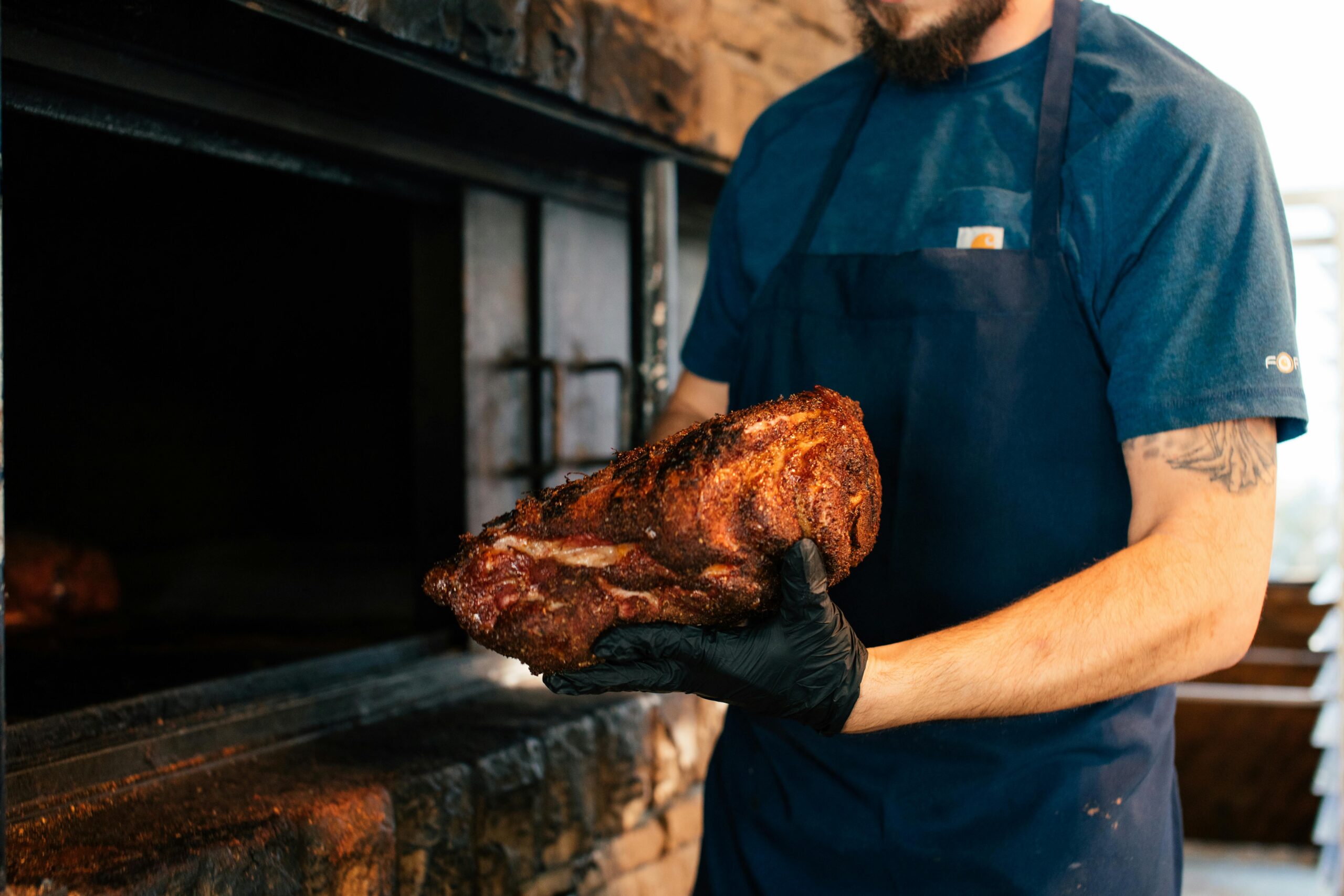
For centuries, humanity has relied on fire as the primary means of preparing food. From open flames fueled by wood and charcoal to gas stoves that dominate modern kitchens, combustion has been central to culinary culture. However, the environmental toll of traditional cooking methods, combined with safety concerns and health hazards, has sparked a global movement toward fireless cooking solutions. This transformation isn’t just about convenience—it represents a fundamental shift in how we approach food preparation, energy consumption, and environmental stewardship.
🔥 The Hidden Costs of Traditional Cooking Methods
Traditional cooking with fire carries significant consequences that extend far beyond the kitchen. According to the World Health Organization, approximately 3.8 million people die prematurely each year from illnesses attributable to household air pollution caused by inefficient cooking practices. The smoke from wood, charcoal, and other solid fuels contains harmful pollutants that cause respiratory diseases, heart problems, and even cancer.
Environmental degradation represents another critical concern. Deforestation accelerates as communities harvest wood for cooking fuel, with an estimated 275 million tons of wood burned annually for household cooking alone. This contributes to habitat loss, soil erosion, and increased carbon emissions. In developing nations, women and children often spend hours collecting firewood, time that could be invested in education, income generation, or community development.
The carbon footprint of conventional cooking methods is staggering. Gas stoves, while cleaner than wood or charcoal, still release methane and nitrogen dioxide into indoor environments. Recent studies have shown that gas stoves can produce pollution levels that would be illegal outdoors, yet they remain common in homes worldwide.
⚡ The Rise of Induction Technology
Induction cooking has emerged as one of the most promising alternatives to flame-based methods. This technology uses electromagnetic fields to directly heat cookware, bypassing the need for flames or hot surfaces. The efficiency gains are remarkable—induction cooktops convert approximately 85-90% of energy into heat, compared to just 40% for gas stoves and 65-70% for traditional electric coils.
The advantages extend beyond efficiency. Induction cooking offers precise temperature control, faster cooking times, and enhanced safety since the cooking surface itself doesn’t become dangerously hot. For families with young children, this safety feature alone makes induction technology appealing. The cooktop remains relatively cool to the touch, eliminating burn risks that accompany traditional stoves.
Despite these benefits, adoption barriers remain. Initial investment costs can be higher than conventional stoves, and users must have magnetic-compatible cookware. However, as technology advances and production scales increase, prices continue to decline, making induction cooking increasingly accessible to mainstream consumers.
Smart Induction Innovations
Modern induction systems incorporate smart technology that revolutionizes the cooking experience. Wi-Fi connectivity allows users to control cooktops remotely via smartphone applications, adjust temperatures with precision, and receive notifications when cooking is complete. Some advanced models feature automatic pot detection, power boosting for faster heating, and even recipe-guided cooking that adjusts temperatures automatically throughout the preparation process.
☀️ Solar Cooking: Harnessing Nature’s Power
Solar cookers represent perhaps the most sustainable fireless cooking solution, utilizing the sun’s abundant energy to prepare meals. These devices range from simple parabolic reflectors to sophisticated vacuum-tube systems capable of reaching high temperatures even on cloudy days. In regions with consistent sunlight, solar cooking offers a completely free, renewable energy source that eliminates fuel costs entirely.
Three primary types of solar cookers serve different needs. Box cookers trap solar radiation inside an insulated container, reaching temperatures between 150-200°C. Panel cookers use reflective panels to concentrate sunlight onto a cooking pot. Parabolic cookers focus sunlight to a single point, generating intense heat suitable for frying and grilling.
Organizations across Africa, Asia, and Latin America have implemented solar cooking programs that transform communities. In refugee camps, solar cookers reduce dependence on scarce firewood and eliminate the dangers women face when venturing outside settlements to collect fuel. Educational initiatives teach families to maximize solar cooking potential, adapting traditional recipes to this flame-free method.
🔌 Electric Pressure Cookers and Multi-Functional Appliances
The explosion of multi-functional electric cooking appliances has democratized access to fireless cooking. Devices like electric pressure cookers, slow cookers, and combination units offer versatility that traditional stoves cannot match. These appliances use sealed environments and precise temperature controls to prepare food efficiently, often reducing cooking times by 70% compared to conventional methods.
Electric pressure cookers have become particularly popular, combining the functions of pressure cookers, slow cookers, rice cookers, steamers, and even yogurt makers in a single device. The sealed cooking environment retains nutrients better than open-flame cooking, producing healthier meals while consuming less energy. Programmable features allow users to set cooking schedules, returning home to perfectly prepared meals without monitoring.
The energy efficiency of these devices makes them environmentally attractive. By insulating the cooking process and using precisely controlled heating elements, electric multi-cookers consume significantly less energy than maintaining a gas flame or electric burner for extended periods. For apartment dwellers or those with limited kitchen space, these compact appliances provide comprehensive cooking capabilities without the infrastructure requirements of traditional stoves.
📱 Digital Innovation in Fireless Cooking
Mobile applications are playing an increasingly important role in the fireless cooking revolution. These digital tools help users optimize their cooking techniques, manage energy consumption, and discover recipes specifically designed for alternative cooking methods. Smart home integration allows seamless control of multiple cooking appliances through unified interfaces.
Recipe applications tailored for induction cooking, electric pressure cookers, and solar cookers provide step-by-step guidance that accounts for the unique characteristics of each cooking method. These apps often include conversion calculators that adapt traditional recipes for fireless techniques, adjusting cooking times and temperatures appropriately.
Energy monitoring applications help households track the efficiency gains from adopting fireless cooking technologies. By visualizing energy consumption patterns and cost savings, these tools reinforce positive behavior changes and demonstrate the tangible benefits of sustainable cooking practices.
🌱 Environmental Impact and Sustainability Metrics
The environmental advantages of fireless cooking extend across multiple dimensions. Carbon emission reductions represent the most obvious benefit, but the positive impacts reach further. Reduced indoor air pollution improves health outcomes, decreasing healthcare costs and improving quality of life. Decreased deforestation helps preserve ecosystems, protect biodiversity, and maintain natural carbon sinks.
Quantifying these benefits reveals their magnitude. A household switching from wood or charcoal to induction cooking can reduce carbon emissions by approximately 1.5 tons annually. Scaling this transition globally could eliminate billions of tons of CO2 emissions while simultaneously addressing deforestation and public health crises.
Water conservation represents another overlooked benefit. Many fireless cooking methods, particularly pressure cooking and steaming, require less water than traditional techniques. In water-scarce regions, this efficiency gain carries significant value, reducing pressure on limited freshwater resources.
Measuring Success: Key Performance Indicators
- Energy Efficiency: Percentage of input energy converted to cooking heat
- Carbon Footprint: Total greenhouse gas emissions per meal prepared
- Health Impact: Reduction in indoor air pollution and related illnesses
- Time Efficiency: Cooking duration compared to traditional methods
- Cost Effectiveness: Total cost of ownership including equipment and energy
- Accessibility: Percentage of population with practical access to technology
💡 Overcoming Adoption Barriers
Despite compelling advantages, fireless cooking technologies face adoption challenges that must be addressed for widespread implementation. Cost remains the primary barrier in developing nations where upfront investment in induction cooktops or quality solar cookers exceeds household budgets. Infrastructure limitations, particularly unreliable electricity access, prevent many communities from benefiting from electric cooking solutions.
Cultural resistance shouldn’t be underestimated. Cooking traditions run deep, and many people associate specific flavors and cooking experiences with open flames. Educational initiatives must respect these cultural connections while demonstrating how fireless methods can achieve similar or superior results. Hands-on demonstrations, community cooking events, and testimonials from early adopters help overcome skepticism.
Government policies play crucial roles in accelerating adoption. Subsidies that reduce initial purchase costs, building codes that favor or require efficient cooking technologies, and public awareness campaigns all contribute to market transformation. Several countries have implemented successful programs that combine financial incentives with education, achieving impressive adoption rates.
🏘️ Community-Scale Solutions
While individual household adoption matters, community-scale fireless cooking initiatives offer powerful leverage for transformation. Shared solar cooking facilities in villages provide access to sustainable cooking without requiring each family to invest in equipment. Community kitchens equipped with efficient electric appliances serve multiple households, maximizing resource utilization and social cohesion.
Schools represent ideal venues for introducing fireless cooking technologies. Educational institutions that adopt sustainable cooking methods demonstrate environmental leadership while teaching students about alternative technologies. School meal programs utilizing solar cookers or efficient electric equipment reduce operational costs while providing educational opportunities.
Urban contexts benefit from different approaches. Apartment buildings equipped with shared induction cooking facilities or rooftop solar cooking arrays provide residents access to sustainable cooking options in space-constrained environments. Co-housing communities increasingly incorporate fireless cooking technologies as core features of their sustainable living models.
🚀 Future Innovations on the Horizon
The fireless cooking revolution continues accelerating, with emerging technologies promising even greater capabilities. Advanced materials science is producing cookware that maximizes heat transfer efficiency and durability. Nanotechnology coatings enhance the performance of solar collectors, enabling effective cooking even in suboptimal conditions.
Artificial intelligence integration will further optimize cooking processes. Machine learning algorithms that understand individual preferences, adjust cooking parameters in real-time based on food characteristics, and predict maintenance needs will make fireless cooking increasingly effortless and reliable. Voice-activated controls and augmented reality cooking guidance will lower barriers for users unfamiliar with new technologies.
Energy storage solutions address one of the primary limitations of renewable cooking technologies. Battery systems that store solar energy collected during the day enable cooking after sunset, eliminating the temporal constraints of direct solar cooking. As battery technology improves and costs decline, this capability will expand access to sustainable cooking in diverse contexts.
🌍 Global Movement Toward Flame-Free Kitchens
The transition to fireless cooking represents more than technological advancement—it embodies a fundamental reimagining of humanity’s relationship with food preparation, energy, and environmental responsibility. As climate change pressures intensify and health concerns mount, the imperative for sustainable cooking solutions grows stronger.
Success stories from around the world demonstrate that this transition is not only possible but already underway. Cities implementing aggressive electrification programs, rural communities embracing solar cooking, and innovative manufacturers developing increasingly affordable technologies all contribute to a growing global momentum.
The path forward requires collaboration across sectors. Technology developers must continue innovating to improve performance and reduce costs. Governments must implement supportive policies and infrastructure investments. Communities must engage with new technologies, adapting them to local needs and cultures. Financial institutions must provide accessible financing options that overcome initial cost barriers.

🎯 Taking Action: Practical Steps Forward
For individuals interested in joining the fireless cooking revolution, numerous entry points exist. Starting with a single appliance—an induction burner, electric pressure cooker, or basic solar cooker—allows experimentation without wholesale kitchen transformation. Online communities provide support, sharing recipes, tips, and encouragement for those transitioning to new cooking methods.
Calculating personal energy consumption and costs helps quantify potential savings, making the business case for investment. Many utility companies offer rebates or incentives for adopting efficient cooking technologies, reducing net investment requirements. These programs represent win-win opportunities, benefiting both individual households and broader grid management objectives.
Advocacy amplifies individual action. Supporting policies that promote sustainable cooking, participating in community education initiatives, and sharing personal experiences all contribute to broader cultural shifts. The fireless cooking revolution depends not just on technological availability but on collective willingness to embrace change.
The flame-free future of cooking is not a distant possibility—it’s an emerging reality transforming kitchens worldwide. From sophisticated induction technology to humble solar cookers, diverse solutions address different needs, circumstances, and preferences. What unites these approaches is their shared commitment to sustainability, health, and efficiency. As awareness grows and technologies mature, the transition from flame-based to fireless cooking will accelerate, delivering benefits that extend far beyond individual kitchens to encompass global health, environmental preservation, and energy security. The revolution is underway, and each household that embraces these innovations contributes to a more sustainable, equitable future for all. 🌟