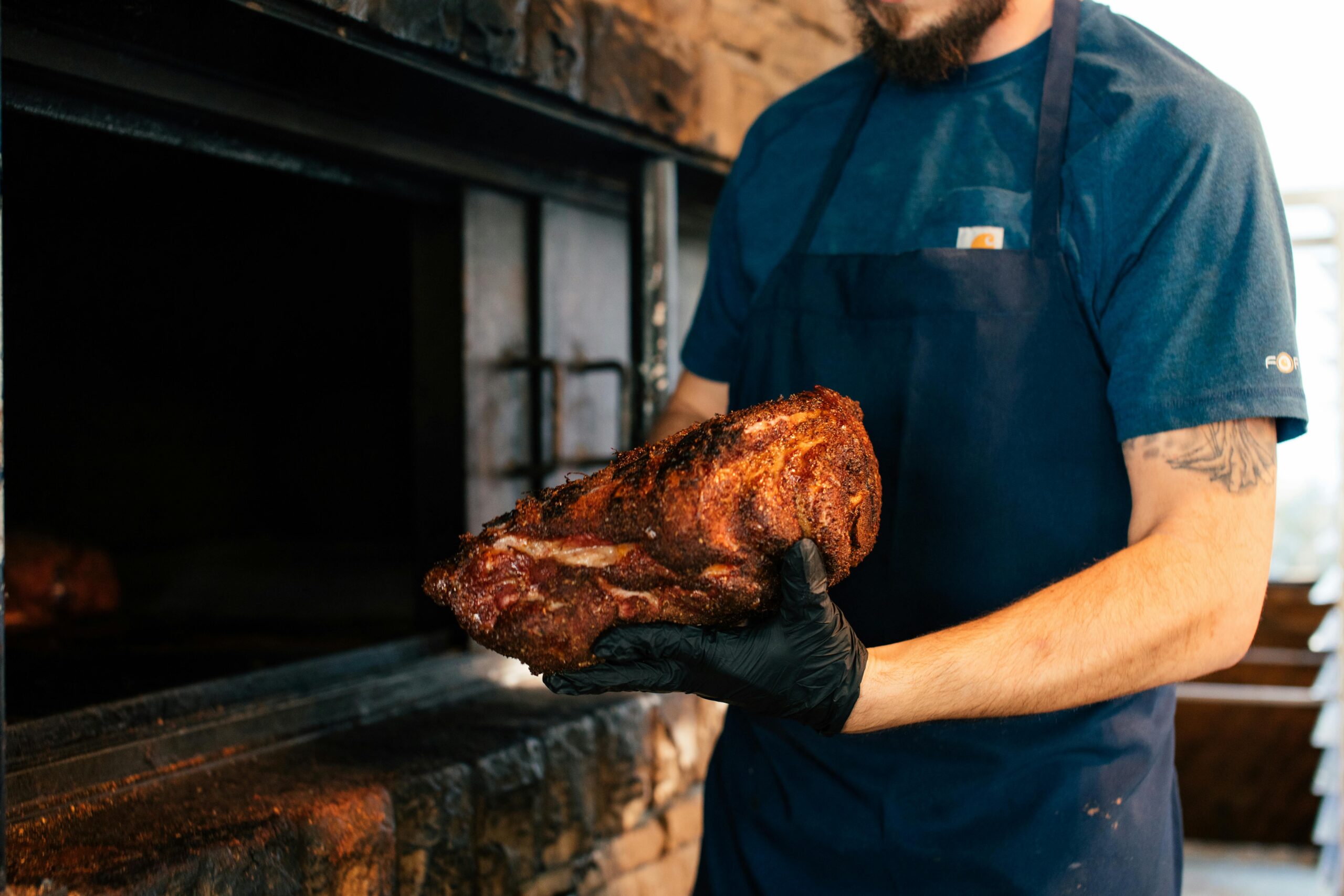
Fireless cooking transforms your kitchen routine by harnessing the power of retained heat, creating delicious, energy-efficient meals with minimal effort and maximum flavor retention.

🔥 Understanding the Revolutionary World of Fireless Cooking
Fireless cooking, also known as retained heat cooking or haybox cooking, represents a culinary technique that has existed for centuries but is experiencing a remarkable renaissance in modern kitchens. This method involves bringing food to a boil or high temperature, then transferring it to an insulated container where it continues cooking using its own retained heat. The magic lies in understanding how time and temperature work together to create perfectly cooked meals without continuous energy input.
The science behind fireless cooking is beautifully simple yet profoundly effective. When you heat food to the proper temperature and maintain that heat through excellent insulation, the cooking process continues naturally. This method not only saves energy but also prevents overcooking, preserves nutrients, and develops deeper flavors as ingredients meld together slowly over extended periods.
Modern fireless cookers range from specialized insulated containers to improvised solutions using blankets, towels, or coolers. Regardless of the equipment, the fundamental principle remains constant: master the initial temperature, understand timing requirements, and trust the process to deliver consistently excellent results.
The Science Behind Time-Temperature Relationships
Temperature control forms the foundation of successful fireless cooking. Unlike conventional cooking where heat is continuously applied, fireless cooking requires achieving specific temperature thresholds before the insulation phase begins. Most foods need to reach between 180°F and 212°F (82°C to 100°C) before being transferred to their insulated environment.
The relationship between time and temperature follows a logarithmic curve rather than a linear progression. Initially, food cools rapidly during the first hour, then the cooling rate decreases significantly. Quality insulation can maintain temperatures above 140°F (60°C) for six to eight hours, which falls perfectly within the safe cooking zone while preventing bacterial growth.
Understanding heat retention capacity is crucial. Dense foods like dried beans, grains, and tough cuts of meat benefit most from extended fireless cooking periods because they require sustained heat exposure to break down complex starches and proteins. Conversely, vegetables and seafood need shorter retention times to avoid mushiness.
Critical Temperature Thresholds for Different Food Categories
Each food category has specific temperature requirements that determine cooking success. Proteins generally need internal temperatures of 165°F (74°C) for poultry, 145°F (63°C) for fish, and 160°F (71°C) for ground meats. When fireless cooking, you should bring these foods to a rolling boil (212°F/100°C) to ensure adequate heat reserves for complete cooking during the retention phase.
Grains and legumes require thorough hydration and starch gelatinization, which occurs optimally between 185°F and 205°F (85°C to 96°C). Starting these foods at boiling temperature and maintaining insulation for four to six hours produces perfectly tender results without constant monitoring or energy consumption.
Soups, stews, and broths benefit tremendously from fireless cooking because extended low-temperature cooking extracts maximum flavor from ingredients while preventing the loss of volatile aromatic compounds that escape during vigorous boiling.
⏰ Timing Precision: Your Secret Weapon for Perfection
Mastering timing in fireless cooking requires understanding three distinct phases: the heating phase, the transition phase, and the retention phase. Each phase demands different attention levels and techniques to ensure optimal results.
The heating phase involves bringing your food to the correct starting temperature. This typically takes the same time as conventional cooking methods. The key difference is bringing the entire pot and contents to maximum temperature, not just the food itself. This means allowing an extra few minutes of boiling to heat the cookware thoroughly.
The transition phase is perhaps the most critical yet often overlooked stage. Moving your pot from heat source to insulated container must happen quickly to minimize heat loss. Having your fireless cooker prepared and positioned nearby reduces transition time from potentially five minutes to under thirty seconds, preserving crucial thermal energy.
Calculating Retention Time for Consistent Results
Retention time calculation depends on multiple factors: food type, quantity, starting temperature, insulation quality, and ambient temperature. A general guideline suggests multiplying conventional cooking time by 1.5 to 2 for fireless cooking retention periods.
For example, rice that normally cooks in 15 minutes should retain for 30-45 minutes. Dried beans requiring two hours of conventional simmering need four to five hours in a fireless cooker. Tough meat cuts benefit from overnight retention, developing fork-tender texture and concentrated flavors.
Creating a personal timing log for frequently prepared dishes eliminates guesswork and builds confidence. Document the food type, quantity, starting temperature, retention duration, and results. After several iterations, you’ll develop intuitive understanding of timing requirements for your specific equipment and preferences.
🌡️ Temperature Monitoring Tools and Techniques
Accurate temperature measurement transforms fireless cooking from experimental to reliable. Instant-read thermometers provide immediate feedback about whether food has reached optimal starting temperature before insulation. Digital probe thermometers with external displays allow temperature monitoring without opening the insulated container and releasing precious heat.
Infrared thermometers offer contactless temperature reading of pot exteriors, helping confirm adequate cookware heating. While they don’t measure food temperature directly, they provide valuable supplementary information about heat retention over time.
Smart thermometers with Bluetooth connectivity and smartphone apps enable continuous monitoring with alerts when temperatures drop below specified thresholds. These devices prove particularly valuable for overnight cooking projects or when developing new recipes requiring precise documentation.
Building Temperature Intuition Without Equipment
While thermometers enhance precision, developing sensory-based temperature assessment skills creates cooking independence. Visual cues like vigorous bubbling indicate boiling temperature. The “hand hover test” (holding your hand several inches above the pot) develops heat intensity awareness, though this remains less precise than instrumental measurement.
Sound provides another temperature indicator. The pitch and intensity of bubbling changes with temperature variations. Experienced cooks recognize the difference between gentle simmering and rolling boiling by sound alone, enabling adjustments without constant visual monitoring.
Constructing and Optimizing Your Fireless Cooking System
The effectiveness of fireless cooking depends heavily on insulation quality. Commercial fireless cookers provide convenient, purpose-built solutions, but excellent improvised systems cost virtually nothing and perform remarkably well.
The basic principle involves creating multiple insulation layers around your hot cookware. Start with a sturdy outer container—cardboard boxes, coolers, or baskets work excellently. Line this container with insulating material: crumpled newspaper, wool blankets, sleeping bags, hay, or even bubble wrap. Create a nest for your pot with at least three inches of insulation on all sides, including underneath and above.
Cookware selection significantly impacts retention performance. Heavy-bottomed pots with tight-fitting lids retain heat far better than thin aluminum cookware. Cast iron, enameled cast iron, and heavy stainless steel with aluminum cores provide optimal heat retention. Pot size matters too—filling pots to at least two-thirds capacity ensures adequate thermal mass for extended cooking.
Advanced Insulation Strategies for Maximum Efficiency
Preheating your fireless cooker creates warmer initial conditions, reducing the temperature gradient and slowing heat loss. Place a hot water bottle or heated stones in the insulated chamber ten minutes before inserting your cooking pot.
Minimizing air gaps between insulation layers prevents convective heat loss. Conformable insulation materials like fabric or sleeping bags mold around pot contours better than rigid materials, eliminating efficiency-robbing air pockets.
Reflective materials like aluminum foil placed between insulation layers reflect radiant heat back toward the pot. This technique proves particularly effective when combined with absorbent insulation, creating a hybrid system that addresses multiple heat loss mechanisms.
📋 Recipe Adaptation Strategies for Fireless Success
Converting conventional recipes to fireless cooking methods requires understanding how prolonged moderate heat affects ingredients differently than short-duration high heat. Vegetables can become overly soft, so fireless cooking works best for dishes where tender vegetables are desirable, or when vegetables are added during the final retention period.
Liquid ratios often need adjustment because fireless cooking produces minimal evaporation. Reducing liquid content by 10-20% compared to conventional recipes prevents diluted flavors and excessive soupiness. Alternatively, plan to simmer briefly after retention to reduce excess liquid if necessary.
Spices and aromatics behave differently during extended low-temperature cooking. Delicate herbs lose potency, so adding them after retention preserves their bright flavors. Conversely, robust spices like cinnamon, cumin, and black pepper develop deeper, more complex profiles during extended fireless cooking, often requiring less quantity than conventional recipes.
Ideal Food Categories for Fireless Cooking Excellence
- Whole grains: Rice, quinoa, barley, and farro achieve perfect texture without scorching or sticking
- Legumes: Dried beans, lentils, and split peas cook evenly without constant attention or water additions
- Tough meat cuts: Brisket, chuck roast, and shanks become meltingly tender with extended retention
- Porridge and oatmeal: Overnight fireless cooking creates creamy breakfast with zero morning effort
- Stocks and broths: Extended gentle extraction produces clear, flavorful liquids without cloudiness
- Stews and curries: Flavors meld beautifully during retention periods, improving with time
- Steamed puddings: Gentle consistent heat creates perfect texture without water bath complexity
🎯 Troubleshooting Common Fireless Cooking Challenges
Even experienced cooks encounter occasional fireless cooking setbacks. Understanding common problems and solutions accelerates mastery and prevents frustration during the learning process.
Undercooked food typically results from insufficient starting temperature or inadequate retention time. Always verify boiling temperature before insulating, and extend retention periods by 30-minute increments until you determine optimal timing for specific dishes in your system.
Overcooked, mushy results suggest excessive retention time or inappropriate food choices. Delicate items like fish, pasta, and quick-cooking vegetables aren’t ideal fireless cooking candidates. For items that did overcook, reduce retention time by 25% in future attempts.
Food safety concerns arise when retention temperatures drop into the bacterial danger zone (40°F-140°F or 4°C-60°C) for extended periods. Quality insulation should maintain safe temperatures for six to eight hours. Testing your system with water and a probe thermometer before cooking actual food provides confidence in safety margins.
Optimizing Results Through Systematic Testing
Creating a testing protocol eliminates variables and identifies your system’s specific characteristics. Start with simple, forgiving foods like white rice or lentils. Document starting temperature, retention time, and results. Systematically adjust one variable at a time—either temperature or time—to understand their independent effects.
Seasonal variations affect performance because ambient temperature influences heat loss rates. Summer cooking may require shorter retention periods while winter conditions extend effective cooking times. Recording seasonal observations in your cooking log accounts for these environmental variables.
Environmental and Economic Benefits Worth Celebrating
Fireless cooking delivers substantial environmental benefits beyond individual kitchens. Reducing active cooking time by 50-75% translates directly to equivalent energy savings. For households cooking rice daily, switching to fireless methods could save 200-300 kWh annually—enough to power a refrigerator for two months.
The cumulative impact of widespread fireless cooking adoption could significantly reduce residential energy consumption. In regions where electricity comes from fossil fuels, reduced cooking energy demand means lower carbon emissions and improved air quality.
Economic benefits extend beyond energy bill savings. Fireless cooking’s gentle heat prevents scorching and sticking, extending cookware lifespan. The method’s forgiving nature reduces food waste from burned meals. Time savings translate to increased personal freedom—starting dinner and leaving the house becomes possible without safety concerns or timing anxiety.
🍲 Creating Your Personal Fireless Cooking Routine
Integrating fireless cooking into daily routines requires initial planning but quickly becomes second nature. Morning preparation of evening meals exemplifies fireless cooking’s lifestyle advantages. Starting a stew before work means arriving home to a ready dinner without slow cooker electricity consumption.
Batch cooking achieves new efficiency levels with fireless methods. Preparing multiple days’ worth of grains, beans, or proteins simultaneously in large pots maximizes insulation effectiveness while minimizing effort. The retained heat cooks everything thoroughly while you focus on other activities.
Camping and off-grid living scenarios showcase fireless cooking’s ultimate versatility. Building a morning fire to heat water and food, then insulating for the day provides hot meals without maintaining fires during travel or activities. This technique has sustained travelers, herders, and adventurers for millennia.
Advancing Your Skills Toward Mastery
True fireless cooking mastery emerges through consistent practice, thoughtful observation, and willingness to experiment. Start with forgiving recipes, document your results, and gradually attempt more complex dishes as confidence builds.
Joining online communities dedicated to energy-efficient cooking provides inspiration, troubleshooting assistance, and recipe ideas. Sharing your experiences contributes to collective knowledge while receiving valuable feedback from experienced practitioners.
The intersection of ancient wisdom and modern efficiency consciousness makes fireless cooking increasingly relevant. As energy costs rise and environmental awareness deepens, methods that reduce consumption without sacrificing quality gain deserved attention. Your mastery of time-temperature control in fireless cooking positions you at the forefront of sustainable culinary practices.
The journey toward perfect fireless cooking doesn’t demand expensive equipment or complicated techniques—just understanding fundamental principles, attention to detail, and patience during the learning curve. Each successful meal reinforces your knowledge while failed attempts provide valuable lessons. The rewards of consistently delicious, energy-efficient meals make mastering this art form worthwhile for any cook committed to sustainability, economy, and culinary excellence.