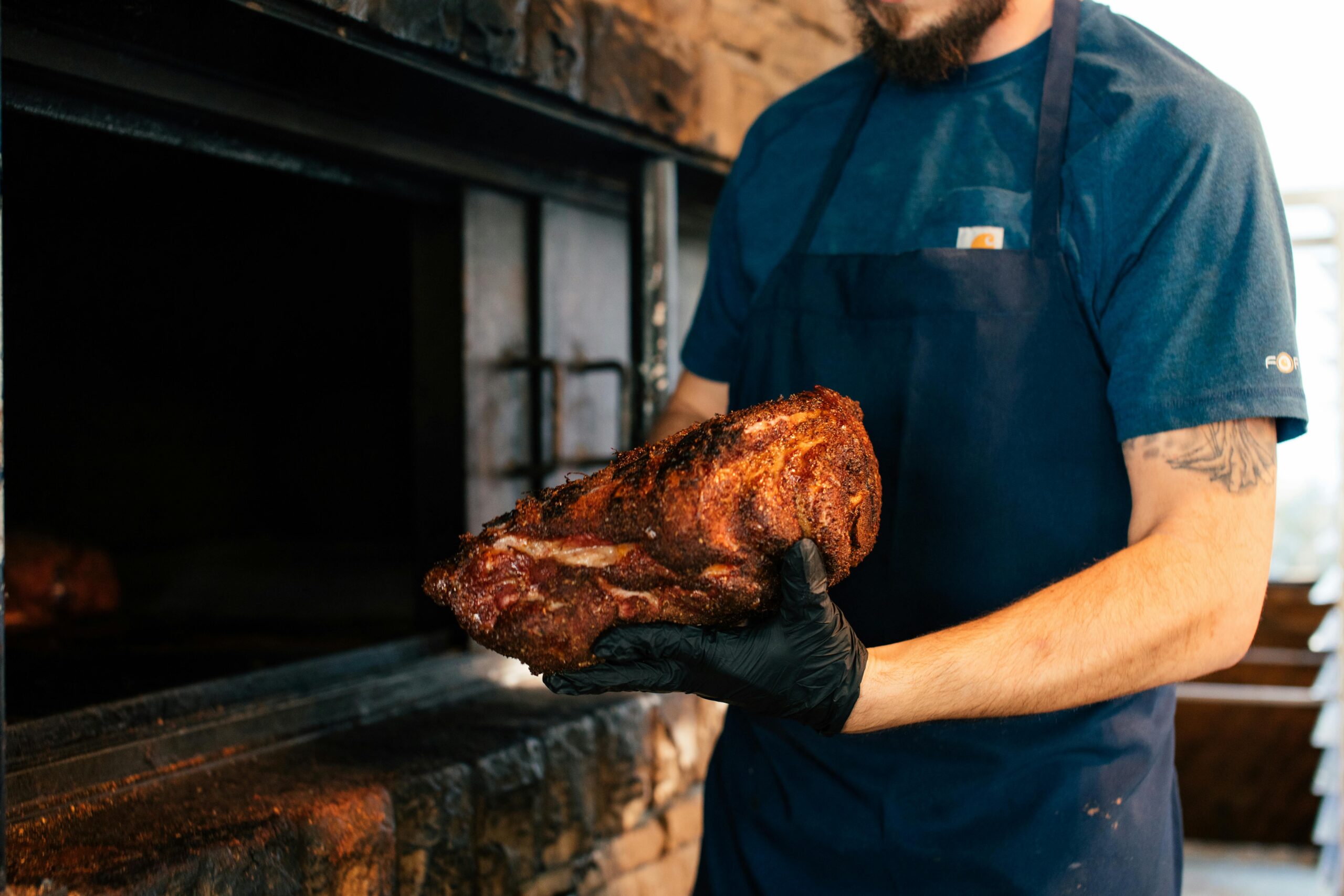
Modern cooking methods can destroy up to 90% of the nutrients in your food. Learning flame-free nutrition techniques helps preserve vitamins, minerals, and enzymes that your body desperately needs.

🔥 Why Traditional Cooking Methods Destroy Nutrition
When we expose food to high temperatures, particularly open flames or direct heat sources, we trigger a cascade of chemical reactions that break down essential nutrients. Vitamin C, for instance, begins to degrade at temperatures above 70°C (158°F), while B vitamins start losing their potency around similar thresholds. The longer and hotter we cook, the more nutritional value disappears into thin air.
Traditional cooking methods like grilling, frying, and high-heat roasting create temperatures that can exceed 200°C (392°F). At these levels, not only do we lose water-soluble vitamins, but we also damage delicate omega-3 fatty acids and create potentially harmful compounds like acrylamide in starchy foods and heterocyclic amines in proteins.
The flame itself isn’t the only culprit. The intense, uneven heat distribution causes some parts of food to overcook while others remain undercooked, leading to inconsistent nutrient preservation. This is where flame-free nutrition comes into play as a revolutionary approach to maintaining the integrity of what we eat.
Understanding the Science Behind Nutrient Loss 🧪
Different nutrients respond differently to heat exposure. Water-soluble vitamins like vitamin C and the B-complex vitamins are particularly vulnerable because they dissolve in cooking water and evaporate with steam. Fat-soluble vitamins such as A, D, E, and K are more stable but can still be damaged by prolonged exposure to high temperatures.
Minerals like iron, calcium, and magnesium are generally heat-stable, but they can leach into cooking water, which is often discarded. Enzymes, which play crucial roles in digestion and nutrient absorption, are completely denatured at temperatures above 47°C (117°F), which is why raw food advocates emphasize their importance.
Proteins undergo structural changes when heated, a process called denaturation. While some denaturation aids digestion, excessive heat can create cross-links that make proteins harder to digest and reduce their biological value. The Maillard reaction, which gives cooked food its appealing brown color and flavor, actually involves the bonding of proteins with sugars, potentially reducing protein quality.
What Exactly Is Flame-Free Nutrition? 🌿
Flame-free nutrition encompasses cooking and food preparation methods that preserve maximum nutritional value by avoiding direct flame contact and excessive heat. This approach prioritizes gentle cooking techniques that maintain temperatures below critical nutrient-destruction thresholds while still ensuring food safety and palatability.
The philosophy behind flame-free nutrition isn’t about eating everything raw. Instead, it’s about choosing cooking methods that respect the nutritional integrity of ingredients while making them digestible, safe, and enjoyable. This balanced approach acknowledges that some foods actually become more nutritious when gently cooked, like tomatoes, which release more lycopene when heated moderately.
Flame-free methods include steaming, sous vide cooking, slow cooking at low temperatures, pressure cooking, fermentation, sprouting, and strategic raw food consumption. Each technique serves different purposes and works better with specific food types, giving you a comprehensive toolkit for nutrient-preserving meal preparation.
Top Flame-Free Cooking Techniques That Preserve Nutrients 💡
Steaming: The Gentle Giant
Steaming is perhaps the most accessible flame-free technique. By surrounding food with hot vapor rather than submerging it in boiling water or exposing it to direct heat, steaming preserves up to 90% of water-soluble vitamins. The food never exceeds 100°C (212°F), and nutrients don’t leach into discarded cooking water.
Vegetables maintain their vibrant colors, crisp textures, and nutritional profiles when steamed properly. The key is to avoid oversteaming—most vegetables need only 3-7 minutes. Broccoli, for example, retains significantly more vitamin C, glucosinolates, and antioxidants when steamed compared to boiling or microwaving.
Sous Vide: Precision Nutrition Preservation
Sous vide cooking involves vacuum-sealing food in bags and cooking it in precisely temperature-controlled water baths. This method ensures that food never exceeds the target temperature, preventing nutrient destruction from heat spikes. Cooking proteins at 55-65°C (131-149°F) maintains moisture, texture, and nutritional value far better than traditional methods.
The sealed environment prevents oxidation and vitamin loss through evaporation. Studies show that sous vide cooking preserves significantly more omega-3 fatty acids in fish compared to pan-frying or baking. While sous vide equipment was once expensive and professional-grade, consumer versions have become increasingly affordable and user-friendly.
Slow Cooking at Low Temperatures
Slow cookers and modern electric pressure cookers with slow-cook settings maintain temperatures between 80-95°C (176-203°F). This gentle, prolonged cooking breaks down tough fibers in legumes and meats while preserving heat-sensitive nutrients better than high-temperature methods.
The extended cooking time allows flavors to develop fully without the nutrient destruction associated with high heat. Bone broths, for instance, extract maximum minerals and collagen when simmered slowly over 12-24 hours at low temperatures rather than boiled rapidly.
Raw Food Integration: Strategic Approaches 🥗
Incorporating raw foods strategically is a cornerstone of flame-free nutrition. Raw fruits and vegetables provide enzymes that aid digestion, maximum vitamin C content, and phytonutrients that might be damaged by heat. However, not all foods benefit from being eaten raw.
Leafy greens, berries, nuts, seeds, and most fruits are excellent raw choices. Creating colorful salads with diverse textures and flavors makes raw eating enjoyable rather than restrictive. Adding sprouted seeds and fermented vegetables introduces beneficial enzymes and probiotics that support gut health.
The key is balance. While raw carrots provide excellent vitamin C and fiber, lightly steamed carrots offer more bioavailable beta-carotene. Similarly, raw spinach contains oxalates that can interfere with mineral absorption, but brief steaming reduces these compounds while maintaining most nutrients.
Fermentation: Ancient Wisdom for Modern Nutrition ⚡
Fermentation is the ultimate flame-free technique that actually increases nutritional value. When beneficial bacteria and yeasts break down food components, they create new vitamins, particularly B vitamins and vitamin K2. Fermentation also produces beneficial organic acids and makes minerals more bioavailable.
Sauerkraut, kimchi, kefir, kombucha, and miso are powerhouses of probiotics that support digestive health and immune function. The fermentation process predigests proteins and carbohydrates, making them easier to assimilate. Studies show that fermented foods contain exponentially more beneficial bacteria than probiotic supplements.
Starting fermentation at home requires minimal equipment—just clean jars, salt, and patience. The process preserves food naturally without refrigeration while transforming ordinary vegetables into nutrition-dense superfoods. The living enzymes and probiotics in fermented foods are destroyed by cooking, which is why they’re consumed raw or added to dishes after cooking.
Sprouting: Multiplying Nutritional Power 🌱
Sprouting seeds, legumes, and grains activates dormant enzymes and multiplies vitamin content dramatically. Vitamin C content in sprouted mung beans increases by up to 700%, while B vitamins, folate, and minerals become more bioavailable. The sprouting process also breaks down antinutrients like phytic acid that block mineral absorption.
Common sprouting candidates include lentils, chickpeas, mung beans, alfalfa, broccoli seeds, and whole grains. The process takes 2-5 days and requires only water, air circulation, and room temperature. Sprouts can be eaten raw in salads, blended into smoothies, or added to sandwiches for a nutritional boost.
The enzymatic activity in sprouts peaks just as the tiny shoot emerges, making this the optimal consumption window. These living foods provide energy in a form that’s easily digestible and packed with chlorophyll, enzymes, and phytonutrients that cooked foods simply cannot match.
Building Your Flame-Free Kitchen Arsenal 🔧
Transitioning to flame-free nutrition doesn’t require a complete kitchen overhaul, but certain tools make the journey easier and more enjoyable. A quality steamer—whether bamboo, stainless steel, or electric—is foundational. Look for multi-tier options that allow you to cook different foods simultaneously.
A reliable slow cooker or multi-cooker with precise temperature controls expands your options significantly. Modern devices offer programmable settings that maintain specific temperatures for hours, perfect for nutrient-preserving meal preparation. Some models include sous vide functions, giving you multiple techniques in one appliance.
For serious enthusiasts, a dedicated sous vide immersion circulator provides restaurant-quality precision. High-quality blenders help incorporate more raw foods through smoothies and cold soups. Fermentation crocks with water-seal lids create ideal anaerobic environments for sauerkraut and pickles. A sprouting kit or simple mason jars with mesh lids facilitate easy sprouting.
Practical Meal Planning with Flame-Free Principles 📋
Implementing flame-free nutrition in daily life requires thoughtful planning but becomes second nature with practice. Start by designating certain meals as primarily raw—breakfast smoothies with sprouted seeds, large lunch salads with fermented vegetables, and raw fruit desserts are easy entry points.
Batch cooking using slow cookers and steamers on weekends provides ready-to-eat nutritious meals throughout the week. Prepare large quantities of steamed vegetables, slow-cooked legumes, and sous vide proteins that can be mixed and matched with fresh raw components for varied meals.
Creating balanced plates that combine different preparation methods ensures nutritional diversity. A typical flame-free meal might include a base of steamed quinoa, raw leafy greens, slow-cooked chickpeas, fermented pickles, sprouted seeds, and a cold-pressed olive oil dressing. This combination delivers cooked and raw nutrients, probiotics, enzymes, and satisfying variety.
Addressing Common Concerns and Misconceptions 🤔
Many people worry that flame-free cooking takes more time or produces less flavorful food. In reality, methods like slow cooking and sous vide are largely hands-off, requiring minimal active cooking time. Flavor development occurs through the concentration of natural tastes rather than the caramelization and charring of high-heat methods.
Food safety is another common concern, particularly with raw and low-temperature cooking. The key is sourcing high-quality ingredients, maintaining proper hygiene, and understanding safe temperature thresholds. Sous vide cooking, for instance, pasteurizes food through time-temperature combinations, making it microbiologically safe even at lower temperatures.
Some argue that humans have cooked food for millennia and that our digestive systems have adapted accordingly. This is partially true—cooking does make certain nutrients more accessible and destroys harmful compounds in some foods. Flame-free nutrition doesn’t reject cooking entirely but advocates for gentler methods that preserve more of what makes food nourishing.
The Environmental and Economic Benefits 🌍
Flame-free cooking methods often consume less energy than conventional cooking. Slow cookers use approximately 75% less electricity than electric ovens, while steaming requires less fuel than boiling large pots of water. Pressure cooking reduces cooking time dramatically, saving both energy and time.
By preserving nutrients more effectively, flame-free nutrition means you get more nutritional value from the same amount of food, potentially reducing the quantity needed to meet your dietary requirements. Less nutrient loss means better health outcomes, potentially reducing medical costs associated with deficiencies and chronic diseases.
Growing sprouts at home provides fresh, organic produce for pennies compared to store-bought greens. Fermentation preserves seasonal vegetables without refrigeration, reducing food waste and energy consumption. These practices align with sustainable living principles while delivering superior nutrition.
Starting Your Flame-Free Journey Today 🚀
Begin your transition to flame-free nutrition with simple swaps. Replace your next batch of boiled vegetables with steamed ones. Try making a raw salad the main course rather than a side dish. Experiment with overnight oats instead of cooked oatmeal to preserve the natural enzymes in the grains.
Invest in one key piece of equipment that excites you—whether that’s a bamboo steamer, a slow cooker, or sprouting jars. Master one technique before adding others. Start a small fermentation project with sauerkraut or pickles. The hands-on experience of transforming ingredients without heat is both educational and empowering.
Connect with the growing community of flame-free nutrition enthusiasts online. Share recipes, troubleshoot challenges, and celebrate successes. Document your energy levels, digestion, and overall wellness as you incorporate more nutrient-dense, minimally heated foods into your diet.
Maximizing Nutrients in Every Meal 💪
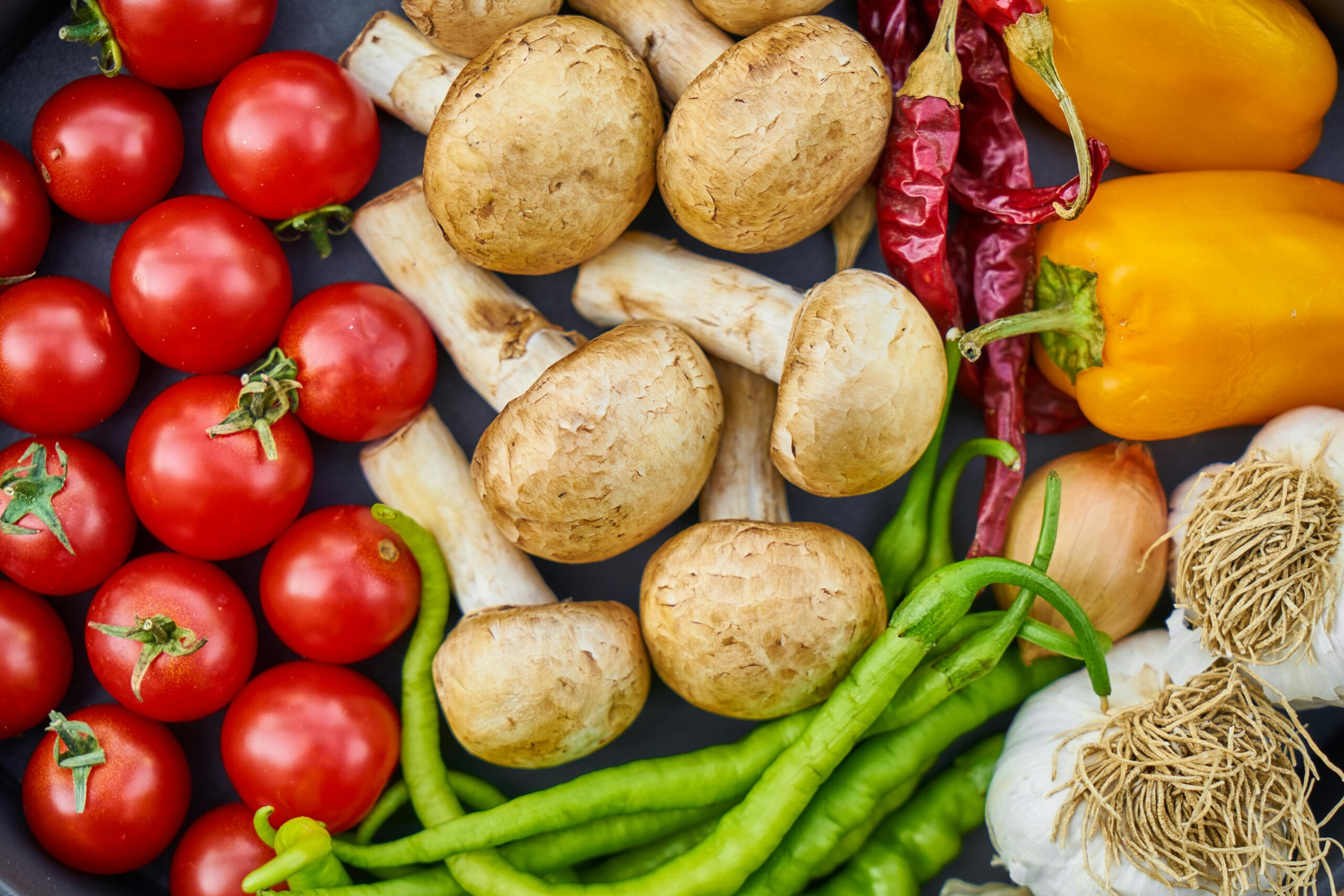
The ultimate goal of flame-free nutrition is optimizing the nutritional value of every bite. This means understanding which foods benefit most from which preparation methods. Cruciferous vegetables like broccoli and Brussels sprouts retain more cancer-fighting glucosinolates when steamed lightly rather than boiled or roasted at high temperatures.
Tomatoes are one exception where gentle cooking actually increases nutritional value. Heating tomatoes breaks down cell walls, making lycopene—a powerful antioxidant—more bioavailable. A brief steam or low-temperature slow cook provides this benefit without excessive nutrient loss.
Combining cooking methods within a single meal creates synergistic nutritional benefits. Serving slow-cooked beans with raw cabbage slaw and sprouted grain bread provides complementary amino acids, diverse phytonutrients, living enzymes, and beneficial bacteria all in one satisfying plate.
Transforming Your Relationship with Food 🍽️
Flame-free nutrition is more than a cooking technique—it’s a philosophy that honors food as medicine and nourishment rather than merely fuel. When you invest time in preserving nutrients, you develop deeper appreciation for ingredients and their life-giving properties. This mindful approach naturally leads to better food choices and more intentional eating.
As you taste the vibrant flavors of properly steamed vegetables, the complex tanginess of homemade ferments, and the fresh vitality of sprouted foods, you’ll notice that nutrient-dense food simply tastes better. Your palate adjusts away from the need for excessive salt, sugar, and fat used to compensate for flavor lost through overcooking.
The energy and vitality that come from consuming foods with their nutritional integrity intact creates a positive feedback loop. You feel better, so you continue making choices that support optimal health. This sustainable approach to nutrition isn’t about restriction or perfection—it’s about making informed decisions that honor both your body and your ingredients.
By embracing flame-free nutrition principles, you’re not just changing how you cook—you’re revolutionizing how you nourish yourself and those you feed. Every steamed vegetable, every batch of sauerkraut, every handful of sprouts represents a conscious choice to maximize the nutritional potential of your food. This approach respects the wisdom of traditional food preparation while leveraging modern understanding of nutrition science, creating a sustainable path toward vibrant health that starts in your kitchen and radiates outward into every aspect of your life.