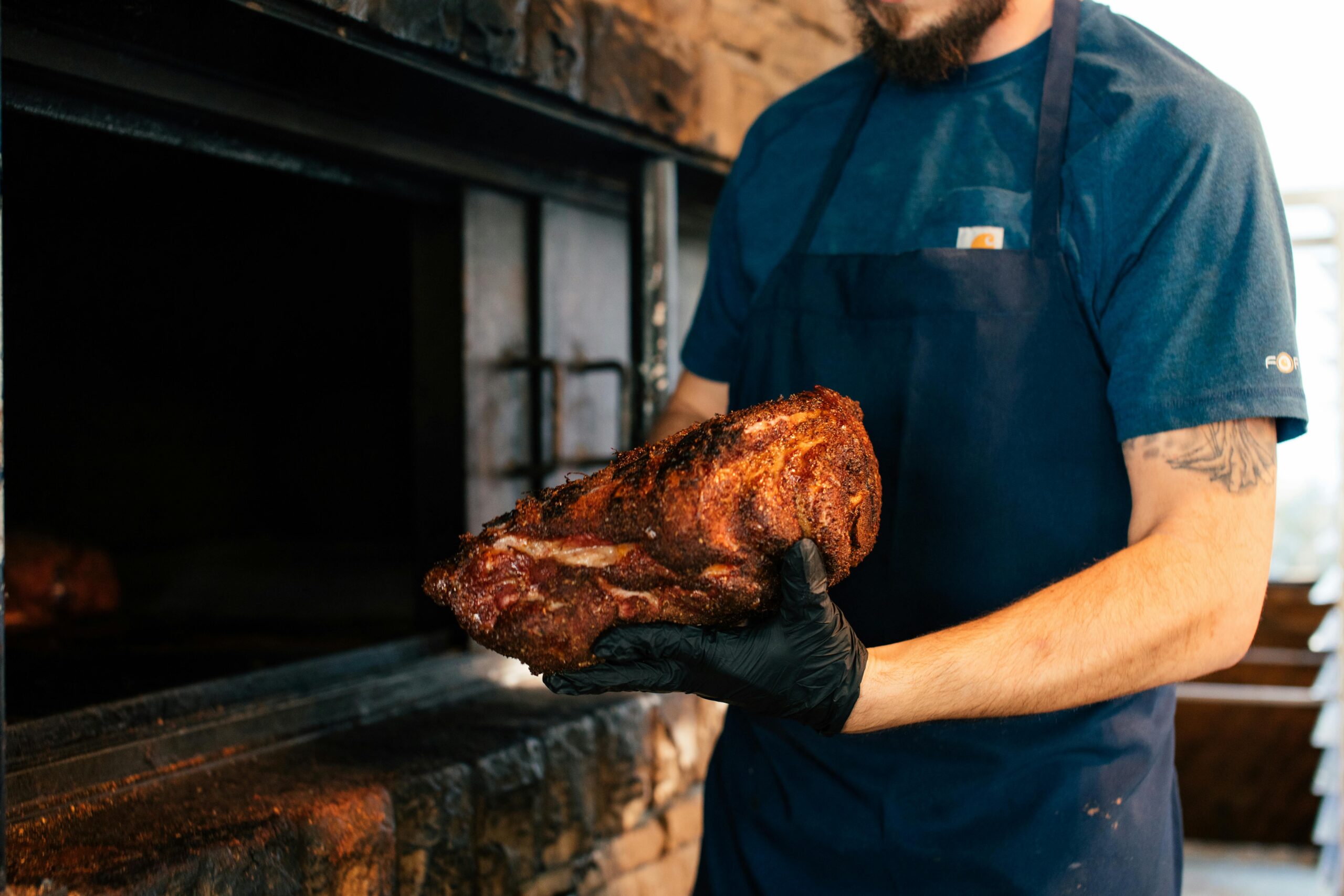
Fireless cooking is revolutionizing modern kitchens by drastically reducing energy consumption while preserving nutrients and flavors in your meals efficiently and sustainably.

🔥 Understanding the Revolutionary Concept of Fireless Cooking
The art of fireless cooking, also known as retained heat cooking or haybox cooking, represents one of humanity’s most ingenious culinary innovations. This ancient technique, rediscovered and refined for contemporary households, harnesses the principle of heat retention to complete the cooking process without continuous fuel consumption. By bringing food to a boil and then transferring it to an insulated container, the trapped heat continues cooking the food gradually, using zero additional energy.
This sustainable cooking method addresses multiple modern challenges simultaneously: rising energy costs, environmental concerns, and the growing demand for nutritious home-cooked meals. As households worldwide seek practical solutions to reduce their carbon footprint, fireless cooking emerges as an accessible, cost-effective strategy that requires minimal investment yet delivers substantial long-term benefits.
The science behind fireless cooking is elegantly simple. Foods contain substantial amounts of water that, when heated, act as thermal batteries. Once a dish reaches boiling temperature, it possesses enough stored thermal energy to continue cooking for several hours when properly insulated. This passive cooking process maintains temperatures between 140-180°F (60-82°C), ideal for tenderizing proteins, softening vegetables, and melding flavors without the risk of burning or overcooking.
💡 The Remarkable Benefits of Embracing Fireless Cooking
Adopting fireless cooking techniques transforms not just your energy bills but your entire approach to meal preparation. The financial savings prove immediately noticeable, with households typically reducing cooking fuel consumption by 50-80% for applicable dishes. For families using gas, electricity, or kerosene for cooking, this translates to significant monthly savings that compound impressively over time.
Beyond economics, the nutritional advantages deserve special attention. Traditional high-heat cooking methods destroy heat-sensitive vitamins, particularly vitamin C, B-complex vitamins, and various antioxidants. Fireless cooking’s gentler temperatures preserve these valuable nutrients far more effectively. Additionally, minerals remain better retained within the food rather than leaching into cooking water that’s subsequently discarded.
The safety factor cannot be overstated, especially for households with children or elderly members. Once the initial heating phase completes and the cookware transfers to the insulated container, all fire hazards disappear completely. There’s no risk of gas leaks, electrical short circuits, or accidental burns from unattended stoves. This peace of mind allows cooks to leave home or attend to other responsibilities without worry.
Environmental Impact and Sustainability Considerations
Every meal prepared using fireless cooking directly reduces greenhouse gas emissions. Whether your conventional cooking uses natural gas, electricity from fossil fuels, or biomass, cutting consumption by half or more makes a measurable environmental difference. When millions of households adopt such practices, the collective impact becomes substantial enough to influence regional energy demands.
For communities still dependent on wood or charcoal for cooking, fireless techniques dramatically reduce deforestation pressures. Women and children, who typically shoulder the burden of fuel collection in many cultures, experience reduced labor demands and health improvements from decreased smoke exposure. This simple technology thus addresses multiple sustainable development goals simultaneously.
🍲 Perfectly Suited Foods for Fireless Cooking Success
Understanding which dishes excel with fireless cooking helps maximize both energy savings and culinary results. Foods requiring prolonged, gentle cooking naturally adapt best to this method, yielding superior texture and flavor compared to conventional approaches.
Legumes, grains, and pulses represent ideal candidates for fireless cooking. Rice, lentils, beans, chickpeas, and whole grains cook beautifully with this technique. Simply bring the pot to a full boil for 5-10 minutes, then transfer to your insulated cooker. Within 3-6 hours, depending on the specific food, you’ll find perfectly cooked results with distinct, separate grains or tender legumes without mushiness.
Stews, soups, and one-pot meals achieve exceptional results through fireless cooking. The extended gentle heating allows flavors to meld thoroughly while tough meat cuts become fork-tender. Vegetables maintain better structure compared to conventional long simmering, providing more appealing texture and enhanced nutrient retention.
Root vegetables like potatoes, carrots, beets, and turnips excel when cooked fireless. They emerge perfectly tender without the waterlogged texture that sometimes results from boiling. Sweet corn achieves remarkable sweetness and tenderness, while whole intact vegetables retain maximum nutritional value.
Foods Requiring Modified Approaches
While fireless cooking handles most foods admirably, certain items need adaptations. Quick-cooking vegetables like leafy greens or zucchini typically finish cooking during the initial stovetop phase before transferring. Dishes requiring browning, caramelization, or crispy textures need conventional cooking methods, though you can often complete the majority of cooking fireless and finish briefly on the stove.
Baked goods obviously require different approaches, though some cultures use modified fireless techniques with hot stones or sand. Dairy-based dishes sometimes require monitoring to prevent curdling, though many custards and puddings actually benefit from the gentle, even heating fireless cooking provides.
🛠️ Creating Your Fireless Cooker: Practical Construction Guide
Building an effective fireless cooker requires surprisingly minimal resources, making this sustainable technology accessible regardless of economic circumstances. The fundamental requirement is insulation—lots of it—surrounding your hot cookware to trap heat effectively.
The simplest approach uses a sturdy cardboard box, wooden crate, or plastic cooler as your outer container. The container should accommodate your largest cooking pot with at least 3-4 inches (8-10 cm) of insulation space on all sides, including beneath and above the pot. Larger insulation depths provide better heat retention for extended cooking periods.
For insulation material, numerous options work effectively. Old blankets, towels, or quilts provide readily available insulation. Natural materials like straw, hay, sawdust, or shredded paper offer excellent alternatives. Synthetic options include foam sheets, bubble wrap, or fiberglass insulation (properly sealed to prevent fiber escape). Each material offers different insulation values, with foam and fiberglass providing superior performance per inch of thickness.
Step-by-Step Assembly Process
Begin by lining your outer container’s bottom with a thick insulation layer—at least 4 inches of your chosen material. Compress it slightly to create a stable, level surface. Place your cooking pot on this base to verify proper fit, ensuring adequate clearance for side and top insulation.
Create fitted side cushions or simply stuff insulation firmly around the pot’s sides. The insulation should contact the pot snugly without air gaps, as air circulation reduces efficiency. Fashion a thick top cushion or pillow that will rest directly on the pot lid, then add additional insulation layers above that before closing the outer container.
For maximum effectiveness, some builders add aluminum foil layers between insulation, creating reflective barriers that bounce radiant heat back toward the cookware. This NASA-inspired approach enhances performance with minimal cost, though proper insulation thickness matters more than reflective layers.
📋 Mastering the Fireless Cooking Technique
Success with fireless cooking depends on understanding key principles and following systematic procedures. Unlike conventional cooking where you can check and adjust constantly, fireless cooking requires proper initial setup for optimal results.
Start with your recipe’s liquid component at room temperature or warm—never cold, as this extends the initial heating time unnecessarily. Use heavy pots with tight-fitting lids to retain maximum heat. Cast iron, stainless steel with thick bottoms, and enameled cookware all perform excellently. Thin aluminum pots lose heat too rapidly for extended fireless cooking.
Bring the pot to a vigorous, rolling boil on your stove, maintaining this temperature for 5-20 minutes depending on food type. Tough meats, dried beans, and dense grains need longer initial boiling—typically 15-20 minutes. Quick-cooking items like white rice or lentils require only 5-10 minutes at full boil.
The Critical Transfer Phase
Work quickly during transfer to minimize heat loss. Move the tightly-lidded pot directly from stove to the pre-prepared nest in your fireless cooker. Immediately surround it with insulation and close the outer container. Resist the temptation to peek—opening the cooker releases substantial heat and extends cooking time.
Timing varies based on food type, quantity, initial temperature, and insulation quality. As general guidelines, rice typically finishes in 1-2 hours, lentils in 2-3 hours, tough meat stews in 4-6 hours, and dried beans in 6-8 hours. Experience with your specific setup helps refine timing for consistent results.
Some foods benefit from a second heating cycle: retrieve the pot, return it to the stove for a 5-minute re-boil, then return it to the insulated cooker. This technique helps stubborn beans soften more reliably while maintaining energy savings compared to conventional continuous cooking.
⚡ Optimizing Energy Savings and Efficiency
Maximizing fireless cooking’s benefits requires strategic planning and systematic implementation. Batch cooking multiplies efficiency gains—prepare several days’ worth of grains or legumes in one session, storing extras for quick meal assembly later. This approach reduces both energy consumption and daily cooking time.
Combine fireless cooking with other efficiency strategies for compound benefits. Solar heating can pre-warm cooking water during summer months. Pairing complementary dishes allows using residual stove heat more effectively—start your fireless dish, then use the still-hot burner for quick-cooking items before it cools.
Time your fireless cooking to match your schedule rather than conventional meal-prep timing. Start morning dishes before work; they’ll finish perfectly by dinner. Overnight cooking works beautifully for breakfast grains or beans needed for next day’s meals. This flexibility transforms meal preparation from time-constrained rush to convenient, relaxed process.
Measuring Your Impact
Tracking energy savings provides motivation and helps refine techniques. Monitor cooking fuel consumption before and after adopting fireless methods. Most households discover 40-60% reductions in cooking energy, with dedicated practitioners achieving 70-80% savings. These percentages translate directly to reduced utility bills and environmental impact.
Calculate your carbon footprint reduction using online calculators specific to your fuel type. Natural gas produces approximately 6.9 kg of CO2 per therm; electricity varies by regional power sources. Documenting these savings demonstrates how individual actions aggregate into meaningful environmental contributions.
🌍 Cultural Heritage and Global Applications
Fireless cooking isn’t mere modern innovation but rather rediscovered traditional wisdom. Norwegian “hay box” cooking sustained farming families for centuries. Asian cultures developed earth-pit cooking methods utilizing thermal mass. Native American communities perfected stone-heated cooking techniques. Each culture adapted the core principle—heat retention—to available materials and culinary traditions.
Contemporary applications span diverse contexts. Disaster relief organizations teach fireless cooking in refugee camps where fuel scarcity creates hardship. Off-grid homesteaders rely on these techniques to minimize solar power drain. Urban dwellers embrace fireless cooking to reduce apartment heat buildup during summer while cutting costs.
Developing nations increasingly recognize fireless cooking’s potential for addressing multiple challenges simultaneously. Programs combining efficient initial-heating stoves with fireless cookers achieve remarkable success reducing deforestation, improving health outcomes through decreased smoke exposure, and lowering household expenses—enabling families to allocate resources toward education and economic advancement.
🍽️ Delicious Recipe Adaptations for Fireless Success
Nearly any slow-cooked recipe adapts beautifully to fireless techniques with minor modifications. Understanding these adaptations ensures consistently excellent results without frustrating experimentation.
For grain-based dishes, increase liquid slightly—add 10-15% more water than conventional recipes specify, as less evaporation occurs during fireless cooking. Season boldly, as extended gentle cooking allows flavors to develop and meld thoroughly. Whole spices release flavor more gradually than ground versions, providing better results for all-day cooking.
Meat stews benefit from initial browning before the boiling phase, developing complex flavors through Maillard reactions that fireless cooking alone cannot achieve. Sear meat pieces first, then add liquid and vegetables before bringing to boil and transferring. This combined approach delivers superior taste while maintaining substantial energy savings.
International Cuisine Applications
Indian dal transforms beautifully with fireless cooking—the lentils achieve perfect creaminess while spices infuse thoroughly. Mexican frijoles develop rich, complex flavor without hours of stovetop watching. Japanese rice emerges with ideal texture and distinctive grain separation. Italian risotto (though unconventional) achieves surprising success with adapted technique.
Breakfast porridges represent fireless cooking’s most convenient application. Combine steel-cut oats, water, and flavorings before bed; boil 10 minutes; transfer to your insulated cooker. Wake to perfectly cooked, hot breakfast requiring zero morning effort—just serve and enjoy.
🔧 Troubleshooting Common Challenges
Even with proper technique, occasional issues arise. Understanding common problems and solutions ensures consistent success and prevents discouragement during your learning curve.
Undercooked food typically indicates insufficient initial boiling time or inadequate insulation. Extend the stovetop boiling phase by 5-10 minutes, ensuring vigorous rolling boil throughout. Check your insulation thickness and quality, adding more material if needed. Consider the ambient temperature—cold weather environments require extra insulation for comparable results.
Overcooked or mushy textures suggest excessive liquid or prolonged fireless cooking time. Reduce cooking duration by checking 30-60 minutes earlier than anticipated. Decrease liquid quantities slightly, remembering that minimal evaporation occurs in sealed fireless cookers compared to conventional methods.
Temperature loss problems usually stem from heat escape during handling. Ensure your pot lid fits tightly—poor seals release steam and heat constantly. Work quickly during transfer, minimizing time between stove and insulated cooker. Preheat your fireless cooker in cold weather by placing hot water bottles inside before adding your cooking pot.
✨ Elevating Your Fireless Cooking Journey
As experience builds confidence, advanced techniques expand possibilities and maximize benefits. Sequential cooking uses one cookware piece for multiple dishes throughout the day. Start morning rice; once transferred to the fireless cooker, use the same pot for midday soup that similarly moves to insulation; finally prepare evening beans. This approach minimizes both fuel use and cleanup while maintaining the pot’s accumulated heat.
Thermal mass enhancement involves preheating stones, bricks, or heat-resistant tiles that nestle against your cookware within the insulated chamber. These heated masses release supplementary warmth, extending effective cooking time significantly. This technique proves especially valuable for challenging foods like dried beans or tough meat cuts requiring extended heat exposure.
Community cooking initiatives multiply fireless cooking’s impact exponentially. Neighborhood groups can organize shared fireless cooker construction workshops, bulk-buying insulation materials for cost savings. Cooking circles where participants prepare different components simultaneously foster social connection while demonstrating collective sustainability commitment. Schools incorporating fireless cooking into curriculum teach practical skills while building environmental awareness in younger generations.
The integration of fireless cooking into broader sustainability practices creates synergistic benefits. Combining with composting, water conservation, and renewable energy adoption establishes comprehensive household environmental stewardship. Each element reinforces others—compost-grown vegetables cooked fireless using solar-preheated water exemplifies truly sustainable food preparation that respects planetary boundaries.
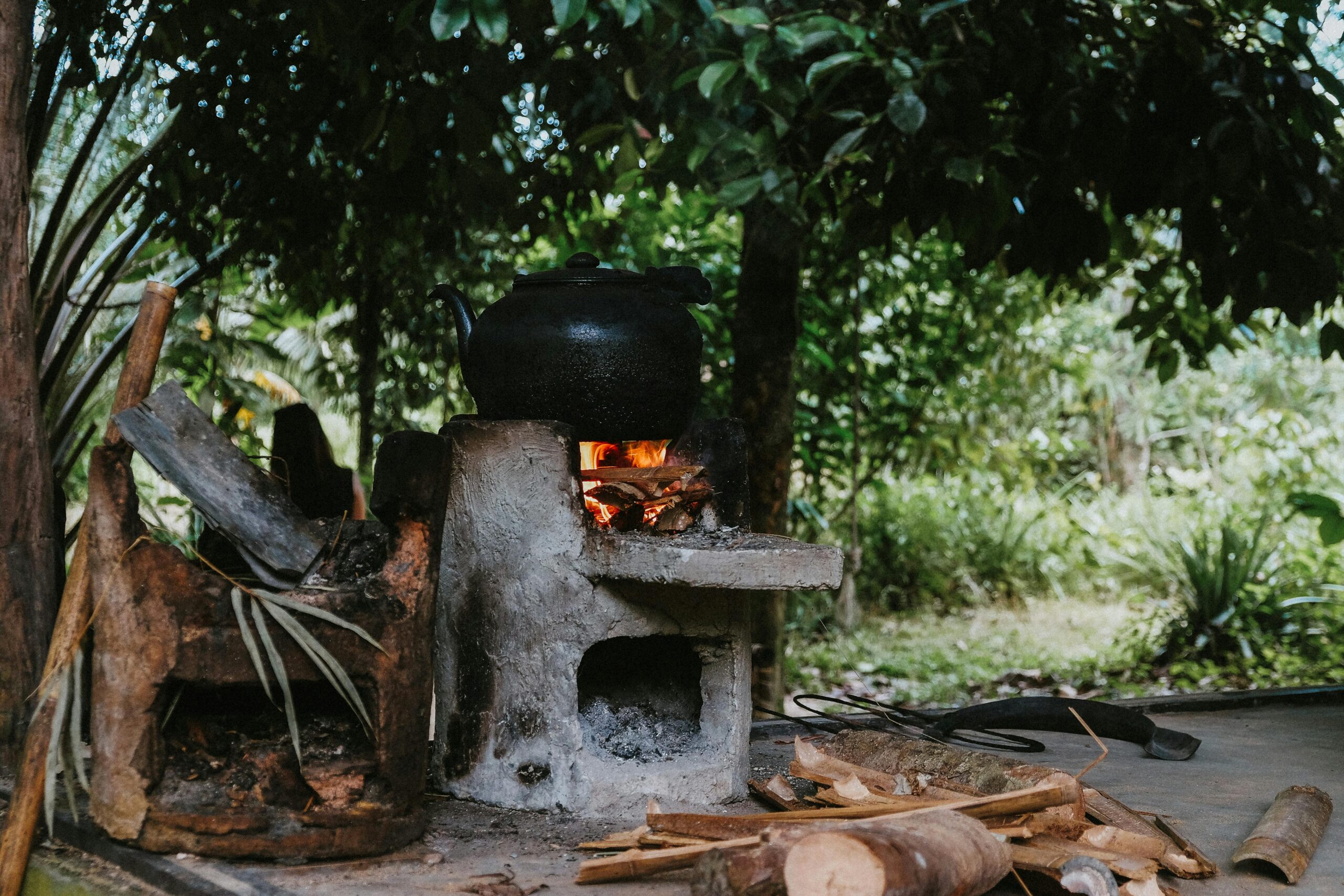
🎯 Making Fireless Cooking Your Sustainable Kitchen Standard
Transitioning from occasional experimentation to consistent practice requires strategic habit formation. Start with one or two familiar dishes you prepare weekly, mastering fireless technique for these before expanding your repertoire. Success builds confidence and motivation, making continued adoption feel natural rather than burdensome.
Designate specific days for fireless cooking initially—perhaps weekends when schedule flexibility accommodates extended cooking times. Gradually increase frequency as the method’s convenience becomes apparent. Many practitioners discover that fireless cooking actually simplifies meal preparation rather than complicating it, particularly when paired with meal planning strategies.
Document your journey through photos, savings calculations, and personal reflections. Sharing experiences via social media, blogs, or community presentations inspires others while reinforcing your own commitment. Environmental action often feels abstract, but fireless cooking provides tangible, measurable impact you can see, feel, and share—transforming sustainability from overwhelming concept to achievable daily practice.
The secret to fireless cooking’s transformative potential lies not in complex technology or expensive equipment but in rediscovering ancient wisdom adapted for modern circumstances. By embracing this elegant solution, you simultaneously reduce expenses, minimize environmental impact, improve nutritional outcomes, and enhance kitchen safety. These multiple benefits converge in one simple practice accessible to virtually anyone, anywhere, regardless of economic status or living situation. Start your fireless cooking journey today and discover how small changes in daily habits create ripples of positive impact extending far beyond your kitchen walls.