Fireless cooking is a game-changing culinary technique that allows you to cook grains and legumes using minimal energy while maximizing flavor and nutrition. ✨

Imagine preparing perfect rice, lentils, or beans without standing over a hot stove for hours. This revolutionary cooking method has been practiced for generations in various cultures, yet it remains surprisingly unknown to many modern home cooks. By harnessing the power of retained heat, you can transform your kitchen routine, reduce your energy bills, and enjoy perfectly cooked grains and legumes with minimal effort.
In today’s world where sustainability and efficiency are paramount, fireless cooking offers an elegant solution to multiple challenges. Whether you’re looking to reduce your carbon footprint, save money on utilities, or simply make cooking more convenient, this ancient-yet-innovative technique deserves a place in your culinary repertoire.
Understanding the Science Behind Fireless Cooking 🔬
Fireless cooking operates on a simple yet brilliant principle: thermal retention. When you bring food to a boil and then insulate it properly, the trapped heat continues cooking the food gradually over time. This method works exceptionally well with grains and legumes because they don’t require constant high heat—they simply need sustained warmth to soften and become tender.
The science is straightforward. Water boils at 212°F (100°C), and most grains and legumes cook perfectly at temperatures between 185-212°F. Once you’ve brought your pot to a vigorous boil, you’ve already achieved the necessary temperature. By removing the pot from heat and insulating it, you maintain temperatures within the optimal cooking range for several hours.
This technique is fundamentally different from slow cooking, which uses continuous low heat. Fireless cooking uses no heat at all after the initial boiling phase, making it incredibly energy-efficient and safe. There’s no risk of burning, no need for monitoring, and no wasted energy.
Essential Equipment for Your Fireless Cooking Journey
Getting started with fireless cooking doesn’t require expensive specialized equipment. Many items you already own can serve as effective insulators. The key is creating an environment that retains heat efficiently around your cooking vessel.
Heavy-Bottomed Pots with Tight-Fitting Lids
The foundation of successful fireless cooking is a quality pot. Heavy-bottomed cookware made from cast iron, stainless steel, or thick aluminum retains heat better than thin pots. The lid must fit tightly to prevent heat escape—this is absolutely crucial for the method to work effectively.
Insulation Materials That Work Wonders
You have numerous options for insulating your pot:
- Blankets and towels: Wool blankets are particularly effective, but thick cotton towels work well too
- Sleeping bags: Perfect insulators that wrap completely around your pot
- Hay boxes: Traditional insulated boxes filled with straw or hay
- Commercial thermal cookers: Purpose-built insulated containers designed specifically for this method
- Coolers: An empty cooler provides excellent insulation when you place your hot pot inside
Creating Your DIY Fireless Cooker 🛠️
Building a simple fireless cooker is an afternoon project that pays dividends for years. Start with a sturdy cardboard box or wooden crate slightly larger than your cooking pot. Line the bottom and sides with several inches of insulation material—crumpled newspaper, straw, old clothing, or even bubble wrap work effectively.
Create a nest for your pot to sit in, ensuring insulation surrounds it on all sides. Have a cushion or pillow ready to place on top once the pot is inside. Some cooks create a hinged lid for their box to make access easier. The goal is to trap heat completely around the pot with minimal air gaps.
Mastering the Fireless Cooking Technique Step by Step
The process is remarkably simple, but attention to detail makes the difference between perfectly cooked food and disappointing results. Follow these steps for consistent success every time.
Preparation Phase
Begin by sorting and rinsing your grains or legumes thoroughly. Soaking beans overnight or grains for a few hours reduces cooking time and improves digestibility, though it’s not absolutely necessary for this method. If you choose to soak, drain and rinse before cooking.
Measure your ingredients carefully. Generally, use a 1:3 ratio for most legumes (one cup legumes to three cups water) and 1:2 for most grains. Add salt, spices, or aromatics at the beginning—the extended cooking time allows flavors to develop beautifully.
The Boiling Phase 🔥
Place your pot on the stove over high heat. Bring the contents to a full, rolling boil—this is essential. Don’t just bring it to a simmer; you need vigorous bubbling throughout the pot. For grains, boil for 5-10 minutes. For legumes, boil for 10-20 minutes depending on the variety.
This initial boiling serves multiple purposes: it raises the temperature throughout the food, kills any harmful bacteria, and begins the cooking process. The longer you boil initially, the less time needed in the insulated environment, though excessive boiling wastes the energy you’re trying to save.
The Transfer Process
Speed is crucial here. Have your insulated container ready before you begin cooking. Once the boiling time is complete, immediately remove the pot from heat, ensuring the lid is secure. Quickly wrap the pot in towels or place it in your insulated cooker. Every second counts—heat loss happens rapidly when the pot is exposed to room temperature air.
Seal your insulation completely. If using blankets, wrap them snugly around the entire pot. If using a box or cooler, close it immediately. The better your insulation, the longer your food retains cooking temperature.
The Waiting Game ⏰
Patience is your final ingredient. Resist the temptation to check on your food too early—each time you open the insulation, you lose precious heat. Most grains need 1-2 hours, while legumes require 3-6 hours depending on their size and whether they were pre-soaked.
The beauty of this method is its flexibility. If you’re not quite ready to eat when the minimum time has passed, the food stays warm and continues to develop flavor. It’s nearly impossible to overcook using this method.
Perfecting Different Grains and Legumes
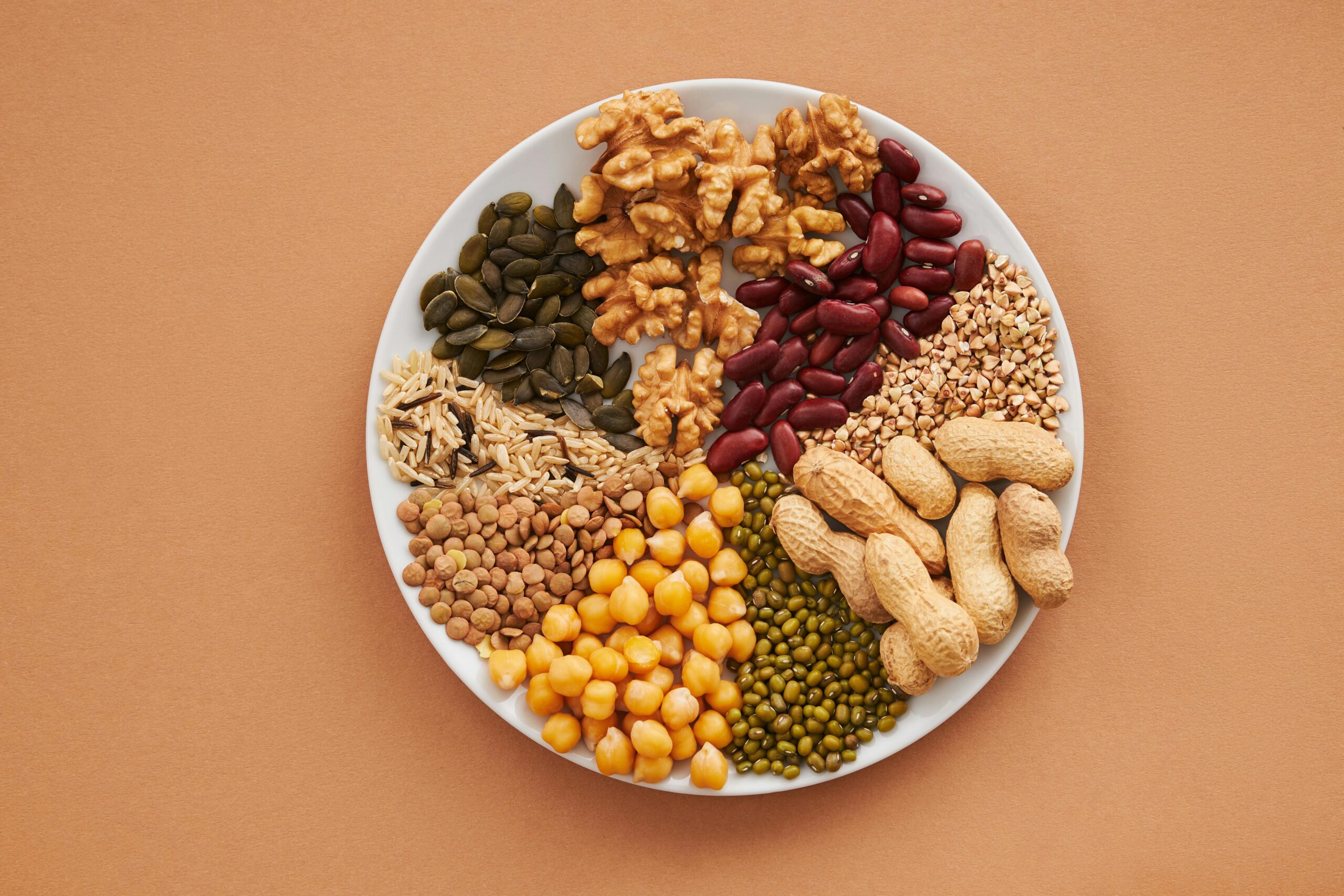
While the basic technique remains consistent, different ingredients benefit from slight adjustments in timing and water ratios. Here’s your guide to fireless cooking success with popular varieties.
Rice: The Perfect Starting Point 🍚
White rice is the easiest grain for fireless cooking beginners. Use a 1:2 ratio (one cup rice to two cups water). Boil vigorously for 5 minutes, then insulate for 45-60 minutes. Brown rice requires more water (1:2.5 ratio) and longer times—boil for 10 minutes and insulate for 2-3 hours.
Quinoa and Other Ancient Grains
Quinoa cooks quickly with fireless methods. Use a 1:2 ratio, boil for 5 minutes, and insulate for 30-45 minutes. Farro and barley need more time—boil 10 minutes and insulate for 1.5-2 hours. These grains develop wonderfully nutty flavors with the extended cooking time.
Lentils: Fast and Forgiving
Red and yellow lentils are the speediest legumes. Boil for 10 minutes and insulate for 1-2 hours. Green and brown lentils need slightly longer—boil 15 minutes and insulate for 2-3 hours. Pre-soaking isn’t necessary for lentils, making them perfect for spontaneous cooking.
Beans That Bloom Beautifully 🫘
Larger beans require more patience but reward you with creamy textures. Black beans, pinto beans, and chickpeas benefit greatly from overnight soaking. After soaking, boil vigorously for 15-20 minutes, then insulate for 4-6 hours. Kidney beans must boil for at least 15 minutes to eliminate toxins before insulating.
| Ingredient | Water Ratio | Boil Time | Insulation Time |
|---|---|---|---|
| White Rice | 1:2 | 5 minutes | 45-60 minutes |
| Brown Rice | 1:2.5 | 10 minutes | 2-3 hours |
| Quinoa | 1:2 | 5 minutes | 30-45 minutes |
| Red Lentils | 1:3 | 10 minutes | 1-2 hours |
| Black Beans (soaked) | 1:3 | 15 minutes | 4-6 hours |
| Chickpeas (soaked) | 1:3 | 20 minutes | 5-6 hours |
Troubleshooting Common Fireless Cooking Challenges
Even experienced cooks occasionally encounter issues. Understanding common problems and their solutions ensures consistent results.
Undercooked Results
If your grains or legumes aren’t fully tender after the recommended time, the most likely culprit is inadequate insulation or heat loss during transfer. Next time, add more insulating material, work faster during the transfer phase, or increase your initial boiling time by 5 minutes. You can also return the pot to heat, bring it back to a boil briefly, and re-insulate for another hour.
Mushy or Overcooked Texture
This problem usually stems from too much water. Reduce your water ratio slightly next time. Remember that fireless cooking doesn’t allow water to evaporate, so you need less liquid than traditional stovetop methods. Some absorption happens during soaking too, so account for pre-soaked ingredients needing less cooking water.
Inconsistent Results
Temperature variations in your starting water, differences in ingredient age and storage conditions, and inconsistent insulation all affect outcomes. Use boiling water when possible, buy grains and legumes from sources with good turnover, and standardize your insulation method. Keep notes on what works best in your kitchen.
Maximizing Flavor in Your Fireless Creations 🌿
The extended, gentle cooking time of fireless methods creates unique opportunities for flavor development. Aromatics and spices have time to infuse deeply into every grain and bean.
Add whole spices like cinnamon sticks, bay leaves, or star anise to your pot before boiling. These release their essence slowly during the insulation period. Fresh herbs like thyme or rosemary can go in at the beginning, while delicate herbs like cilantro or basil should be added after cooking.
Cooking grains in broth instead of water creates profound flavor differences. Coconut milk transforms rice into a creamy, luxurious dish. A splash of soy sauce or miso paste added before boiling gives earthy depth to legumes. Tomato paste, garlic, and onions create a savory base for beans that taste like they’ve simmered for hours.
Salt your cooking water adequately—about one teaspoon per cup of dry ingredients. The extended cooking time allows salt to season throughout rather than just coating the surface.
Energy Savings and Environmental Impact 🌍
The environmental and economic benefits of fireless cooking become dramatic when you calculate actual energy savings. A typical stovetop burner uses 1-3 kilowatts per hour. Cooking rice conventionally might use your burner for 20-30 minutes, while beans could simmer for 1-2 hours.
Fireless cooking reduces active cooking time by 70-90%. You use energy only for the initial boiling phase, typically 5-20 minutes depending on the ingredient. For a family cooking rice five times per week, this could save 50-75 hours of burner time annually, translating to significant reductions in electricity or gas bills.
Beyond personal savings, widespread adoption of fireless cooking would reduce global energy demand. In regions where cooking fuel is scarce or expensive, this method provides genuine food security benefits. Many developing world programs teach fireless cooking as a sustainable solution to deforestation caused by cooking fuel gathering.
Adapting Fireless Cooking for Modern Lifestyles
The beauty of fireless cooking lies in its compatibility with busy schedules. Start your grains or legumes before leaving for work in the morning, insulate them properly, and return home to perfectly cooked food still warm and ready to eat. This makes meal prep effortless without relying on electricity-hungry slow cookers or pressure cookers.
Batch cooking becomes even more efficient. Prepare large quantities of beans or grains on weekends using fireless methods. While one pot insulates, you can prepare another, multiplying your output without multiplying your active cooking time or energy use.
The method also shines during hot summer months when heating your kitchen becomes uncomfortable. The minimal stovetop time keeps your home cooler, reducing air conditioning costs and improving comfort.
Safety Considerations and Best Practices ⚠️
Fireless cooking is inherently safe, but following proper food safety principles ensures healthy results. Always bring your food to a full boil initially—this kills harmful bacteria. Don’t let food sit at lukewarm temperatures, which encourages bacterial growth. If your insulation isn’t adequate to keep food hot for the required time, the method isn’t appropriate for that particular setup.
When cooking beans, remember that kidney beans contain toxins that must be destroyed by vigorous boiling. Never use fireless methods with kidney beans unless you’ve boiled them hard for at least 15 minutes first.
Check that your cooked food reaches safe internal temperatures before eating. Grains and legumes should be steaming hot throughout when you open your insulated cooker. If they’ve cooled too much, reheat them to boiling on your stove before consuming.
Expanding Beyond Basics: Creative Applications
Once you’ve mastered simple grains and legumes, experiment with complete one-pot meals. Add chopped vegetables, proteins, or dried fruits before insulating. The gentle cooking preserves nutrients better than high-heat methods while developing complex flavors.
Oatmeal becomes breakfast perfection with fireless cooking. Combine oats, milk or water, dried fruits, and spices before bed. Boil briefly, insulate overnight, and wake to creamy, perfectly cooked porridge. The extended cooking time breaks down oats completely, creating luxurious texture without any morning effort.
Soups and stews also adapt beautifully. Bring your soup to a boil, ensuring all ingredients are hot throughout, then insulate for several hours. Flavors meld magnificently, and tough vegetables become tender without losing their structure.
Building Community Around Sustainable Cooking Methods 💚
Sharing your fireless cooking discoveries creates ripples of positive impact. Teaching friends and family this method multiplies its environmental benefits while strengthening community bonds. Consider organizing cooking demonstrations at community centers, libraries, or schools.
Document your experiments and results. Take photos of your setup, keep timing notes, and share successes on social media. Your experiences help others overcome the learning curve and build confidence in this unconventional approach.
Many online communities focus on energy-efficient and sustainable cooking. Joining these groups provides inspiration, troubleshooting help, and connection with like-minded cooks worldwide. You’ll discover regional variations, historical contexts, and innovative adaptations that enrich your practice.
Transforming Your Kitchen One Pot at a Time
Fireless cooking represents more than just an alternative cooking method—it’s a philosophy of resourcefulness, patience, and mindful living. In our fast-paced world dominated by instant gratification and energy-intensive appliances, this gentle technique offers a refreshing counterpoint.
The initial learning curve requires some experimentation and adjustment. Your first attempts might not achieve perfection, but each iteration teaches you about heat retention, timing, and your specific equipment. Within a few weeks, fireless cooking becomes second nature, seamlessly integrated into your routine.
The cumulative benefits—energy savings, reduced kitchen heat, superior flavors, convenient timing, and environmental impact—make this ancient method remarkably relevant for modern challenges. You’re not just cooking differently; you’re participating in a more sustainable relationship with food, energy, and resources.
Start today with something simple. Cook rice for dinner using fireless methods. Notice the minimal effort, the energy savings, and the satisfying results. Then expand gradually to other grains and legumes. Build or acquire better insulation over time. Share your discoveries with others. Each pot you cook fireless contributes to a more sustainable future while improving your daily life.
The magic of fireless cooking isn’t really magic at all—it’s applied physics, traditional wisdom, and common sense combined into an elegant solution. By embracing this technique, you revolutionize your kitchen in the truest sense: returning to time-tested methods that our energy-abundant culture temporarily forgot, but desperately needs to remember.