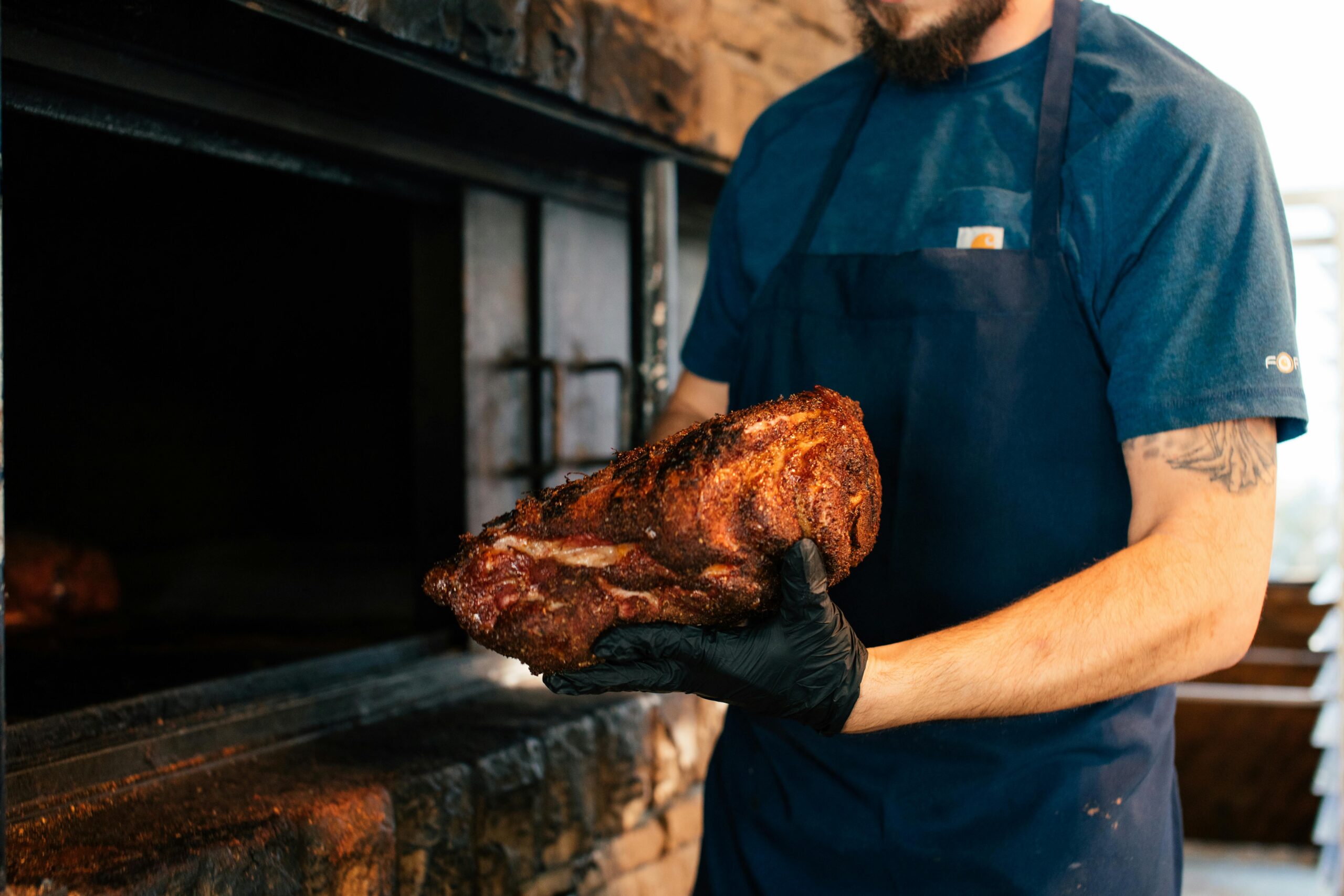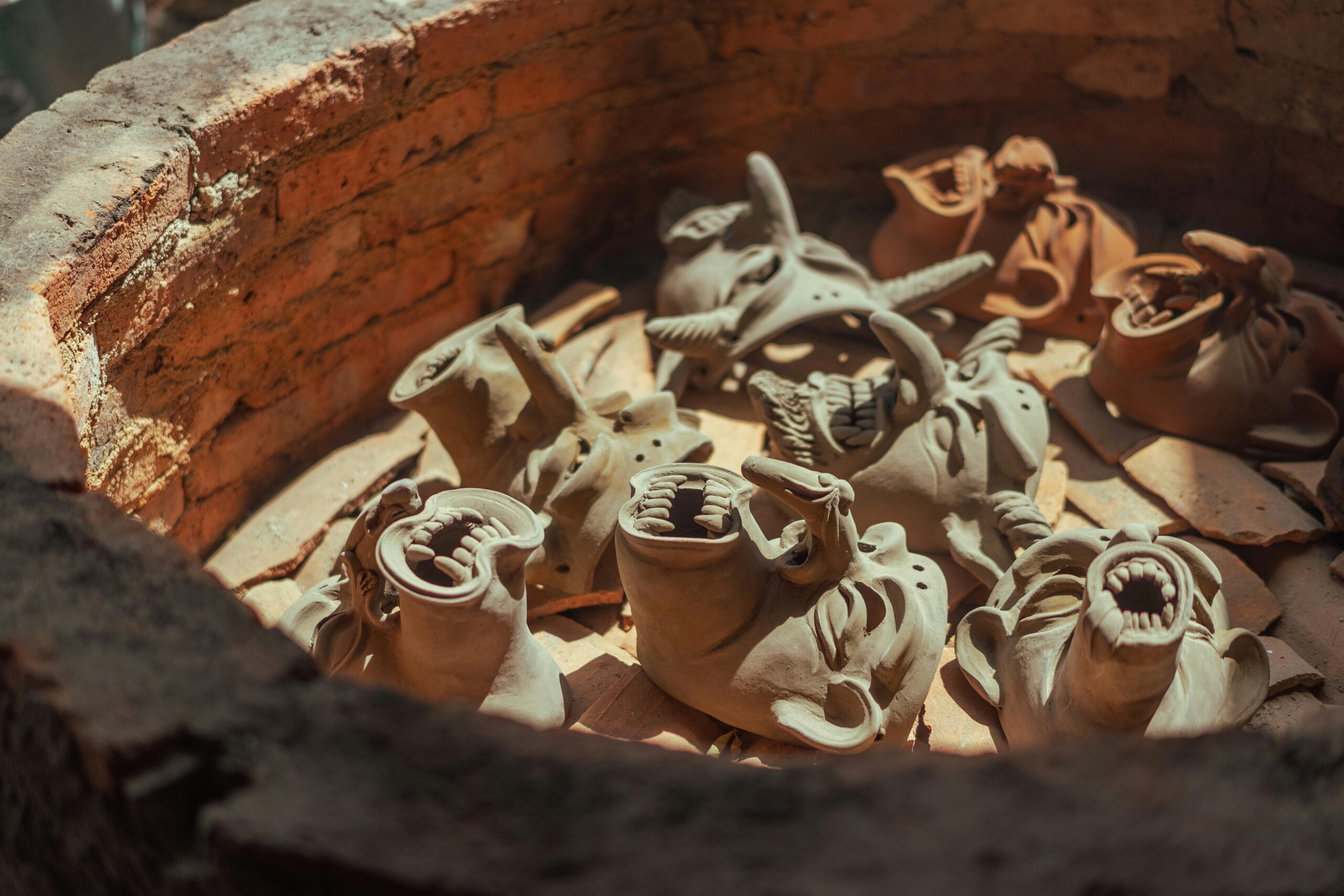
Clay pit roasting represents one of humanity’s oldest cooking methods, bridging ancient traditions with modern culinary practices through earth, fire, and community gathering.

🔥 The Ancient Art of Underground Cooking
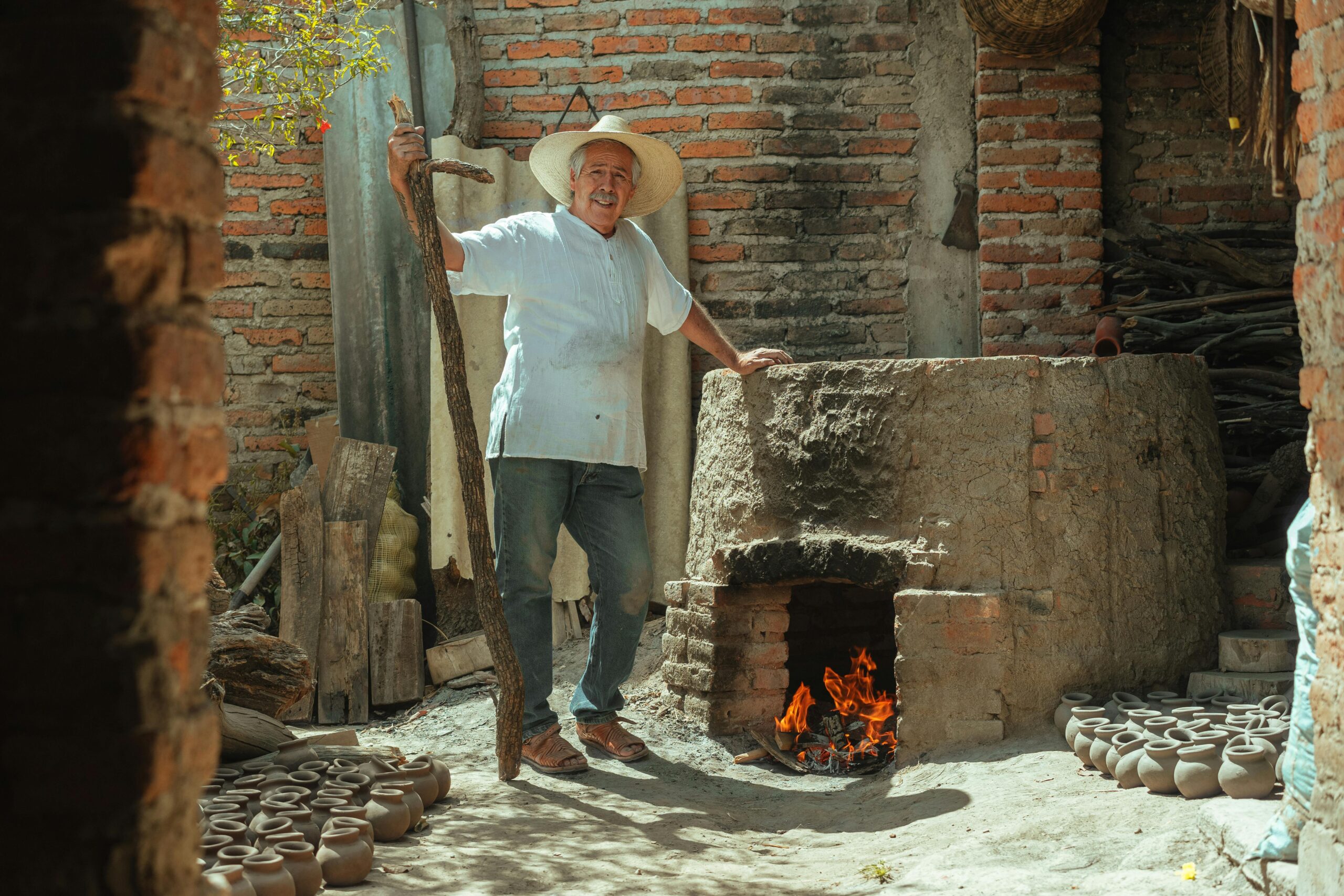
Long before the invention of modern ovens and grills, our ancestors discovered that the earth itself could become a powerful cooking vessel. Clay pit roasting, also known as earth oven cooking, emerged independently across multiple continents, from the Pacific Islands to the Americas, from Africa to Asia. This cooking method involves digging a pit into the ground, lining it with stones or clay, building a fire to heat the pit, and then using the retained heat to slow-cook food wrapped in leaves or other natural materials.
The beauty of this technique lies in its simplicity and effectiveness. The earth acts as insulation, creating an environment where heat distributes evenly and moisture remains trapped, resulting in incredibly tender, flavorful food. But beyond its practical culinary benefits, clay pit roasting has always been about more than just preparing a meal—it’s a ceremonial act that brings people together and honors cultural heritage.
Cultural Significance Across Continents
The ceremonial importance of clay pit roasting cannot be overstated. In Polynesian cultures, the imu (Hawaiian) or umu (Samoan) serves as the centerpiece for luaus and family celebrations. The preparation of the pit itself becomes a communal activity where knowledge passes from elders to younger generations, ensuring traditions survive through centuries.
In New Zealand, the Māori hangi represents not just a cooking method but a sacred ritual connecting people to the land, or whenua. The process of preparing a hangi involves careful selection of stones, proper arrangement of food baskets, and timing that comes from generations of accumulated wisdom. Each hangi tells a story, marking significant life events such as weddings, funerals, and tribal gatherings.
The Latin American Pachamanca Tradition
In the Andean regions of Peru, the pachamanca ceremony honors Pachamama, or Mother Earth. The name itself translates to “earth pot,” and the ritual involves offering the first portions of food to the earth as gratitude before the community feast begins. This practice, dating back to the Inca Empire, continues to thrive in modern Peru, particularly during festivals and agricultural celebrations.
Participants carefully layer marinated meats, potatoes, corn, and fava beans between hot stones and aromatic herbs like huacatay and chincho. The pit is sealed with earth and grass, creating a pressure-cooking environment that infuses the food with smoky, earthy flavors unique to this method. The waiting period becomes a time for storytelling, music, and strengthening social bonds.
The Technical Mastery Behind the Method 🌍
While clay pit roasting might appear straightforward, mastering the technique requires understanding geology, thermodynamics, and food science. The type of stones used matters enormously—volcanic rocks like basalt retain heat exceptionally well and won’t explode when subjected to extreme temperatures. River rocks, conversely, often contain moisture that can cause dangerous fracturing when heated.
The pit dimensions depend on the quantity of food and the desired cooking time. A typical ceremonial pit might measure three to four feet in diameter and two to three feet deep. The fire burns for several hours, heating the stones to temperatures exceeding 600 degrees Fahrenheit. Once the wood burns down to coals, the stones radiate stored heat for extended periods, creating the perfect slow-cooking environment.
Layering: The Science of Flavor
The arrangement of food within the pit follows specific principles that maximize flavor transfer and ensure even cooking. Root vegetables typically go closest to the heat source, as they require longer cooking times and higher temperatures. Meats occupy the middle layers, often wrapped in leaves that add aromatic compounds while protecting the protein from direct heat.
Delicate items like fish or vegetables with high water content sit in the upper layers where temperatures remain moderate. The covering material—whether banana leaves, ti leaves, corn husks, or wet burlap—creates steam that circulates throughout the pit, basting the food continuously and preventing dryness.
Communal Bonding Through Shared Labor
The preparation of a clay pit roast inherently requires multiple hands and diverse skills, making it a natural catalyst for community building. Someone must dig the pit with proper dimensions and drainage. Others gather stones, ensuring they’re the right type and size. A fire tender manages the initial burn, maintaining consistent heat for several hours. Meanwhile, additional team members prepare the food, wrapping each item with care and intention.
This division of labor creates interdependence—no single person can successfully complete a clay pit roast alone. The shared responsibility fosters cooperation and conversation, breaking down social barriers as people work toward a common goal. Elders supervise and teach, sharing techniques they learned decades earlier, while children observe and assist, absorbing lessons they’ll one day pass to their own descendants.
The Waiting as Sacred Time
Once the pit is sealed and the food begins its slow transformation underground, the community enters a unique temporal space. The waiting period, typically four to eight hours, cannot be rushed or abbreviated. This enforced pause in our hurried modern world creates opportunities for meaningful interaction that might not otherwise occur.
Stories emerge during this time—family histories, tribal legends, personal experiences that shape collective identity. Musical traditions continue as songs accompany the wait. Games and activities engage children while adults discuss matters affecting the community. The anticipation itself becomes part of the ceremonial experience, building excitement and appreciation for the feast to come.
Spiritual and Ritualistic Dimensions ✨
Many cultures that practice clay pit roasting infuse the process with spiritual significance. The act of returning food to the earth for cooking symbolizes gratitude to the land that provides sustenance. Prayers and blessings often accompany each stage, from lighting the fire to sealing the pit to unveiling the cooked food.
In some Indigenous Australian communities, the kap mari (ground oven) preparation involves Dreamtime stories that connect participants to ancestral knowledge. The Wampanoag people of northeastern North America conduct the appanaug (clambake) with ceremonies honoring the relationship between people and the ocean’s bounty. These spiritual elements transform cooking into a sacred act of reciprocity with nature.
Life Cycle Celebrations
Clay pit roasting frequently marks significant life transitions. Birth celebrations in many Pacific Island cultures include an imu feast welcoming the new family member into the community. Coming-of-age ceremonies often feature the young person participating in their first complete pit roast preparation, demonstrating their readiness for adult responsibilities.
Wedding feasts prepared in earth ovens symbolize the merging of families and the building of new community connections. Funeral ceremonies use the method to honor the deceased, with the communal meal serving as a time for collective grieving and memory sharing. These milestone events gain deeper meaning through the deliberate, time-intensive process of clay pit cooking.
Modern Adaptations and Revival Movements
While industrialization and urbanization threatened many traditional cooking methods, recent decades have witnessed a renaissance in clay pit roasting. Cultural preservation efforts emphasize maintaining these practices as living traditions rather than museum relics. Indigenous communities worldwide actively teach younger generations the techniques and cultural context surrounding earth oven cooking.
Simultaneously, the farm-to-table movement and interest in sustainable cooking methods have introduced clay pit roasting to new audiences. Chefs at high-end restaurants experiment with earth oven techniques, creating fusion dishes that honor traditional methods while appealing to contemporary palates. Cooking schools and workshops teach the fundamentals, attracting participants seeking authentic connections to food preparation.
Environmental Benefits in Contemporary Context
Clay pit roasting aligns remarkably well with modern environmental concerns. The method requires no electricity or fossil fuels beyond the initial wood fire, which can utilize sustainable timber or agricultural waste. The cooking process produces minimal carbon emissions compared to conventional ovens. Food waste decreases because the slow, gentle cooking salvages even tough cuts of meat and aging vegetables.
The technique also encourages local sourcing—participants typically use ingredients available within their immediate region, reducing transportation impacts. Seasonal eating becomes natural when communities gather to cook whatever the land currently provides. These environmental advantages make clay pit roasting relevant for contemporary sustainability discussions while honoring ancestral wisdom.
Educational Value and Skills Transmission 📚
The knowledge required for successful clay pit roasting encompasses multiple disciplines. Participants learn geology by identifying appropriate stones. They understand fire management and heat transfer principles. Botany knowledge helps in selecting proper wrapping leaves and aromatic herbs. Food safety awareness ensures proper temperature maintenance and cooking times.
This multidisciplinary learning happens organically through participation rather than formal instruction. The hands-on nature makes lessons memorable and practical. Children who help prepare clay pit roasts develop patience, teamwork skills, and cultural pride. They learn that valuable knowledge doesn’t always come from books or screens but from lived experience and intergenerational exchange.
Reclaiming Cultural Identity
For communities whose traditions faced suppression or erosion, reviving clay pit roasting practices represents an act of cultural reclamation. Indigenous groups particularly recognize earth oven cooking as a tangible connection to ancestral ways of life. The physical act of digging into the earth and using fire becomes a statement of resilience and cultural continuity.
Language revitalization often accompanies these cooking revivals. Traditional names for ingredients, tools, and techniques re-enter active vocabulary. Songs and chants specific to the cooking process get performed again. The clay pit becomes a classroom where culture transmits holistically through action, language, story, and taste.
The Flavors That Define Community
The taste of clay pit-roasted food carries distinct characteristics impossible to replicate with modern appliances. The combination of smoke, earth, and steam creates complex flavor profiles that vary based on local ingredients and techniques. Meats develop a tender texture with crispy, caramelized edges. Vegetables absorb smoky notes while retaining natural sweetness.
But beyond the physical taste, these foods carry emotional and cultural flavors. The meal tastes of collaboration, patience, and tradition. It carries the flavor of stories told while waiting, of hands working together, of ancestors remembered and honored. This ineffable quality makes clay pit-roasted food meaningful beyond its nutritional value.
Challenges and Considerations for Modern Practice
Contemporary practitioners face obstacles unknown to their ancestors. Urban regulations often prohibit open fires and ground disturbance, limiting where clay pit cooking can occur. Access to appropriate land becomes problematic for disconnected communities. Food safety regulations, while important, sometimes conflict with traditional preparation methods.
Time constraints present another challenge. The hours required for proper clay pit roasting don’t align easily with modern schedules. Gathering sufficient participants can prove difficult when families live scattered and work demands compete for attention. These practical barriers require creative solutions and strong commitment to maintain traditions.
Balancing Authenticity and Adaptation
Communities must navigate between preserving authentic traditional methods and making necessary adaptations for contemporary contexts. Some embrace modifications like using metal grates or commercial wrapping materials when traditional options aren’t available. Others maintain strict adherence to ancestral techniques, viewing any change as dilution of cultural integrity.
This tension reflects broader questions about cultural evolution and preservation. Most successful revival efforts find middle ground—maintaining core ceremonial elements and underlying principles while accepting practical modifications that make continued practice feasible. The goal becomes keeping traditions alive and relevant rather than creating museum pieces disconnected from daily life.
Building Your Own Clay Pit Roasting Tradition 🌟
Those interested in experiencing clay pit roasting don’t necessarily need ancestral connections to the practice. The method welcomes anyone willing to learn respectfully and invest the necessary time and effort. Start by researching which tradition resonates with your location or heritage. Connect with cultural practitioners who can provide guidance and context.
Gather a community of interested participants—friends, family, neighbors who share curiosity about this cooking method. The communal aspect remains essential; attempting clay pit roasting alone misses the core purpose. Find appropriate land where you have permission to dig, considering fire safety regulations in your area.
Begin with a smaller, simpler pit before attempting elaborate ceremonial feasts. Learn from initial attempts, adjusting techniques based on results. Document your experiences, creating new memories and stories that will define your community’s relationship with this ancient practice. The tradition you build might become the heritage you pass to future generations.
The Enduring Power of Earth, Fire, and Fellowship
Clay pit roasting persists across millennia because it addresses fundamental human needs beyond mere sustenance. The practice connects us to the earth in a direct, physical way increasingly rare in modern life. It slows us down, demanding patience in an age of instant gratification. It requires cooperation, building social bonds that strengthen communities.
The ceremonial aspects remind us that eating can be sacred, that preparing food deserves intention and respect. The communal nature challenges our individualistic tendencies, demonstrating that some of life’s most satisfying experiences happen through collective effort. The transmission of knowledge across generations provides continuity and purpose, linking past, present, and future.
As we face environmental challenges and social fragmentation, perhaps we need clay pit roasting now more than ever. Not as nostalgia or regression, but as a practice that embodies sustainable values, community resilience, and cultural richness. When we dig into the earth, heat stones with fire, and share food cooked through collective effort, we participate in something timeless that nonetheless speaks powerfully to contemporary needs.
The smoke rising from a clay pit carries more than cooking aromas—it carries tradition, community, and the enduring human capacity to create meaning through shared ritual. Every pit dug, every stone heated, every meal shared continues stories that began thousands of years ago and will hopefully continue for thousands more.