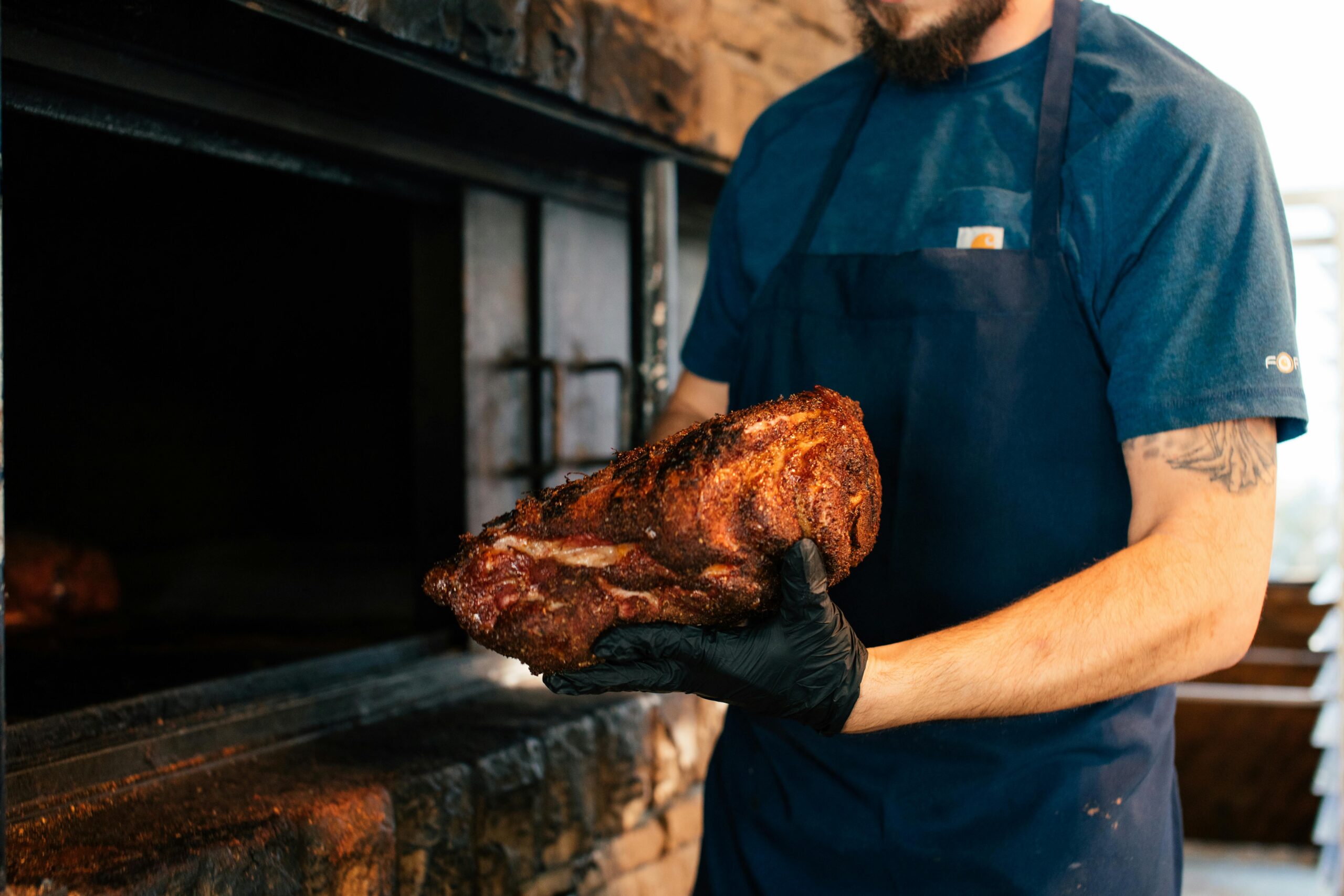
The age-old debate between clay pit cooking and open fire methods continues to captivate culinary enthusiasts worldwide, each technique offering distinct advantages.

🔥 The Ancient Art of Fire-Based Cooking
For millennia, humans have harnessed fire to transform raw ingredients into delicious, nourishing meals. Both clay pit and open fire cooking methods represent fundamental approaches that have shaped culinary traditions across cultures. Understanding the nuances between these techniques reveals not just cooking differences, but philosophical approaches to food preparation that impact flavor, nutrition, and the overall dining experience.
Clay pit cooking, often called earth oven or underground cooking, involves creating a heated chamber within the ground using hot stones and earth as insulation. Open fire cooking, conversely, exposes food directly to flames and radiant heat from burning wood or charcoal. Both methods have passionate advocates who swear by their preferred technique’s superiority.
Understanding Clay Pit Cooking: The Underground Marvel
Clay pit cooking represents one of humanity’s most ingenious culinary innovations. This method involves digging a pit, heating stones with fire, placing food within the heated cavity, and covering everything with earth to trap heat. The result? A natural convection oven that cooks food slowly and evenly through retained heat.
Traditional cultures worldwide have perfected variations of this technique. The Hawaiian imu, Polynesian umu, Mexican barbacoa pit, and New England clambake all demonstrate clay pit cooking’s universal appeal. Each culture adapted the basic principle to local ingredients, climate conditions, and culinary preferences.
The Science Behind Clay Pit Excellence
The effectiveness of clay pit cooking stems from thermodynamic principles that create ideal cooking conditions. When properly constructed, the pit functions as a highly efficient thermal battery. Heated stones release energy gradually, maintaining consistent temperatures between 250-350°F for extended periods without additional fuel.
This steady heat environment promotes several beneficial cooking processes simultaneously. Proteins denature slowly, preventing toughening while breaking down connective tissues into gelatin. Starches gelatinize thoroughly, creating tender textures. Natural moisture from ingredients creates steam within the sealed environment, preventing dryness while intensifying flavors.
The surrounding earth acts as perfect insulation, minimizing heat loss while protecting food from direct flame exposure. This indirect heat method reduces burning risks and distributes thermal energy uniformly around food items, eliminating hot spots that plague other cooking methods.
Open Fire Cooking: Primal Power Unleashed
Open fire cooking appeals to something primal within us—the direct relationship between flame and food. This method involves exposing ingredients to radiant heat, convective currents, and sometimes direct flame contact. The approach ranges from simple stick-spearing over campfires to sophisticated asado crosses and adjustable grilling systems.
Unlike clay pit cooking’s enclosed environment, open fire methods provide constant visual feedback. Cooks can monitor food transformation in real-time, adjusting positions, rotating items, and modifying heat intensity by adding or removing fuel. This hands-on approach creates an engaging, interactive cooking experience that many find deeply satisfying.
The Maillard Reaction Advantage 🥩
Open fire cooking excels at creating the Maillard reaction—the chemical process responsible for browning and developing complex flavors in proteins and carbohydrates. High surface temperatures (300-500°F+) trigger hundreds of flavor compounds that create the characteristic crust, caramelization, and smoky notes associated with grilled foods.
Direct flame exposure adds another dimension: smoke flavoring. As wood combusts, it releases aromatic compounds that penetrate food surfaces, imparting distinctive regional characteristics. Mesquite produces bold, earthy notes. Hickory delivers robust, bacon-like flavors. Fruitwoods like apple and cherry contribute subtle sweetness.
The variability inherent in open fire cooking—changing temperatures, flame intensity, smoke density—creates complexity impossible to replicate with controlled heat sources. Each cooking session becomes unique, influenced by wood type, weather conditions, and the cook’s skill in managing fire dynamics.
Heat Distribution: A Critical Comparison
Temperature control represents perhaps the most significant difference between these cooking methods. Clay pit cooking provides remarkably stable temperatures once established. After the initial heating phase, temperature fluctuations remain minimal throughout multi-hour cooking sessions. This consistency ensures predictable results and reduces the risk of over or undercooking.
Open fire cooking presents greater temperature variability. Flames fluctuate as wood burns, creating temperature swings that require constant attention and adjustment. However, this variability also offers flexibility—cooks can create different heat zones for simultaneous cooking at various temperatures, searing steaks over intense heat while slow-roasting vegetables at cooler edges.
Energy Efficiency Considerations
Clay pit cooking demonstrates superior energy efficiency. Once stones reach optimal temperature, the sealed environment retains heat for hours without additional fuel. A single firing can cook complete meals for dozens of people using relatively modest fuel quantities. The earth’s insulating properties prevent energy waste, directing thermal resources entirely toward food preparation.
Open fire cooking consumes fuel continuously throughout the cooking process. Maintaining appropriate temperatures requires steady wood or charcoal supply, with significant heat energy radiating away rather than transferring to food. For extended cooking sessions, fuel consumption can become substantial, making open fire methods less efficient from purely thermodynamic perspectives.
Flavor Profiles: Where Magic Happens ✨
Flavor development distinguishes these methods most dramatically. Clay pit cooking produces incredibly tender, juicy results with concentrated natural flavors. The sealed environment traps moisture and aromatic compounds, preventing evaporation while encouraging flavor concentration. Ingredients essentially braise in their own juices, creating succulent textures and deep, unified flavor profiles.
The gentle, even heat prevents flavor compounds from breaking down or volatilizing. Delicate herbs, aromatic vegetables, and subtle seasonings maintain their integrity rather than burning away. The result tastes clean, pure, and intensely of the ingredients themselves rather than the cooking medium.
Open fire cooking creates bold, complex flavor layers through char, smoke, and caramelization. The high-heat searing locks in surface flavors while creating textural contrasts between crispy exteriors and tender interiors. Smoke penetration adds aromatic depth that becomes integral to the dish’s identity—think authentic barbecue, Argentine asado, or Japanese robatayaki.
Texture and Moisture Retention
Clay pit cooking excels at moisture retention. The humid, enclosed environment prevents surface drying, resulting in exceptionally juicy meats and tender vegetables. Tough cuts with significant connective tissue become fall-apart tender through prolonged gentle heat exposure. Root vegetables develop creamy textures while maintaining structural integrity.
Open fire methods sacrifice some moisture through evaporation but compensate with textural variety. Properly executed open fire cooking creates desirable crusts and char while maintaining juicy interiors. The key lies in technique—high initial heat for searing, followed by indirect heat for finishing, or constant rotation to balance surface browning with internal cooking.
Practical Considerations and Setup Requirements
Implementing clay pit cooking requires significant preparation. Pit excavation, stone collection, fire building, and heating consume several hours before cooking begins. The process demands planning—once sealed, the pit can’t be easily opened to check progress or make adjustments. This commitment suits large gatherings and special occasions rather than everyday meals.
Materials matter considerably. Volcanic rocks work ideally because they retain heat effectively without exploding when heated. The pit size must match food quantity. Proper layering—hot stones, protective barriers (banana leaves, burlap, seaweed), food, additional barriers, and earth covering—requires knowledge and experience for optimal results.
Open Fire Accessibility and Versatility
Open fire cooking offers greater accessibility and flexibility. Setup ranges from simple campfire rings requiring only gathered wood to elaborate outdoor kitchens with built-in features. Cooking can begin within minutes of fire ignition, making the method practical for spontaneous meals and regular use.
The technique scales easily from solo meals to large gatherings. Fire size adjusts to cooking needs—small fires for quick items, larger sustained fires for slow-cooking projects. Equipment options range from basic sticks and rocks to sophisticated grilling grates, rotisseries, and adjustable height systems.
However, open fire cooking demands attention and skill development. Managing fire intensity, positioning food appropriately, and timing additions require practice. Weather conditions—wind, rain, temperature—affect fire behavior, adding variables that cooks must navigate through experience.
Cultural and Social Dimensions 🌍
Both cooking methods carry deep cultural significance that transcends mere food preparation. Clay pit cooking often accompanies ceremonial occasions, community celebrations, and cultural preservation efforts. The labor-intensive process encourages communal participation—digging, stone gathering, food preparation, and pit construction become shared experiences that strengthen social bonds.
The anticipation built during hours-long cooking creates event atmosphere. Opening the pit becomes a ceremonial moment, releasing aromatic steam and revealing transformed ingredients to gathered participants. This theatrical element adds value beyond nutrition, creating memorable experiences and reinforcing cultural identity.
Open fire cooking fosters different but equally valuable social dynamics. The visible, accessible fire naturally draws people together. Watching flames, discussing techniques, and sharing cooking duties creates informal gathering spaces. The immediate nature allows for conversation and interaction throughout the cooking process rather than waiting for a final reveal.
Environmental and Sustainability Factors
From environmental perspectives, both methods present advantages and challenges. Clay pit cooking’s efficiency means less overall fuel consumption for given food quantities. Using heated stones as thermal batteries reduces wood requirements compared to maintaining open fires for equivalent cooking times. The low-tech approach requires no manufactured equipment or energy inputs beyond sustainable wood harvesting.
However, pit excavation impacts ground, and repeated use in the same location can cause soil disturbance. Site selection matters—avoiding sensitive ecosystems, ensuring proper restoration, and following leave-no-trace principles when appropriate.
Open fire cooking’s continuous fuel consumption creates larger carbon footprints for extended cooking sessions. Smoke production contributes to air quality concerns, particularly in enclosed or urban settings. However, using sustainably harvested wood, employing efficient fire construction techniques, and choosing appropriate wood species can minimize environmental impacts.
Safety Considerations and Risk Management ⚠️
Clay pit cooking presents fewer active safety risks once sealed. The underground location contains fire, reducing wildfire risks and burn hazards. However, excavation requires physical capability and proper tools. Stone selection matters critically—certain rock types can explode when heated due to trapped moisture. Opening hot pits demands caution to avoid steam burns.
Open fire cooking requires constant vigilance. Exposed flames present burn risks, particularly with children present. Sparks and embers can ignite surroundings, necessitating cleared perimeters and fire suppression equipment nearby. Wind conditions affect flame behavior unpredictably. Food positioning near intense heat demands respect and careful movement to prevent accidents.
The Verdict: Choosing Your Cooking Champion
Declaring an absolute winner oversimplifies this comparison. Both methods excel in different contexts, serving distinct purposes and preferences. Clay pit cooking delivers unmatched tenderness, moisture retention, and fuel efficiency for large-scale cooking projects. The method suits patient cooks planning celebratory feasts where cooking becomes part of the event experience.
Open fire cooking provides versatility, immediate feedback, and bold flavors for everyday use and varied applications. The approach rewards skill development while offering therapeutic engagement with elemental cooking processes. For those craving crispy crusts, smoky depth, and interactive cooking experiences, open fire methods deliver consistently.
The ultimate cooking power doesn’t reside in either method exclusively but in understanding when each approach serves best. Skilled outdoor cooks recognize both techniques as valuable tools, selecting methods based on ingredients, occasion, available time, and desired outcomes.
Blending Traditions for Modern Applications 🔄
Contemporary cooking increasingly combines traditional methods with modern understanding. Some cooks pre-sear proteins over open fire before finishing in clay pits, capturing both caramelization and moisture retention benefits. Others use pit cooking for base ingredients while finishing with quick open fire exposure for textural contrast.
This hybrid approach acknowledges that cooking excellence rarely follows rigid rules. Instead, it emerges from understanding principles, respecting traditions, and thoughtfully adapting techniques to specific situations. Both clay pit and open fire cooking offer lessons in patience, observation, and working with natural processes rather than against them.
Mastering Your Chosen Method: Practical Tips
For those drawn to clay pit cooking, start small. Practice pit construction and stone selection before attempting large projects. Document temperature patterns, timing, and results to build knowledge. Connect with cultural practitioners when possible—traditional knowledge contains generations of refinement that books cannot fully capture.
Aspiring open fire cooks should invest time in fire building fundamentals. Learn to create different fire structures for various cooking needs—tipi fires for quick, intense heat, log cabin fires for sustained even heat, keyhole fires combining both zones. Practice temperature judgment without thermometers, developing instinctive understanding of heat levels and cooking progress.
Both methods reward experimentation within frameworks of understanding. Try different wood species, varying food arrangements, adjusting cooking times, and documenting results. Build personal cookbooks recording successes and lessons learned. Share experiences with fellow enthusiasts, as communal knowledge exchange accelerates skill development.
The showdown between clay pit and open fire cooking ultimately celebrates fire’s transformative power in food preparation. Rather than competitors, these methods represent complementary approaches, each offering unique advantages while teaching valuable lessons about patience, attention, and respecting ingredients. The true winner? Anyone willing to embrace these ancient techniques and discover the remarkable flavors they unlock. Whether you choose earth’s embrace or flame’s direct kiss, both paths lead to extraordinary culinary experiences that connect us with cooking’s primal roots while creating memories around shared meals.