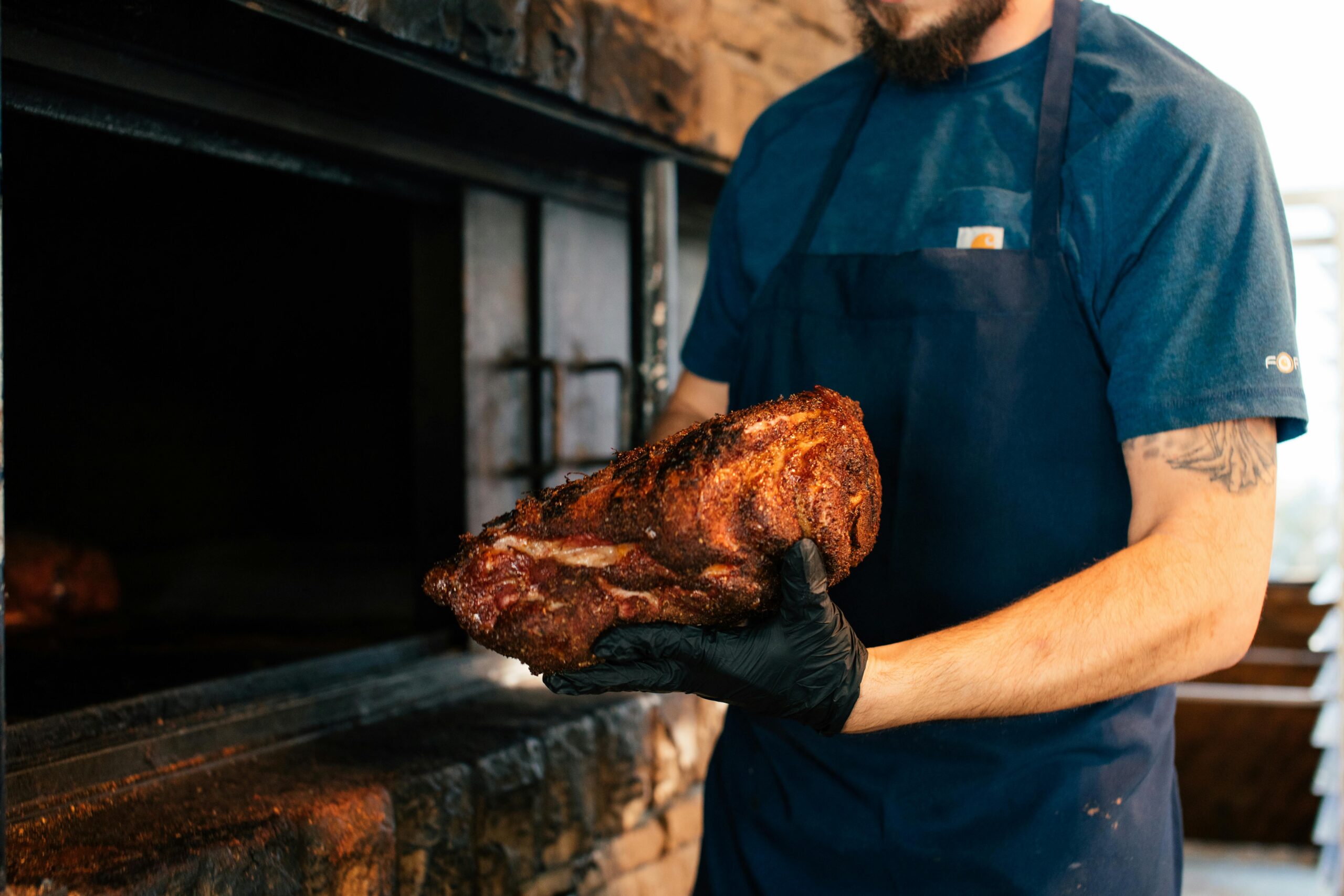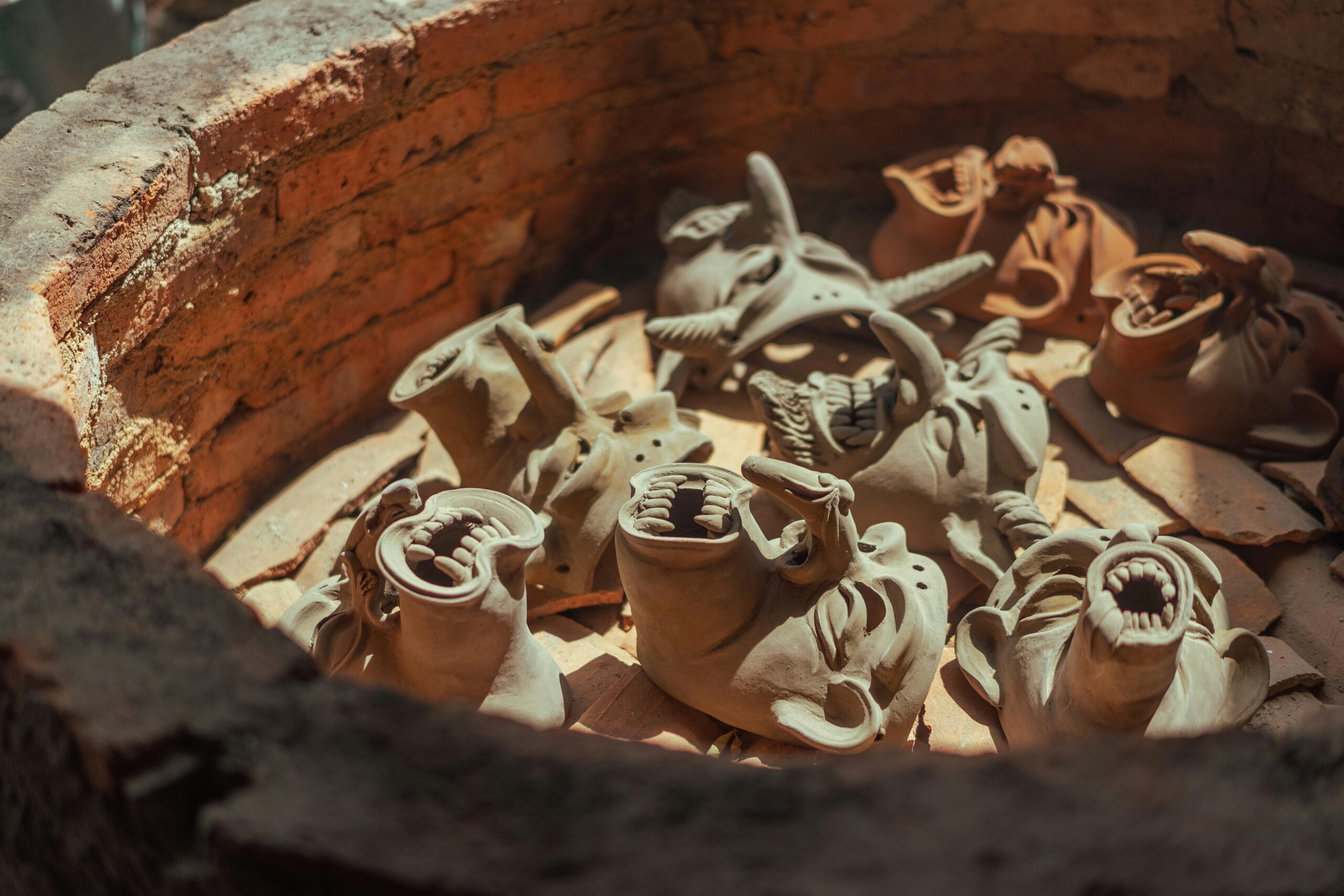
Pit roasting transforms raw ingredients into smoky, tender masterpieces, but without proper food safety protocols, this ancient cooking method can pose serious health risks that every outdoor chef must understand.

🔥 The Ancient Art Meets Modern Food Safety Standards
Pit roasting has captivated cultures worldwide for thousands of years, from Hawaiian kalua pig to Mexican barbacoa and Polynesian umu feasts. This traditional cooking method involves digging a pit, heating stones or coals, and slow-cooking food underground for hours or even days. While the results are undeniably delicious, the unique conditions of pit roasting create specific food safety challenges that differ significantly from conventional cooking methods.
The enclosed environment, extended cooking times, and variable temperatures make pit roasting a technique that demands meticulous attention to bacterial growth prevention, cross-contamination risks, and proper temperature management. Understanding these factors isn’t just about following rules—it’s about honoring tradition while protecting the health of everyone gathered around your feast.
Understanding the Unique Risks of Underground Cooking
Traditional pit roasting creates conditions that can either perfectly preserve food safety or dangerously compromise it. The extended cooking period, often ranging from 8 to 24 hours, means food spends considerable time in temperature zones where bacteria thrive if not properly managed.
The “danger zone” between 40°F and 140°F (4°C to 60°C) allows pathogenic bacteria like Salmonella, E. coli, and Clostridium perfringens to multiply rapidly. In pit roasting, meat must pass through this danger zone quickly during both heating and cooling phases. Unlike surface cooking where you can monitor temperatures constantly, underground cooking obscures direct observation, making preparation and planning absolutely critical.
Soil Contamination Concerns
Direct soil contact presents contamination risks from naturally occurring bacteria, parasites, and chemical compounds in the earth. Proper barriers between food and soil are non-negotiable. Traditional methods using banana leaves, ti leaves, or burlap sacks aren’t just cultural touches—they’re essential protective layers that prevent direct contamination while allowing heat transfer and smoke penetration.
Pre-Cooking Preparation: Where Safety Begins
Food safety in pit roasting starts long before you light the first fire. Proper ingredient selection, storage, and preparation establish the foundation for a safe cooking experience.
Selecting Quality Ingredients
Always source meat from reputable suppliers with proper refrigeration and handling practices. Check expiration dates, inspect packaging for tears or damage, and ensure meat has been stored at safe temperatures below 40°F. Fresh meat should have a pleasant smell, firm texture, and appropriate color for its type.
For whole animals or large cuts, inspect the entire surface for any signs of spoilage, discoloration, or unusual odors. When purchasing from farmers markets or local producers, ask about their butchering and storage practices to ensure proper handling from farm to your cooler.
Cold Chain Management
Maintaining the cold chain prevents bacterial multiplication before cooking begins. Transport meat in coolers with sufficient ice or ice packs, keeping internal temperatures below 40°F. Never leave meat at room temperature for more than two hours—or one hour if ambient temperature exceeds 90°F.
If preparing ingredients the day before your pit roast, keep everything refrigerated until the last possible moment. Consider using separate coolers for different food types to prevent cross-contamination between raw meats and ready-to-eat items.
Pit Construction and Heat Source Safety 🛠️
The pit itself must be constructed with food safety in mind. Location matters tremendously—choose a spot away from potential contaminants like septic systems, pesticide-treated areas, or locations where animals frequently travel.
Proper Pit Dimensions and Materials
Dig your pit deep enough to accommodate your heat source, food package, and sufficient soil covering—typically 3 to 4 feet deep for large roasts. The width should allow even heat distribution around all sides of your food package.
Line the pit bottom and sides with rocks that can withstand high heat without exploding. Avoid river rocks or stones with moisture content, as they can crack or explode when heated. Volcanic rocks, granite, or purpose-made fire bricks work exceptionally well.
Achieving and Maintaining Safe Temperatures
The key to safe pit roasting is reaching and maintaining temperatures that eliminate pathogens. Build a substantial fire and heat rocks until they’re glowing—this typically requires 2 to 3 hours of burning hardwood.
Your heat source must generate enough sustained energy to bring meat to safe internal temperatures and keep it there long enough for thorough cooking. Insufficient initial heat is one of the most common safety failures in pit roasting.
Wrapping and Protecting Your Food
Proper food wrapping serves multiple purposes: preventing contamination, retaining moisture, and facilitating even cooking. This multilayer approach protects your food throughout the entire cooking process.
Creating Effective Barrier Layers
Start with food-grade materials that won’t introduce toxins when heated. Heavy-duty aluminum foil provides an excellent moisture barrier and heat conductor, but should never contact acidic marinades for extended periods as aluminum can leach into food.
Layer traditional wrappings like banana leaves, ti leaves, or cabbage leaves next, which add flavor while providing additional protection. These natural materials have been used for centuries and offer antimicrobial properties alongside their protective function.
The outer layer should consist of burlap sacks or canvas that’s been thoroughly cleaned and soaked in water. This wet outer layer creates steam, prevents burning, and adds another contamination barrier between food and soil.
Temperature Monitoring: The Non-Negotiable Practice 🌡️
While traditional pit roasting doesn’t allow constant temperature checking, modern food safety demands verification that safe temperatures have been achieved.
Strategic Thermometer Placement
Before sealing your pit, insert probe thermometers into the thickest parts of your meat, ensuring probes reach the center without touching bone. Use multiple probes for large cuts to monitor different areas.
Leave thermometer cables extending above ground so you can check temperatures without disturbing the cooking process. Heat-resistant cables rated for high temperatures are essential—standard meat thermometers won’t survive pit roasting conditions.
Safe Internal Temperature Guidelines
Different proteins require specific minimum internal temperatures to ensure pathogen elimination:
- Whole poultry: 165°F (74°C) throughout
- Ground meats: 160°F (71°C) minimum
- Pork: 145°F (63°C) with 3-minute rest time
- Beef, lamb, and veal roasts: 145°F (63°C) with 3-minute rest time
- Fish and seafood: 145°F (63°C)
These temperatures must be sustained long enough to ensure safety—typically at least 30 minutes at target temperature for large roasts. The combination of time and temperature is what actually destroys pathogens, not temperature alone.
Managing the Cooking Timeline
Timing your pit roast properly ensures food moves through the danger zone quickly and cooks thoroughly without staying warm too long before serving.
Calculating Cooking Duration
As a general guideline, plan for approximately 1 to 1.5 hours per pound of meat, though this varies based on pit temperature, meat thickness, and wrapping materials. A 50-pound pig typically requires 12 to 18 hours, while a 20-pound turkey might need 6 to 8 hours.
Factor in resting time after excavation—meat continues cooking from residual heat and needs time for juices to redistribute. However, don’t allow cooked meat to remain in the temperature danger zone for extended periods during this rest.
Safe Excavation and Serving Practices 🍽️
The moment you open your pit, food safety considerations shift to preventing recontamination and managing cooked food properly.
Excavation Protocol
Before opening the pit, ensure all participants wash hands thoroughly or wear clean gloves. Remove soil layers carefully to avoid dropping dirt onto food packages. Keep excavation tools clean and dedicated solely to pit roasting—never use the same shovel for digging and food handling.
Once you remove the food package, transfer it to a clean surface immediately. Don’t place it directly on the ground or any contaminated surface. Have clean cutting boards, knives, and serving platters ready before excavation begins.
Verifying Final Temperatures
Immediately check internal temperatures in multiple locations to confirm safety standards were met throughout the meat. If any area reads below safe minimums, don’t serve that portion—return it to conventional cooking equipment to bring it to safe temperature.
Cross-Contamination Prevention Throughout the Process
Cross-contamination can occur at any stage, from preparation through serving. Implementing strict protocols prevents pathogen transfer between surfaces, utensils, and foods.
Use separate cutting boards and utensils for raw and cooked meats. Color-coding equipment helps prevent mistakes—red for raw meat, green for vegetables, white for cooked foods. Never reuse marinades that contacted raw meat unless you boil them first.
Designate specific team members for raw food handling and others for cooked food service. If someone handles raw ingredients, they should wash hands thoroughly before touching anything else. Keep hand-washing stations or sanitizer readily available throughout your cooking area.
Weather and Environmental Considerations ☀️🌧️
Environmental conditions significantly impact pit roasting safety. Rain can lower pit temperatures, potentially keeping food in the danger zone longer. Extreme heat accelerates bacterial growth during preparation phases.
Adapting to Weather Conditions
In rainy weather, provide overhead protection for your preparation area and consider adding extra heat sources or extending cooking time to compensate for heat loss. Monitor temperatures more frequently to ensure safety standards are maintained.
Hot weather demands extra vigilance during prep stages. Minimize time that raw ingredients spend unrefrigerated, work in shaded areas, and consider preparing ingredients in batches to keep most refrigerated until needed.
Post-Event Food Handling and Storage
Leftover pit-roasted meats can be enjoyed safely if handled properly after serving. The two-hour rule applies—refrigerate leftovers within two hours of excavation, or within one hour if ambient temperature exceeds 90°F.
Cool large quantities quickly by dividing into smaller portions and using shallow containers. Don’t stack containers deeply in the refrigerator, as this slows cooling. Label leftovers with dates and consume within 3 to 4 days, or freeze for longer storage.
Reheat leftovers to 165°F throughout before serving again. Use a food thermometer to verify—visual cues alone aren’t reliable indicators of safe reheating.
Special Considerations for Different Proteins
Different meats present unique safety challenges in pit roasting contexts.
Whole Animal Roasting
When roasting whole pigs, lambs, or goats, cavity contamination is a primary concern. Thoroughly clean body cavities, removing any remaining organs or debris. Some practitioners fill cavities with hot stones wrapped in foil to promote even heating, though this requires careful temperature monitoring.
Poultry-Specific Safety
Chicken and turkey are particularly susceptible to Salmonella and Campylobacter contamination. Never stuff poultry cavities with dressing before pit roasting—stuffing prevents even heating and creates additional food safety risks. Cook stuffing separately in conventional equipment.
🎯 Building Your Pit Roasting Safety Checklist
Creating a comprehensive checklist ensures you don’t overlook critical safety steps in the excitement of your event. Start your list days in advance, covering ingredient sourcing, equipment preparation, and safety supply gathering.
Include items like multiple thermometers, backup batteries, food-safe gloves, hand sanitizer, clean water supply, separate utensils for raw and cooked foods, coolers with ice, and first aid supplies. Review your checklist with all team members before beginning preparation.
Learning from Traditional Knowledge While Embracing Modern Safety
Indigenous and traditional pit roasting practices evolved over centuries, incorporating food safety principles long before modern microbiology explained the science behind them. Respect these time-tested methods while integrating contemporary safety understanding for the best of both worlds.
Traditional practices like extended marinating in acidic solutions, using antimicrobial plant wrappings, and multi-layer packaging all serve food safety purposes. Modern thermometers and temperature guidelines simply provide precise verification of what traditional cooks achieved through experience and observation.
Creating Lasting Memories Without Lasting Consequences
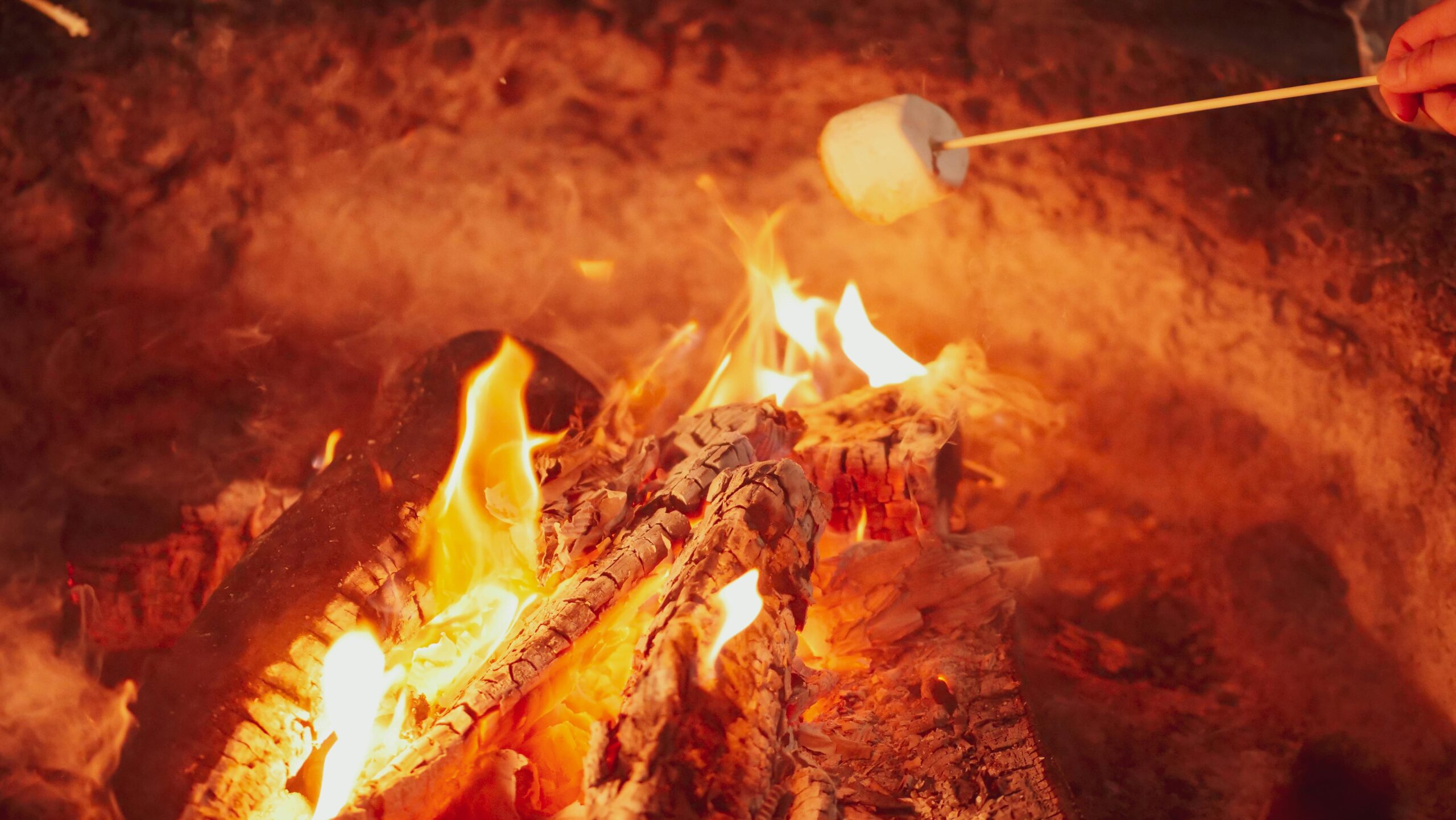
Pit roasting represents more than just a cooking method—it’s a communal experience that connects us to ancestral traditions and brings people together around extraordinary food. By mastering food safety practices alongside traditional techniques, you ensure these gatherings create only positive memories.
The extra time spent planning safety protocols, monitoring temperatures, and following proper handling procedures protects everyone at your table. These practices don’t diminish the tradition; they honor it by ensuring the gathering remains a celebration rather than becoming a cautionary tale.
Start your pit roasting journey with education, proceed with preparation, and execute with confidence. Each successful pit roast builds your expertise, allowing you to refine techniques while maintaining unwavering commitment to food safety. The smoky, tender results combined with the satisfaction of feeding loved ones safely makes every careful step worthwhile.
As you master this ancient art form, share your knowledge with others interested in traditional cooking methods. Food safety awareness spreads through community, creating a culture where delicious traditional foods and modern health protection coexist perfectly. Your pit roasting legacy should include not just memorable flavors, but also the wisdom to create them safely, time after time.