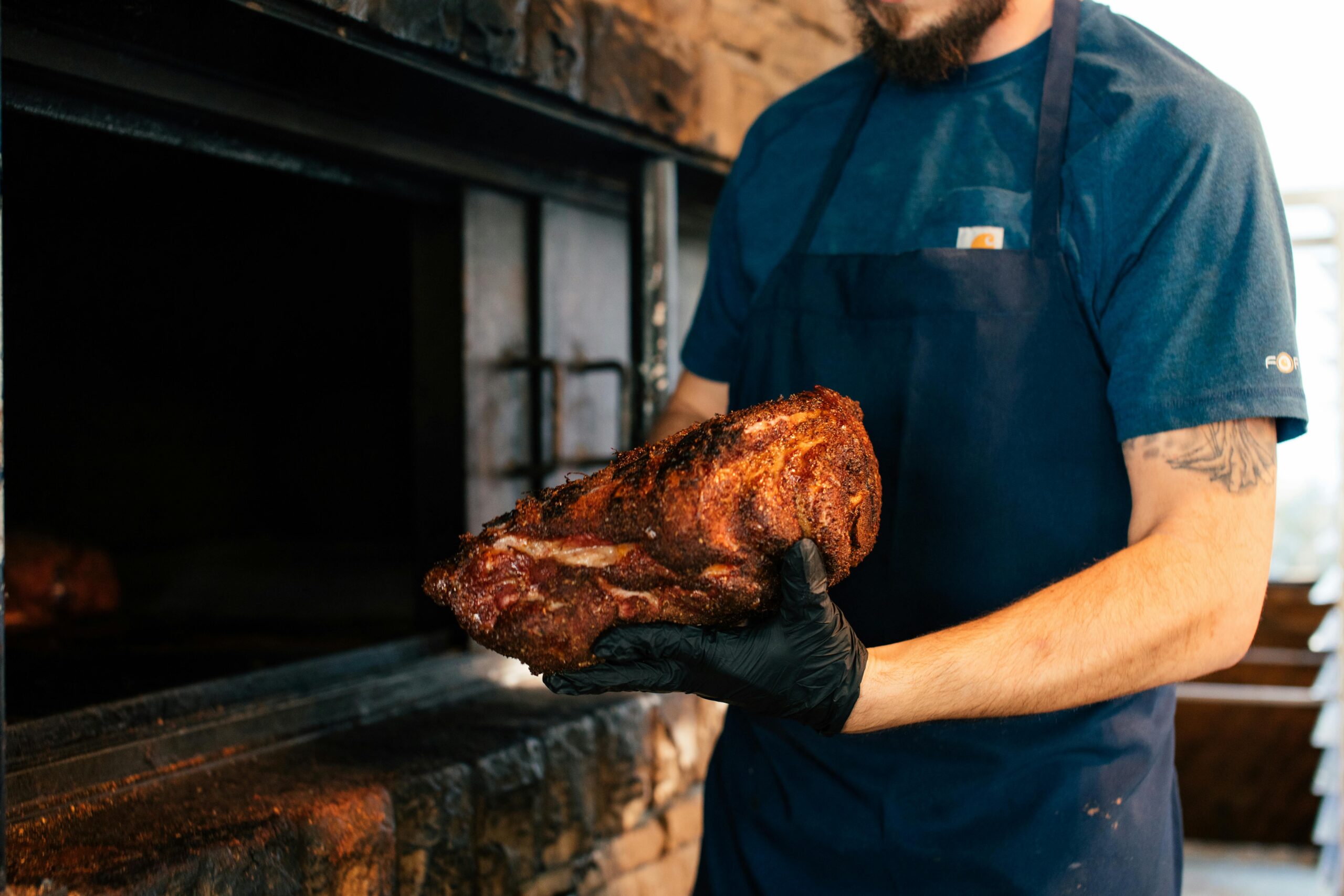
Imagine cooking authentic, flavorful meals anywhere your adventures take you, using ancient techniques reimagined for modern nomadic lifestyles. Portable clay pits are revolutionizing outdoor cooking.

🔥 The Ancient Art Meets Modern Wanderlust
For thousands of years, civilizations across the globe have harnessed the power of clay for cooking. From tandoors in India to earth ovens in Polynesia, clay’s unique ability to retain and distribute heat evenly has made it the secret weapon of culinary traditions worldwide. Today’s adventurous spirits are rediscovering this time-honored method, but with a contemporary twist that fits perfectly into backpacks, camper vans, and expedition gear.
The renaissance of portable clay cooking isn’t just about nostalgia—it’s about reconnecting with elemental cooking methods while embracing the freedom of a mobile lifestyle. Whether you’re a weekend warrior camping under the stars, a van-life enthusiast crossing continents, or a beach nomad chasing endless summers, portable clay pits offer an unparalleled cooking experience that gas stoves and portable grills simply cannot replicate.
Why Clay Transforms Your Nomadic Cooking Experience
Clay possesses remarkable thermal properties that make it ideal for outdoor cooking. Unlike metal cookware that creates hot spots and burns food unevenly, clay distributes heat gradually and consistently. This means your proteins remain tender, your vegetables retain their nutrients, and your bread develops that perfect crust with a soft, pillowy interior.
The porous nature of clay also allows moisture to circulate during cooking, creating a self-basting environment that keeps food from drying out. This is particularly valuable when you’re cooking in unpredictable outdoor conditions where controlling temperature can be challenging. The clay essentially does the heavy lifting for you, compensating for fluctuations in heat source and environmental factors.
Health Benefits That Travel With You 🌿
Cooking in clay is naturally non-toxic and chemical-free. Unlike non-stick coatings that can release harmful compounds at high temperatures, clay remains completely inert. This means no metallic flavors leaching into your food, no concerns about coating degradation, and no synthetic chemicals compromising your meals.
Furthermore, clay cooking requires minimal oil or fat. The natural moisture retention means you can prepare healthier versions of your favorite dishes without sacrificing flavor or texture. For health-conscious travelers who refuse to compromise their nutritional standards on the road, this is a game-changer.
Innovative Designs Redefining Portable Clay Cooking
Modern portable clay pits come in various ingenious configurations designed specifically for travelers. Manufacturers have addressed the traditional challenges of clay cookware—fragility and weight—through innovative engineering and thoughtful design.
Collapsible Clay Ovens
Some designs feature modular components that nest inside each other, reducing packed dimensions significantly. These systems typically include a base chamber, cooking vessel, and lid that stack together into a surprisingly compact package. The clay segments are often reinforced with natural fibers or modern composites that maintain traditional cooking properties while dramatically increasing durability.
Insulated Transport Cases
Recognizing that protection during transit is paramount, premium portable clay cooking systems now include custom-fitted carrying cases with impact-absorbing materials. These cases not only protect your investment but also organize all accessories—from fire-starting tools to cleaning implements—in one convenient package.
Hybrid Fuel Systems
The latest portable clay pits accommodate multiple fuel sources. Whether you’re gathering driftwood on a beach, using compressed charcoal blocks in a desert, or relying on portable gas burners in areas with fire restrictions, these versatile systems adapt to your circumstances. Some models even incorporate biomass gasification chambers that burn fuel more efficiently while producing minimal smoke.
Mastering the Techniques: From Novice to Nomadic Chef
Using a portable clay pit requires understanding some fundamental principles that differ from conventional cooking methods. The learning curve is gentle, but mastering these techniques will elevate your outdoor culinary game exponentially.
Seasoning Your Clay Pit Properly
Before first use, your clay pit needs proper seasoning. This process involves gradually increasing heat exposure over several sessions, allowing the clay to cure fully and develop its non-stick properties. Start by soaking the clay in water for several hours, then heat it slowly with just coals or low flame. Gradually increase temperatures over three to four uses.
This initial investment of time pays dividends throughout the life of your clay pit. Properly seasoned clay develops a natural patina that enhances flavor and makes maintenance easier. Many experienced users report that their clay pits improve with age, developing character and cooking properties that new units simply cannot match.
Temperature Control Without Thermometers 🌡️
Learning to read your clay pit becomes intuitive with practice. The clay itself provides visual and tactile cues about cooking temperature. A light smoke rising from the surface indicates the pit is approaching medium heat. When water droplets dance and evaporate quickly on the surface, you’ve reached high heat suitable for searing.
Experienced clay pit cooks often use the hand test—hovering their palm about six inches above the cooking surface. If you can hold it there for five to six seconds, the temperature is low; three to four seconds indicates medium heat; one to two seconds means high heat. This ancient method works reliably without batteries or calibration.
🍲 Recipe Adaptations for Clay Pit Perfection
Almost any recipe can be adapted for clay pit cooking, but certain dishes truly shine when prepared this way. Understanding how different foods respond to clay cooking helps you plan menus that showcase this method’s strengths.
Slow-Cooked Stews and Braises
The gentle, even heat of clay pits creates ideal conditions for breaking down tough cuts of meat and melding complex flavors. Start your stew in the morning, maintain low heat throughout the day, and return to a perfectly tender, deeply flavored meal. The clay’s moisture retention means you can use less liquid than conventional recipes call for, resulting in more concentrated flavors.
Artisan Breads and Flatbreads
Clay pit cooking produces exceptional bread with crusty exteriors and soft, airy interiors. The steam generated within the clay environment mimics professional bakery ovens. Simple flatbreads cook in minutes, while rustic boules develop complex crusts over longer cooking times. For nomadic bakers, this opens possibilities for fresh bread regardless of location.
Whole Roasted Vegetables
Vegetables take on extraordinary character when roasted in clay. Root vegetables caramelize beautifully while remaining tender inside. Whole cauliflower, cabbage wedges, or stuffed peppers develop flavors impossible to achieve with other outdoor cooking methods. The clay imparts a subtle earthiness that complements vegetables perfectly.
Practical Considerations for Life on the Move
Integrating clay pit cooking into your nomadic lifestyle requires addressing some practical considerations. With proper planning, these concerns become minor details rather than obstacles.
Weight and Space Management
A typical portable clay pit system weighs between 8 to 15 pounds depending on size and accessories. This is comparable to a cast iron Dutch oven but offers superior cooking versatility. Consider your transportation method and pack accordingly—backpackers might opt for ultralight single-serving designs, while van travelers can accommodate larger family-sized units.
Cleaning and Maintenance on the Road
Clay pit maintenance is surprisingly simple. Most food residue releases easily with hot water and a soft brush—never use soap, which clay absorbs and can transfer to future meals. Many nomadic chefs simply wipe their clay pits clean and embrace the developing patina as part of the cooking vessel’s character.
Between uses, store your clay pit completely dry to prevent mold or mildew. If you’re in humid environments, place moisture-absorbing packets in the storage case. With minimal care, quality clay pits last for years, even decades, becoming cherished companions on your journeys.
Navigating Fire Regulations and Local Laws 🏕️
Before lighting your clay pit, research local regulations regarding open fires and outdoor cooking. Many areas with strict fire bans still permit enclosed cooking devices, and portable clay pits often qualify due to their contained design. Always practice Leave No Trace principles, use designated fire areas when available, and completely extinguish your pit before leaving.
Building Community Through Clay Pit Cooking
One unexpected benefit of clay pit cooking is how it attracts curiosity and conversation. The distinctive appearance and aromatic smoke of a clay pit in action invariably draws fellow travelers, creating opportunities for cultural exchange and shared meals.
Many nomadic chefs report that their clay pit has become a social centerpiece, facilitating connections with locals and other travelers that might never have happened otherwise. Cooking is a universal language, and preparing food in a clay pit demonstrates respect for traditional methods that resonates across cultures.
Some traveling communities have developed potluck traditions centered around portable clay pits, with participants contributing ingredients and sharing cooking duties. These gatherings celebrate both the journey and the destination, creating memories that transcend the meals themselves.
Sustainability Meets Wanderlust 🌍
In an era of increasing environmental awareness, clay pit cooking aligns perfectly with sustainable travel principles. Clay is a natural, renewable resource that requires minimal processing. Unlike metal cookware that demands energy-intensive manufacturing, clay vessels can be produced with relatively low environmental impact.
The fuel efficiency of clay pits also contributes to their sustainability credentials. The excellent heat retention means less fuel consumption compared to metal cooking devices. When using gathered wood, you’ll find that small twigs and branches—materials that would typically be overlooked—provide sufficient heat for complete meals.
At the end of its long service life, a clay pit returns to the earth without leaving persistent pollutants. This circular lifecycle appeals to environmentally conscious travelers who seek to minimize their footprint while maximizing their experiences.
Investment Considerations and Choosing Your First Clay Pit
Quality portable clay pits range from approximately $80 for basic models to $400 or more for premium systems with extensive accessories. While this represents a significant initial investment, the longevity and versatility of clay pits make them cost-effective over time.
Key Features to Evaluate
When selecting your portable clay pit, consider these critical factors:
- Size appropriate for your typical group—solo travelers need different capacity than families
- Weight and packed dimensions compatible with your transportation method
- Quality of clay composition and reinforcement materials
- Included accessories such as cooking grids, trivets, and tools
- Manufacturer reputation and warranty coverage
- Fuel compatibility and efficiency ratings
- Protective case quality and organization features
Breaking In Your New Clay Pit
Plan for a brief adjustment period as you familiarize yourself with your specific clay pit’s characteristics. Each unit develops unique heat patterns and cooking properties. Start with simple recipes that allow you to learn temperature management without risking complicated dishes. Keep notes about cooking times and heat levels for different foods—this reference becomes invaluable as you develop expertise.
🚐 Advanced Applications for Serious Nomadic Chefs
Once you’ve mastered basic clay pit cooking, numerous advanced techniques await exploration. Adventurous cooks push the boundaries of what’s possible with these versatile cooking systems.
Smoking and Flavor Infusion
Adding wood chips or herbs to your fuel source creates distinctive smoked flavors. The clay absorbs these aromatics over time, building complex flavor profiles that subtly enhance every dish. Experienced users maintain separate clay pits for different cuisine styles—one for Mediterranean cooking with rosemary and olive wood, another for Southwest flavors with mesquite and chilies.
Multi-Stage Cooking Techniques
Sophisticated cooks use clay pits for complex preparations requiring different heat zones and cooking stages. By managing coal placement and air flow, you can create distinct temperature areas within the same pit—searing meat on one side while gently simmering sauce on another. This transforms your portable clay pit into a complete outdoor kitchen.
The Future of Portable Clay Cooking Technology
Innovation in portable clay pit design continues accelerating as more people embrace nomadic lifestyles. Manufacturers are exploring composite materials that retain clay’s beneficial properties while further reducing weight and increasing durability. Some experimental designs incorporate phase-change materials that store heat energy, extending cooking times without additional fuel.
Smart temperature monitoring systems that pair with mobile devices are emerging, though purists argue this contradicts the elemental appeal of clay cooking. Regardless of technological additions, the fundamental advantage of clay—its unique interaction with heat, moisture, and food—remains unchanged and irreplaceable.

Embrace Your Culinary Adventure 🌟
Portable clay pits represent more than just another piece of camping gear—they’re gateways to deeper, more meaningful relationships with food, fire, and the environments through which you travel. The meditative process of tending a clay pit, the satisfaction of mastering an ancient cooking method, and the exceptional flavors achieved create experiences that enrich your nomadic journey immeasurably.
Whether you’re just beginning to explore mobile living or you’re a seasoned road warrior seeking to elevate your outdoor cooking game, portable clay pits offer a compelling path forward. They challenge you to slow down, to be present with your food preparation, and to savor not just the finished meal but the entire cooking process.
As you plan your next adventure, consider making space for a portable clay pit. Your taste buds will thank you, your traveling companions will be impressed, and you’ll carry forward cooking traditions that have nourished humans for millennia—all while creating your own unique culinary story on the open road.