
Pit roasting transforms ordinary ingredients into extraordinary culinary experiences, adapting beautifully across seasons to deliver unforgettable flavors that captivate every palate.

The ancient art of pit roasting has captivated food enthusiasts for millennia, offering a primal connection to fire, earth, and the transformative power of slow cooking. This technique, which involves cooking food in a pit dug into the ground, harnesses natural heat retention and smoke infusion to create dishes with unparalleled depth of flavor. As we move through the seasons, the opportunities to adapt this traditional method multiply, allowing us to work with the freshest ingredients while accommodating changing weather conditions and regional celebrations.
Whether you’re planning a summer luau, a fall harvest feast, or a winter gathering, understanding how to modify your pit roasting approach based on seasonal factors will elevate your outdoor cooking game to professional levels. The beauty of seasonal adaptation lies not just in ingredient availability, but in how environmental conditions affect cooking times, fuel choices, and flavor development. Let’s dive deep into the world of seasonal pit roasting and discover how to master this technique year-round.
🔥 Understanding the Fundamentals of Pit Roasting
Before exploring seasonal variations, it’s essential to grasp the core principles that make pit roasting such a distinctive cooking method. Unlike conventional grilling or smoking, pit roasting relies on radiant heat, steam, and smoke working together in an enclosed environment. The earth itself acts as a natural insulator, maintaining consistent temperatures for hours while infusing foods with subtle mineral and smoke notes.
The basic process involves heating rocks or coals to extreme temperatures, lining a pit with these heat sources, wrapping food in protective layers (often banana leaves, corn husks, or foil), and covering everything with earth to create a sealed cooking chamber. This method requires patience—most pit roasts take between 4 to 12 hours—but the resulting tenderness and flavor complexity make the wait worthwhile.
Temperature control in pit roasting differs significantly from other methods. You cannot simply turn a dial; instead, you must carefully calculate the amount of fuel, the size of your pit, and the insulation properties of your covering materials. Experienced pit masters develop an intuitive sense for these variables, adjusting based on weather conditions, soil type, and the specific foods being prepared.
Spring Awakening: Fresh Flavors and Gentle Heat
As winter retreats and soil temperatures begin to rise, spring presents unique opportunities for pit roasting. The moderate temperatures of this season create ideal conditions for longer cooking sessions without the risk of overheating that summer brings. Spring’s bounty of tender vegetables and young meats pairs beautifully with the gentle, sustained heat of pit cooking.
Optimal Spring Ingredients for the Pit
Spring lamb stands as the quintessential seasonal choice for pit roasting during this time of year. The mild flavor of young lamb absorbs smoke beautifully while maintaining its delicate texture. Pair it with early spring vegetables like asparagus, new potatoes, baby carrots, and fresh herbs such as mint, rosemary, and thyme. These ingredients benefit from the moist cooking environment, emerging tender and infused with smoky aromatics.
Young chicken and game hens also excel in spring pit roasts. Their smaller size means faster cooking times (4-6 hours), making them perfect for those new to the technique. Stuff cavities with lemon, garlic, and fresh herbs from your garden or local farmers market for aromatic complexity that penetrates the meat during the extended cooking process.
Spring Weather Considerations
Spring weather can be unpredictable, with rain showers and fluctuating temperatures. This variability requires additional preparation. Consider these adaptations:
- Use waterproof tarps over your pit site to prevent rain infiltration
- Increase coal amounts by 10-15% on cooler, damp days to compensate for heat loss
- Allow extra time for pit preparation when soil is cold or wet
- Choose well-drained locations to prevent water pooling around your cooking area
- Monitor moisture levels more carefully, as spring humidity affects steam generation
☀️ Summer Sizzle: High Heat and Bold Flavors
Summer represents the peak season for pit roasting, when warm soil temperatures, long daylight hours, and outdoor gathering traditions converge. The challenge during summer months shifts from maintaining heat to managing it, as ambient temperatures can cause pits to run hotter than intended.
This season calls for robust proteins that can handle intense heat without drying out. Whole pigs, beef brisket, and large cuts of pork shoulder thrive in summer pits, developing crispy exteriors while remaining succulent inside. The higher temperatures also reduce cooking times by 15-20% compared to cooler seasons, something experienced pit masters factor into their planning.
Summer Spice Profiles and Marinades
Bold, vibrant flavors complement summer pit roasting beautifully. Caribbean jerk seasoning, with its combination of scotch bonnet peppers, allspice, and thyme, creates an explosive flavor profile perfect for pork and chicken. Mexican-inspired adobo rubs featuring ancho chiles, cumin, and oregano add depth without overwhelming the natural smoke flavors.
Citrus-based marinades work exceptionally well in summer pits. The acidity helps tenderize meats while adding brightness that cuts through rich, fatty proteins. Try combinations like orange-lime with chipotle, grapefruit with rosemary, or lemon with za’atar for Mediterranean-inspired feasts.
Managing Summer Heat Challenges
Excessive heat can lead to uneven cooking or dried-out results. Combat these issues by:
- Reducing coal quantities by 20-25% compared to spring or fall cooking
- Adding moisture-rich ingredients like onions, citrus, and water-soaked wood chips around proteins
- Wrapping foods in multiple protective layers to shield from direct heat
- Starting your pit roast in the evening to take advantage of cooler nighttime temperatures
- Monitoring more frequently during the first few hours to catch any heat spikes early
Autumn Abundance: Rich Flavors and Root Vegetables
Fall brings arguably the most exciting season for pit roasting enthusiasts. Cooler temperatures make extended outdoor cooking sessions more comfortable, while the harvest season provides an incredible array of ingredients that seem designed specifically for this cooking method. Root vegetables, winter squashes, and heartier proteins all reach their peak during these months.
The stable, moderate temperatures of autumn create nearly perfect pit roasting conditions. Heat retention improves as the temperature differential between your pit and the surrounding environment increases, resulting in more efficient fuel use and more consistent cooking temperatures throughout the session.
Harvest-Inspired Ingredient Combinations 🍂
Embrace fall’s bounty by incorporating butternut squash, sweet potatoes, parsnips, turnips, and beets into your pit. These vegetables caramelize beautifully in the sustained heat, developing sweet, complex flavors that complement smoked meats perfectly. Whole turkeys become stars during this season, especially around Thanksgiving, offering an alternative to traditional oven roasting that will impress your guests.
Venison and other game meats align naturally with autumn pit roasting. Their lean composition benefits from the moist cooking environment, which prevents the toughness that can result from dry-heat methods. Rub game meats with juniper berries, black pepper, and sage for flavors that echo the season.
Autumn Spice and Seasoning Strategies
Fall calls for warming spices that complement rather than compete with smoke. Consider these autumn-appropriate seasoning blends:
- Apple cider and maple glazes with cinnamon and nutmeg for pork
- Coffee and cocoa rubs with ancho chile for beef
- Sage, thyme, and orange zest for poultry
- Smoked paprika with brown sugar and mustard for root vegetables
- Pomegranate molasses with cumin and coriander for lamb
❄️ Winter Warmth: Cold Weather Pit Roasting
Many assume pit roasting must hibernate during winter months, but dedicated enthusiasts know that cold weather creates some of the most rewarding pit roasting experiences. The dramatic temperature difference between your pit and the frozen ground above creates exceptional heat retention, though it requires significantly more preparation and fuel.
Winter pit roasting demands respect for the elements and careful planning. Frozen or snow-covered ground complicates digging, and you’ll need substantially more coals to achieve and maintain target temperatures. However, the payoff—gathering around a heat source while feasting on slow-roasted meats during the coldest months—creates memorable experiences that warm both body and spirit.
Cold Weather Adaptations and Techniques
Successfully executing a winter pit roast requires specific modifications. First, prepare your pit site well in advance, ideally before the ground freezes solid. If you’re working with frozen ground, you may need to build a fire over your planned pit location for several hours to thaw the soil enough for digging.
Increase your fuel load by 40-50% compared to summer roasts. The cold ground acts as a massive heat sink, constantly drawing warmth away from your cooking chamber. Extra insulation becomes critical—consider double-layering your earth covering and adding insulating materials like straw or additional tarps over the top.
Winter-Perfect Proteins and Pairings
Fatty, rich cuts thrive in winter pits. Beef short ribs, pork belly, and lamb shanks all contain enough marbling to stay moist during extended cooking times while providing the hearty, warming qualities winter meals demand. Pair these proteins with winter root vegetables like celeriac, rutabaga, and Jerusalem artichokes for complete, satisfying meals.
Consider braising-style preparations that add liquid to your wrapped packages. Beer-braised brisket, wine-braised lamb, or cider-braised pork shoulder all leverage the pit’s steamy environment to create fork-tender results with rich, concentrated flavors.
Essential Equipment and Safety Considerations Across Seasons
Regardless of season, certain tools and safety practices remain constant. A quality meat thermometer with extended probes allows you to check internal temperatures without fully uncovering your pit. Heat-resistant gloves rated for high temperatures protect your hands when handling hot rocks or coals. Long-handled shovels and rakes help you manage your pit safely from a distance.
Safety must always be your top priority. Never pit roast while intoxicated, ensure children and pets maintain safe distances from active pits, and always have fire extinguishing materials nearby. Check local regulations before digging—some areas require permits for open-fire cooking, and you’ll want to call utility companies to mark underground lines.
Season-specific equipment needs include:
- Spring: Waterproof tarps and drainage tools for wet conditions
- Summer: Shade structures for cook comfort and extra moisture sources
- Autumn: Leaf rakes to clear pit areas and prevent debris contamination
- Winter: Ground-thawing equipment, extra insulation materials, and cold-weather gear
Fuel Selection and Smoke Flavor Profiles
Your choice of fuel dramatically impacts both cooking performance and final flavor. Hardwood charcoal provides consistent, long-lasting heat ideal for extended cooking sessions. Lump charcoal burns hotter and cleaner than briquettes, making it the preferred choice for purists, though briquettes offer more predictable burn times.
Wood selection adds another layer of customization. Different woods impart distinct flavors that pair better with certain proteins and seasons. Fruit woods like apple and cherry offer mild, sweet smoke perfect for pork and poultry, especially in spring and summer. Hickory provides robust, bacon-like flavors that complement beef and game meats in fall and winter. Mesquite delivers intense, earthy smoke best reserved for bold summer grills and hearty winter roasts.
Oak stands as the most versatile option, providing medium smoke intensity that works year-round with virtually any protein. Experiment with wood combinations—mixing apple with hickory or cherry with oak—to develop signature flavor profiles that become your trademark.
Timing, Temperature, and the Art of Patience
Pit roasting success hinges on understanding the relationship between time, temperature, and doneness. Unlike conventional cooking where you can adjust heat on demand, pit roasting requires forecasting and committing to your approach before sealing the pit. This makes experience invaluable, as you develop intuition for how different variables interact.
General timing guidelines by protein type:
- Whole chickens (3-4 lbs): 4-6 hours at 300-325°F
- Pork shoulder (8-10 lbs): 10-14 hours at 225-250°F
- Whole lamb: 8-12 hours at 275-300°F
- Beef brisket (12-15 lbs): 12-16 hours at 225-250°F
- Whole pig (80-100 lbs): 18-24 hours at 250-275°F
Remember that these times require seasonal adjustment. Add 15-20% more time during winter months, and reduce by 10-15% during hot summer weather. Wind conditions also affect cooking times, as breezy days can cool pits faster than still conditions.
🌟 Elevating Your Pit Roasting Game
Once you’ve mastered basic seasonal adaptations, consider advanced techniques that distinguish exceptional pit masters from competent practitioners. Layering flavors throughout the cooking process rather than relying solely on initial seasoning creates more complex results. Try placing aromatic woods, herbs, and spices directly on your heating elements so their essence permeates the cooking chamber throughout the session.
Brining proteins before pit roasting, especially lean meats like turkey or chicken, ensures moisture retention during long cooking times. A simple brine of water, salt, sugar, and aromatics worked into meat 12-24 hours before cooking makes a remarkable difference in final juiciness and flavor distribution.
Consider finishing techniques as well. While pit-roasted meats emerge incredibly tender, a quick sear over high direct heat immediately before serving adds textural contrast and visual appeal. This works especially well with larger cuts like brisket or pork shoulder, where crispy bark becomes the prized outer layer.
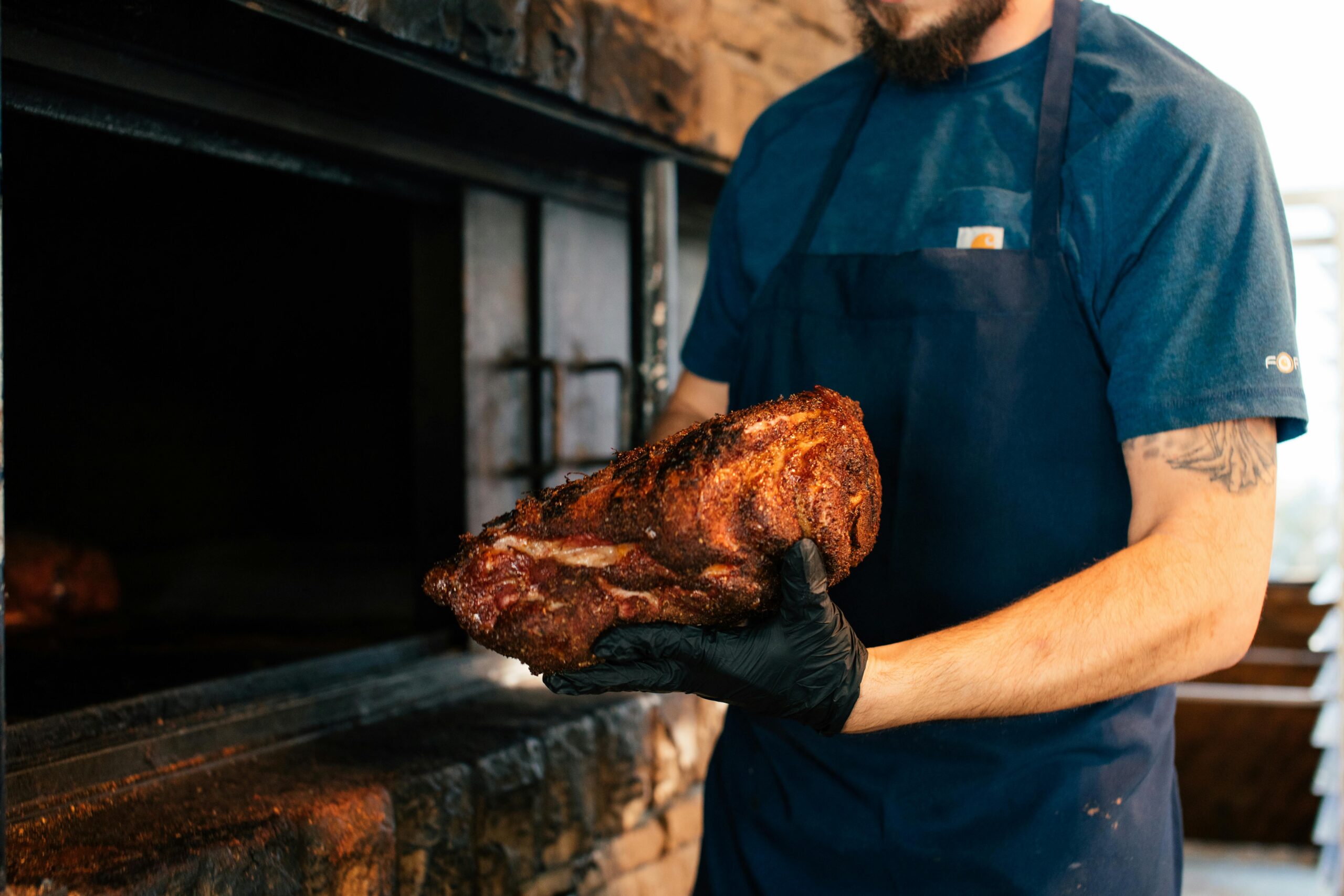
Creating Community Through Seasonal Pit Roasting
Beyond the technical aspects and delicious results, pit roasting serves as a powerful social catalyst that brings people together across seasons. The extended cooking time encourages gathering, storytelling, and shared experiences that strengthen community bonds. Unlike quick grilling sessions, pit roasting demands commitment and creates anticipation that transforms a meal into an event.
Each season offers unique opportunities for themed gatherings. Spring pit roasts can celebrate renewal with garden-fresh ingredients and lighter fare. Summer becomes the season for large-scale celebrations with whole animal roasts serving dozens. Autumn harvest feasts honor abundance and preservation traditions, while winter pit roasts defy the cold and create warm memories during the darkest months.
Documenting your pit roasting journey through photos, notes, and recipes creates a valuable personal resource while sharing knowledge with others who want to learn. The pit roasting community thrives on shared wisdom, with experienced practitioners mentoring newcomers and everyone contributing to the collective knowledge base.
As you develop your seasonal pit roasting skills, you’ll discover that this ancient technique connects you not only to culinary traditions spanning millennia but also to the rhythms of nature, the changing seasons, and the people you choose to feed. Each pit you dig, every fire you tend, and all the meals you share become part of your personal food story—one that sizzles with spice, warmth, and the unmistakable satisfaction of mastering a truly timeless cooking art.
The journey from novice to master pit roaster unfolds gradually, with each seasonal cycle teaching new lessons and revealing deeper understanding. Embrace the learning process, celebrate both successes and setbacks, and remember that even imperfect pit roasts shared with good company create lasting memories. Your seasonal adaptations will become more intuitive with practice, eventually reaching the point where you instinctively know how to adjust for conditions, ingredients, and desired outcomes without consulting guides or recipes.