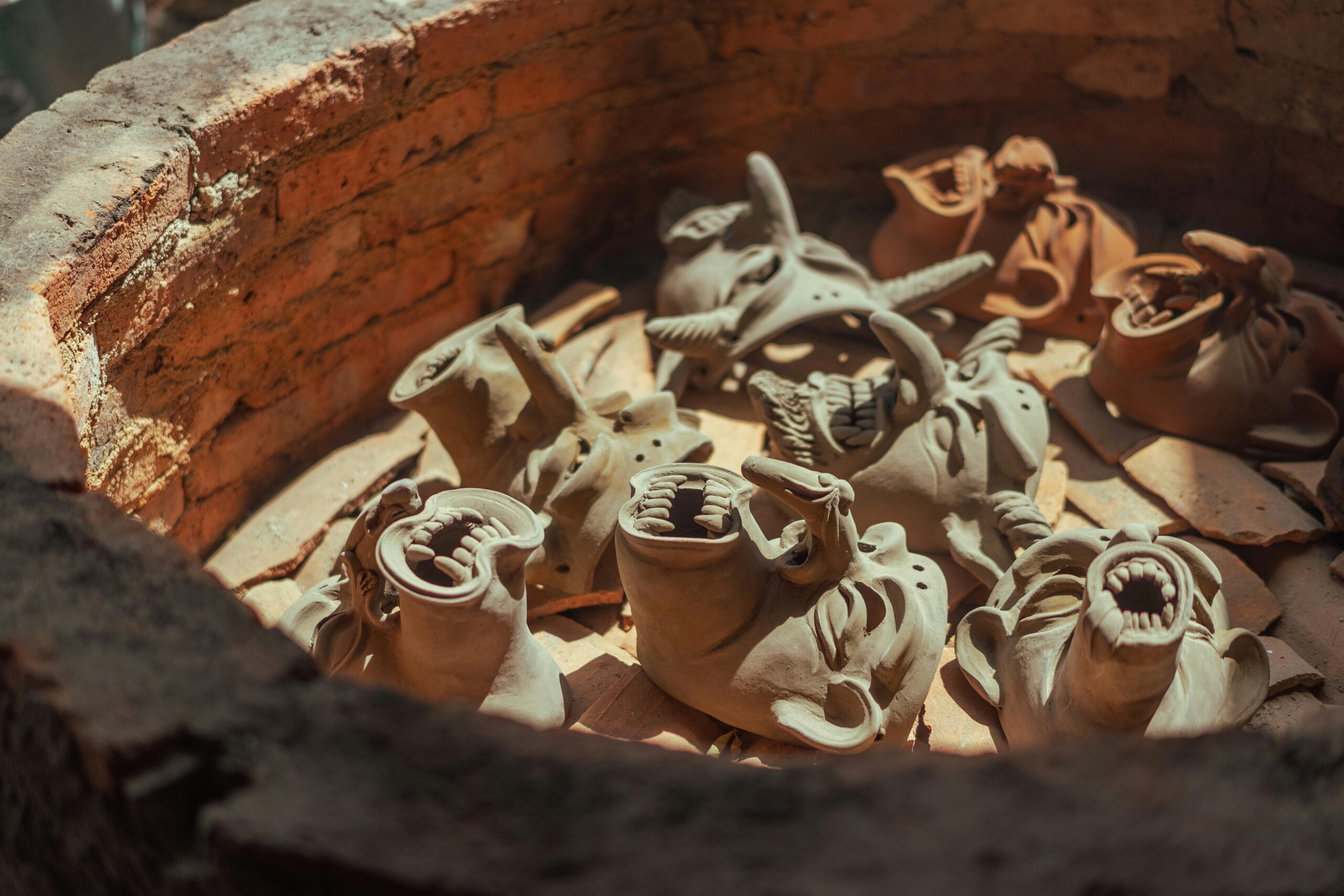
Natural insulation materials found in clay pits are revolutionizing sustainable construction practices, offering remarkable eco-friendly benefits that protect both our environment and future generations.

🌍 The Hidden Treasure Beneath Our Feet: Clay Pit Resources
Clay pits have long been recognized as valuable sources of building materials, but their potential as providers of natural insulation materials remains largely untapped by mainstream construction. These geological formations contain a wealth of sustainable resources that can dramatically reduce our carbon footprint while improving building performance. From raw clay to mineral-rich deposits, these natural reserves offer solutions that synthetic materials simply cannot match.
The extraction and processing of natural insulation materials from clay pits represents a paradigm shift in how we approach sustainable construction. Unlike energy-intensive manufacturing processes required for conventional insulation, these materials often need minimal processing, preserving their inherent ecological advantages. The proximity of clay pits to construction sites in many regions also reduces transportation emissions, further enhancing their environmental credentials.
Understanding Natural Insulation Materials from Clay Environments
Clay pit environments naturally produce several types of insulation materials through geological processes spanning millions of years. These materials possess unique thermal properties that make them ideal for regulating building temperatures. The primary natural insulation options derived from clay pit ecosystems include expanded clay aggregates, clay-based thermal blocks, and mineral wool deposits that form alongside clay formations.
Expanded clay aggregates, created by heating raw clay at high temperatures, form lightweight spherical pellets with excellent insulation properties. Despite requiring heating, the process uses significantly less energy than manufacturing synthetic alternatives. The resulting material is non-combustible, rot-proof, and maintains its insulating properties for decades without degradation.
Clay-based thermal blocks combine raw clay with natural fibers and other mineral components found within or near clay pits. These blocks provide both structural integrity and thermal insulation, eliminating the need for separate insulation layers. Their hygroscopic nature allows them to regulate indoor humidity naturally, creating healthier living environments while reducing energy consumption for climate control.
♻️ Environmental Advantages That Make a Real Difference
The environmental benefits of natural insulation materials from clay pits extend far beyond their renewable nature. These materials contribute to circular economy principles by utilizing resources that would otherwise remain dormant. Their extraction typically causes less environmental disruption compared to mining operations for synthetic insulation components, and many clay pits can be rehabilitated into valuable ecosystems or recreational areas after resource depletion.
Carbon sequestration represents another significant advantage. Clay-based materials can absorb and store carbon dioxide throughout their lifecycle, effectively removing greenhouse gases from the atmosphere. When combined with natural binders and fibers, these insulation materials become carbon-negative, meaning they remove more carbon than their production releases. This characteristic positions them as crucial tools in combating climate change.
Reduced Embodied Energy and Manufacturing Impact
Embodied energy—the total energy consumed throughout a material’s lifecycle—stands considerably lower for natural clay pit insulation compared to conventional alternatives. Fiberglass insulation requires temperatures exceeding 1,400°C for manufacturing, while extruded polystyrene demands petroleum-based feedstocks and energy-intensive chemical processes. Natural clay materials often require minimal processing, sometimes needing only drying and shaping before use.
The absence of toxic chemicals in production represents another environmental victory. Conventional insulation manufacturing often involves formaldehyde, flame retardants, and other hazardous substances that pose risks to workers and ecosystems. Natural clay pit materials avoid these concerns entirely, offering safer production environments and eliminating the problem of toxic off-gassing in buildings.
🏡 Performance Benefits for Modern Construction
Beyond environmental advantages, natural insulation materials from clay pits deliver impressive performance characteristics that meet or exceed conventional insulation standards. Their thermal mass properties enable them to store heat during warm periods and release it gradually when temperatures drop, creating natural temperature regulation that reduces heating and cooling demands substantially.
Moisture management capabilities distinguish natural clay insulation from synthetic competitors. These materials can absorb excess humidity without losing insulating effectiveness, then release moisture when indoor air becomes too dry. This buffering effect maintains optimal indoor humidity levels between 40-60%, preventing mold growth while enhancing occupant comfort and respiratory health.
Sound Insulation and Acoustic Benefits
The dense, porous structure of clay-based insulation materials provides excellent acoustic performance, absorbing sound waves and reducing noise transmission between rooms and from external sources. This quality proves particularly valuable in urban environments where noise pollution affects quality of life. The natural composition prevents the resonance issues sometimes encountered with lightweight synthetic insulation materials.
Fire resistance represents another critical performance advantage. Clay-based materials are inherently non-combustible, maintaining structural integrity even under extreme heat. Unlike foam insulations that can melt or release toxic fumes when exposed to fire, natural clay insulation provides passive fire protection without requiring chemical flame retardants that may pose long-term health risks.
Economic Viability and Long-Term Value 💰
The economic case for natural insulation from clay pits strengthens when considering total lifecycle costs rather than initial material expenses alone. While some natural insulation products carry higher upfront costs than budget synthetic alternatives, their durability and performance characteristics deliver superior long-term value. These materials typically last the entire building lifespan without requiring replacement, unlike some synthetic options that degrade or settle over time.
Energy savings generated by effective natural insulation create ongoing financial returns. Buildings insulated with clay-based materials often achieve 30-50% reductions in heating and cooling costs compared to minimally insulated structures. In commercial applications, these savings can recover initial material costs within 3-7 years, after which they represent pure financial gain.
Supporting Local Economies and Employment
Utilizing clay pit resources for insulation materials stimulates local economies by creating extraction, processing, and installation jobs within regional communities. Unlike centralized manufacturing of synthetic insulation, natural material production can occur on smaller scales closer to end-users, keeping economic benefits within local areas. This decentralization also reduces supply chain vulnerabilities and transportation costs.
The specialized knowledge required for working with natural insulation materials creates opportunities for skilled trades and craftsmanship revival. Training programs focused on traditional and innovative natural building techniques empower workers with valuable expertise in growing green construction markets, ensuring sustainable employment prospects aligned with environmental priorities.
🌱 Biodiversity and Ecosystem Restoration Potential
Responsible extraction of insulation materials from clay pits can actually contribute to biodiversity conservation when integrated with ecosystem restoration plans. Many exhausted clay pits become valuable wetland habitats, supporting diverse plant and animal species. Strategic extraction practices that create varied topography and microhabitats enhance ecological value compared to the original agricultural or industrial land use.
Progressive clay pit operators implement concurrent restoration programs, rehabilitating extracted areas while active operations continue in other sections. This approach minimizes cumulative environmental impact and accelerates ecosystem recovery. Native vegetation establishment, water feature creation, and habitat structure installation transform former extraction sites into thriving natural areas that provide educational and recreational opportunities.
Application Methods and Installation Considerations
Successful implementation of natural clay insulation requires understanding proper application techniques tailored to specific material types and building designs. Loose-fill expanded clay aggregates work excellently for cavity insulation and underfloor applications, where they can be poured directly into spaces. Their lightweight nature prevents excessive structural loading while their granular form allows complete cavity filling without gaps.
Clay thermal blocks require masonry skills for installation but offer integrated insulation and structure, simplifying construction sequences. These blocks can form both exterior and interior walls, reducing material diversity and potential compatibility issues. Their modular nature facilitates design flexibility while maintaining consistent thermal performance throughout the building envelope.
Combining Natural Insulation with Modern Building Systems
Natural clay insulation integrates seamlessly with contemporary construction technologies, including prefabrication and modular building systems. Manufacturers now produce prefabricated panels incorporating clay insulation cores, enabling rapid on-site assembly while maintaining natural material benefits. These hybrid approaches bridge traditional sustainable materials with modern efficiency demands.
Compatibility with mechanical systems requires consideration during design phases. Natural clay insulation’s hygroscopic properties may reduce or eliminate mechanical ventilation needs in residential applications, but designers must account for moisture buffering when sizing HVAC systems. Proper integration optimizes both passive and active building systems for maximum efficiency and occupant comfort.
🔬 Innovations Driving the Natural Insulation Revolution
Research institutions and innovative manufacturers continue developing advanced applications for clay pit insulation materials. Nanotechnology research explores enhancing thermal performance by optimizing pore structures at microscopic levels, potentially creating natural insulation with R-values competing with the best synthetic alternatives. Phase-change materials derived from clay-based compounds represent another frontier, storing and releasing thermal energy to further improve building performance.
Digital tools now facilitate natural insulation material selection and application planning. Building information modeling software increasingly includes natural material databases with accurate thermal properties, moisture characteristics, and environmental impact data. These tools enable architects and engineers to design with confidence, accurately predicting building performance while maximizing sustainability.
Overcoming Barriers to Widespread Adoption
Despite compelling advantages, natural clay insulation faces adoption barriers including limited awareness among construction professionals and consumers. Educational initiatives targeting architects, builders, and homeowners prove essential for market growth. Demonstration projects showcasing successful applications build confidence and familiarity, gradually shifting industry norms toward sustainable material selection.
Building code acceptance represents another challenge in some jurisdictions where regulations lag behind material innovations. Advocacy efforts working with code officials and standards organizations help establish testing protocols and performance benchmarks for natural insulation materials. As acceptance grows within regulatory frameworks, specification and use become progressively easier for construction professionals.
Scaling Production to Meet Growing Demand
Increasing demand for natural insulation requires scaling production capacity while maintaining sustainability principles. Investment in processing facilities near clay pit sources enables efficient material production without extensive transportation. Cooperative models where multiple small producers share processing equipment and distribution networks can accelerate market development while preventing resource over-exploitation by individual operators.
Quality control standards ensure consistent performance across producers and product lines. Industry associations developing certification programs for natural insulation materials provide quality assurance to specifiers and end-users. These standards cover thermal performance, moisture handling, fire resistance, and environmental credentials, creating market confidence in natural alternatives.
🌟 Real-World Success Stories and Case Studies
Numerous completed projects demonstrate the viability and benefits of natural clay insulation across various building types and climates. A community center in Northern Europe utilized expanded clay aggregate insulation throughout its envelope, achieving Passive House certification while using 80% natural materials. The building maintains comfortable temperatures year-round with minimal mechanical heating and cooling, validating natural insulation performance in demanding conditions.
Residential developments incorporating clay-based thermal blocks showcase how natural insulation supports affordable, sustainable housing. One innovative project in Central Europe constructed 50 homes using locally-sourced clay blocks, creating comfortable, energy-efficient residences at costs competitive with conventional construction. Resident surveys report superior indoor air quality and thermal comfort compared to previous conventional housing.
Looking Toward a Sustainable Building Future
The trajectory of natural insulation materials from clay pits points toward expanded adoption as environmental consciousness and regulatory pressures intensify. Climate commitments by governments and corporations increasingly mandate low-carbon construction materials, positioning natural insulation as essential rather than optional. Market forecasts predict double-digit annual growth for natural insulation sectors throughout the coming decade.
Integration with circular economy principles will define future developments. End-of-life reclamation programs allowing natural insulation materials to return to earth without contamination or be reprocessed for new applications close material loops. This cradle-to-cradle approach eliminates waste concepts, transforming construction into a regenerative rather than extractive industry.
Cross-sector collaboration between clay pit operators, material processors, designers, builders, and policymakers will accelerate the transition toward natural insulation. Knowledge sharing platforms and industry partnerships foster innovation while addressing implementation challenges collectively. This collaborative spirit ensures that sustainable solutions reach their full potential in transforming how we build and live.

🎯 Taking Action: How to Embrace Natural Insulation
For individuals planning construction or renovation projects, specifying natural clay insulation begins with research and professional consultation. Seeking architects and builders experienced with natural materials ensures proper design and installation. Visiting completed projects using similar systems provides valuable insights into performance and aesthetics, building confidence in material selection.
Industry professionals can advance their expertise through workshops and certification programs focused on natural building materials. Professional associations increasingly offer training specifically addressing clay-based insulation systems, covering technical specifications, installation techniques, and troubleshooting. This knowledge positions professionals to lead the sustainable construction transition while expanding their service offerings.
Advocacy and consumer demand drive market transformation. Requesting natural insulation options from builders and material suppliers signals market interest, encouraging expanded availability. Supporting policies promoting sustainable construction materials through civic engagement helps create regulatory environments favoring environmental responsibility over convenience.
The journey toward sustainable construction depends on collective commitment to natural solutions like clay pit insulation materials. These remarkable resources offer proven environmental, performance, and economic benefits that conventional alternatives cannot match. By embracing natural insulation, we invest in buildings that serve current needs without compromising future generations’ ability to thrive on a healthy planet.