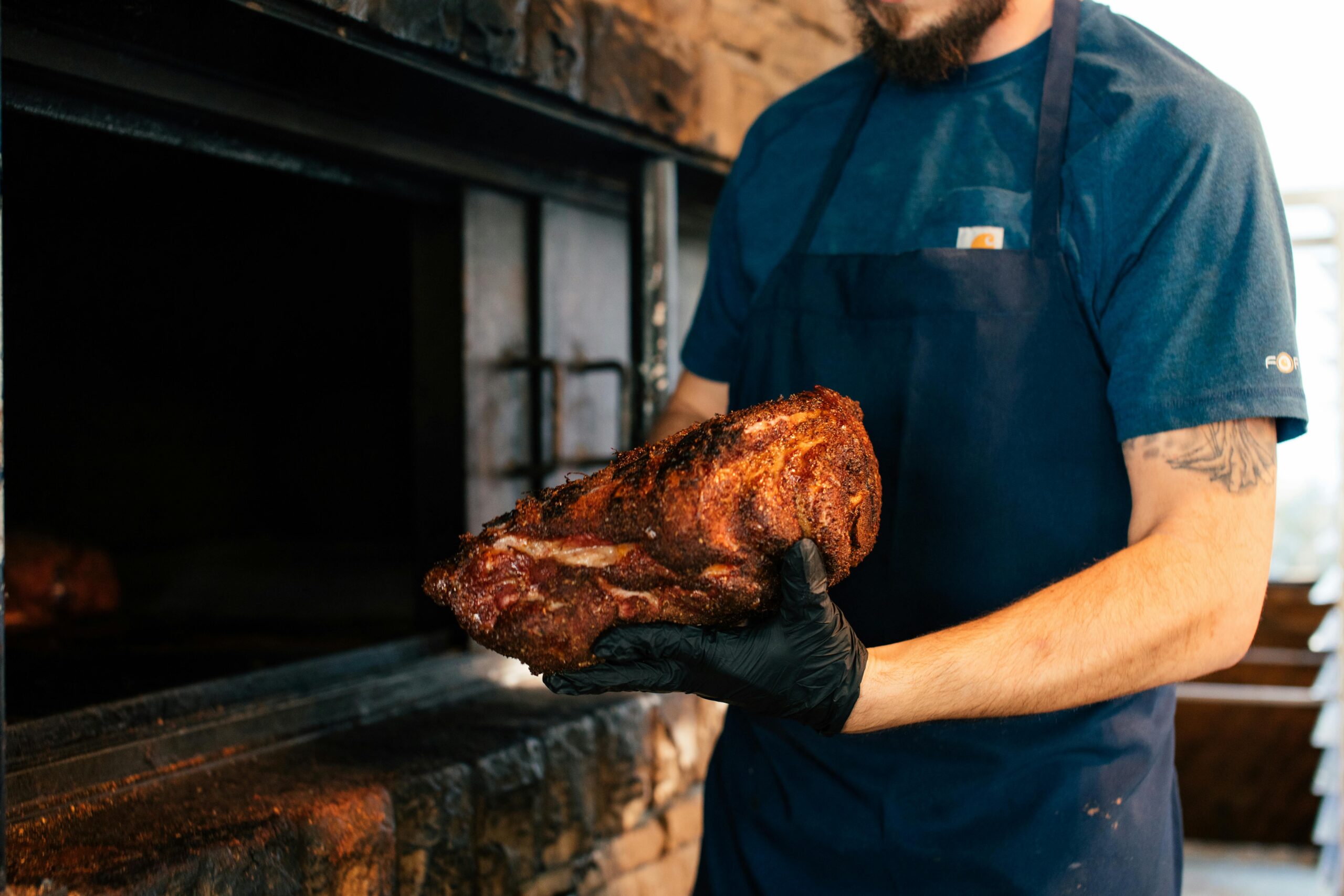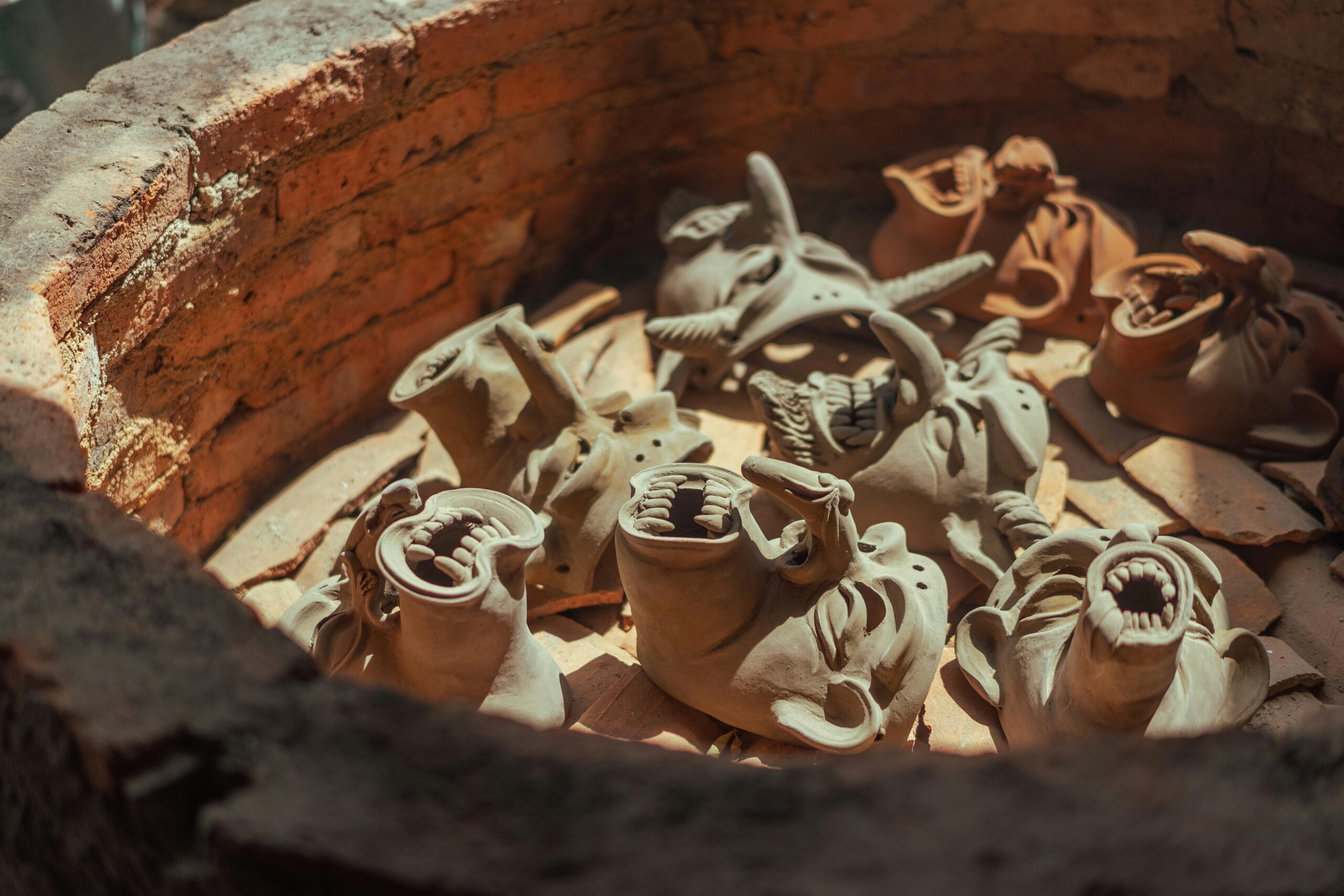
Clay pit cooking is an ancient culinary technique that transforms simple ingredients into extraordinary dishes through the mastery of thermal retention and radiant heat distribution.

🔥 The Ancient Wisdom Behind Underground Cooking
For thousands of years, civilizations across the globe have discovered the remarkable power of cooking food in clay-lined pits beneath the earth’s surface. From the Polynesian imu to the Mexican barbacoa, from the Moroccan tangia to the New England clambake, this method has stood the test of time precisely because it harnesses fundamental principles of thermal physics that modern cooking often overlooks.
The beauty of clay pit cooking lies in its elegant simplicity. By digging into the earth and lining the cavity with clay or clay-rich soil, our ancestors created natural ovens that could maintain consistent temperatures for hours without constant fuel consumption. The clay acts as both an insulator and a thermal battery, absorbing heat during the initial firing phase and then releasing it slowly and evenly throughout the cooking process.
This technique isn’t merely about nostalgia or recreating historical methods—it’s about understanding how thermal retention fundamentally changes the way flavors develop, textures transform, and nutrients preserve themselves within food. The magic happens in that slow, patient exchange between heat, moisture, and ingredients.
Understanding the Science of Thermal Mass
Clay possesses unique properties that make it ideal for cooking applications. Its molecular structure allows it to absorb and hold heat energy with remarkable efficiency. When you fire a clay pit to high temperatures, you’re essentially charging a massive battery that will discharge its energy gradually over many hours.
The thermal conductivity of clay falls into a sweet spot—it’s neither too fast nor too slow. Metal conducts heat rapidly, which is why metal pots can burn food easily. Conversely, air is an excellent insulator but transfers heat too slowly for effective cooking. Clay exists in the middle ground, transferring heat steadily enough to cook food thoroughly while preventing the hot spots and temperature spikes that can ruin delicate dishes.
When you place food in a properly prepared clay pit, you’re creating a multi-layered thermal environment. The clay walls radiate infrared heat inward. Any moisture from the food or added liquids creates steam, which circulates in the confined space. The earth surrounding the pit acts as additional insulation, preventing heat loss to the outside environment.
The Role of Moisture in Clay Pit Cooking
One of the most crucial elements in mastering this technique is understanding moisture management. Unlike conventional ovens that dry out food through constant air circulation, clay pits create a humid cooking environment. This humidity serves multiple purposes: it prevents surface drying, facilitates heat transfer through steam, and helps break down tough connective tissues in meats.
Many practitioners wrap foods in leaves, banana fronds, or wet cloth before placing them in the pit. These wrappings don’t just protect the food from direct contact with hot surfaces—they create micro-environments where steam concentrates, effectively braising the food from all directions simultaneously.
Building Your First Clay Pit Oven 🏗️
Creating a functional clay pit requires planning, but the process is surprisingly accessible even for beginners. The first step involves selecting an appropriate location—ideally, a spot with clay-rich soil, good drainage, and distance from tree roots or underground utilities.
The pit itself should be proportional to the amount of food you plan to cook. A basic pit for a small gathering might measure three feet in diameter and two feet deep. Larger pits for whole animals or substantial quantities of food can extend to six feet or more in diameter.
Essential Construction Steps
- Excavation: Dig your pit to the desired dimensions, creating smooth walls at a slight inward angle for structural stability
- Clay lining: If your native soil isn’t clay-rich, line the pit with a mixture of clay and sand (about 3:1 ratio) to a thickness of 2-3 inches
- Initial firing: Build a substantial fire in the pit using hardwood and allow it to burn for several hours to cure the clay lining
- Rock placement: Some traditions incorporate heat-retaining stones, such as river rocks or volcanic stones, which add thermal mass
- Insulation layer: Prepare materials for covering the pit—soil, sand, or clay work well as final insulation layers
The curing process is critical and shouldn’t be rushed. When clay heats rapidly, moisture within it can turn to steam and cause cracking or spalling. A slow, gentle first firing seasons the pit properly, creating a durable cooking surface that will improve with each use.
Temperature Control and Timing Mastery ⏰
Unlike conventional cooking where you can simply adjust a dial, clay pit cooking requires developing an intuitive sense of temperature and timing. Experienced pit masters can estimate pit temperature by observing smoke color, feeling radiant heat from a distance, or watching how moisture behaves when sprinkled near the opening.
Generally, pit temperatures range from 300°F to 500°F (150°C to 260°C) during active cooking, gradually declining over time. The initial high heat sears surfaces and begins breaking down proteins, while the sustained lower heat that follows tenderizes tough cuts and allows flavors to meld.
| Food Type | Approximate Temperature | Cooking Duration |
|---|---|---|
| Whole pig (50-80 lbs) | 350-400°F | 8-12 hours |
| Large fish or chicken | 325-375°F | 3-5 hours |
| Root vegetables | 300-350°F | 4-6 hours |
| Bread and flatbreads | 400-450°F | 1-2 hours |
The beauty of thermal retention cooking is its forgiving nature. The gradual temperature decline means that food remains in a “safe zone” for extended periods, making precise timing less critical than in conventional cooking methods.
Flavor Development Through Slow Thermal Processing
The extended cooking times in a clay pit aren’t a bug—they’re a feature. When proteins cook slowly at moderate temperatures, several magical transformations occur that simply cannot be replicated through faster cooking methods.
Collagen, the tough connective tissue in meat, requires both time and moisture to convert into gelatin. This conversion happens most effectively between 160°F and 180°F (70°C to 82°C) over several hours. Clay pit cooking maintains this ideal temperature range for extended periods, resulting in meat that literally falls off the bone while remaining incredibly moist.
The Maillard reaction—the chemical process responsible for browning and complex flavor development—occurs throughout the cooking process at varying rates depending on surface temperature and moisture levels. In a clay pit, this reaction happens gradually, creating layers of flavor that build upon each other rather than a single burst of browning as you’d get from high-heat searing.
Smoke and Aromatics Integration 🌿
Many traditional clay pit cooking methods incorporate aromatic woods, herbs, and spices directly into the fire or as part of the food wrapping. As the pit transitions from active burning to slow cooking, these aromatics release their essential oils and aromatic compounds, which become absorbed by the food.
The enclosed environment of a clay pit means that nothing escapes—every molecule of flavor remains trapped within the cooking chamber. Herbs like rosemary, thyme, and bay leaves release their volatile oils. Woods like mesquite, apple, or hickory contribute subtle smoke flavors. Even the clay itself can impart mineral notes that add complexity to the final dish.
Modern Applications and Adaptations
While clay pit cooking originated as a necessity for pre-industrial societies, modern practitioners have rediscovered and refined these techniques for contemporary applications. Restaurants specializing in farm-to-table cuisine and experiential dining have embraced pit cooking as a way to create unique offerings that cannot be replicated in conventional kitchens.
Some innovative chefs have developed above-ground clay ovens that operate on similar principles to underground pits. These structures—often called hornos, tandoors, or wood-fired ovens—use thick clay or adobe walls to achieve similar thermal retention properties while being more convenient for regular use.
Backyard enthusiasts have adapted the technique as well, creating smaller pits or using clay roasters that can be buried temporarily for special occasions. These adaptations make the technique accessible without requiring permanent landscape modifications.
Safety Considerations and Best Practices 🛡️
As with any cooking method involving fire and high heat, clay pit cooking requires careful attention to safety. Before starting your first pit cook, consider these essential precautions:
- Always check for underground utilities before digging—contact your local utility marking service
- Maintain adequate clearance from structures, overhanging branches, and dry vegetation
- Never use rocks that may have been submerged in water, as they can explode when heated
- Ensure food reaches safe internal temperatures using a probe thermometer
- Have fire suppression tools readily available—water, sand, or a fire extinguisher
- Allow pits to cool completely before attempting to dismantle or clean them
- Be mindful of food safety when cooking over extended periods—maintain proper temperature zones
Proper food safety is particularly important in clay pit cooking because the extended cooking times mean food must pass through the “danger zone” (40°F to 140°F or 4°C to 60°C) relatively quickly and then remain above safe temperatures throughout the process.
Selecting Ingredients for Optimal Results
Not all foods benefit equally from clay pit cooking. The technique excels with ingredients that improve with long, slow cooking and high moisture retention. Understanding which foods work best will help you plan successful pit cooking experiences.
Tough cuts of meat—shoulder roasts, briskets, whole birds, and large fish—are ideal candidates. The long cooking time breaks down connective tissue while the humid environment prevents drying. Root vegetables like sweet potatoes, yucca, taro, and carrots develop incredible sweetness as their starches convert to sugars during extended heating.
Whole grains wrapped in leaves can be transformed into fluffy, perfectly cooked bases for other dishes. Traditional preparations like tamales or banana leaf-wrapped rice packets take on subtle earthy flavors from both the wrapping and the clay environment.
Preparation Techniques That Maximize Flavor
The preparation work you do before food enters the pit significantly impacts the final result. Marinating meats for 12-24 hours before pit cooking allows flavors to penetrate deeply. Using acidic marinades with citrus, vinegar, or wine helps tenderize proteins before the heat even begins its work.
Scoring the surface of large cuts allows heat and smoke to penetrate more effectively. Stuffing cavities with aromatic vegetables, herbs, and citrus creates internal flavor centers that perfume the meat from within.
Consider layering ingredients strategically within the pit. Denser items that require longer cooking times should be positioned in the hottest zones, while quicker-cooking foods can occupy cooler areas closer to the pit’s edges or top.
The Community and Cultural Aspects 🤝
Beyond the technical and culinary aspects, clay pit cooking carries deep cultural significance in communities worldwide. The labor-intensive preparation, the extended cooking time, and the dramatic reveal of the finished food make pit cooking inherently communal and celebratory.
Many cultures use pit cooking exclusively for special occasions—weddings, religious festivals, seasonal celebrations, or community gatherings. The process itself becomes part of the celebration, with preparation beginning days in advance and the anticipation building until the moment the pit is opened and aromatic steam billows forth.
This communal aspect offers lessons beyond cooking technique. In our modern age of convenience and instant gratification, clay pit cooking reminds us that some experiences cannot and should not be rushed. The patience required teaches respect for ingredients, appreciation for traditional knowledge, and the value of gathering together around food that required genuine effort to create.
Troubleshooting Common Challenges
Even experienced pit cooks encounter occasional challenges. Understanding common issues and their solutions will help you navigate the learning curve more smoothly.
If food emerges undercooked, the usual culprit is insufficient initial heat or premature pit opening. Resist the temptation to check progress too frequently—each opening releases significant heat. If this occurs, you can carefully return the food to the pit and add hot coals or stones to restore temperature, though this compromises some of the technique’s elegance.
Overly dry results typically indicate inadequate moisture in the cooking environment. Ensure you’re including sufficient liquid-releasing vegetables, adding water-soaked wrappings, or placing a pan of water in the pit before sealing.
Uneven cooking often results from poor heat distribution during the initial firing or inconsistent pit insulation. Take time to ensure coals are distributed evenly and that your covering materials provide uniform insulation across the entire pit surface.
Evolving Your Pit Cooking Journey 🎯
Mastering clay pit cooking is genuinely a journey rather than a destination. Each pit cook teaches new lessons about heat behavior, timing, ingredient selection, and flavor development. Keep detailed notes about each cooking session—fire duration, estimated temperatures, food placement, cooking times, and results.
Start with forgiving dishes like pork shoulder or root vegetables that tolerate minor temperature variations. As your confidence grows, experiment with more challenging preparations like whole fish, delicate vegetables, or even desserts like bread pudding or fruit cobblers.
Consider learning from practitioners of traditional pit cooking methods. Many cultures maintain living traditions that have refined these techniques over countless generations. Their accumulated wisdom can shortcut your learning curve significantly.
The art of thermal retention through clay pit cooking connects us to fundamental truths about food, fire, and patience. In a world increasingly dominated by speed and convenience, taking the time to dig a pit, build a fire, and wait hours for a meal represents a radical act of mindfulness and intentionality. The flavors that emerge—complex, layered, impossible to replicate through faster methods—justify every moment of effort and make each gathering around the opened pit a truly memorable experience.