
In today’s fast-paced industrial landscape, ensuring safety at the workplace is more crucial than ever. Whether you’re managing a bustling construction site or overseeing operations in a manufacturing plant, the security of your environment can never be compromised. Unfortunately, traditional solutions to common safety hazards often come with hefty price tags and complicated installations. But what if you could enhance workplace safety with a simple, cost-effective, and DIY-friendly solution? Enter the world of improvised pit lids—a game-changer for securing open pits and trenches on-site. 🛠️

Picture this: you’re walking through a worksite bustling with activity. Forklifts beep as they maneuver through tight spaces, workers are engaged in their tasks, and everywhere you look, there are potential hazards waiting to be addressed. Among these, open pits and trenches stand out as particularly perilous. Left uncovered, they pose a significant risk to both personnel and equipment. Yet, despite their danger, these hazards often go unnoticed until it’s too late.
This is where improvised pit lids come into play. Designed to be both practical and innovative, these DIY solutions offer a remarkable way to enhance safety without breaking the bank. Unlike traditional pit covers, which can be expensive and difficult to install, improvised lids provide a versatile and customizable approach to hazard management. By using materials that are readily available and easy to work with, you can create sturdy, reliable covers that fit your specific needs. 🌟
In this comprehensive guide, we will delve into the fascinating world of improvised pit lids, unveiling the secrets to their effectiveness and practicality. We’ll start by exploring the basic principles behind these ingenious creations and why they represent such a valuable asset in any safety toolkit. From there, we’ll provide a step-by-step walkthrough on how to design and construct your own pit lids, using materials that are both affordable and easy to source.
Moreover, we’ll discuss the various types of materials you can use, from wood to metal and even recycled resources, highlighting the pros and cons of each option. This will allow you to make informed decisions about which materials are best suited to your particular environment and safety requirements. Along the way, we’ll share tips and tricks from industry experts on how to ensure your lids not only meet safety standards but also enhance the overall efficiency of your worksite. 🏗️
Of course, no safety solution is complete without understanding the broader context. Therefore, we will also examine the importance of regular maintenance and inspection in prolonging the lifespan and efficacy of your improvised lids. By adopting a proactive approach to safety management, you can mitigate risks before they escalate, creating a secure environment that fosters productivity and peace of mind.
Additionally, we’ll touch upon the legal and regulatory aspects that surround workplace safety, ensuring that your improvised solutions comply with local and international standards. This not only protects your workforce but also shields your business from potential liabilities. 📜
Finally, we’ll look at real-world case studies where businesses have successfully implemented improvised pit lids, achieving significant improvements in safety and operational efficiency. These stories will serve as inspiration and proof of the tangible benefits that can be gained from embracing this innovative approach.
By the end of this article, you’ll have a thorough understanding of how to create and maintain improvised pit lids, transforming your work environment into a bastion of safety. So, whether you’re a seasoned safety manager or a hands-on DIY enthusiast looking to make a difference, this guide will equip you with the knowledge and tools you need to take action. Ready to uncover the secret to a safer worksite? Let’s dive in! 🔍
Conclusion
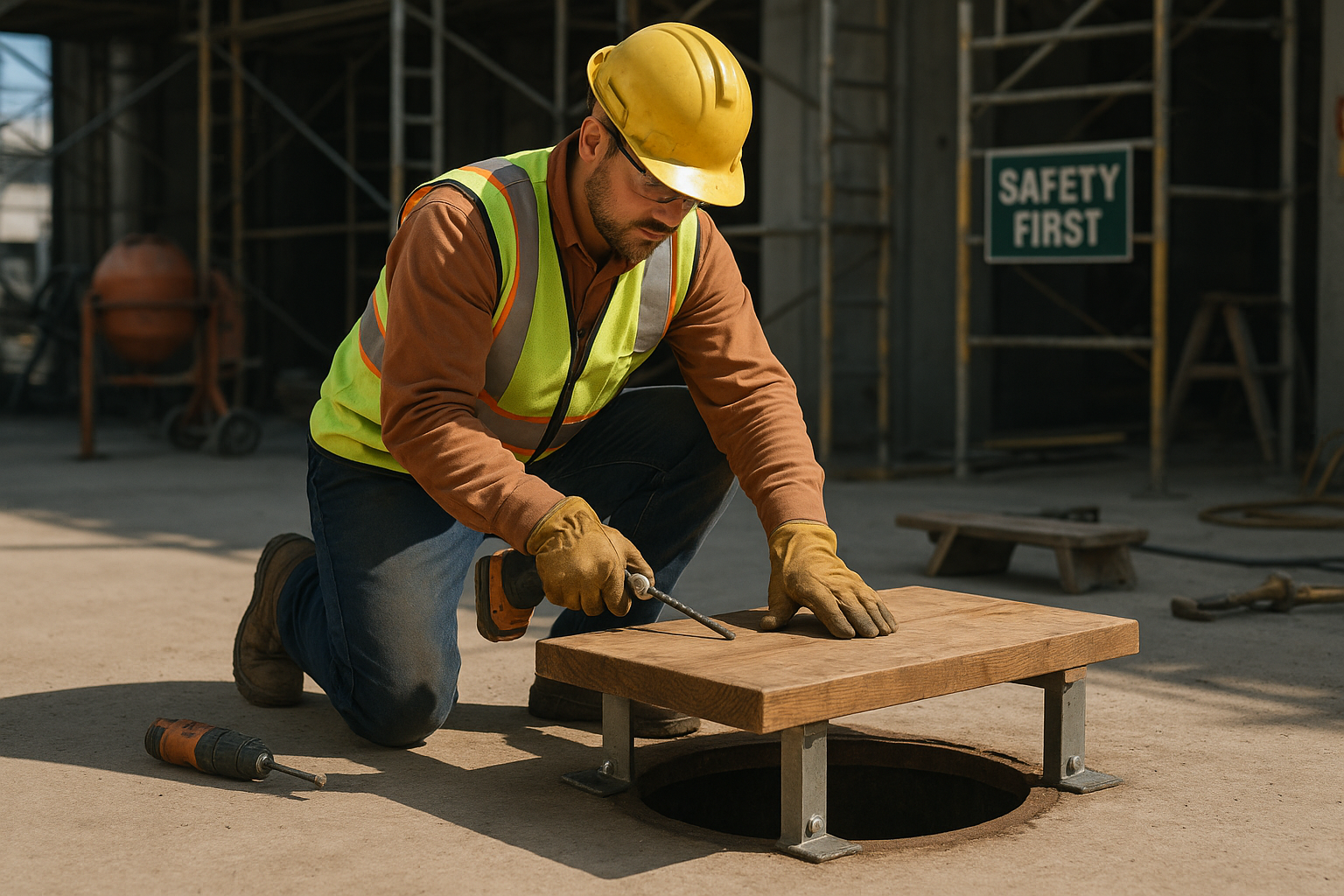
As we conclude our exploration of DIY pit lids, it’s clear that safety and practicality must go hand in hand when covering open pits, fire holes, or excavation sites. A well-designed pit lid prevents accidents, protects wildlife, and preserves the structural integrity of the site — all while allowing ventilation or controlled access when needed.
The true mastery of pit lid design lies in using durable, weather-resistant materials and secure fitting methods. 🌿💫 Whether crafted from reinforced wood, metal mesh, or clay composite, each lid should balance strength with ease of handling. Adding hinges, handles, or ventilation slats enhances both safety and functionality. Ultimately, creating DIY pit lids for safety is more than a practical task — it’s a mindful step toward responsible craftsmanship, ensuring protection, longevity, and peace of mind in every project.